When Boundaries Become The Problem

Explore the pressure around friendship boundaries, related tarot cards, and Tarot Reading Insights from sessions on changed access.

Friendship Boundary Backlash
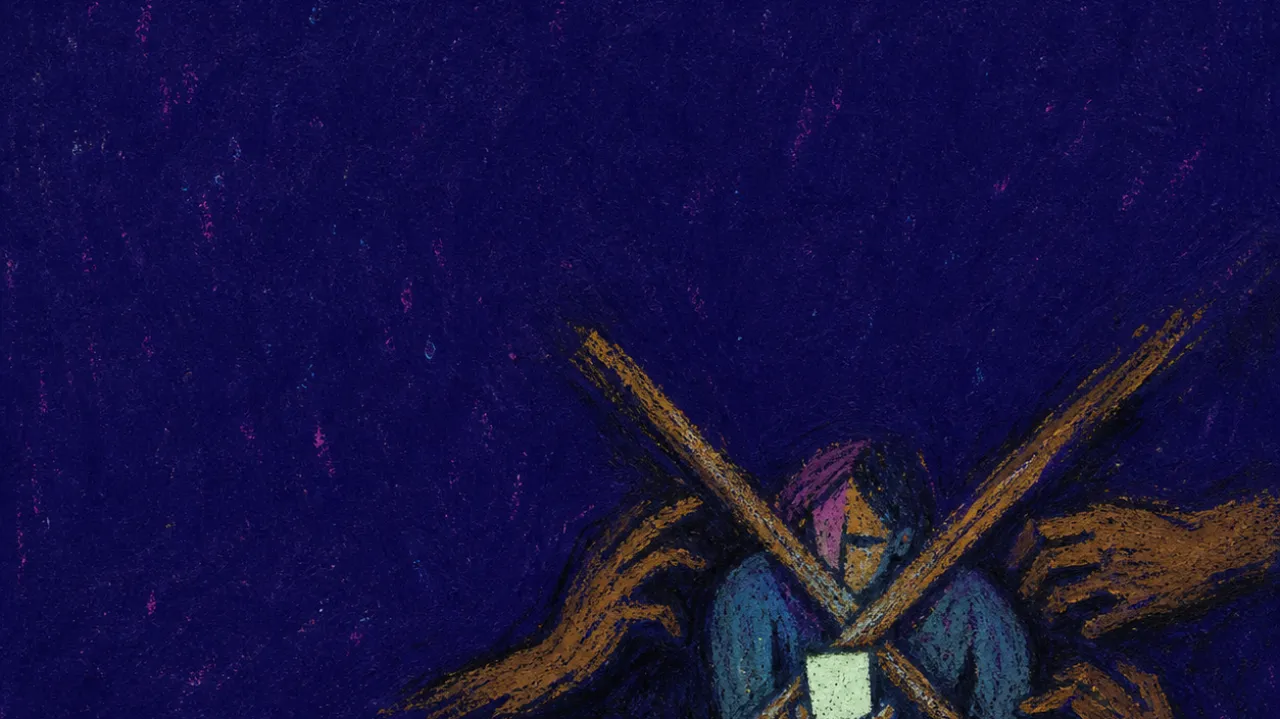
What is this situation?

Friendship Boundary Backlash — you say something small and clear, like "I can't talk tonight," "I need more notice," or "I don't want to be the person everyone vents to," and the friendship suddenly stops feeling easy. The text thread gets busy; someone asks if you're mad, someone else says you've changed, a mutual friend checks in with a careful message that feels less like concern and more like a temperature reading. What began as one limit becomes a debate about your tone, your loyalty, your timing, your priorities, and whether the friendship still matters if you are less available than before. You may have only stepped back from late-night calls, last-minute plans, constant emotional support, or being expected to smooth over every awkward moment, but the response arrives as guilt, coldness, repeated questioning, or a group mood that quietly pushes you to explain yourself again. The exhausting part is not the boundary itself; it is the way the social space crowds around it, turning a reasonable line into something you have to defend in real time. By the end of the day, your shoulders are tight, your phone feels louder than it should, and the friendship starts to look less like mutual care and more like a corridor you are expected to keep walking through on command, much like the Five of Wands, where crossed staffs press into the space where each body is trying to move and there is no quiet edge to stand behind.

Why it's not you?

The problem is not that your boundary was too much; it is that the friendship had started treating your access as automatic. Guilt, debate, coldness, repeated questioning, and group pressure are not proof that the limit was wrong. They are the shape of a social arrangement trying to pull you back into the role it was used to.

Friendship Boundary Backlash in Tarot Cards

When Friendship Boundary Backlash turns a simple limit into a group problem, the tightness in your shoulders and the urge to monitor every reply are not random. This is an environmental, structural dynamic: the friendship system has been organized around your old availability, and the pressure rises when that arrangement changes. The cards below do not decide who is right; they trace the crowding, testing, and role pressure around the boundary. Here are the Tarot Cards that tend to mirror this kind of situation.

Five of Wands Reversed
The wands in Five of Wands do not simply mark separate positions; they cross into the space where other bodies are trying to move. The image makes boundary pressure visible through contact, obstruction, and the absence of a quiet edge. Friendship boundary backlash has the same shape. A person names a limit, changes availability, declines a role, or asks for a different kind of contact, and the friendship system responds by crowding the boundary instead of recognizing it. You are seeing why a simple boundary can feel bigger than the sentence used to state it. The card reveals the surrounding social pressure - guilt, debate, urgency, and group reaction - that tries to pull the boundary back into the old arrangement.
Six of Wands Reversed
The rider is centered and celebrated, but he is also enclosed by the public expectations of the procession. The same raised wands that honor him create a visible corridor where his role is watched and socially defined. Reversed in friendship, this becomes the backlash that appears when someone changes the terms of access. Saying no, replying slower, leaving the emotional support role, or asking for reciprocity can disturb a group script that depended on the old version of your availability. The card reveals why a reasonable boundary can produce an outsized reaction. The conflict is not only about the boundary itself; it is about the social role your boundary interrupts.
Seven of Wands Reversed
The same high ground can turn into a narrow ledge when six wands keep pressing upward and the figure has no covered backline. His body becomes a brace, not because the boundary is unclear, but because the pressure has concentrated around the act of holding it. Friendship boundary backlash appears when a private limit disrupts an old pattern of access. You may have named a need for time, privacy, space, or emotional capacity, and the response arrives as guilt, argument, repeated questioning, or group pressure. The rugged edge under his feet keeps the image from becoming simple confidence. It shows the cost of defending a line inside a relationship system that preferred you more available, more flexible, or easier to reach.
Nine of Wands Reversed
The figure's gaze is fixed toward the open side while both hands keep the wand locked in place. The body is not relaxing after setting a boundary; it is bracing for the next reaction to that boundary. This connects directly to a friendship where naming a limit becomes the conflict itself. You may be watching a simple request for space get recoded as disloyalty, and the card makes the structure visible: the boundary is sound, but the social system around it is testing whether you will abandon it under pressure.
Knight of Wands Reversed
The rearing horse creates a body that is powerful but difficult to contain, with the rider forced to manage momentum in real time. In a friendship boundary conflict, that image becomes the friend whose reaction expands the moment you try to slow access, decline a plan, protect privacy, or change the terms of availability. The raised wand and bright plume turn pressure into display. What could have been a simple boundary adjustment becomes a heated scene, a dramatic text chain, a public complaint, or an urgent demand that you prove the friendship still matters. The card makes the external structure visible: the backlash is not proof that the boundary was wrong. It shows that the friendship has been relying on forward motion, access, and compliance, so any attempt to introduce reins exposes where mutual consent was underbuilt.
Queen of Wands Reversed
The lions on the throne face, guard, and push outward, while the black cat holds the lower threshold of the scene. Reversed, this protective architecture becomes reactive, making every limit look like a challenge to the existing social order. That is the texture of friendship boundary backlash. You name a limit, reduce availability, stop absorbing every issue, or ask for clearer reciprocity, and the other person responds through guilt, coldness, group pressure, or subtle punishment. The card shows the conflict as a system defending old access, not as proof that your boundary has no place.

Friendship Boundary Backlash in Tarot Card Reading Insights

Friendship Boundary Backlash often shows up when someone brings a limit, slower access, or a changed support role into a reading. The readings below move from the cards into how this pressure appears when others have sat with similar friendship dynamics. Tarot Reading Insights from sessions exploring this boundary pressure.

Psychological contexts related to Friendship Boundary Backlash