Can Two Days Carry This?

A focused look at compressed escape, matching tarot cards, and tarot reading insights for when rest barely fits the schedule.

Minimum Viable Getaway
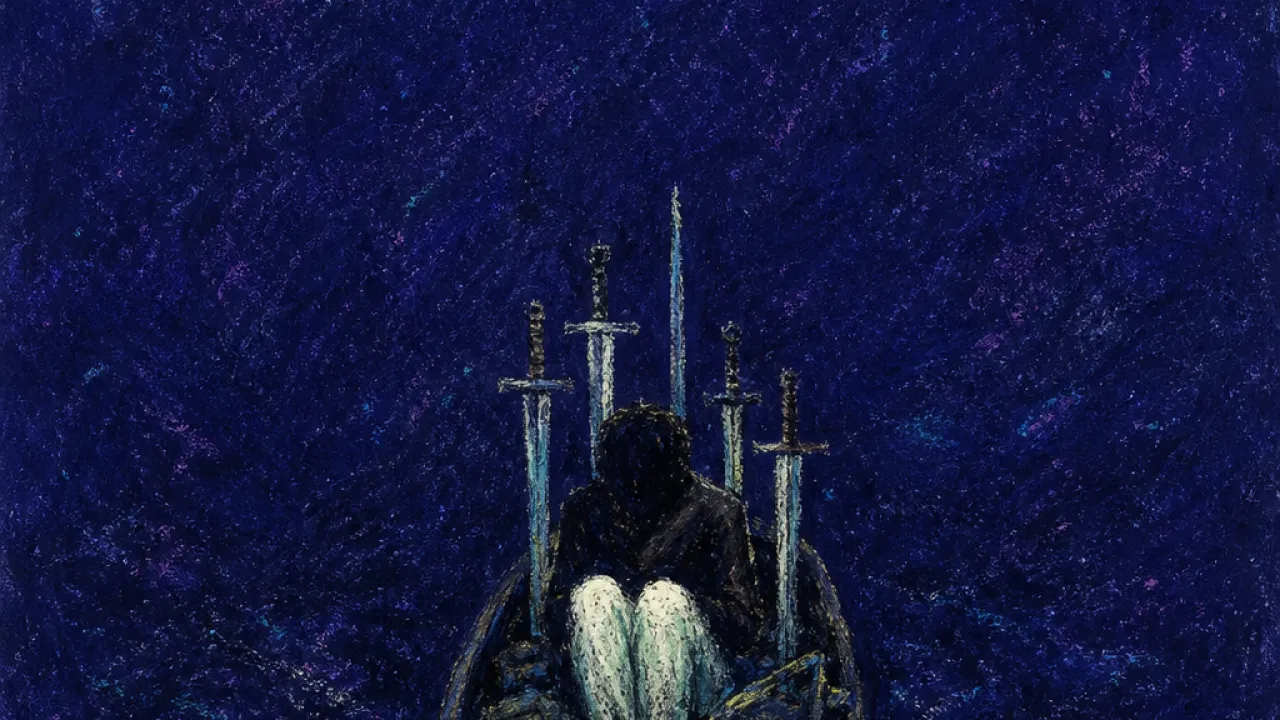
A solitary figure in a small boat, packed bags and upright swords crowding the space as deep indigo water carries it forward

What is this situation?

Minimum Viable Getaway — you are not really taking a vacation; you are carving a narrow exit out of a calendar, budget, inbox, and city life that will not give you a clean break. It starts with a late-night search tab: cheapest flight, off-season hotel, one backpack, maybe a train if the prices are impossible, all squeezed between work deadlines, rent due dates, social plans you already postponed, and the quiet knowledge that two days is all you can realistically take. You tell yourself it counts because technically you are leaving, but the trip begins with alarms before sunrise, airport food you did not budget for, a charger packed beside your laptop “just in case,” and messages still lighting up while you are in line for coffee somewhere that is supposed to feel different. Friends ask if you are excited, and you give the easy answer, but the setup is already doing its math on you: every hour needs to justify the cost, every view has to become proof that getting away was worth it, every delay steals from the tiny amount of breathing room you managed to buy. You are trying to rest inside a schedule that keeps checking the time, trying to feel free while tracking checkout, transport, unread notifications, and how much you can spend before Monday pulls you back in. The problem is not that you failed to make the most of it; the shape of the getaway was made too small for what it was supposed to carry, much like the Six of Swords, where the boat is moving away from shore but the swords are still standing inside it.

Why it's not you?

The problem is not that you are bad at relaxing or ungrateful for a short break. The problem is that the conditions around you have reduced rest into a logistical squeeze: limited time off, rising costs, constant messages, and the pressure to make a tiny escape do the work of a full reset. That is not a personal flaw; it is the shape of a world that keeps making recovery smaller than the strain it creates.

Minimum Viable Getaway in Tarot Cards

Minimum Viable Getaway is the situation where the outside world allows you only a compressed version of rest: a cheap flight, a short window, and obligations still packed beside your toothbrush. The tight chest you feel while trying to make one weekend carry months of pressure is a bodily record of that squeeze. This is an environmental, structural dynamic, not a personal failure to relax on command. The Tarot Cards below reflect the shape of a break that is trying to happen while the pressure is still in the room.

The Chariot
Reversed
The armoured driver stands above two oppositely oriented sphinxes without visible reins while the city remains behind him. Reversed, transport still exists, but alignment between departure time, connections, cost, energy, and destination access has broken down, leaving the compressed trip vulnerable to every delay. The vehicle and route have not disappeared; what is blocked is coordinated control over their pace. You may still reach the destination, but a missed train, airport queue, or late checkout can claim a large share of the tiny recovery window because the itinerary contains no slack.
Two of Pentacles
Upright
The figure keeps both pentacles moving while ships behind him rise on waves that refuse to hold still. You are fitting departure and return around work deadlines, rent dates, transport schedules, and a recovery window that can shrink whenever one variable moves. The upright loop preserves enough coordination to catch a viable opening, but it does not create additional time. You can use the available window while recognising that its fragility comes from simultaneous cycles competing for the same weekend, not from poor personal time management.
Seven of Pentacles
Reversed
The worker pauses beside the vine and studies a harvest that has not yet matched the labour invested in it. Reversed, the evaluation arrives too early: you are checking whether the trip has reset you while transit fatigue, schedule vigilance, and the approaching return are still active. The image makes duration part of the structure rather than a personal test of patience. You cannot require recovery to mature on the timetable of a two-day booking when much of that period is occupied by getting there, monitoring the clock, and preparing to leave.
Four of Swords
Reversed
The horizontal figure appears still while swords remain visible above and below the resting body. Reversed, the outer room has become quiet without clearing the internal queue of work messages, travel checks, spending calculations, and anticipation of Monday. The image separates environmental calm from cognitive permission to stand down. You are not producing the vigilance from nowhere; the getaway keeps presenting live signals that demand monitoring, so the mind continues processing the same operational load in a different location.
Six of Swords
Upright
The six swords stand inside the boat rather than remaining on the shore that the passengers have left. You may be officially away from work, yet unread messages, portable devices, pending deadlines, and the expectation of responsiveness remain embedded in the trip. The ferryman still creates forward distance, showing that a limited break can be materially real even when workplace boundaries are incomplete. You can locate the friction in the employment system that converts PTO into remote standby time, rather than treating continued vigilance as a personal inability to switch off.
Two of Wands
Reversed
The figure holds a globe on a high battlement while one wand is fixed to the wall and distant land and water remain visible beyond it. Reversed, the routes can be imagined and researched, but calendar walls, price limits, and work obligations reduce which of them can actually be entered. The second wand remains in hand, so some planning agency survives even within the restricted field. You are not indecisive because you have failed to identify appealing destinations; you are comparing options whose practical access is narrowed by money, time, and the requirement to return almost immediately.
Eight of Wands
Upright
Eight wands fly rapidly across open land and water with no resting figure or obstacle interrupting their movement. You move from alarm to airport, platform to hotel, attraction to checkout, while messages and itinerary updates arrive at the same accelerated pace. The clear landscape gives the upright image genuine momentum and an available route, so the trip can happen quickly and efficiently. You can use that momentum without confusing speed with recovery: the same velocity that makes a two-day getaway possible can prevent the unscheduled stillness the journey was meant to create.
Ten of Wands
Upright
The worker bends beneath ten staffs and continues carrying them toward the town without setting any aside. You may leave the office, but project ownership, team gaps, pending approvals, and the expectation that you remain reachable are still assigned to you during the journey. The path remains open and the destination is close, which reflects a break that can technically happen. You are nevertheless funding that permission through continued responsibility, revealing a workplace structure where leave changes the site of labour more readily than it redistributes the workload.

Minimum Viable Getaway in Tarot Card Reading Insights

Minimum Viable Getaway shows up when people bring a half-break, half-obligation version of escape into a reading. The readings below move from the card list into what surfaced when others sat with this kind of compressed rest. Tarot Reading Insights from sessions on this situation.

Psychological Contexts Related to Minimum Viable Getaway