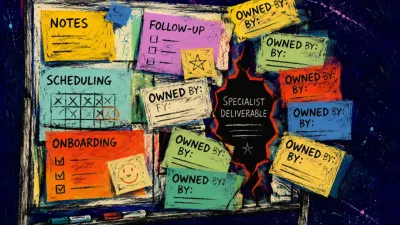
Who Gets Named for the Work?
Explore how shared work becomes uneven visibility, with related tarot cards and tarot reading insights from similar readings.

Collaboration Credit Imbalance

What is this situation?
Collaboration Credit Imbalance starts when a shared project looks clean from the outside: a kickoff call, a group chat, a shared doc, a lab meeting, a client deck, a class presentation, or a team channel where everyone agrees the work will be collaborative. At first, the setup sounds fair enough: everyone will contribute, the result will belong to the group, and no one needs to make things awkward by itemizing every edit, idea, follow-up, source, slide, introduction, or late-night fix. Then the pattern starts. You pick up the parts that keep the whole thing moving: planning the timeline, rewriting messy sections, chasing missing pieces, clarifying decisions, smoothing the tone, repairing weak arguments, organizing notes, remembering what was agreed, and filling gaps before anyone with power notices they exist. Your shoulders tighten over the keyboard while the shared document fills with your fingerprints, but when the presentation happens, the email goes out, the professor asks who led, or the manager praises the deliverable, visibility gathers around the person who speaks first, owns the final upload, has the closer relationship, or knows how to frame the outcome. The group language stays polished: “we built this,” “we all contributed,” “great team effort.” But underneath that language, the evidence of who carried what becomes blurry, and you are left trying to name your contribution after it has already been absorbed into the finished product. The work keeps landing on your desk, but the credit travels somewhere else, much like the Three of Pentacles, where the craftsperson’s tool touches the stone while other figures hold the plan and stand in the position to explain what has been built.
Why it's not you?
The problem is not that you failed to advocate perfectly; the collaboration setup allowed contribution and recognition to separate. When shared language covers who planned, edited, carried, or presented the work, credit can move toward whoever controls the final narrative. That imbalance belongs to the system around the project, not to your worth or effort.
Collaboration Credit Imbalance in Tarot Cards
In Collaboration Credit Imbalance, the key signal is that familiar tightening in your shoulders as the shared doc fills with your fixes while the credit path moves elsewhere. This is an environmental and structural dynamic: the team setup can make contribution visible in production but vague in recognition. The cards below do not decide who deserves what; they reflect the shape of labor, ownership, and visibility inside the collaboration. Here are the Tarot Cards that tend to mirror this kind of imbalance.
Collaboration Credit Imbalance in Tarot Card Reading Insights
When Collaboration Credit Imbalance follows a shared project into a reading, people often bring the moment when the deliverable looks collective but the recognition is not moving evenly. The readings below shift from the cards themselves to how this imbalance appears when someone asks about work, school, authorship, or visibility. Tarot Reading Insights for this situation.

One Name Moved Down a Launch Caption—Then Credit Split from Support
Topic:Social Tarot Reading
Struggle:Value-Action Split
Context:Direct Communication Trial

An Unsent TTC Update Becomes One Clear Contribution Sentence
Topic:Career Tarot Reading
Struggle:Approval-Safety Fusion
Context:Safe Visibility Trial

Replacing "Led" in the Pitch and Letting the Work Carry the Claim
Topic:Career Tarot Reading
Struggle:Responsibility-Authority Split
Context:Collaboration Credit Imbalance

A Proposal Left in Drafts: From Insider Approval to Peer-Level Work
Topic:Timing Tarot Reading
Struggle:Prestige Path Lock
Context:Collaboration Credit Imbalance

When a Teammate Claimed the Code, Frozen Silence Became One Sentence
Topic:Career Tarot Reading
Struggle:Clarity-Exposure Split
Context:Collaboration Credit Imbalance

Six Seconds of Planning Silence Became a Code Ownership Conversation
Topic:Career Tarot Reading
Struggle:Responsibility-Authority Split
Context:Office Housework Trap
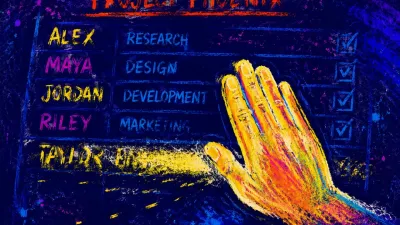
Changing “I led” to “we helped”—Then Leaving Both Roles Named
Topic:Career Tarot Reading
Struggle:Mutual Deprivation Loop
Context:Unspoken Expectations Gap

When the Slide Carried Someone Else's Name, Ownership Became Visible
Topic:Career Tarot Reading
Struggle:Control Lock
Context:Undefined Role Scope

Caught in the Office Housework Trap: Name What Your Yes Displaces
Topic:Career Tarot Reading
Struggle:Responsibility-Authority Split
Context:Skill Underutilization Trap

She Deleted Her Recommendation, Then Left the Next One Visible
Topic:Career Tarot Reading
Struggle:Belonging-Authenticity Split
Context:Corporate Conformity Pressure