The 11:48 p.m. Draft-Delete Loop and the Fear of Being a Burden
I meet a lot of twenty-something city workers who can write flawless Slack updates all day and still fall apart in the quiet gap between midnight and sleep. That is where fear of being a burden in friendship likes to show up: not as a dramatic collapse, but as a draft-delete loop around five small words.
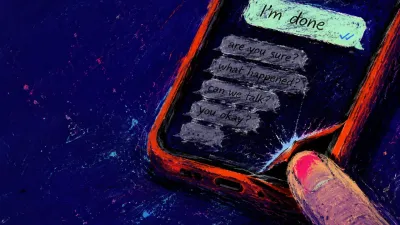
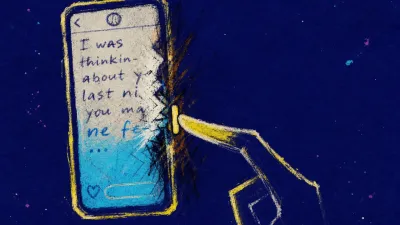
When Jordan sat down across from me in the back room of my café, she smelled faintly of cold air, laundry detergent, and the burnt edge of a coffee grabbed too fast on the way over. She gave me the kind of half-laugh I hear from people who are tired of sounding composed. Then she told me about 11:48 p.m. in her Toronto apartment kitchen: one sock in her hand, TikTok audio blurring from the bedroom, the fridge humming too loudly, her phone screen throwing blue light over her thumb while she typed ‘can I call for a sec?’ into iMessage, deleted it, typed it again, deleted it again, and put the phone face down like that might cancel the need itself.
‘I can be there for people all day,’ she said, looking at the table instead of me. ‘But asking for ten minutes back feels weirdly impossible.’
I could feel the real contradiction immediately: she wanted comfort and connection from a friend, but the moment she needed it, her body treated the ask like social contraband. The shame sat in her throat like she had swallowed an ice cube whole; her chest was clenched so tightly it was as if some invisible hand had zip-tied the ribs together. And underneath all that tension was something quieter and sadder: having people is not the same as feeling allowed to need them.
I told her gently what I tell many reliable, low-maintenance people who do not realize how lonely that role can become: the unsent text is still a real bid for care. A lot of high-functioning loneliness looks exactly like being reachable and never asking. Then I wrapped both hands around my espresso cup, met her eyes, and said that our job today was not to judge the freeze. Our job was to draw a map through it, and for that, I already knew I wanted the Shadow Spread · Context Edition on the table.

Choosing the Compass: The Shadow Spread · Context Edition
I asked Jordan to hold her cup for a moment before drinking it and take one slow breath with me. In my space, that is the only ritual I insist on: not mystery, just a clean transition from spiraling to noticing. Then I shuffled slowly, listening to the soft brush of card edges against my palms and the far-off hiss of the milk steamer out front.
For a question like this, I do not use tarot to predict whether a friend will answer. I use it to show how the pattern works. The Shadow Spread · Context Edition is a four-card spread that moves in the exact sequence this pain moves: first the visible symptom, then the hidden wound under it, then the emotional medicine, and finally one small embodied next step. That is why it fits support-seeking shame so well. The real issue is rarely the wording of the text alone. The real issue is the story about worth, belonging, and emotional permission that rushes in before the message can be sent.
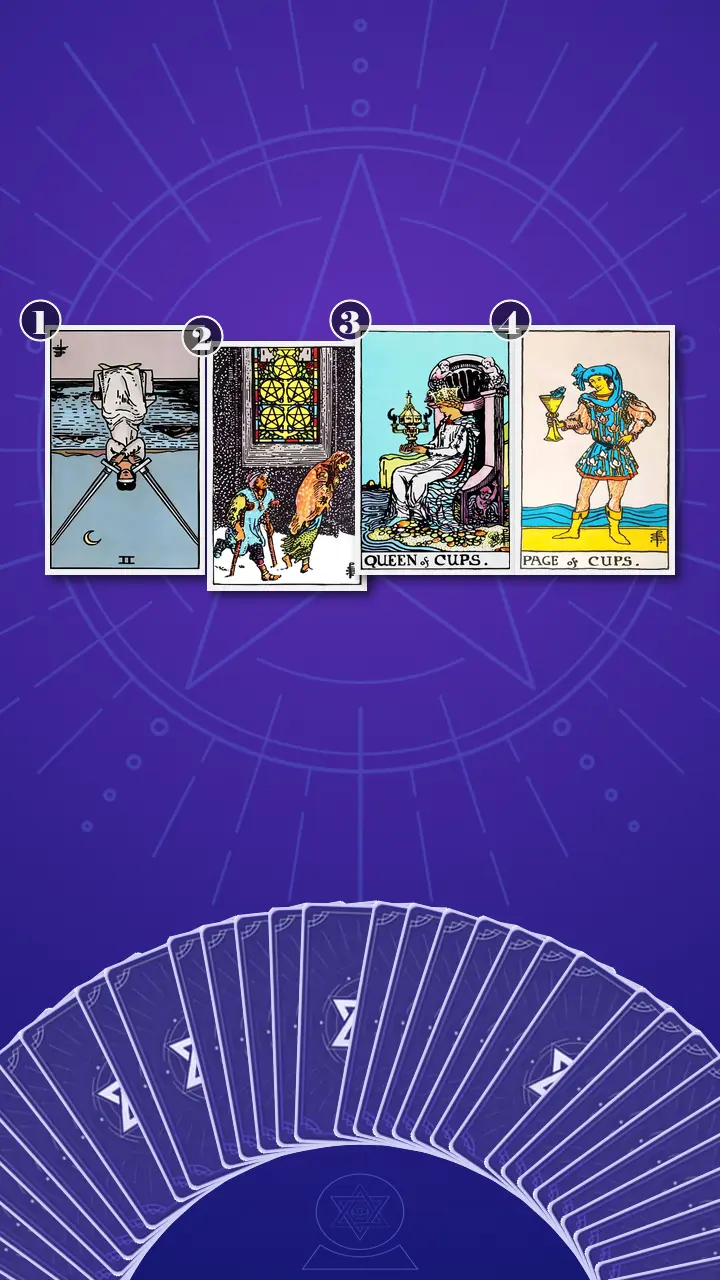
I laid the cards in a straight horizontal line from left to right, the way I like to for this spread. It reads like a single emotional sentence: symptom, shadow, medicine, practice. I told Jordan that the first card would show the exact type-delete freeze she already knew too well. The second would reveal the belonging wound turning a simple ask into a test she feared she might fail. The third card would show the antidote—the emotional stance that could challenge the idea that needing someone makes her too much. And the fourth would turn that insight into one small, doable friendship bid she could actually practice this week.
Reading the Bridge from Silence to Speech
Position 1: The Chat Box That Never Becomes a Call
I turned over the card representing the visible type-delete pattern and the immediate self-protective freeze around asking for contact: the Two of Swords, reversed.
This card was almost painfully literal in context. I told her I was looking straight at the open chat at 11:48 p.m., the blinking cursor, the sentence rewritten for tone three times, and the phone placed face down because sending feels more dangerous than staying lonely. In the old Rider-Waite image, the blindfold and crossed swords can look abstract until you place them in modern life. Here, the blindfold became emotional self-covering. The crossed swords became every possible wording treated like a separate risk assessment: make it lighter, not now, they’re probably busy, maybe tomorrow, maybe you’re being dramatic.
Reversed, the energy felt like blocked Air turning in on itself. Too much analysis, not enough movement. This is what happens when self-protection starts masquerading as careful communication. On the surface it looks efficient, thoughtful, even mature. Underneath, it keeps the feeling fully active while preventing any corrective experience from reaching it. No one can reassure what no one is allowed to see.
Jordan gave a short, bitter laugh and shook her head. ‘That’s honestly rude,’ she said. ‘It’s exactly that. I make it sound less intense until there’s nothing real left to send.’ Her fingers tightened around her cup, then loosened. That sharp little laugh told me the recognition had landed where it needed to. I nodded and told her again: the unsent text is still a real bid for care. Silence does not mean the need was small. It means the need got edited out before anybody else could meet it.
Position 2: Outside the Warm Room
I turned over the card representing the belonging wound and scarcity belief that makes support feel unsafe to request: the Five of Pentacles, upright.
There it was—the real bruise under the behavior. I told her this card is what it feels like to know you technically have people you could text, but to experience support as if it is for better-timed, easier, less messy versions of yourself. It is the emotional logic of standing in a grocery store self-checkout line, seeing friends’ dinner Stories under warm restaurant lighting, and instantly deciding there is no socially acceptable way to text ‘can I call?’ It is the row of names in your phone feeling like lit windows in winter: care is visible, but psychologically not available to you when you need it most.
In this position, the Five of Pentacles showed me Earth energy shaped by scarcity. Not a lack of actual human beings in her life, but a deficiency in felt belonging. The fear was not only that a friend might be busy. The deeper fear was that a pause, a delayed reply, or a flat tone would somehow prove she had asked at the wrong time, asked too much, or misread the friendship entirely. That is the hidden script that turns one plain sentence into a verdict on your worth.
As I said this, I had one of those small private flashes my café has given me over the years: winter mornings when someone stands outside my front window peering in, convinced there is no table for them, while I can already see two empty chairs from behind the counter. I thought of that stained-glass window in the Five of Pentacles and how often shame makes warmth look invitation-proof.
Jordan went very still. First her jaw set. Then her gaze dropped to the card and stayed there too long. Then came the sentence I had been expecting. ‘I know my friends care,’ she said quietly, ‘but somehow not on the days I’m least composed.’
That was the exact shame under it. I let the silence breathe for a second and then said, as gently as I could, ‘Friendship is not a prize for being low-maintenance.’ I watched that line land in her shoulders before it reached her face.
When the Queen of Cups Lifted the Shame Out of the Chat Box
Position 3: The Antidote
When I turned the third card, the room changed. Even the grinder out front clicked off, and for a beat the whole café seemed to hold still with us. This was the card representing the emotional stance that directly challenges the idea that needing someone makes you too much: the Queen of Cups, upright.
I told Jordan that the Queen of Cups is balance in emotional form. Not oversharing. Not drowning. Not pretending to be fine. She is emotional self-trust, receptivity, and unashamed tenderness. In modern life, she is the moment you stop cross-examining your own feelings and say, either in Notes or to an actual friend, ‘I’m not okay tonight, and that is information—not failure.’
This is where I used one of the lenses I have developed from years of listening to people over espresso cups and card spreads alike: my Milk Foam Layer Analysis. Some communication lives entirely in the foam—pretty, light, easy to serve, easy to receive. A joke about a character-building Hinge date. A breezy ‘lol I’m alive.’ A useful link sent instead of the truth. But foam is not the drink. The Queen of Cups asks for what is underneath: the actual emotional content, held with dignity instead of hidden in decorative language.
In the version of the scene Jordan had described to me, it was late, the laundry was half folded, the apartment was finally quiet, and her thumb hovered over a text that would take three seconds to send and somehow felt socially illegal. She was treating one human need as if it required a full defense brief.
You do not have to hide your feelings like contraband; hold them like the Queen's cup—carefully, openly, and worthy of being received.
A need does not become embarrassing just because it has to be said out loud.
Jordan’s reaction came in layers. First, a physical freeze: her breathing stopped so completely that the tiny clink of her spoon against porcelain sounded louder than it should have. Then came the cognitive hit: her eyes lost focus for a second, not drifting away from me but inward, as if she were replaying every TTC commute reply, every almost-text, every rough night translated into a joke before it could become visible. Then the emotional release arrived in a more complicated form than relief. She frowned. Her mouth went tight. ‘But if I do that,’ she said, and now there was some anger in it, ‘and they sound obligated, I’ll feel stupid for asking. Like I made it real for no reason.’
I shook my head. ‘No. That would not mean your need was wrong. It would mean you got information about capacity in that moment. You are not asking for unlimited rescue. You are making one calm, honest bid for connection.’
Her grip on the cup loosened. Then her shoulders dropped—first a little, then enough for me to see how hard she had been bracing. Her eyes brightened, not quite tears, more like the body’s startled response to finally being spoken to kindly. When she exhaled, it sounded like air she had been holding since the first deleted text. I asked her, ‘Now, with this new lens, can you think of a moment last week when this would have changed the whole night?’
She nodded almost immediately. ‘On Line 1,’ she said. ‘A friend texted me “How are you?” and I typed “rough morning honestly,” then turned it into “I’m good lol.”’
That was the hinge. Not a giant personality change. Just the first real step in the transformation from apologizing for needing care to making simple, sincere bids for connection.
Position 4: The Slightly Awkward Text That Matters
I turned over the final card representing the small, embodied friendship bid that could be practiced this week: the Page of Cups, upright.
I smiled when I saw it. The Page of Cups is one of my favorite cards for real-world emotional action because it does not ask for polish. It asks for sincerity. In Jordan’s life, this is the slightly imperfect text that goes out before she can make it sound effortless: ‘Hey, rough night—could I call for 10 if you’re around?’ No essay. No joke cover. No pretending she only counts if comfort arrives telepathically.
The energy here was gentle Water in motion. Beginner energy, yes, but not weak energy. It is the courage of being emotionally new at something that matters. The Page does not wait until the message sounds like a branded campaign. It sends the BeReal version, not the curated feed version. Specific beats polished when you are asking for care.
Jordan actually smiled at that. A small one, but real. ‘That sounds awkward,’ she said.
‘Exactly,’ I said. ‘And awkward is survivable. Lonely is just familiar.’
She looked back at the card and nodded slowly. I could almost see the sentence forming in her head with less static around it.
From Insight to Action: One Plain Ask This Week
When I looked across the full spread, the story was beautifully clear. First came the visible freeze: a message rewritten until the moment passed. Under that sat the older wound: the sense of standing outside the warm room, convinced care exists but not safely for you. Then came the medicine: emotional self-trust, the ability to name a feeling before putting it on trial. And finally, the practice: one small, sincere message that lets friendship become something you participate in, not something you have to earn by being easy.
I told Jordan that her cognitive blind spot was not a lack of caring people. It was the way she kept turning need into moral evidence. She was treating a simple request for ten minutes of comfort as if it could reveal a fatal character flaw. She was also reading schedule uncertainty as identity data. A late reply is not automatically rejection. A busy tone is not automatically proof you are hard to hold. The direction of change was simple, though not always comfortable: one feeling, one ask, one boundary. That is how to ask a friend for support without overexplaining.
Then I gave her the most practical version of the reading. Years behind an espresso bar taught me a rule I now use in readings too: Social Espresso Extraction. If you let a shot run too long, bitterness takes over. Jordan’s support texts were doing the same thing after midnight—over-extracting fear, shame, and imagined reactions. So I wanted her next steps to be small, warm, and time-bound.
- One-Feeling, One-Ask DraftAfter one overstimulating workday this week, before your usual spiral hour, open Notes or one trusted friend’s chat and write only two lines: ‘I feel overwhelmed tonight’ and ‘I want 10 minutes on the phone.’If your chest spikes when you read it back, say it out loud once and stop there. Naming it still counts, even if you do not send it yet.
- The Two-Edit Send RuleChoose one friend who has already shown warmth before and send a plain-language support bid such as ‘Hey, rough night—could I call for 10 if you’re around? No pressure if tonight is bad.’Give yourself a maximum of two edits. Cut any sentence that is trying to prove you deserve care. A gentle ask is not a demand.
- The Warm Room TestIf a call feels too big, use what I call the Social Thermometer: lower the intensity without hiding the truth. Ask for a quick voice note, a fifteen-minute walk tomorrow, or simple company instead of all-or-nothing rescue.If they cannot do that moment, treat it as schedule data, not identity data. Put the phone across the room for two minutes instead of reopening the draft.
I reminded her that none of this was about becoming effortlessly vulnerable overnight. It was about giving her nervous system a new experience: that a need can be named plainly, held with dignity, and answered without becoming proof that she is too much.

A Week Later, the Quiet Proof
A week later, I got a message from Jordan. It was short enough to make me smile: she had sent the text at 10:21 p.m., before the usual collapse point. ‘Hey, rough night—could I borrow 10 minutes on the phone if you’re around?’ Her friend replied six minutes later: ‘Yes, calling now.’
The part that moved me most was not the speed of the reply. It was what Jordan wrote after. She said the call was not magic, and the night did not turn cinematic. Afterward she sat alone by her apartment window with peppermint tea, city light on the glass, still a little shaky, but no longer locked outside the warm room. The next morning, her first thought was still, ‘What if that was dramatic?’—and then, for the first time, she laughed and did not obey it.
That is what a real Journey to Clarity often looks like in my world. Not a solved life. Not perfect certainty. Just one honest movement from contraction toward contact. This is why I trust the Shadow Spread · Context Edition so much for questions like this: it does not flatter the pattern, but it does make the next step mercifully clear.
Sometimes the loneliest part is not being alone—it is holding your phone with a tight chest, wanting one kind voice, and feeling ashamed that you need it at all. If that feeling lives anywhere in you, I hope you remember what the Queen and Page showed us today: friendship is not a prize for being low-maintenance, and specific beats polished when you are asking for care.
So the next time your own chat box is open and your thumb is hovering over send, what is one plain sentence you might let stay there—held like the Queen’s cup instead of hidden like contraband?
This story is adapted from psychological research, written so that those in a similar struggle can see their own pattern in it — and find their next step clearly.These insights are not a substitute for professional psychological, medical, legal, or financial advice.
Learn more about our Journey to Clarity.
How did this insight land for you?
🫂 This Resonates Deeply
🌀 Living This Story
✨ Now I See Clearly
🌱 Seeing New Possibilities
🧰 Useful Framework
🔮 The Confirmation I Needed
💪 Feeling Empowered
🚀 Ready for My Next Step
Author Profile
 AI
AI“For twenty years, I’ve listened to stories unfold over the warm aroma of coffee. I don’t believe life’s complexities always require grand theories to be solved; often, we just need a safe place to tidy up our reality. I don’t offer high-minded preaching—just grounded, heartfelt insights to help you regain your sense of control amidst the clutter of daily life.”
In this Friendship Tarot Reading :
Core Expertise
Service Features
Also specializes in :
Explore Related Patterns:
Analysis ParalysisJordan's blinking cursor turns five words into a risk assessment: make it lighter, pick a better time, assume they are busy, wait until tomorrow, avoid sounding dramatic. The message is no longer just a message; it becomes an exam where every possible wording seems capable of proving whether you are acceptable to need. Analysis Paralysis fits because thinking is being used as emotional armor. The mind keeps searching for a perfectly safe version of the ask, but the search itself becomes the trap: the more you refine the sentence, the less real the need becomes, and the less likely you are to receive the ordinary friendship data that could challenge the fear.
Freeze ResponseJordan's 11:48 p.m. phone ritual starts with a tiny sentence and turns into a full-body stop: type, delete, type again, then phone face down. If you recognize that loop, the mechanism is not that friendship is absent; it is that visible need gets treated as a threat cue before another person even has a chance to respond. The freeze protects you from the feared moment of exposure, but it also blocks the corrective experience the story keeps naming: no one can reassure what no one is allowed to see. The clenched chest, the edited message, and the unsent call request all show a defense that buys temporary safety by leaving the original need alone in the room.
Self-SilencingJordan's 'rough morning honestly' becomes 'I'm good lol' before her friend can respond to the truth. That small translation is the whole mechanism in miniature: the feeling exists, the friendship exists, but the vulnerable sentence gets edited into something easier to receive and therefore impossible to meet. Self-Silencing fits because the story shows repeated removal of emotional content before it can become relational contact. You are not simply being private; you are managing other people's imagined comfort so tightly that your own need has to disappear. The result is a polished version of connection that keeps you reachable but not actually held.
Shame-Driven DelayJordan puts the phone face down after deleting the text, as if hiding the screen could cancel the need itself. The delay is not about finding the perfect time; it is about shame converting a simple request for ten minutes of comfort into evidence that she might be too much. Shame-Driven Delay names the way the ask gets postponed until the need is either invisible or easier to dismiss. For you, the painful part is that the delay can feel like self-control while it is actually a defense against being seen in a less composed state. The story's shift happens when the need is treated as information, not a character flaw.
Hyper-IndependenceJordan can be there for people all day, but asking for ten minutes back feels weirdly impossible. The role looks competent from the outside: reliable, composed, low-maintenance, easy to have around. Inside it, the cost is that needing care starts to feel like breaking the contract. Hyper-Independence names the defense of staying useful enough that you never have to risk being received. It can feel safer to be the person who supports everyone else because that position keeps vulnerability under control. The story exposes the hidden loneliness of that strategy: having people is not the same as feeling allowed to need them.
Rejection SensitivityJordan is not only afraid that a friend might be busy; she is afraid that a pause, a delayed reply, or a flat tone will prove she asked too much and misread the friendship. Ordinary capacity signals become identity data, as if one imperfect response could reveal that the need itself was embarrassing. Rejection Sensitivity fits because the painful outcome is anticipated before the relationship has spoken. You start reacting to the imagined wound in advance, so the draft gets deleted to avoid a rejection that has not happened yet. The story's corrective move is precise: a busy friend is moment data, not proof that you are hard to hold.
Scarcity MindsetJordan looks at the names in her phone like lit windows in winter: care is visible, but psychologically not available. She technically has people she could text, yet support feels reserved for a cleaner, easier, better-timed version of herself. Scarcity Mindset fits here as a cognitive filter around belonging. You read warmth as something that exists nearby but not quite for you when you are least composed, so a simple call request starts to feel like trying to enter a room you have already decided is closed. The shift begins when friendship becomes something you participate in, not something you earn by staying easy.
Secure VulnerabilityJordan's later text at 10:21 p.m. is plain, bounded, and real: 'Hey, rough night - could I borrow 10 minutes on the phone if you're around?' It does not perform ease, hide behind a joke, or demand unlimited rescue; it lets a need be visible while still respecting the other person's capacity. Secure Vulnerability fits the repair side of the story because the change is not oversharing or forcing intimacy. It is the ability to name one feeling, make one clean ask, and survive the uncertainty that follows. For you, this is the pattern that turns friendship from something you silently qualify for into something you can actually practice receiving.
Explore Related Struggles:
Burden Identity FusionJordan treats a ten-minute phone call as if it could expose something damning about her. A delayed reply, a tired tone, or a friend being unavailable would not just be disappointing; in her internal math, it could become evidence that she asked too much or misread the friendship entirely. You can see how quickly the need becomes a character trial. The question is no longer, 'Does my friend have capacity tonight?' It becomes, 'Am I too much to hold?' That shift turns ordinary uncertainty into identity data, and it makes asking feel far more dangerous than the actual request. Burden Identity Fusion names the lock that forms when needing care and being a burden collapse into the same meaning. The struggle is not the presence of need; it is the way the need gets fused with shame before anyone else has a chance to respond.
Low-Maintenance Worth LockJordan can be there for people all day, but the moment she needs ten minutes back, the friendship dynamic stops feeling reciprocal. She knows how to be available, composed, and easy to care about from a distance; she struggles to let herself become the person with the need. You can see the lock in the way 'rough morning honestly' becomes 'I'm good lol.' The low-maintenance version of her keeps the relationship smooth, but it also blocks the relationship from knowing where she actually is. Belonging starts to feel conditional on not requiring too much attention. Low-Maintenance Worth Lock captures the hidden bargain underneath the draft-delete loop. The struggle is the belief that staying easy protects connection, even when that same ease keeps you lonely, unseen, and unable to receive the care you reliably give.
Permission ParalysisJordan's thumb hovers over a five-word text, then retreats before the message can become real. The need is clear, the friend is reachable, and the action is tiny, but the moment of asking turns into a threshold her body treats as unsafe. You are not watching indecision in the ordinary sense. You are watching a need for contact collide with an inner rule that says support must be earned, timed perfectly, or kept invisible. The phone goes face down because the unsent message gives her a way to keep the longing active without risking an answer. Permission Paralysis names the place where wanting connection is not the hard part; feeling allowed to initiate it is. The struggle lives in that suspended second before send, where a simple call request becomes a test of whether you are allowed to take up relational space at all.
Support Access SplitJordan has names in her phone, friends who have shown warmth, and at least one person who later answers the call within minutes. The problem is not an empty contact list. It is the split between having people and feeling allowed to reach for them when she is least composed. You can see the split in the image of care as lit windows in winter: visible, close enough to recognize, but still experienced from outside. The friendship network exists, yet the moment she needs support, her access to it narrows into self-questioning, timing fears, and the belief that comfort might only be available to an easier version of herself. Support Access Split captures that contradiction without blaming her for it. The struggle is not that connection is absent; it is that connection stops feeling usable at the exact moment it would matter, leaving her socially surrounded but emotionally locked out.
Expression-Reception GapJordan does not simply delete the message; she edits the emotional truth out of it. At 11:48 p.m., the sentence is rewritten for tone, softened, made lighter, and finally removed, while the original need remains in her body with nowhere to go. You can hear the same mechanism later on Line 1, when 'rough morning honestly' becomes 'I'm good lol.' The communication still functions on the surface, but it no longer carries the thing that needed receiving. The friend gets a polished signal while the real bid for care stays trapped behind it. Expression-Reception Gap names the distance between what is felt and what the relationship is permitted to meet. The pain is not just silence; it is the ache of being close to contact while repeatedly sending a version of yourself that no longer contains the need.
Explore Related Emotions:
Belonging ShameThe row of names in Jordan’s phone is there, and she knows her friends care, but the story keeps returning to the image of standing outside the warm room. Care is visible through the glass, almost close enough to touch, yet it does not feel available to the version of her who is messy, tired, and asking after midnight. Belonging Shame captures the gap between having people and feeling allowed to need them. You can belong on paper and still feel privately exiled from support when you are least composed. In Jordan’s case, the pain is not simple loneliness; it is the feeling that closeness might only apply to the low-maintenance version of herself. This emotion makes the question sharper. “Why is needing a friend so hard?” becomes “Why does needing a friend make me feel like I have stepped outside the terms of belonging?” The answer lives in that warm-room image: she is not doubting friendship in the abstract, she is doubting whether her unpolished need is still welcome inside it.
Cautious Self-TrustJordan hears that “I’m not okay tonight” can be information, not failure, and later she still has the thought, “What if that was dramatic?” The difference is that she laughs and does not obey it. The old alarm is present, but it no longer gets the final edit. Cautious Self-Trust names that fragile internal permission. You begin to treat your feeling as data from your own life instead of a case you have to prosecute against yourself. For Jordan, that means a friend’s capacity in one moment no longer has to become proof that her need was wrong. The emotional movement is grounded rather than grand. She does not become certain that every ask will land perfectly; she becomes less willing to abandon herself before anyone else has responded. That is the kind of self-trust this story earns: modest, embodied, and strong enough to let one plain sentence be sent.
Cautious VulnerabilityJordan’s body changes before her whole belief system does. Her grip loosens, her shoulders drop, and she can finally name the Line 1 moment when “rough morning honestly” became “I’m good lol.” The truth is still awkward, but it is no longer completely sealed away. Cautious Vulnerability is the right texture because the openness here is careful, not effortless. You are watching someone test whether a real feeling can be spoken without flooding the room or losing dignity. The feeling does not rush out; it becomes just visible enough to be handled. This is the emotional bridge between silence and speech. Jordan is not suddenly fearless, and the story never asks her to become performatively open. It shows a smaller, more believable shift: letting one honest sentence stay alive long enough to become a bid for connection.
Low-Maintenance ShameJordan types “can I call for a sec?” into iMessage, deletes it, types it again, deletes it again, and puts the phone face down as if the need itself has become too exposed. The action is tiny, but the inner structure is heavy: she can offer care all day, yet the moment she asks for ten minutes back, the request starts to feel like something she has to justify, shrink, or erase. That is why Low-Maintenance Shame fits this story so precisely. You are watching a person who has learned to make herself easy to love by making her needs nearly invisible. The shame does not come from wanting too much; it comes from the felt rule that friendship is safer when you stay composed, useful, and undemanding. The emotional pressure point is the belief that needing comfort might turn you into a burden. Once that belief enters the chat box, even a calm sentence begins to feel like evidence against your worth. Naming this feeling gives the pattern a shape: the issue is not the text, but the private embarrassment of needing care where you are used to only providing it.
Message DreadThe blinking cursor becomes a pressure chamber for Jordan. She rewrites the sentence for tone, imagines the friend being busy, worries she is being dramatic, and turns “rough morning honestly” into “I’m good lol” before the truth can leave her phone. Message Dread names the specific inner weather of a simple text feeling socially dangerous. You are not just choosing words; you are trying to prevent a sentence from changing how someone sees you. The body reacts as if send is not a button but a point of no return. In this story, the dread gathers around visibility. Once the message is sent, the need becomes real enough to be answered, missed, delayed, or misunderstood. That is why deletion feels briefly safer than contact: it protects Jordan from the imagined verdict, while keeping her alone with the feeling no one has been allowed to meet.
Grounded BelongingJordan sends the plain request, and her friend replies, “Yes, calling now.” Afterward, the night is not transformed into a cinematic rescue scene; she sits by the window with peppermint tea, still a little shaky, but no longer locked outside the warm room. Grounded Belonging fits because the proof of connection is ordinary, specific, and lived through the body. You do not get a perfect guarantee that care will always be available on demand. You get one real experience of asking and being met, which gives belonging a place to land. The emotional value is in how small the moment stays. Ten minutes on the phone becomes enough to interrupt the old story that friendship must be earned by being easy. Belonging becomes less like a warm room seen from outside and more like a door Jordan can actually try opening.
Profound LonelinessJordan is reachable, thoughtful, and apparently connected, yet the story keeps showing her alone at the exact moment she needs another voice. She has people she could text, but the need gets edited out before it can become a shared moment. Profound Loneliness fits because this is not the loneliness of having no one. It is the loneliness of being surrounded by possible connection while feeling barred from using it honestly. You can look socially functional from the outside and still feel deeply alone inside the role of the reliable person who never asks. The loneliness has a particular shape here: it is quiet, high-functioning, and self-erasing. Jordan’s phone contains names, history, and potential warmth, but the unsent message keeps her in a private room with her own clenched chest. The emotion becomes visible when the call finally happens and the night is still ordinary, yet she is no longer locked outside the warm room.
Rejection ChillJordan does not only fear that a friend might be unavailable. The story shows her bracing for what a pause, a delayed reply, or a flat tone might seem to say about her. Ordinary capacity limits start to feel like evidence that she asked wrong, asked too much, or misunderstood the friendship. Rejection Chill is the cold drop that arrives before rejection has actually happened. You feel the future response in your body before the other person has even had a chance to answer. Jordan’s clenched chest and stopped breath show that the imagined “no” is already being experienced as a verdict. This emotion matters because it explains why the ask feels disproportionate. A ten-minute call is small, but the possible meaning she attaches to the response is enormous. The chill is not about logistics; it is about the fear that a minor mismatch in timing could expose something unwanted about her place in the relationship.
Regulated CourageJordan sends the message at 10:21 p.m., before the usual collapse point, and the ask is specific enough to stay human-sized: ten minutes on the phone, if her friend is around. The text is not polished into effortlessness; it is allowed to be slightly awkward and still real. Regulated Courage captures the emotional steadiness inside that move. You are not watching a dramatic leap into total vulnerability. You are watching a person choose a small, time-bound action while her system is still learning that contact can be survivable. The courage matters because it has rhythm. Jordan does not wait until the fear disappears, and she does not turn the ask into unlimited rescue. She lets one honest need move toward one trusted person in a form both of them can hold.
Reciprocal WarmthThe friend’s “Yes, calling now” is simple, but it changes the emotional temperature of the night. Jordan asks for ten minutes, receives a real response, and the call is allowed to be helpful without becoming a perfect rescue. Reciprocal Warmth names the relief of care moving both ways. You can be the reliable friend and still receive steadiness back. In Jordan’s story, the warmth is not sentimental; it is practical, immediate, and boundaried enough to feel safe. That matters because her fear frames need as a social debt. The answered call offers a different experience: a friendship can absorb one calm ask without collapsing into obligation. The warmth is reciprocal because it lets care be exchanged instead of performed from only one side.
Explore Related Contexts:
Conditional Belonging PressureJordan says she knows her friends care, but somehow not on the days she is least composed. That sentence gives the whole friendship field a condition: warmth exists, but it seems to belong to the version of her who is easier, lighter, and better timed. The pressure shows up in the tiny translation from 'rough morning honestly' to 'I'm good lol.' A real support bid gets converted into a safer social performance because the relationship feels easier to protect when the need stays hidden. Care is visible, but entry into it appears to require composure. Under conditional belonging pressure, 'can I call?' becomes more than a practical question. It becomes a risk that the friendship might reveal its limits, that a delayed reply might feel like evidence, or that needing comfort might move You outside the room where You thought You belonged.
Low-Maintenance Friendship PressureJordan can write flawless Slack updates all day, be there for people all day, and still treat a ten-minute call request as if it violates an unspoken friendship contract. The draft-delete loop is not just indecision; it is the social role of being the easy, composed, low-impact friend tightening around a very ordinary need. The pressure works by making care feel conditional on not requiring much. You can have people in your life and still organize yourself around not costing them time, attention, or inconvenience. That is why the sentence gets edited down before anyone else can answer it. In this context, needing a friend feels hard because the friendship role has become performance-based. You are not simply asking whether someone is free; you are testing whether you are still allowed to belong when you are not polished, useful, or low-maintenance.
Support Access BarrierAt 11:48 p.m., Jordan has the phone in her hand, the friend network exists, and the sentence is already written. The support is close enough to name, but the message never crosses the threshold from private need into shared reality. That is the structure of a support access barrier. The issue is not a total absence of friends; it is the gap between having possible support and feeling able to activate it without overexplaining, apologizing, or proving the need is valid. The social resource is present, but the route into it is blocked by timing rules, wording checks, and the fear of becoming too much. For You, this context reframes the hard part. The problem is not that the need is excessive. The problem is that the path to care has been narrowed until even a ten-minute call feels like a request that must pass inspection before it can be sent.