The Dinner Silence That Followed Her Home
I recognised the pattern when Maya, a 27-year-old product marketing coordinator in Toronto, told me she could present a polished launch deck at work but shrink to one-word answers when her family questioned her choices over dinner.
She took me back to 7:46 on a Sunday evening in North York. Pepper hung in the warm air. Cutlery tapped against ceramic while two conversations overlapped and a chair scraped sharply across the floor. When a relative asked whether her job was “actually going anywhere,” someone else began answering before she could. Maya rubbed her thumb along her napkin, felt heat climb into her face, and said, “Work’s fine.”
She wanted to correct the assumption, but her body predicted a scene, so she looked down at her plate. The suppressed anger felt like a sealed pressure gauge behind her ribs: jaw locked, abdomen clenched, every unsaid word pushing the needle higher.
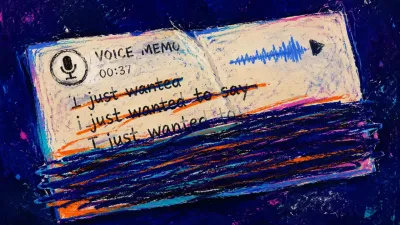
At 9:41, on the westbound streetcar, she opened the family group chat and deleted three increasingly long replies. “Why can I say it perfectly afterward and not at the table?” she asked me.
“You did not have no response,” I said. “You had too many consequences attached to every response. Let’s make a map of the moment before silence becomes delayed anger. The aim is clarity, not a verdict about you or your family.”

Choosing a Map Shaped Like the Table
I invited Maya to feel both feet on the floor and take one unforced breath while I shuffled. I use this pause as a transition into focused attention, not as a mystical test.
I chose the five-card Relationship Spread · Context Edition. I use this spread for family conflict because it can trace a compact sequence: the visible symptom, the interactional climate, the fear beneath it, the capacity that needs practice, and a usable next step. A larger spread would have added complexity without improving the question.
I placed two cards opposite each other, one at the centre, one below, and one above. The arrangement resembled a dinner table viewed from overhead. The first position would show Maya’s silence; the second, the cross-talk she experienced; the centre, the belonging fear; the lower card, her transformation task; and the upper card, the language available to her.

Reading the Family Conflict Pattern in Context
Position 1: The Voice Waiting for Permission
I turned over the card representing Maya’s present symptom: the Eight of Swords, upright. I pointed to the loose bindings and the incomplete enclosure of swords. The figure was restricted, but not without movement.
I connected it to Maya sitting at dinner with several possible replies, rejecting each as too emotional, disruptive, or incomplete. It was like having a message ready in Slack but treating Send as though it required approval from everyone in the channel. The card showed blocked Air: thought becoming self-surveillance instead of speech.
“Not that sentence,” I said, giving voice to the loop. “That will make it worse. Not that one either.” Then I asked, “What could you still say if you stopped trying to control everyone’s reaction?”
Maya gave a short, bitter laugh. “That’s so accurate it’s almost cruel.” Her fingers tightened around her mug, then released. I let the recognition settle without turning it into blame.
Position 2: When Everyone Unmutes at Once
I opened the card representing the relational trigger: the Five of Wands, upright. Maya described exactly its modern scene: a live group thread with no moderator, where several people interrupt, answer for one another, and move on before she finds a clean opening. She compared the atmosphere to a quieter version of the family dinner in The Bear episode “Fishes.”
I read the card as an excess of uncoordinated Fire, not proof that one relative was the villain. A messy conversation can still activate Maya without revealing anyone else’s fixed intentions. Silence can keep a dinner quiet without keeping the relationship honest.
Position 3: The Warm Window and the Fear Outside It
I turned over the card representing the mechanism root: the Five of Pentacles, upright. Two figures crossed the snow outside an illuminated window. I asked Maya what disagreement meant in the private logic of that dining room.
“If I make it uncomfortable, will I still belong here?” she said softly.
The visible event was interruption. Her nervous system translated it into possible exclusion: being labelled difficult, disrupting the room, or losing secure membership. This was contracted Earth, making one awkward moment carry the weight of permanent exile. I was careful to distinguish fear from prediction. The card did not say her family would reject her; it showed why speaking could feel dangerous before any outcome occurred.
When Strength Met the Anger Before It Shouted
Position 4: An Open Hand at the Lion’s Mouth
The room grew quiet as I revealed the transformation task: Strength, upright. I showed Maya the woman’s open hands resting at the lion’s jaws. The mouth was neither sealed nor permitted to take over. This was balanced Fire: courage expressed through contact, patience, and embodied choice.
I brought her back to the streetcar. Dinner was technically over, but her body was still at the table: jaw tight, phone warm, three deleted drafts gathering into one furious message that needed to explain everything.
You do not have to cage anger until it takes over; meet it early with steady courage, as the woman in Strength meets the lion with an open hand.
I paused.
Your anger is not proof that you waited too long to be reasonable; it may be the boundary that waited too long for language.
I watched Maya’s breath stop first. Her fingers hovered above the table, then her gaze lost focus as though she were replaying the dinner frame by frame. Her eyes reddened, but the first emotion in her voice was resistance. “But doesn’t that mean I’ve handled all of this wrong?”
“No,” I said. “It means silence was once your best available way to protect connection. Now you’re examining its cost.”
I used my Inherited Belief Stratigraphy lens, an approach I developed from years of separating historical layers on archaeological sites. I asked which belief was authentically hers and which felt older than the current conversation. Maya named both: “I value staying connected” and “If I challenge the table, I embarrass everyone.” I did not treat the second statement as proven family history. I treated it as a layer worth testing rather than obeying automatically.
I asked, “With this new perspective, was there a moment last week that could have felt different?” Maya returned to the career question. After a long exhale, she said, “I could have said, ‘That feels too personal for the table.’” Her shoulders lowered; then she sat very still, briefly unsettled by the responsibility inside that clarity. I saw the first movement from hypervigilant self-silencing and delayed rage toward embodied awareness and concise boundary-setting.
Position 5: The Clear Sword and the Open Hand
I turned over the integration action: the Queen of Swords, upright. Her upright sword selected one relevant message; her extended hand remained available for dialogue. This was Air restored to balance.
I offered two examples: “I want to finish my point,” and, “I’m not discussing that tonight.” Maya did not need a four-minute voice note carrying every previous dinner. She could state the current boundary and decide whether further conversation was useful. You do not need the whole case file; you need the next clear sentence.
Excavating a Path from Jaw to Word
I read the spread as one coherent sequence. Self-editing trapped Maya’s voice; cross-talk raised the temperature; fear of exclusion gave ordinary friction disproportionate weight; Strength turned anger into early information; and the Queen of Swords gave that information concise language. The blind spot was the belief that imperfect speech was unsafe and that disagreement automatically threatened belonging. The direction was smaller and more practical: one feeling, request, or limit before the backlog took over.
I gave Maya three experiments, not obligations. I made clear that she could pause, leave, text later, or stop entirely if the setting felt unsafe or overwhelming.
- The Lineage Artifact Review Ten minutes before the next dinner, create two Notes columns: “Preserve” and “Bury.” Preserve the value of connection; bury any rule requiring silence as its price. Add: “I want to finish my point” and “That question feels too personal for the table.” Treat inherited rules as artefacts to evaluate, not commands you must keep.
- The One-Sentence-Earlier Practice During one low-stakes conversation, notice the first jaw, chest, or abdomen cue. Put both feet down, take one slower exhale, and name one feeling, request, or limit before adding context. If words do not come, noticing the body cue still counts as the full practice.
- The Three-Line Debrief Within ten minutes of leaving, set a five-minute timer and write: “What happened,” “What I felt,” and “What I needed.” Keep each answer to one sentence and underline the shortest usable boundary. This is rehearsal, not an obligation to confront anyone or send the note.

A Week Later, the Quiet Proof
Six days later, I received a short message from Maya. At a lower-stakes lunch, someone interrupted her and she felt the familiar jaw clench. She put down her fork and said, “Hang on, I want to finish this thought.” The table went briefly awkward. Then she finished.
That night she slept through without recording a voice note. Her first thought the next morning was still, “What if I made it weird?” This time, she told me, she smiled before getting out of bed.
I did not regard that lunch as proof that every family conversation would now go smoothly. I regarded it as evidence that Maya, not the cards, had created another option. The five-card Relationship Spread had made the pattern visible; she supplied the breath, the boundary, and the decision to speak.
When everyone else keeps talking and your jaw locks around the sentence that might change the room, the hardest part is rarely having no words. It is fearing that those words could cost your place at the table. Noticing that fear already places an open hand between silence and explosion.
If one honest sentence did not have to decide the future of the whole relationship, what small truth might you let yourself name next time?
This story is adapted from psychological research, written so that those in a similar struggle can see their own pattern in it — and find their next step clearly.These insights are not a substitute for professional psychological, medical, legal, or financial advice.
Learn more about our Journey to Clarity.
How did this insight land for you?
🫂 This Resonates Deeply
🌀 Living This Story
✨ Now I See Clearly
🌱 Seeing New Possibilities
🧰 Useful Framework
🔮 The Confirmation I Needed
💪 Feeling Empowered
🚀 Ready for My Next Step
Author Profile
 AI
AI“Having spent a lifetime at Cambridge and on archaeological digs, I’ve witnessed the rise and fall of countless civilizations. Please know that your current struggles are not a permanent fate, but merely a necessary fracture before rebuilding. I won't lecture you; instead, I invite you to sit with me in the ruins, using a patient, historical perspective to gently dust off the true, enduring value hidden beneath your temporary doubts.”
In this Family Tarot Reading :
Core Expertise
- Generational Trauma Excavation: Tracing the origins of toxic family behavioral loops across multiple generations to remove your personal blame.
- Inherited Belief Stratigraphy: Separating your authentic values from the obsolete, fear-based dogmas passed down by your ancestors.
Service Features
- The Lineage Artifact Review: An intellectual exercise to objectively decide which family traditions/beliefs to consciously preserve, and which to permanently bury.
Also specializes in :
Explore Related Patterns:
Conflict AvoidanceMaya wanted to correct the assumption about her career, but her body predicted a scene and she chose the answer least likely to interrupt the dinner. That choice solved an immediate problem: it prevented visible disagreement and allowed the table to keep moving without an awkward confrontation. When you organise your response around preventing conflict, immediate quiet can feel like evidence that the strategy worked. Yet the disagreement remains unresolved, and you are left carrying both the original boundary and the effort required to hide it. Conflict Avoidance explains why the dinner stays calm while your internal pressure continues rising after you leave.
Emotional FloodingBy the time Maya reached the streetcar, dinner was over but her jaw was still tight and three deleted replies had grown progressively longer. The original need was relatively specific: correct the assumption, finish her point, or limit the question. Without early expression, that signal expanded into one furious message that seemed responsible for explaining everything. When you contain anger until the immediate interaction ends, the emotion may lose its original scale and arrive as an all-at-once surge. The later intensity is not evidence that the boundary was unreasonable; it reflects how long the boundary went without language. Emotional Flooding captures the shift from manageable information in the moment to an urgent backlog that feels difficult to organise afterward.
Family Role RegressionMaya could present a polished launch deck at work, yet family questioning reduced her to one-word answers while someone else spoke for her. The contrast shows that her capacity for clear speech was intact; what changed was the relational setting and the role that became available to her inside it. When a family environment reactivates an older rule such as "challenging the table embarrasses everyone," you may temporarily lose access to abilities you use easily elsewhere. Your present-day competence becomes organised around a familiar role that prioritises group comfort over self-definition. Family Role Regression explains why the silence can feel automatic at dinner without representing who you are in every context.
Perfectionism-Driven AvoidanceAt the table, Maya rejected one possible reply after another because each seemed too emotional, too disruptive, or too incomplete. She could produce the polished answer afterward, but not while other people were talking, reacting, and potentially judging the sentence in real time. When you require speech to be complete, calm, and consequence-proof before you say it, self-expression becomes an impossible performance task. Avoidance then feels rational because waiting appears safer than delivering an imperfect sentence. Perfectionism-Driven Avoidance captures how the search for the ideal response blocks the smaller, usable response that the moment actually needs.
Self-SilencingWhen Maya's career was questioned and another relative began answering for her, she had several responses available but looked down and reduced them to "Work's fine." The silence was not an absence of thought. It was an active filtering process that removed any sentence likely to sound emotional, disruptive, or insufficiently polished. When you use silence to preserve connection, your immediate social risk decreases because your position never fully enters the room. The cost is that the boundary does not disappear with the words; it remains active in the body and returns later as anger, drafting, and the need to explain everything at once. Self-Silencing names that repeated exchange of present honesty for short-term relational calm.
Freeze ResponseWhen the career question landed and another person began answering, Maya felt heat rise, locked her jaw, clenched her abdomen, looked down, and produced only "Work's fine." She did not lack a response; the number of anticipated consequences attached to each response overwhelmed her ability to select and deliver one in real time. When your system predicts that speaking could trigger conflict, judgment, or exclusion, it may compress many possible actions into stillness and minimal speech. The fuller response often becomes available only after the social pressure has passed. Freeze Response names that action shutdown, helping separate an automatic protective reaction from the inaccurate conclusion that you simply failed to speak.
Rejection SensitivityMaya encountered interruption and cross-talk, but her private interpretation moved quickly toward being labelled difficult, disrupting the room, or losing her place in the family. The external event was an awkward conversation; internally, it carried the possible consequence of exclusion. When you are highly alert to rejection, a brief disagreement can feel less like one uncomfortable moment and more like a test of whether you still belong. That forecast makes silence appear protective before anyone has actually rejected you. Rejection Sensitivity explains why an ordinary boundary can feel disproportionately dangerous and why the relief of staying quiet is followed by anger at having abandoned your own position.
Post-Event RuminationAt 9:41 on the streetcar, Maya drafted and deleted three increasingly long replies, asking why she could say everything perfectly afterward but not at the table. Even after successfully finishing her point at lunch, her mind returned the next morning to whether she had made the interaction weird. When you replay an encounter after the pressure has passed, you gain access to language that was unavailable during the live moment. The same replay can also keep you inside the interaction, repeatedly testing alternative sentences and searching for certainty about how others perceived you. Post-Event Rumination explains why the dinner follows you home even when no further conversation is taking place.
Boundary DiscernmentMaya separated two ideas that had previously been fused: she genuinely valued staying connected, but she did not have to preserve that connection by accepting every question or interruption. Her sentences, "That feels too personal for the table" and "I want to finish this thought," identified the immediate limit without turning it into a judgment of the entire family. When you can distinguish a relationship from the specific behaviour you are declining, a boundary no longer has to mean withdrawal or rejection. You can protect your participation while remaining available for dialogue. Boundary Discernment is visible here as the ability to decide what belongs to you, what belongs to the room, and what you are willing to discuss right now.
Explore Related Struggles:
Anger-Truth FusionOn the streetcar, Maya deletes increasingly long replies until the unsaid boundary has become one furious message that needs to explain everything. The truth was present at dinner, but it remained unavailable in speech until anger had enough force to carry it. You may recognize Anger-Truth Fusion when a limit feels speakable only after pressure has turned it into a case, a backlog, or an explosion. Anger then becomes both the messenger and the delivery system, making honest expression feel more dangerous than it needed to be. A shorter sentence spoken earlier allows the truth to stand on its own without requiring rage to authorize it.
Voice-Safety FusionAt the dinner table, Maya has words ready, but a career question, an interruption, and the prospect of a scene turn speaking into a decision about whether she will still have a secure place in the room. The sentence is not blocked by a lack of thought; it carries the anticipated cost of being labelled difficult, disrupting the meal, or changing how the family sees her. You can recognize Voice-Safety Fusion when your voice feels available in private but dangerous inside the live relationship. Staying quiet protects connection in the moment, while every unsaid boundary leaves you less represented within that connection. Seeing this merger clearly allows one honest sentence to become an act of participation rather than a verdict on the relationship.
All-or-Nothing BelongingWhen Maya asks whether she will still belong if she makes dinner uncomfortable, one awkward exchange is made to carry the weight of permanent exclusion. Even after she calmly finishes a thought at lunch, the first question that returns is whether she made the room weird. You can become locked into All-or-Nothing Belonging when ordinary friction feels like a referendum on your membership. That structure leaves only two apparent options: preserve complete comfort by disappearing, or speak and risk losing your place. Separating temporary awkwardness from relational exile restores the missing middle ground where disagreement and continued connection can coexist.
Emotional Containment StrainMaya's jaw locks and her abdomen clenches while she says "Work's fine," then the held response expands into three longer drafts on the streetcar. Her body keeps carrying the exchange after dinner because the reaction was contained without being translated into a usable limit. You can feel this strain when keeping the moment manageable requires your body to store what your voice did not release. The issue is not that anger exists; regulation has become one-sided, with pressure absorbed in real time and processed only when you are alone. Noticing the first physical cue creates a point of choice before containment becomes a backlog.
Self-Editing ExhaustionMaya runs several possible replies through an internal filter and rejects each as too emotional, disruptive, or incomplete; later she deletes three increasingly long versions in the group chat. The labor of managing every possible reaction consumes the same bandwidth she needs to speak. You can enter Self-Editing Exhaustion when a live response must satisfy too many conditions before it is allowed out. The more carefully you try to prevent misunderstanding, conflict, or disapproval, the less usable your language becomes in the moment. Choosing one current feeling, request, or limit reduces the impossible job of controlling the whole room's response.
Expression-Reception GapSeveral conversations overlap, a relative answers before Maya can, and the table moves on while her response is still forming. She is not empty of language; the room offers a narrow and unstable channel for that language to land. You may become silent when what you can express and what the relationship can receive are badly out of sync. The gap does not make your words invalid, but it can pressure you to wait for a perfect opening, leaving the real message to surface only after the audience is gone. Maya's later request to finish her thought shows that reception can sometimes be created with a clear interruption of the existing rhythm.
Explore Related Emotions:
Conditional Belonging FearMaya softly asks whether making dinner uncomfortable would mean she still belongs there. A relative’s interruption is therefore not experienced as a small conversational problem; it becomes attached to being labelled difficult, embarrassing the table, or losing her secure place in it. When disagreement is internally priced as possible exclusion, one imperfect sentence can feel like a referendum on the entire relationship. You may protect membership by disappearing in the moment, even as the words that were withheld continue demanding recognition afterward. Conditional Belonging Fear is the psychological weather created when connection seems available only while you remain easy to accommodate. Naming that condition separates the value of staying connected from the belief that silence must be its admission price.
Permission AnxietySeveral replies are already available to Maya at dinner, but she rejects each one as too emotional, too disruptive, or too incomplete. Her mind treats speaking like pressing Send on a message that first requires approval from everyone who might react. That internal review process places other people’s comfort between you and your own voice. Instead of asking whether a sentence is honest and proportionate, you are pulled into predicting every consequence before allowing any words to leave. Permission Anxiety captures the tense sense that your response is not fully yours to authorize. The silence comes from too many imagined approval conditions, not from having nothing to say.
Protective AngerThe pressure behind Maya’s ribs rises whenever her words are interrupted or a question crosses into territory she does not want to discuss. At the later lunch, the familiar jaw clench arrives again, but this time she puts down her fork and asks to finish her thought. Received early, that physical heat carries information about where your conversational space has been crossed. You do not have to treat the signal as evidence that you are unreasonable, nor wait until it has accumulated enough force to explain every previous dinner. Protective Anger is the feeling of an internal boundary becoming visible. Its useful direction is concise and present-focused: one request, one limit, or one correction that protects your place in the exchange while leaving you free to decide how much further dialogue is worthwhile.
Suppressed RageAt dinner, Maya’s face heats, her jaw locks, and her abdomen clenches while only “Work’s fine” reaches the table. On the streetcar, the conversation is technically over, but three increasingly long replies are still being written and deleted. When every available sentence is screened for its potential to disrupt the room, expression stops while the body’s activation continues. You can appear quiet to everyone else while internally carrying an expanding backlog of objections, corrections, and limits. Suppressed Rage names that sealed pressure: anger denied a timely route into language, held beyond the original interaction, and intensified until it seems to require far more force than the first boundary would have needed.
Voice Erasure DreadSomeone begins answering the career question before Maya can answer it herself. With two conversations overlapping and no clean opening, she looks down at her plate and compresses everything she knows about her own work into “Work’s fine.” Being spoken for can make participation feel like a race you have already lost. You still possess a full account of yourself, but the interaction gives you the felt impression that your perspective can be overwritten before it becomes audible. Voice Erasure Dread names the inner threat of disappearing inside a crowded relationship. It explains why silence can coexist with intense internal speech: the words are present, while confidence that the room will hold them is not.
Conflict HangoverAt 9:41 on the westbound streetcar, dinner is over but Maya’s jaw is still tight and her phone holds three deleted replies. After the later lunch, a much smaller awkward pause also follows her into the next morning as the question, “What if I made it weird?” An interaction can end externally while remaining unfinished in your body and attention. The mind keeps reconstructing the exchange, searching for the sentence that would have secured both honesty and connection without producing any discomfort. Conflict Hangover is that prolonged emotional residue: the room has been left, yet its pressure, missing words, and possible consequences continue travelling with you. It helps explain why the later reaction feels larger than the dinner’s visible surface.
Regulated CourageAt the lower-stakes lunch, Maya feels the same jaw clench, puts down her fork, and says, “Hang on, I want to finish this thought.” The table becomes briefly awkward, and she finishes anyway. Her body does not need to become perfectly calm before she speaks. You can remain in contact with activation, choose a proportionate sentence, and tolerate a few uncomfortable seconds without either abandoning your point or making the intensity carry the entire conversation. Regulated Courage is the steady willingness present in that sequence. It holds firmness and contact together, allowing your voice to enter while the outcome is still uncertain and while other people remain free to have reactions you cannot control.
Relational ClaustrophobiaPepper hangs in the warm air while cutlery taps, a chair scrapes, two conversations overlap, and someone answers the career question for Maya. The table is physically intimate, yet the interaction offers almost no clear interval in which her own sentence can breathe. Crowded relational space can make you feel trapped between interruption and escalation. You have words, but using them seems to require forcing open a gap while simultaneously managing how everyone else will respond to your presence in it. Relational Claustrophobia captures that airless inner atmosphere. It is not a lack of closeness; it is closeness without enough psychological room to remain distinct, speak at your own pace, or decline a question without fearing that the whole room will contract around the choice.
Cautious Self-TrustMaya finishes her thought through the lunch table’s brief awkwardness, then sleeps without recording the voice note that usually carries the unsaid backlog. The next morning, “What if I made it weird?” still appears, but she smiles before getting out of bed. Trust in your own voice does not have to arrive as total certainty or the disappearance of second thoughts. It can begin as a willingness to treat one completed sentence, one survivable pause, and one quieter night as evidence that you can respond differently. Cautious Self-Trust describes that tentative internal shift. You are not claiming that every family conversation will go smoothly; you are recognising that your physical cues and concise words can guide a choice without requiring universal approval first.
Explore Related Contexts:
Adult Voice ErosionMaya can present a polished launch deck at work, but at dinner she is interrupted, answered for, and reduced to "Work's fine." Her communication ability remains intact; what changes is the amount of authority and uninterrupted space the family interaction gives her adult voice. Repeated cross-talk redistributes speaking power toward whoever enters fastest or speaks over the gap. When your full response appears only later in deleted drafts, the problem is not a lack of language but a social setting that repeatedly narrows your usable voice. Seeing that distinction helps you assess where a speaking turn needs protection instead of treating silence as a personal defect.
Family Boundary CreepA relative turns Maya's career direction into a dinner-table question, and another person begins supplying the answer before she can decide how much she wants to disclose. A personal choice is therefore widened into group business without a clear agreement about topic limits or who has the right to answer. That boundary creep helps explain why a seemingly ordinary question can generate a disproportionate backlog of unsaid responses. When your privacy limit has not yet entered the conversation, you are forced to manage the topic, the audience, and the likely disruption at the same time. Naming the boundary early can return the decision about access to you without requiring a verdict on the entire family relationship.
Kitchen Table TribunalAt 7:46 on Sunday evening, a relative questions whether Maya's job is "actually going anywhere," someone else starts answering for her, and overlapping conversations close the available opening. The dinner table functions as a group review of her choices without providing a reliable turn in which she can represent herself. When you face that structure, silence is not evidence that you had nothing to say. It reflects a setting where scrutiny is collective, speaking access is unstable, and every response appears capable of widening the proceedings. Identifying the tribunal-like format lets you separate the quality of your answer from the conditions under which you were expected to deliver it.