Is This Habit Really You?
Explore how habits become identity verdicts, with related tarot cards and tarot reading insights that map the loop clearly.

Habit-identity Fusion
What does this feel like?
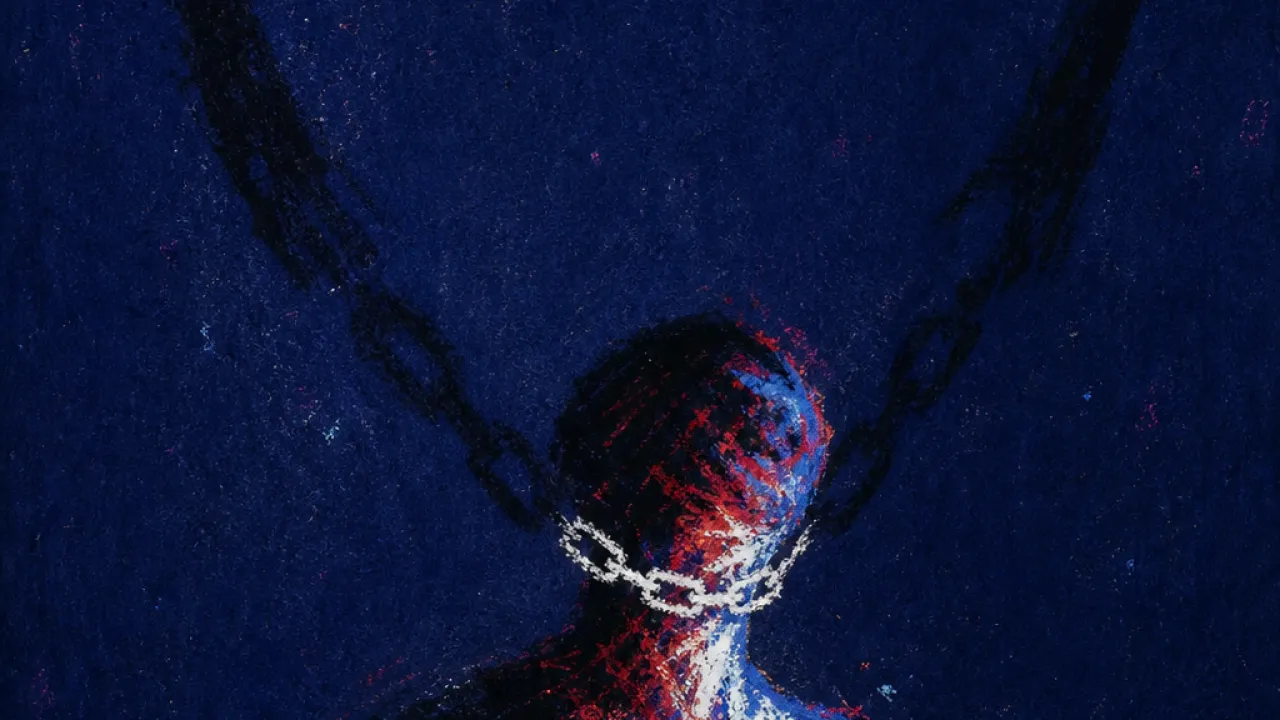
Habit-Identity Fusion is the moment you catch yourself looking at a messy room, a broken sleep schedule, an abandoned plan, or another hour lost to your phone and hear an inner voice say, 'This is just who I am.' It usually starts small: the laundry on the chair, the unread messages, the streak you broke, the notebook you bought with full intentions and stopped opening after three days. Your body reacts before you can argue with it; your shoulders sink, your stomach tightens, your face gets hot, and the air around you feels charged with evidence. You try to talk yourself into a reset, but even the word reset feels loaded, because changing the habit no longer feels like changing a routine; it feels like threatening the familiar outline of yourself. Part of you wants to be different, and another part clings to the old loop because at least it is recognizable. You may even dislike the pattern and still feel strangely exposed without it, as if the late nights, the avoidance, the clutter, the last-minute pressure, or the constant scrolling have become proof of a character you are supposed to accept. The hardest part is not the habit itself; it is the quiet way repetition turns into identity evidence, until every slip feels like a verdict and every attempt to change feels like stepping out of a body you have learned to inhabit. You are not only asking, 'How do I stop doing this?' You are asking, 'Who am I if I stop?' And that is why the loop feels so sticky, much like the figures on The Devil, wearing loose chains they could lift while their horns and tails show how long the shape of the restraint has been mistaken for the shape of the self.
What's pulling at you?
You are caught between wanting to change the routine and fearing that changing it will erase a version of you that, however frustrating, still feels familiar. The habit has stopped being a tool, a coping route, or a bad week pattern; it has started acting like a name tag. That is why a small slip can feel so big: it seems to say something about who you are, not just what happened today.
How It Shows Up?
- You look around your room on a Sunday afternoon and see laundry on the chair, mugs on the desk, tabs still open from something you meant to finish days ago. Your chest tightens before you even move, and your mouth goes dry because the room does not just look messy; it feels like it is testifying about you. The objects sit there like a loose chain you keep mistaking for part of your body. You can name the room as a current state without letting it become a full verdict on who you are.
- You miss one morning routine and the whole day feels slightly contaminated, like the version of you who had it together disappeared before breakfast. Your shoulders creep up, your stomach pulls inward, and you move through the next few hours with a strange all-or-nothing pressure, as if one broken streak has rewritten the whole script. The loop feels tighter than the habit itself. A missed repetition can stay small, even when your body reads it as huge.
- A friend casually says, 'You're always like this,' after you show up late or cancel plans, and you laugh because the moment is supposed to be light. Under the laugh, your throat closes and your face gets hot, because part of you hears the sentence as confirmation rather than banter. You start editing yourself in real time, trying not to prove the label any further. It is allowed to pause before accepting someone else's shorthand as your whole shape.
- You sit down to study or work, open the document, then immediately check your phone, then another tab, then the fridge, then back to the blank page. Your fingers feel restless, your jaw locks, and there is a dull pressure behind your eyes as the old route starts running by itself. What began as avoidance now feels like evidence that you are 'just not disciplined,' a collar loose enough to lift but familiar enough to ignore. You can describe the loop without making it your name.
- At 1:40 AM, you are still scrolling, not because anything is interesting, but because stopping would leave you alone with the version of yourself you are tired of meeting. Your eyes sting, your neck aches, and your thumb keeps moving after your mind has gone flat. The screen light draws a small rectangle around you, and for a moment your body feels shaped by the pattern, like repetition has left marks on the outline. You do not have to solve the whole identity question tonight; noticing the edge of the loop is enough for this minute.
Habit-identity Fusion in Tarot Cards
Habit-Identity Fusion lives in the moment when a repeated routine stops feeling like something you do and starts sounding like proof of who you are. You can feel it in the tight throat after a casual label, the locked jaw before a blank document, or the chest pressure that turns a messy room into a verdict. From an existential perspective, the structural framework here is about a habit becoming fused with self-recognition. The Tarot Cards below make that outline visible without turning it into a final answer.
Habit-identity Fusion in Tarot Card Reading Insights
When Habit-Identity Fusion makes one missed habit, messy room, or screen spiral feel like an identity verdict, people often bring that exact knot into readings. The focus shifts from the cards themselves to what comes up when others pull around this same loop. Tarot Reading Insights from related sessions are gathered below.

One Blank SQL Query Shifted Progress From Streaks to Evidence
Topic:Personal Growth Tarot Reading
Pattern:External Validation
Context:Insight Integration Window
Two Rough Files in Six Days: Putting Skill Practice Before App Streaks
Topic:Lifestyle Tarot Reading
Struggle:Knowledge-Output Gap
Pausing the Inbox Check: From Overplanning Toward Self-Trust
Topic:Lifestyle Tarot Reading
Struggle:Habit-Identity Fusion
Context:Self-Help Content Spiral

An Unanswered Group Chat Turned Into a Three-Option Gallery Poll
Topic:Social Tarot Reading
Struggle:Routine Freefall
Context:Social Circle Reset
Fresh-Start Anxiety: Old Feedback, One Slack Question, New Evidence
Topic:Personal Growth Tarot Reading
Struggle:Habit-Identity Fusion
Context:First 30 Days Trial
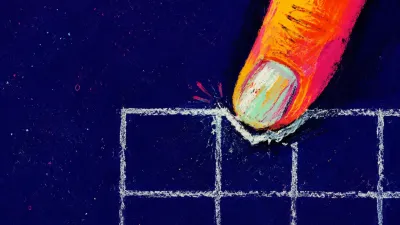
Habit Tracker Guilt After One Miss—and Returning Without Redesign
Topic:Introspection Tarot Reading
Struggle:Grade-Identity Fusion
Context:Wellness Optimization Trap
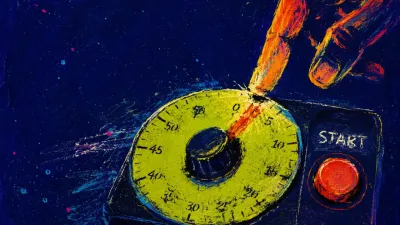
The "0 Days" Screen—And the Re-entry Rep After a Study Streak Reset
Topic:Study Tarot Reading
Struggle:Permission Paralysis
Context:Study Aesthetic Trap