Always Being Looked At

A grounded look at constant body scrutiny, related tarot cards, and tarot reading insights from people facing the same pressure.

Body Surveillance Culture
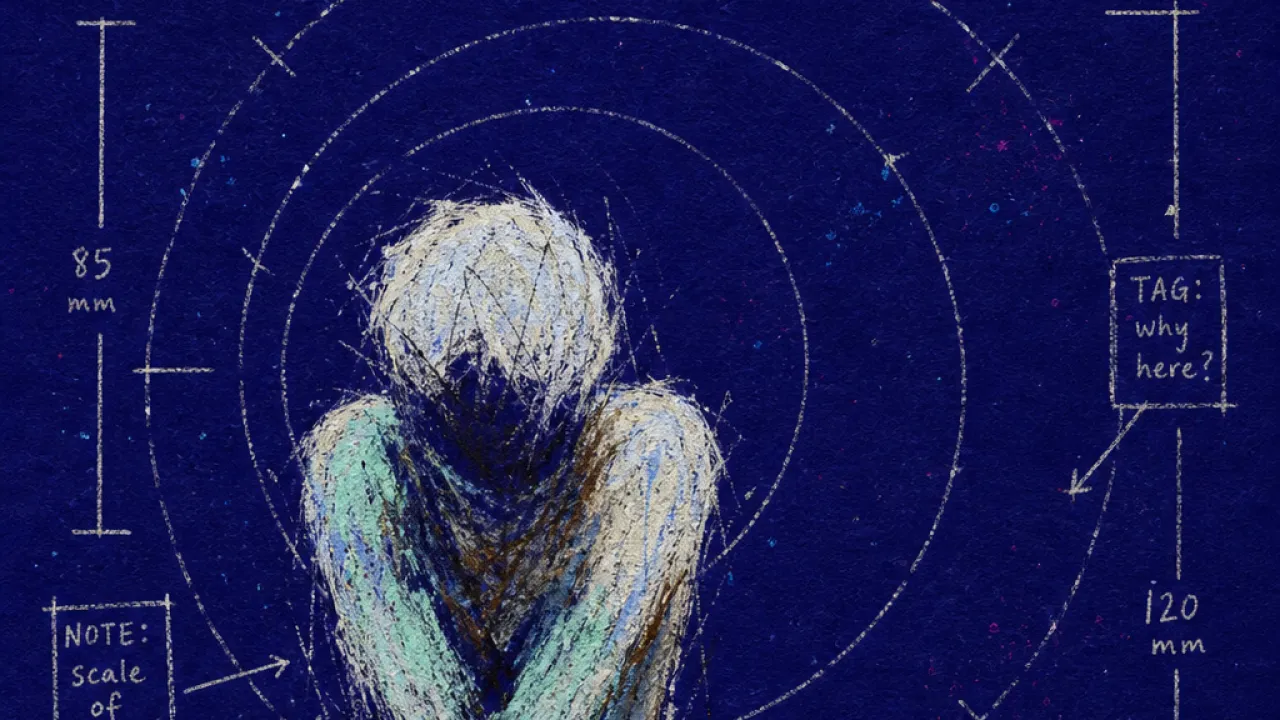
A solitary figure framed by camera lenses, sizing marks, and comment tags pressing inward around the body

What is this situation?

Body Surveillance Culture — you step into a room, open an app, join a video call, or pass a storefront window, and your body is treated like something available for review. A friend lifts their phone for a group photo and everyone starts adjusting: chin down, waist angled, jacket pulled tighter, one person asking for another take because the first one is “bad.” On your feed, strangers rank outfits, comment on weight changes, praise “discipline,” joke about “letting yourself go,” and turn gym clips, meal photos, dating profiles, and airport mirror selfies into tiny public audits. At work or school, casual remarks land in passing: “You look tired,” “You’ve lost weight,” “That outfit is brave,” “Are you really eating that?” No one has to say anything cruel for the pressure to work; the camera, the algorithm, the mirror, the sizing chart, the tagged photo, and the casual glance all keep pulling your attention back to the surface of your own body. You begin planning your day around visibility: what can be photographed, what can be hidden, which seat avoids harsh lighting, which clothes can survive being looked at, which post might invite comments you did not ask for. The cost is not vanity; it is the steady loss of privacy inside your own skin, much like the figure on the Eight of Swords, bound in place while sharp edges surround the body from every side.

Why it's not you?

The problem is not that you are too focused on appearance; the problem is that the environment keeps turning appearance into public information. Comments, cameras, rankings, sizing systems, and algorithmic comparison create a culture where the body is treated as open for inspection. That pressure belongs to the culture around you, not to some personal failure inside you.

Body Surveillance Culture in Tarot Cards

Body Surveillance Culture turns ordinary rooms, feeds, and conversations into places where your body is constantly measured before you can simply exist. The raised shoulders before a photo, the stomach check before a message back, and the scan for who is looking are not random reactions; they come from an environmental, structural dynamic that keeps making the body visible as data, proof, or performance. The cards below do not judge how you look or tell you what to fix; they reflect the outline of that pressure. These are the Tarot Cards that often mirror this kind of external scrutiny.

The Devil
Upright
The horned figure on a pedestal, the raised torch, and the two nude people held by loose chains picture a relationship of unequal visibility. In body surveillance culture, the feed, the group photo, and the comment thread can occupy that elevated position by making bodies appear permanently open to review. You may feel pulled to monitor yourself even when no one is actively commenting because the system rewards looking, ranking, and being seen. The looseness of the chains matters: the card exposes the public-audit arrangement as a structure that can be recognized, rather than a natural obligation of social life.
The Moon
Upright
The Moon's face looks down over a dog, a wolf, a crayfish, and a path running between two towers. Its shifting light does not offer a stable reading, which mirrors how screens, comments, and remembered glances can make every reflection feel like incomplete evidence under review. You may replay a passing remark long after the social moment has ended because the cultural signal has entered your private attention. The card helps separate the immediate visual cue from the broader system that trained it to feel like a verdict.
Judgement
Reversed
An angel's trumpet summons nude adults and a child upward from open coffins, while mountains hold the scene at a distance. Reversed, the same public call can resemble a body culture that keeps broadcasting standards and asking people to answer with visible proof. You may find that a number, image, comment, or clothing size starts functioning like a final grade rather than a limited piece of information. The card identifies the bottleneck in the evaluation system itself: external standards have been given authority over the terms by which the body is interpreted.
Eight of Swords
Upright
Blindfolded among eight swords, the figure stands visibly constrained while the route ahead is hard to assess. On a video call or in an appearance-conscious workplace, the camera frame, dress expectation, and casual body remark can create a comparable professional enclosure. You may spend work attention on posture, lighting, clothing, or whether lunch will be noticed before you can focus on the actual role. The card makes that diversion legible as a workplace condition with real opportunity costs, rather than an individual lack of confidence.
Page of Swords
Upright
Standing on a ridge with a raised sword, the Page turns his head into the wind while the sky stays busy around him. That alert, scanning posture mirrors the social attention behind zoomed-in pictures, speculation about changes, and comments that treat a body as available evidence. You may notice that even apparently curious questions have a monitoring quality when they repeatedly return to your appearance. The card helps name the difference between mutual attention and surveillance: one recognizes a person, while the other searches them for reviewable detail.
Six of Wands
Reversed
The laurel-crowned rider, upright wand, horse, and following crowd form a public procession built around being seen. Reversed, that same display can lose its feeling of recognition and reveal the unstable bargain underneath approval based on appearance. You may receive a compliment about weight, youthfulness, fitness, or an outfit and still feel newly exposed rather than supported. The card locates that discomfort in the social scoreboard itself, where being praised today can also mean being watched for change tomorrow.
Seven of Wands
Upright
On higher ground, the figure raises one wand while six others press upward from below. The spatial imbalance captures the moment when a friend group treats body commentary, photo retakes, or comparison talk as normal and one person has to hold a different line. You may feel outnumbered even in a close circle when the group's humor or habits keep returning to weight, food, and appearance. The card frames that tension as a real boundary issue within friendship, where privacy and belonging are being negotiated at the same time.
Ten of Wands
Upright
Bent forward under ten long wands, the figure cannot see clearly ahead as he walks toward the town. The blocked sight and heavy load map onto the extra preparation involved in managing clothes, meals, photos, and posture before ordinary public activity. You may carry a second shift of appearance management through a day that already has enough practical demands. The card makes that load concrete: the exhaustion is not superficial when surveillance turns routine participation into continuous presentation work.

Body Surveillance Culture in Tarot Card Reading Insights

When Body Surveillance Culture has followed someone into photos, dating, clothes, meals, or everyday rooms, it can also show up in the questions they bring to a reading. The readings below shift from the card list into moments where people sat with that pressure and asked for clarity. Tarot Reading Insights from sessions touching this same kind of scrutiny.
Psychological Contexts Related to Body Surveillance Culture