Paid Like the Old Role?

A clear look at pay-and-scope mismatch, related tarot cards, and tarot reading insights from sessions on this workplace gap.

Compensation Alignment Gap
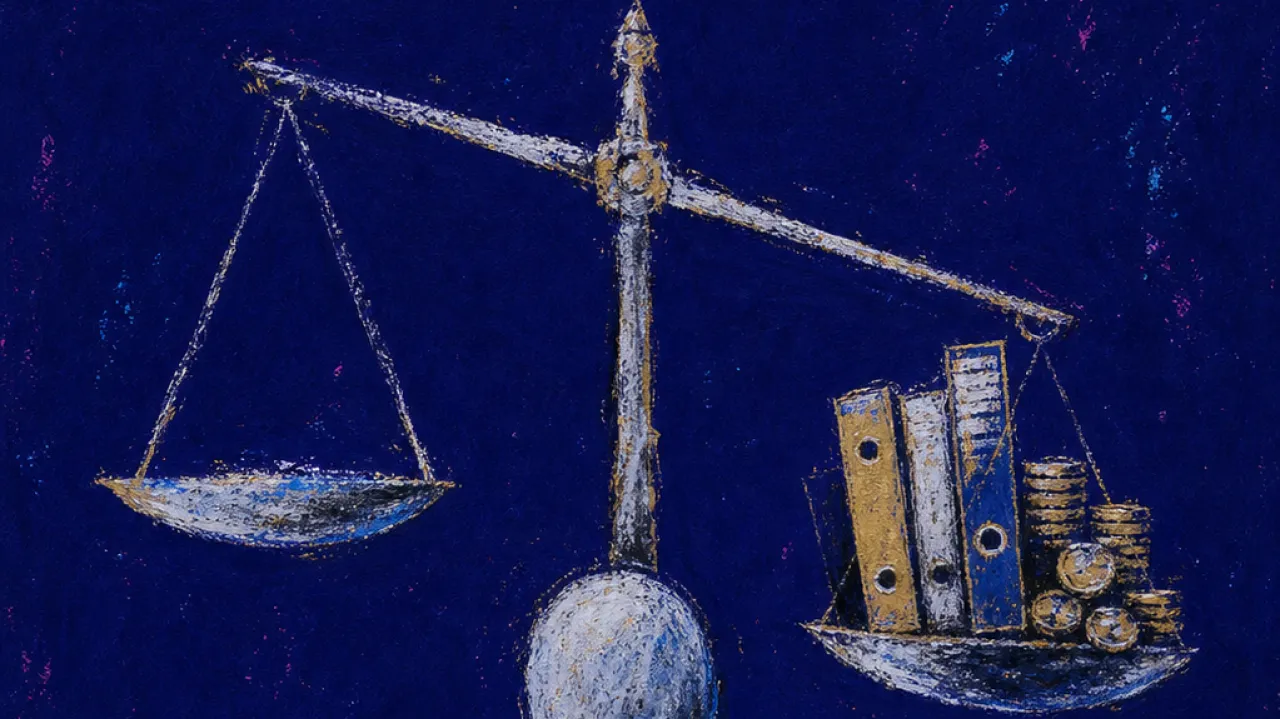
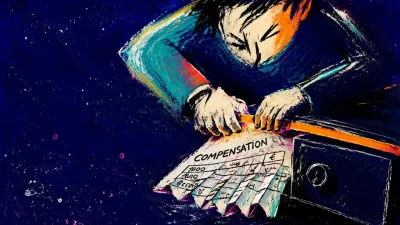
A solitary figure beneath uneven scales, shoulders tightened as unseen hands add files and coins above them

What is this situation?

Compensation Alignment Gap — you step into the role thinking the pay, title, and responsibilities will stay in some kind of reasonable relationship, and then the work quietly starts expanding faster than the paycheck does. At first it sounds temporary: cover this project, lead that call, train the new hire, take ownership until the team backfills, prove impact before the next review cycle. Months pass, and your calendar now looks like someone else's promotion while your salary still belongs to the old job description. You hear phrases like “budget constraints,” “we’ll revisit this next quarter,” “you’re on the radar,” or “the band is complicated,” while the actual work keeps landing on your desk without waiting for the compensation process to catch up. Maybe you find out a newer hire is making more, or a posted role with your responsibilities has a range you were never offered; maybe your manager agrees in private but says the decision has to move through HR, finance, leadership, or a calibration meeting you are not invited to. The imbalance follows you into ordinary work moments: your shoulders tighten before every comp-cycle check-in, your jaw locks when you update a performance doc no one seems to translate into pay, and even good feedback starts to feel like another receipt for value the company is willing to acknowledge but not price correctly. By the end, the issue is not whether you are working hard enough; it is that the people holding the scale also control the coins, much like the Six of Pentacles, where one standing figure measures what reaches the waiting hands.

Why it's not you?

The issue is not that you failed to prove your value; the issue is that the pay structure has not kept pace with the scope being taken from you. Opaque salary bands, delayed review cycles, title compression, and “no budget right now” language are external systems, not personal shortcomings. A Compensation Alignment Gap has a shape: more responsibility is moving toward you while matching compensation is being held somewhere else.

Compensation Alignment Gap in Tarot Cards

In a Compensation Alignment Gap, the pressure shows up in the moment your shoulders tighten before another comp-cycle meeting that turns your expanded scope into a polite delay. This is an environmental, structural dynamic: the company controls the bands, the review windows, the title rules, and the language around what counts as enough. The cards below do not decide what you should ask for or accept; they reflect the shape of that uneven exchange. Here are the Tarot Cards that tend to mirror this kind of situation.

Justice
Reversed
The seated authority, upright sword, balanced scales, and formal pillars depict an institution that claims to evaluate evidence through consistent rules. Reversed, those instruments remain present but lose credible alignment: performance is documented, responsibilities are visible, and praise is recorded, yet the salary decision is filtered through opaque bands, calibration meetings, and approval chains. You can therefore receive a positive assessment without receiving an equitable outcome. The inverted tribunal distinguishes good feedback from procedural fairness and shows how a compensation system can acknowledge your higher-level work while refusing to price it according to the same evidence.
The Hanged Man
Reversed
The suspended body, the single bound foot, and the halo around the inverted head depict a pause that was meant to have purpose and limits. In the reversed orientation, the suspension loses its developmental function: temporary coverage becomes permanent, the promised backfill never arrives, and compensation remains parked in a process with no reliable release point. You may be told that the next quarter, budget approval, or calibration meeting will restore alignment, even while the organisation continues using the expanded role in the present. The image identifies the central timing distortion: your labour is active, but the institution treats recognition and pay as indefinitely suspendable.
The Devil
Upright
The elevated central figure, the pedestal, and the chains around the two lower figures create a stark hierarchy organised around material leverage. The chains are visibly loose, yet the arrangement can persist because employment income, status, future references, and promised advancement make an unequal exchange feel difficult to interrupt. You may keep accepting higher-level work because each assignment appears connected to a future raise or promotion, while the organisation receives the benefit immediately and keeps the reward conditional. The image exposes how hope, dependency, and normalised overperformance can stabilise an underpaid role without proving that you freely agreed to its expanding terms.
Two of Pentacles
Reversed
The two pentacles caught inside an endless loop, the uneven ground beneath the juggler, and the ships rising and falling behind him turn workload management into a visibly unstable system. In the reversed orientation, the loop no longer reads as flexible coordination; it shows responsibilities multiplying beyond the capacity of the original role, schedule, and compensation package. You may still be completing the work, but your physical routine is subsidising the gap through compressed breaks, late finishes, fragmented attention, or constant task-switching. The image separates a personal organisation problem from a structural load problem: the calendar is failing because the employer keeps adding scope without adding time, authority, staffing, or pay.
Four of Pentacles
Reversed
The figure locks one pentacle against his chest, pins two beneath his feet, and balances another above his head while the productive city sits at a distance. Reversed, the tightly controlled arrangement becomes unstable financial gatekeeping: budget caution, band protection, and leadership approval are used to hold compensation in place even as more work is transferred outward. You encounter the organisation's scarcity story from the side that lacks access to the coins. The image reveals the structural contradiction between a company confident enough to assign expanded responsibility and a compensation system that becomes defensive when asked to price that responsibility accurately.
Six of Pentacles
Reversed
The standing figure holds the scales in one hand and controls the coins with the other while two people wait below for what he chooses to distribute. Reversed, the arrangement exposes compensation as a power system: the organisation controls the salary band, the evidence standard, the review timetable, and the amount released, while still receiving work that exceeds the employee's priced scope. You may have strong performance receipts and private managerial agreement, yet remain outside the room where value is converted into pay. The tilted exchange clarifies that the gap is not a failure to demonstrate contribution; it is an asymmetry in who can measure the work, authorise the money, and decide when the two will be aligned.
Seven of Pentacles
Reversed
The worker studies the pentacles grown from sustained cultivation, using the pause to compare labour invested with the return now visible. Reversed, the crop fails that comparison: documented impact, repeated stretch work, and successful delivery have accumulated, but the organisation's material valuation remains attached to the former job scope. You may be receiving proof that the work is good while also receiving proof that good work alone does not control compensation. The failed harvest exposes a career system that converts extra contribution into expectations faster than it converts that contribution into salary, title, or advancement.
Six of Wands
Reversed
The mounted figure, public procession, raised wand, and laurel wreath stage a visible moment of professional recognition. Reversed, the symbols fail to settle into durable status: praise, stretch assignments, and leadership visibility may be present, but the title and compensation associated with that recognition remain absent or unofficial. You can be treated as the person who leads while still being classified and paid as the person who assists. The inverted procession exposes the gap between recognition as workplace theatre and recognition as an enforceable change in level, authority, and salary.
Ten of Wands
Upright
The carrier's arms are filled with ten separate wands, his view is narrowed by their combined weight, and the destination still expects delivery. The scene mirrors a role assembled through incremental additions: cover the vacancy, lead the call, train the hire, own the project, and keep the original duties moving without a corresponding reset of title or pay. You can be highly capable and still be carrying an economically mispriced bundle. Because the upright image keeps the destination visible, it makes the accumulated scope available for objective inspection: the career issue is not whether the work can be completed, but why successful completion keeps authorising more load instead of triggering formal alignment.

Compensation Alignment Gap in Tarot Card Reading Insights

When a Compensation Alignment Gap follows someone into a reading, it often arrives with the same questions that came after the meeting, the spreadsheet, or the salary range someone finally saw. The readings below move from the card list into what surfaced when others brought this pay-and-scope mismatch into the session. Tarot Reading Insights from sessions on this situation.
Psychological Contexts Related to Compensation Alignment Gap