When Ease Starts Choosing

A grounded look at app-driven defaults, matching tarot cards, and reading insights from convenience-heavy routines.

Convenience Lifestyle Lock-in
What is this situation?

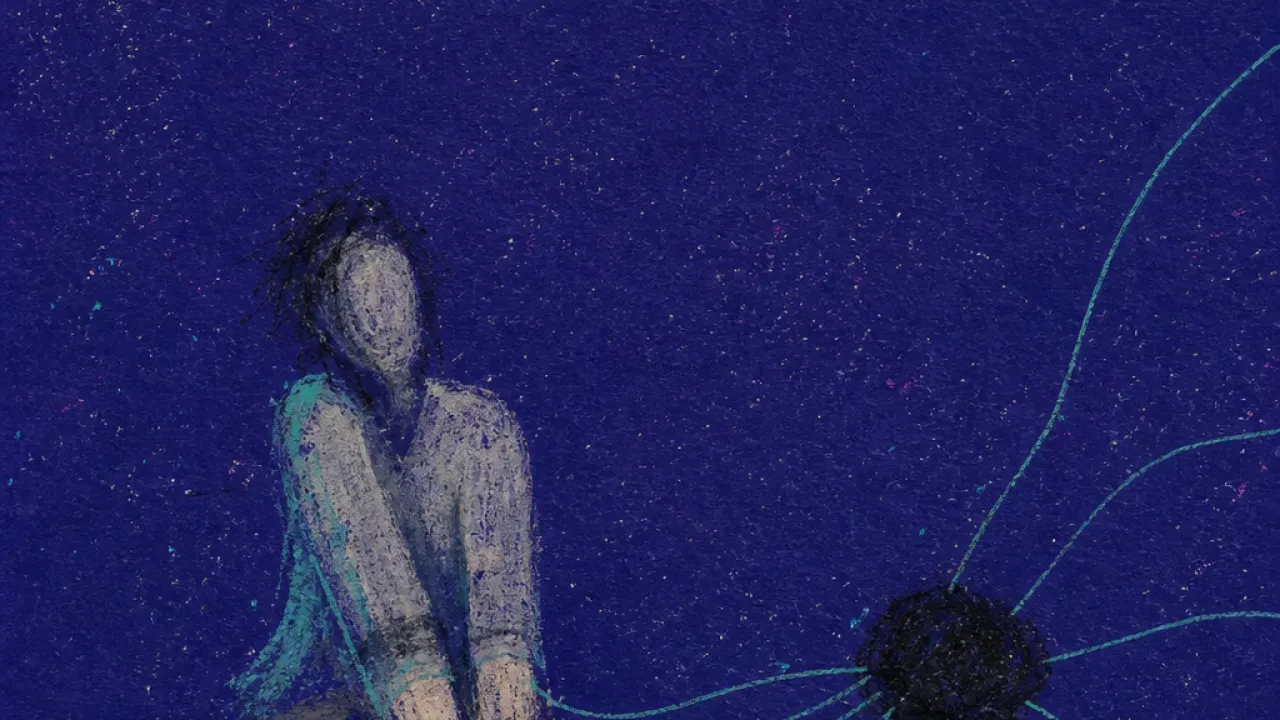
Convenience Lifestyle Lock-In starts as relief: you set up one delivery app after a late shift, save your card because checkout is annoying, and keep the subscription because canceling takes more attention than letting it roll. At first, the system gives you hours back: groceries arrive, dinner shows up at the door, rides replace awkward transfers, chores move into monthly plans, and your phone becomes the control panel for a life that is easier to run. Then the defaults begin to choose the shape of the day before you do; your thumb moves toward the familiar icons before you have stood up, the app suggests the same order, the pass renews, the trial converts, the recommended bundle lands at the exact moment you would have had to decide for yourself. Friends suggest a place across town and the first question becomes the ride cost, the kitchen stays half-used because delivery is already solved, and the city starts to shrink into whatever can be summoned, streamed, or paid for without friction. You still have options on paper, but the practical path keeps routing through the same platforms, saved cards, subscriptions, and one-tap shortcuts, while cancel buttons hide behind extra steps and the manual version of life starts to feel strangely far away. The cost is not one dramatic loss; it is the way each small convenience gives the service hub another piece of timing, attention, and movement, much like the figures in The Devil standing beside the black pedestal with loose chains that still keep every path returning to the same center.

Why it's not you?

This is not a personal defect; it is what happens when the surrounding systems make the repeat option the quickest one. Saved cards, auto-renewals, one-tap delivery, ride prompts, and hidden cancellation steps create a daily architecture where opting out costs extra time. The lock-in belongs to that setup, not to some flaw in you.

Convenience Lifestyle Lock-in in Tarot Cards

Convenience Lifestyle Lock-In is the situation where daily life keeps getting routed through the same paid defaults, even when other options technically exist. That automatic reach for your phone before you have stood up is where the setup touches the body. This is an environmental and structural dynamic, built from apps, saved cards, auto-renewals, and low-friction routes that make repetition easier than redirection. Here are the Tarot Cards that mirror the outline of this lock-in.

The Devil Upright
The black cube works like a fixed service hub: the ring attaches everything to it, the chains keep both bodies near it, and the torch feeds the circuit from above. The scene has resources, but all convenience flows through one controlled point. Convenience Lifestyle Lock-In appears when delivery, apps, subscriptions, rides, auto-renewals, and outsourced chores make daily life easier while quietly narrowing your options. You still have choice on paper, but the easiest path keeps leading back to the same paid infrastructure. The card links to this context because its restraints are visible yet loose, the exact texture of a lifestyle that is comfortable enough to keep repeating.
Reversed
The Devil's chains are loose, but they still route the figures back to the altar. Nothing in the image suggests a dramatic wall blocking the exit; the stronger force is the way comfort, heat, and immediate access have been fixed to one central structure. Convenience Lifestyle Lock-In translates that bind into a modern external setup. Delivery apps, endless scrolling, casual access, frictionless spending, and low-effort stimulation can create a private infrastructure where the easiest option keeps winning because it removes every small obstacle to repetition. For introspection, this card makes the loop concrete. The question is not whether convenience is bad; it is whether convenience has become the environment that keeps your deeper attention, desire, and discipline attached to a system you no longer consciously chose.
The Tower Reversed
The tower's height looks like advantage until the scene shows there is no easy road down. The same walls that once contained the structure become hard boundaries, and the scattered sparks leave no usable channel for repair. Convenience Lifestyle Lock-In matches this because easy systems can become rigid architecture. You may have built a daily life around delivery, subscriptions, defaults, auto-renewals, and low-effort shortcuts that reduce effort in the moment while making the whole lifestyle harder to redirect.
The Moon Reversed
The crayfish sits at the place where water becomes land, with the road ahead requiring exposure, effort, and passage through guarded space. Its old element is directly behind it, immediately available, while the forward route is dim, uneven, and socially marked by watchful animals. That composition mirrors the way convenience systems hold a daily life in place. Delivery apps, default scrolling, disposable purchases, and frictionless shortcuts can become the waterline you keep slipping back into because the first steps of a better routine demand more visibility than the environment provides. The card locates the lock-in at the threshold: not a moral failure, but a design problem where the easiest option has become the strongest path.
The Sun Reversed
The wall in The Sun is solid, protective, and familiar. In a blocked lifestyle pattern, that protection can become a comfortable enclosure where everything is bright enough to tolerate but too fixed to redesign. Convenience lifestyle lock-in works through low-friction defaults. Delivery, subscriptions, passive entertainment, automatic purchases, and inherited routines keep the system running just well enough that the deeper mismatch remains easy to postpone. The card's brightness matters because the trap does not look harsh from the outside. It looks manageable, even pleasant, until you notice that the same comforts are quietly narrowing the range of movement available to your daily life.
The World Reversed
The wreath is smooth, complete, and easy to follow with the eye, but it is still a closed circuit. The red knots hold the loop together, and the dancer’s movement stays inside the same bounded track. In a lifestyle context, that structure mirrors default systems that began as relief and became infrastructure: delivery apps, subscriptions, auto-renewals, storage shortcuts, takeout rhythms, and outsourced quick fixes. You still have agency, but the path of least resistance has become so polished that changing direction requires seeing the loop as a system, not a personal flaw.
Four of Cups Reversed
The tree gives shade, the ground supports the seated body, and nothing in the scene is visibly forcing movement. The setup is comfortable enough to stay in, but it contains no visible route that pulls the figure back into active circulation. Convenience Lifestyle Lock-In appears when ease becomes the architecture of inertia. Delivery loops, passive entertainment, auto-renewing services, and low-friction defaults can protect energy at first, then quietly narrow the range of movement available in the day. The card links this context to a comfort system that has stopped being neutral. You do not have to shame the need for ease; the clearer move is to notice where convenience has become the shade that keeps every offered cup outside actual use.
Eight of Cups Reversed
The cups remain close, organized, and easier to stay beside than the dark upward route beyond the water. The scene carries a physical friction: the familiar setup is available, while the path out is solitary, wet, and harder to stabilize. In a lifestyle context, convenience becomes a lock-in when easy systems keep absorbing your choices. Delivery defaults, passive entertainment, low-effort weekends, app-driven comfort, and frictionless consumption can preserve a routine that feels manageable while quietly blocking renewal. The reversed pressure of this card is not laziness. It is a landscape where the easiest containers are also the ones that keep the water stagnant, so the first point of agency is seeing how much of the daily system has been designed around avoiding the harder crossing.
Nine of Cups Reversed
The Nine of Cups can look like a private feast: the cups are arranged for satisfaction, the body is settled, and the scene asks nothing urgent of the figure. In reverse, that feast-like arrangement becomes a timing problem when ease keeps replacing movement. This is not a crisis of lack. It is a low-friction environment that makes delay feel reasonable, even when a cycle has started to overstay its usefulness. Pleasure, convenience, and polished routines can absorb the energy that would otherwise mark a clean moment to act. You are being shown the hidden drag of an easy life structure. The card helps distinguish real replenishment from a comfort system that keeps the next decision suspended.
Four of Pentacles Reversed
The coin on the crown makes the entire posture conditional: one wrong movement and the system loses balance. The hands and feet are already occupied, so the figure can protect the setup only by reducing motion to almost nothing. Convenience Lifestyle Lock-In forms when a daily system becomes so optimized that it resists redesign. Delivery habits, subscriptions, recurring purchases, app defaults, automated routines, and frictionless comforts can keep life running while quietly deciding which changes are too inconvenient to attempt. The flat ground in front of the seat gives this context its pressure. You may technically have options, but the existing setup has absorbed the practical pathways, leaving You with a life that functions best when it remains unchanged.
Ten of Pentacles Reversed
The estate walls, archway, household positions, and inherited property create a protected circuit with very little open wilderness. Reversed, the same protection becomes a corridor of approved movement: comfortable, recognizable, and difficult to leave without disrupting the whole setup. In lifestyle terms, the card points to convenience becoming a structure instead of a tool. You can have delivery, subscriptions, family routines, and a comfortable home base while still watching your days shrink around defaults that no longer match the life you are trying to build.
King of Pentacles Reversed
The King leans into a throne built for comfort, surrounded by vines, stone, walls and possessions that keep everything within reach. The scene has abundance, but the body is not moving through it; the body is maintained by it. Convenience Lifestyle Lock-In appears when the easiest defaults become the structure that quietly runs the day. Delivery, subscriptions, frictionless scrolling, ride-share dependency, premium shortcuts and comfort purchases may reduce effort in the moment while making the wider routine less mobile and less self-directed. The reversed pressure of this image is not poverty or collapse; it is enclosure through ease. You are not being asked to reject comfort wholesale, but to see where comfort has become the architecture that decides your movement before you do.

Convenience Lifestyle Lock-in in Tarot Card Reading Insights

When Convenience Lifestyle Lock-In turns daily ease into a repeating system, others have brought the same app-driven defaults, auto-renewals, and narrowed routines into readings. The shift here moves from card images to what surfaced when this lifestyle structure was placed on the table. Tarot Reading Insights from related sessions.
Psychological contexts related to Convenience Lifestyle Lock-in