What Are You Burying?

A clear audit of Shadow Integration, the tarot cards that mirror it, and reading insights where hidden material surfaces.

Shadow Integration
What is this really?

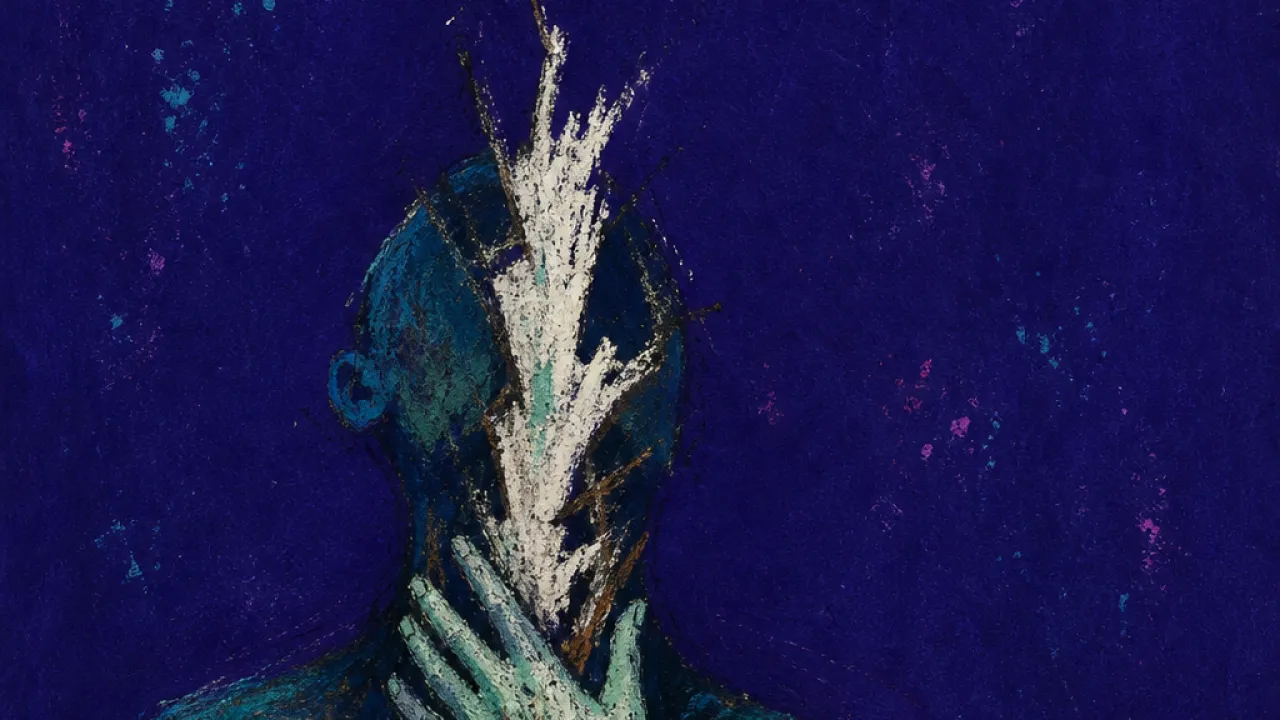
You notice the parts of yourself that feel too sharp, needy, jealous, ambitious, angry, or strange, and you quickly file them away behind a more acceptable version of you. You do this to keep your identity coherent, to avoid cognitive dissonance, and to stop difficult feelings from spilling into your relationships as projection, defensiveness, or sudden withdrawal. Yet the more tightly you bury those pieces, the more they start speaking through side comments, body tension, and charged reactions you did not plan—much like Judgement, where pale figures rise from open coffins into cold water and distant mountains, no longer able to keep what was hidden underground.

Why did it happen?

At some point, staying acceptable may have helped you keep connection, safety, or respect when certain feelings seemed too risky to show. Over time, your inner pattern learned to sort your reactions into what can be seen and what has to be pushed away. Now that sorting happens before you can choose it, leaving you with a drained, watchful feeling whenever an inconvenient part of you tries to surface.

How does it feel?

  • You catch yourself laughing a little too quickly after admitting you felt jealous, then you add a neat disclaimer so nobody takes it the wrong way... in that pause, your cheeks may heat up and your stomach may dip, as if the sentence got pulled back before it fully landed. You can let that unfinished feeling sit there for a moment; it is information, not a verdict.
  • In a work chat, you type a direct sentence about what you want, delete it, and replace it with something smoother, with a small shoulder lift as if you are making yourself easier to receive... afterward, you may notice a tight band across your chest and a low buzz behind your eyes. It is okay to notice the edit without forcing yourself to fix it immediately.
  • When a friend's win shows up on your feed, your thumb hovers over the like button for half a second before you tap it, and you keep your face still while scrolling past... inside, there may be a quick flash of heat under your ribs, followed by a hollow drop that feels hard to name. That reaction can be allowed to exist without turning it into a full explanation of who you are.
  • Alone at night, you replay a conversation and whisper the sharper reply you never said, then you press your tongue to the roof of your mouth like you are holding the words in place... your jaw may feel locked, your breathing shallow, your hands restless against the blanket. You do not have to act on the words for them to be worth noticing.
  • In a relationship conversation, you say, 'I'm fine, it's not a big deal,' while your fingers pick at the edge of a sleeve or cup... a second later, your throat may feel thick and your body may lean back before your mind has decided what you mean. Uncertainty can stay in the room; not every mixed feeling needs to be cleaned up on contact.

Shadow Integration in Tarot Cards

That reflex to edit the sharper sentence before anyone hears it is where Shadow Integration often becomes visible. The tight band across your chest, the shallow breath, the half-second hover before you respond all point to material trying to enter awareness. Grounded in Jungian archetypal theory, this pattern can be understood as the psyche trying to hold what the polished self has learned to exclude. The Tarot Cards below reflect the unconscious dynamics of buried feeling, projection, and containment as they begin to take shape.

Judgement Upright
The pale figures in Judgement do not rise from a neutral room; they rise from open coffins, surrounded by cold water and ringed by distant mountains. Their bodies are exposed, lifted, and still marked by the place that contained them, which makes the card less about instant renewal and more about the moment hidden material becomes impossible to keep buried. That visual structure mirrors the psychological work of bringing rejected parts of the self into conscious view. The trumpet does not create the material; it calls up what was already underneath. In an introspective context, this is the mechanism of letting buried shame, old defenses, unprocessed resentment, and disowned motives enter awareness without immediately forcing them back underground. Shadow Integration fits because the card shows emergence without escape. You are not being asked to invent a cleaner identity; the pattern reveals a psyche trying to include what it once excluded, so inner order can be rebuilt from reality instead of performance.
The World Upright
The exposed dancer stands inside the laurel wreath without armor, concealment, or visible bracing. The paired wands, the mirrored wreaths, and the four corner figures keep different forces in the same field instead of letting one part dominate the scene. That visual structure maps to a psyche that can hold contradiction without splitting itself into acceptable and unacceptable pieces. For you, Shadow Integration is the growth pattern where the awkward, ambitious, angry, sensitive, and gifted parts stop being treated as threats to the upgraded self and start becoming usable information inside one coherent system.
Ace of Cups Upright
The overflowing cup does not spill into emptiness; it pours into a pool where water lilies rise from the surface. The image keeps depth and beauty in the same field, showing that what grows cleanly above the water is still rooted in what lives below it. That visual structure is the mechanism behind Shadow Integration. You meet the hidden material without treating it as contamination, and the unconscious stops needing to speak only through symptoms, projections, or sudden emotional surges. The dove descending into the cup gives the process a point of contact, but the pool gives it depth. In inner work, the pattern is not about becoming perfectly pure; it is about letting disowned feeling enter awareness without letting shame decide what is allowed to exist.
Two of Cups Upright
The two cups mirror each other across the central staff, while the entwined serpents gather opposing movement into one vertical axis. The image holds contrast without forcing one side to disappear. That visual structure mirrors the psychological work of meeting disowned material without letting it hijack the whole identity. What looks like another person's intensity, softness, ambition, or need may also be a signal from a part of the self that has been pushed outside the acceptable self-image. For personal growth, Shadow Integration names the shift from polishing the visible persona to reclaiming the material that has been split off. You become less dependent on projecting hidden traits onto other people because the inner system has more room to hold contradiction consciously.
Eight of Cups Upright
The moon hangs over the departing figure while the cups sit below in a carefully built but incomplete formation. The scene is not fully day or fully night, and the path ahead is not lit by certainty; it is lit by the strange pressure of something missing. That mixed light gives the card its link to Shadow Integration. The psyche is not simply leaving the past; it is being pulled toward material that has been kept outside conscious order, the unnamed feeling, the hidden shame, the old resentment, the private need that never fit neatly into the visible arrangement. For You, this pattern shows up when inner work stops being about looking composed and starts revealing what the public self could not metabolize. The card frames the hidden material as a missing part of the emotional structure, not as a defect in the self.
Page of Cups Upright
The fish rising from the cup turns the Page's chalice into a small, living chamber for material that has come up from below the surface. He does not throw the cup away, ignore the fish, or merge with the sea behind him; he looks directly at the strange image while keeping it held in a defined vessel. That visual structure is the core of Shadow Integration. A surprising inner signal becomes workable only when it can be seen without being inflated, denied, or projected outward. The platform beside the water gives the psyche enough distance to observe what the emotional sea has produced. For introspective tarot, this pattern points to the moment when You can let a hidden feeling, shame fragment, fantasy, or tender impulse become conscious without making it the whole story. The card does not romanticize the subconscious; it shows the disciplined act of holding an inner message long enough for it to become part of the self instead of remaining a secret pressure beneath it.
Queen of Cups Upright
The lidded chalice sits between the Queen's hands like a private chamber, while the throne's shell forms and the surrounding water keep pointing toward hidden emotional depth. Nothing in the image is spilling out, yet everything is arranged around what remains inside. That is the visual logic of meeting the unowned part of the psyche without letting it take over the whole room. You can hold a fear, desire, resentment, or fragile hope long enough to read it as information. In personal growth, Shadow Integration begins when the sealed material stops being treated as contamination and becomes part of the map.
King of Cups Upright
The fish pendant rests at the King's chest while the blue clothing echoes the sea behind him. The ocean, the dolphin, and the fish emblem all point to emotional material that lives below the surface, yet the figure remains conscious, upright, and contained. That symbolic mirroring gives Shadow Integration its structure. Hidden material is not banished from the frame, but it also is not allowed to take over the throne; it is carried close enough to be recognized and far enough to be metabolized. For personal growth, You may be building a future self while trying to leave inconvenient motives, tenderness, envy, fear, or desire outside the plan. The card shows a cleaner audit: the material under the water is already part of the system, and growth becomes more stable when it is named instead of split off.
Queen of Pentacles Upright
The pentacle sits like a mirror for the Queen's inward gaze, but it is not isolated from the rest of the card. Around it, the garden, roses, water, throne, and distant hills create a field where matter, emotion, instinct, and quiet attention can coexist without one element needing to erase the others. That composition reflects shadow integration as a process of holding disowned material inside one psyche without splitting it into acceptable and unacceptable parts. The Queen does not look away from the earthy symbol of need, value, comfort, and possession; she gives it patient attention while remaining seated in a larger living field. For introspective work, this pattern gives You a way to meet the parts of yourself that feel too practical, needy, sensual, protective, or security-driven to fit a polished self-image. The card's strength is its refusal to separate inner depth from embodied reality; the shadow becomes readable when the psyche can let desire, safety, care, and control all appear in the same room.
Four of Swords Upright
The stained-glass window glows with color while the knight and tomb remain muted grey-yellow, and a fourth sword lies hidden under the resting body. The image separates luminous meaning from buried material, but holds both within the same quiet church container. Shadow Integration begins when you let the split-off material stay in the room instead of pushing it back beneath the bed of consciousness. You are not asked to act on every hidden feeling; the pattern is about making enough inner space for the rejected part to be seen without taking over.
Six of Swords Upright
The adult and child sit together in the same small vessel, both hidden from full view and carried across the water with the swords. The image does not split the mature self from the vulnerable self; it places them inside one protected container. Shadow Integration begins with that shared passage. What was younger, hidden, ashamed, or difficult to name is not thrown overboard, but it also is not allowed to steer the boat alone. In deep self-audit, You may notice old parts of the self resurfacing just as life becomes quieter. The pattern reveals that those parts are not interruptions to inner order; they are passengers that need containment, recognition, and a place in the crossing.
Ace of Wands Upright
The sprouting wand carries both new leaves and falling leaves, so the image holds growth and release in the same object. Below it, the river keeps feeling in motion while the fertile ground gives the fire of the wand somewhere to land. This combination matters because raw inner force becomes unstable when it is split into clean and unacceptable parts. The card shows vitality as mixed, alive, and renewable, not as something that has to be purified before it can be understood. For introspective work, Shadow Integration names the process of letting charged material enter awareness without turning it into shame or a grand revelation. You can see anger, desire, ambition, envy, or hunger as psychic energy asking for a container, rather than as evidence that something is wrong with You.
Queen of Wands Upright
The brightest solar symbols in the card gather around a black cat stationed directly beneath the Queen's throne. The cat is not banished from the scene; it sits inside the same field as the crown, wand, lions and sunflower. That contrast makes the growth mechanism clear: your ambition, intensity, envy, instinct and private hunger do not have to be exiled for your development to be real. The pattern becomes integrative when the darker material is treated as information, not as evidence that your progress is fake.
King of Wands Upright
The throne repeats lions and salamanders, and a living salamander appears at the king's step rather than hidden outside the scene. Instinct is not banished; it is brought close enough to be witnessed and far enough away to be worked with. That visual structure links to the part of you that can name ambition, anger, desire, and heat without turning them into shame. In an introspective reading, the pattern reveals a psyche learning to keep its charged material in conscious view instead of splitting it into a public self and a forbidden underside.

Shadow Integration in Tarot Card Reading Insights

For anyone who has caught themselves smoothing over envy, anger, desire, or need before it can be seen, others have brought this same inner split into readings. The shift from Tarot Cards to readings shows how this pattern can appear when someone sits with the material instead of pushing it back down. Below are Tarot Reading Insights that speak to Shadow Integration.
Psychological patterns related to Shadow Integration