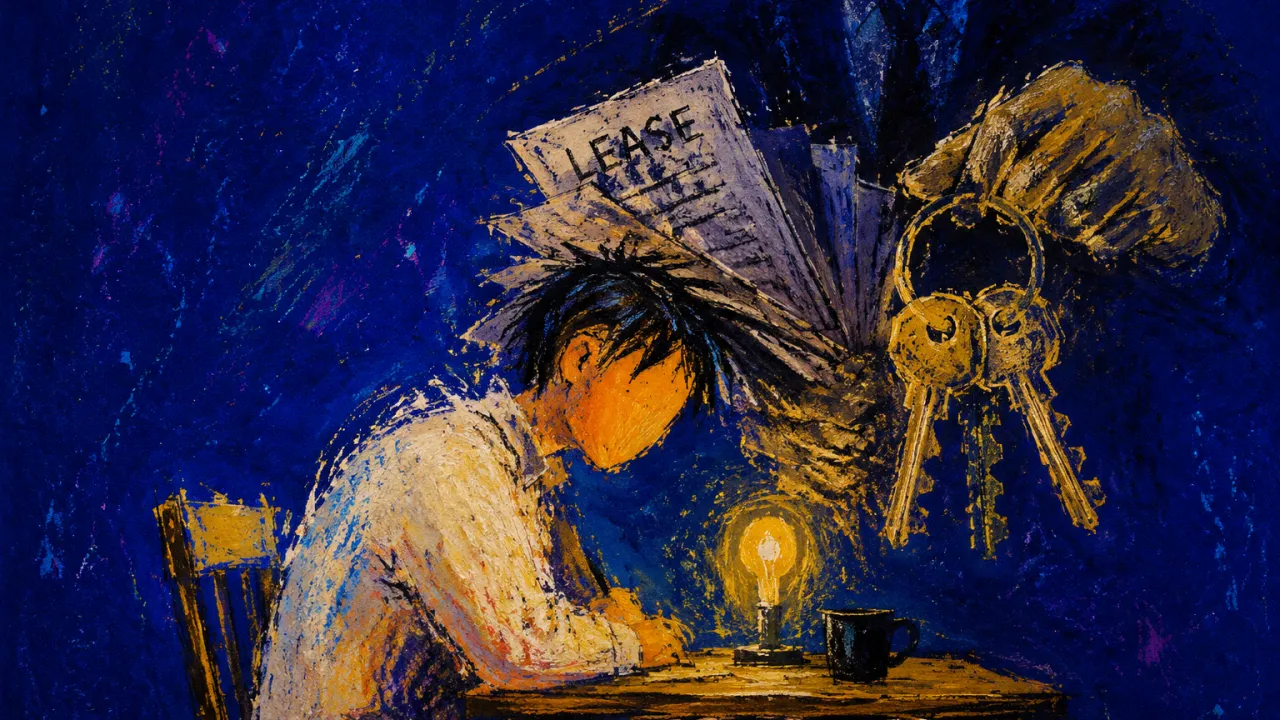
Explore a landlord-tenant power imbalance through grounded tarot cards and reading insights shaped around delayed repairs, lease pressure, and one-sided communication.
Landlord-tenant Power Imbalance
What is this situation?
Landlord-Tenant Power Imbalance: you move into a rental with a signed lease, a move-in checklist, and the expectation that basic maintenance will be handled without repeated negotiation. Within the first few weeks, the arrangement becomes visible in small, repeated moments: a repair request sits unanswered while rent is expected on time, a message about a leak or broken appliance gets a reminder about the rules, and each answer arrives only when the property owner chooses to respond. The person who owns the property and holds the keys can decide what counts as urgent, how the space is managed, and whether your request is treated as reasonable. You start saving screenshots, noting dates, and carefully wording ordinary messages because asking for upkeep has become a negotiation with one side holding more room to delay, dismiss, or change the terms. At renewal, a vague shift in tone or a new condition can make the place you pay for feel provisional, even when you have followed the agreement. Your shoulders stay raised whenever a landlord message appears, and your evenings fill with practical questions the other side can leave unanswered. The power arrangement is much like The Emperor seated on a stone throne: one figure fixed above the terms while you move through conditions you did not write.
Why it's not you?
The problem is not that you are asking for too much; the arrangement gives the property owner more control over repairs, communication, and lease conditions than the tenant has. Delayed upkeep, one-sided replies, and shifting expectations belong to the structure of this arrangement, not to any failure on your part.
Landlord-tenant Power Imbalance in Tarot Cards
Landlord-Tenant Power Imbalance is visible in the raised shoulders that return whenever a landlord's message appears and a basic request becomes a negotiation. It is an environmental, structural dynamic: the lease, repair access, and response time place the terms on one side of the room. The cards below reflect that arrangement's outline without adding another verdict. Here are the Tarot Cards that mirror this situation.
The Emperor sits on a stone throne, flanked by ram heads, with a rigid red robe and a high-backed seat that makes authority physically immovable. The image anchors the rental in a hierarchy where the person holding the keys can define urgency, enforce house rules, and set the pace of access to repairs. You still have a signed lease and a right to use the space, but the daily life system is operated from above rather than shared at the point of need. You can keep the apartment functioning through records and precise requests, yet the repeated need to seek recognition shows why ordinary upkeep feels like a negotiation with a fixed authority.
The sword and scales of Justice mark a formal system built to make obligations and consequences legible, but reversed they sit over a renewal process whose meaning can shift by discretion. A notice date or new lease condition becomes consequential because the landlord can delay clarity until the tenant's next housing decision is already pressing. You are reading calendars, messages, and contract language while the other side can leave the future phase provisional. The image keeps timing tied to procedure: the issue is not an unpredictable event, but an uneven schedule for disclosing and applying the terms that govern your home.
The figure hangs by one foot from a living tree, suspended above the ground with his hands bound behind him. The physical pause mirrors a repair request that cannot progress until the landlord decides to respond, while rent dates and the tenant's need for a usable home continue on their own schedule. You can observe the situation from a different angle during the wait, but the pause has a material price when water, heat, appliances, or access remain unresolved. Upright, the suspended figure makes waiting legible as a condition imposed by the arrangement's control of time, not as proof that the request lacks urgency.
The horned figure sits above two chained people, with the chain visibly loose but still attached to the pedestal. The material image maps the rental bind precisely: deposits, moving costs, location, scarce housing, and the need for a stable home can make an owner's delay expensive to challenge or walk away from. You may have a formal lease and a practical exit route, yet the resources required to use that route are not equal to the landlord's control over the property. Upright, the chain names a concrete dependency rather than a personal flaw, making the choice about housing leverage, not moral failure.
The moon hangs over a winding path between two towers, with a dog and wolf responding to a light that does not fully clarify the ground. The renewal period carries the same low visibility: a vague shift in tone or a new condition can make the next stage of housing difficult to read before the landlord states the terms plainly. You can track dates and signals, but the path remains shaped by information held on the other side of the exchange. Upright, the Moon does not prove that every ambiguity hides a threat; it names a timing environment where uncertainty itself becomes a housing cost.
The mason works beneath a carved plan while two observers stand nearby, making coordination and shared standards visible around the building. Reversed, the worksite loses its reliable handoff: a repair request can be acknowledged, redirected to rules, or left without the owner, worker, and tenant forming a functioning maintenance process. You end up supplying the coordination that the property arrangement should contain, saving dates and re-sending context while the physical problem remains yours to live with. The building imagery keeps the issue grounded in upkeep: the bottleneck is a broken system of responsibility, not a lack of effort from the person occupying the home.
The seated figure presses one pentacle to his chest, pins two beneath his feet, and balances another over his head. The concentrated grip gives the rental a physical logic: the owner holds the scarce assets of property, access, and renewal leverage close, while the tenant's payment does not automatically create equal control over the space. You can possess a key and still lack operational authority over leaks, appliances, or the timing of a reply. The upright image keeps the resource visible and held rather than erased, which makes the imbalance concrete: the issue is not whether housing exists, but who gets to decide how usable and secure it remains.
The well-dressed figure distributes coins from one hand while a balance hangs in the other, with two recipients waiting below. Reversed, the visible exchange tilts away from reciprocity: rent leaves the tenant on schedule, while maintenance, information, and attention are released only when the property owner chooses. You are left paying the practical cost of an uneven flow, from repeated reminders to evenings spent tracking an unresolved fault. The scales still provide a factual reference point, so the arrangement can be read as an exchange with measurable obligations rather than as evidence that your request is excessive.
A blindfolded figure sits before dark water with two swords crossed over the chest, while a rocky shore blocks a clear route forward. The image gives the rental decision its actual information problem: the tenant must choose among waiting, escalating, renewing, or leaving without knowing when the landlord will answer or what condition will come next. You can pause to protect yourself from a rushed commitment, but the pause is not neutral when an unresolved leak or appliance affects daily life. Upright, the crossed swords preserve a deliberate decision point; they show that the stalemate is produced by competing costs and withheld clarity, not by a lack of options in the abstract.
The central figure gathers swords while two people walk away beneath a bleak sky, making victory and loss occupy the same scene. A repair exchange can take on that shape when the landlord controls the final reply: even a response may arrive as a rules reminder, leaving the tenant with the original defect and the cost of having fought for attention. You are deciding whether continued negotiation will produce upkeep or only another contest over who gets to define what is reasonable. Upright, the conflict is visible as a power structure with unequal exit costs, so the question is not whether you communicated perfectly but what the interaction is actually rewarding.
The blindfolded figure stands bound among eight swords, with the fence close enough to restrict movement but open enough to show that the enclosure is constructed. The external power gap can produce the same mental narrowing: a routine repair message gets drafted around rules, delay, and the possibility of being dismissed. You can recognize that the caution is being generated by the rental structure rather than by an unreasonable demand. Upright, the scene holds both the constraint and the visible edges of it, allowing the inner cache to distinguish real limits on access from the self-blame that those limits can create.
Eight wands cut across an open landscape in a single direction, carrying the visual promise of fast movement; reversed, that line of travel becomes interrupted, scattered, or delayed. The rental message channel has the same asymmetry: your repair report can be sent immediately, but the landlord controls when it becomes an actionable reply. You keep the practical timeline moving through reminders while the property owner can leave the request suspended without sharing the same daily exposure to the problem. The blocked motion names a response-time bottleneck, making the cost of delay visible in the home rather than reducing it to impatience.
The wounded figure stands behind a row of wands, gripping one while watching the approach, with the fence built from prior encounters. Repeated landlord delays create a comparable readiness: each new message arrives with the tenant already prepared to document, defend, and prove that ordinary upkeep is a legitimate request. You can use that accumulated record to see the pattern, but the raised guard also shows how a home can stop feeling like a place to recover from external demands. Upright, the figure remains standing and alert; the useful distinction is between durable evidence and the costly vigilance the power arrangement has trained.
The bent figure carries ten bundled wands toward a distant town, with the load blocking his view of the route ahead. The image turns repeated repair follow-ups into a second layer of domestic labor: the tenant carries reminders, screenshots, dates, and tone management while the landlord retains the power to make the load disappear with one response. You can keep moving through the rental, but the cost of keeping basic conditions usable accumulates in your evenings and attention. Upright, the path remains visible and the burden is being carried somewhere; the structural fact is that a responsibility attached to property ownership has been loaded onto the person who rents it.
No cards available for this filter.
Landlord-tenant Power Imbalance in Tarot Card Reading Insights
Landlord-Tenant Power Imbalance has also been brought into readings by people navigating delayed repairs, one-sided communication, and a home that feels provisional. The Tarot Reading Insights below shift from the card list to the reading experiences people brought to this kind of situation.