When Guidance Becomes Control

A grounded look at academic authority pressure, related tarot cards, and tarot reading insights from advisor-centered spreads.

Advisor Power Imbalance
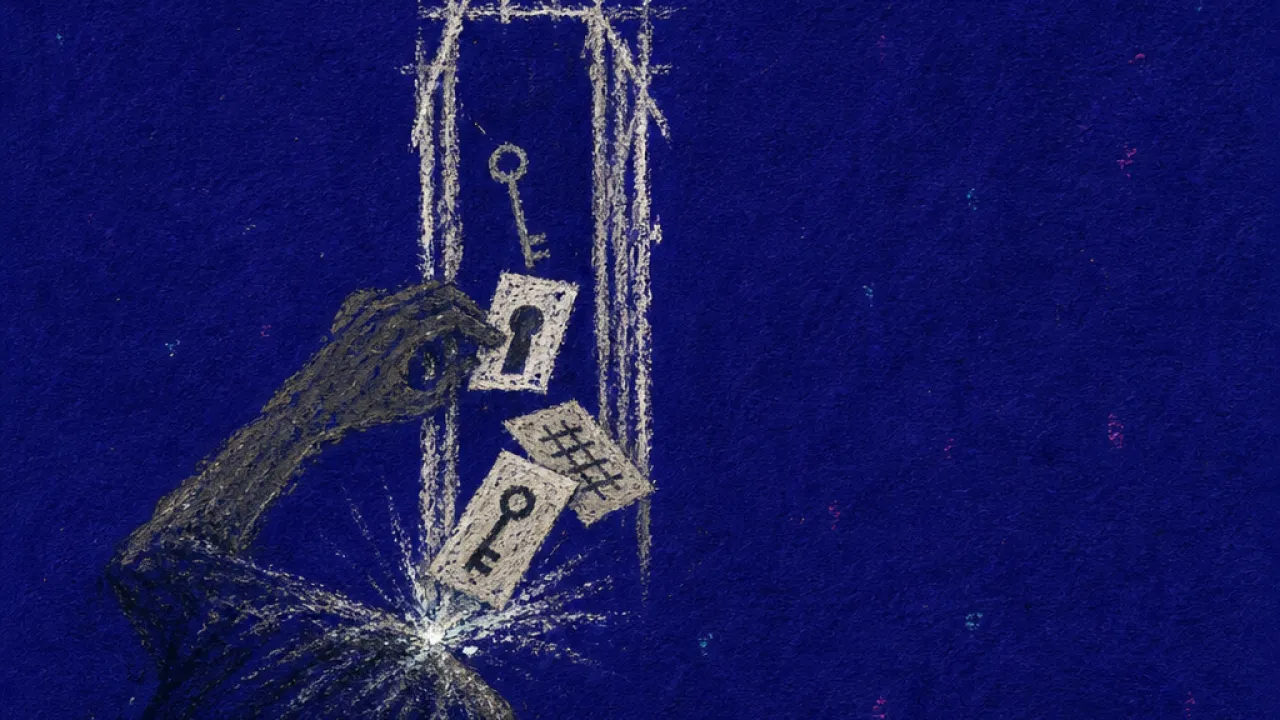
What is this situation?

Advisor Power Imbalance — you enter the relationship expecting guidance: a thesis meeting, a lab check-in, a dissertation draft in a shared document, a quick email asking whether your direction still makes sense. At first, the setup looks ordinary because academic work is supposed to involve feedback, standards, and revision, but over time every important movement starts passing through the same person: whether your topic is acceptable, whether your draft is ready, whether your reference will be strong, whether funding, lab access, conference support, or the next academic gate stays open. You learn to read small signals before you ask a question: the delay before they reply, the wording in the margin comment, the tone of a meeting invite, the silence after you send work you spent weeks shaping. A conversation that should be about ideas starts carrying extra weight because the person giving feedback also holds institutional power over your pace, reputation, and options. You may sit in the library with your laptop open, not blocked by the research itself, but by the need to predict how one authority figure will receive it; even a simple draft can feel exposed when approval, critique, and access are bundled together. The imbalance shows up in practical ways: you soften emails, over-explain choices, wait for permission to move, or keep rewriting around standards that were never fully named. What wears you down is not mentorship itself, but the bottleneck around it, much like The Devil, where the raised hand, elevated figure, central block, and chained figures below make instruction hard to separate from control.

Why it's not you?

The problem is not that you are too sensitive to feedback or too needy for clarity. Advisor Power Imbalance exists when academic progress, approval, references, and access are concentrated in one relationship, so ordinary comments and delays carry more force than they would from a peer. That is a structural pressure around the work, not a flaw in your ability to do the work.

Advisor Power Imbalance in Tarot Cards

Advisor Power Imbalance is the academic setup where feedback, timing, references, and progression keep routing through one elevated authority point. The tightness in your chest before opening a reply or submitting a draft is not separate from the setting; it is the body meeting an environmental, structural dynamic that controls how movement happens. The Tarot Cards below do not decide what you should do with your advisor; they reflect the visible outline of a system where learning and permission have become too closely bundled.

The Devil Upright
The raised hand resembles a gesture of instruction, but the elevated body, cube, and chains make the instruction inseparable from control. The figures below are not simply learning from a guide; their range of motion is organized by the person occupying the center. In advanced academic work, that image maps onto the advisor relationship when feedback, recommendation access, project approval, and institutional interpretation all pass through one gate. You may be trying to learn, write, or progress, while the structure keeps routing movement through a concentrated authority point.
Two of Cups Reversed
One figure leans forward while the other stands fixed, and the caduceus rises between them like a formal channel neither person can ignore. The scene can still look respectful, but the mechanics of movement are not evenly distributed. In academic life, that is the texture of an advisor power imbalance. You may be offering drafts, questions, or research direction into a relationship that appears collaborative, while the real pace is controlled by someone else's approval, standards, silence, or institutional position. The exposed ground intensifies the pressure because academic dependence is rarely private. Your progress, confidence, and output can become tied to a single authority relationship, making the problem structural rather than simply interpersonal.
Six of Pentacles Reversed
The scales are not suspended in a neutral space; they are held by the same figure who controls the coins. The bodies below him must wait, look up, and receive according to a hierarchy that is physically obvious in the image. You may be dealing with an academic authority whose feedback, recommendation, funding access, or approval has become too central to your movement. The card does not remove your agency; it locates the bottleneck so you can distinguish genuine mentorship from a structure where one person's discretion is quietly shaping the entire route.
King of Pentacles Reversed
The black marble throne, crown, and scepter concentrate decision-making in one seated figure, while the estate behind him appears to operate through his possession. In an academic context, that visual concentration maps onto a supervisor, professor, PI, or program authority whose approval controls access to feedback, references, research direction, or progression. You are not only responding to a person’s opinion. You are dealing with an authority structure where one gate can slow the whole academic process, and the card helps separate your actual work from the power arrangement surrounding it.
Three of Swords Reversed
One sword descends from above while the other two enter from the sides, and the heart has no body with which to step back. In an advisor relationship, criticism can come from someone who also controls access to approval, recommendations, research direction, funding channels, or the next academic gate. The visual force is not only the sharpness of the blade; it is the lack of buffer around the target. You are dealing with a structure where feedback, authority, dependency, and progression are bundled into the same figure. The card makes the imbalance visible without reducing it to interpersonal drama. It shows why a comment from an advisor can land with more force than a comment from a peer: the blade carries institutional weight.
Nine of Swords Reversed
The carved scene on the bed frame shows one figure forcing another downward, placed below the sleepless figure rather than safely hidden away. It sits at the base of the image like a record of unequal leverage built into the furniture of the room. In an academic setting, that visual detail maps onto a supervisor, advisor, principal investigator, or dissertation chair whose approval can control access to feedback, funding, recommendations, research direction, or progression. You may be trying to produce work, but the power arrangement around the work keeps shaping what feels possible to say or submit. The reversed pressure of the card keeps the hierarchy enclosed and hard to name. It shows how academic authority can enter private study space, making even an email draft or feedback meeting feel heavier than the task itself.
Ten of Swords Reversed
The swords enter from above and behind, while the figure's face is turned away from the viewer. The card's body language does not show a mutual exchange; it shows pressure arriving from a position the fallen person cannot meet on equal terms. That structure fits an advisor power imbalance when access to feedback, references, lab placement, thesis approval, or progression depends on one person whose decisions are difficult to challenge. The red cloth adds another layer: a formal academic surface can cover the cost of depletion, making the arrangement look orderly from the outside while the student's mobility is quietly constrained. The card asks for a clean audit of where authority sits in the academic system. You may not control the whole structure, but seeing the imbalance clearly can separate intellectual growth from approval dependency and reveal which forms of support need to come from outside the single gatekeeper.
Queen of Swords Reversed
The stone throne lifts the Queen above the surrounding ground, and the sword makes her boundary visible before any conversation begins. Her side-facing posture keeps access partial, so guidance can be delivered from a height rather than shared across a table. For You, this names an academic relationship where an advisor, supervisor, or tutor holds approval, references, topic access, or pacing power. The card reveals the structure underneath the interaction: one person controls the blade of evaluation, and your work has to move through that authority before it can advance.
King of Swords Reversed
The King is not standing among peers; he is seated above the field with the only sword in hand. The high-backed throne fixes authority in one body, while the surrounding landscape remains distant and small. In advanced study, that image becomes the advisor relationship when feedback, recommendations, research access or project direction depends on one person with disproportionate institutional power. The exchange can look academic on the surface while still being structurally uneven. The card exposes the asymmetry without turning it into helplessness. Once the power imbalance is visible, the real question becomes where the system concentrates access, where your leverage actually sits and which parts of the academic path should not depend on one gatekeeper alone.
King of Wands Reversed
The throne sits above the desert step while the king's symbols dominate the frame. The wand reaches the ground, but exchange flows mainly from the elevated figure outward; the scene shows hierarchy before it shows dialogue. That visual structure maps cleanly onto academic supervision when one advisor, professor, or principal investigator controls feedback, access, timing, and reputation. You are not imagining the weight of the relationship: the card exposes how much academic movement can depend on a single gatekeeper's posture toward your work.

Advisor Power Imbalance in Tarot Card Reading Insights

Advisor Power Imbalance often shows up when someone brings an academic relationship into a reading because one person's approval has started shaping the whole route forward. The readings below shift from the cards themselves to how this situation appears when people sit with it in a spread. Tarot Reading Insights from sessions.

Psychological contexts related to Advisor Power Imbalance