When Every Request Becomes Urgent

Map expanding project demands through a precise situation profile, relevant tarot cards, and selected reading insights from comparable sessions.

Reactive Scope Creep
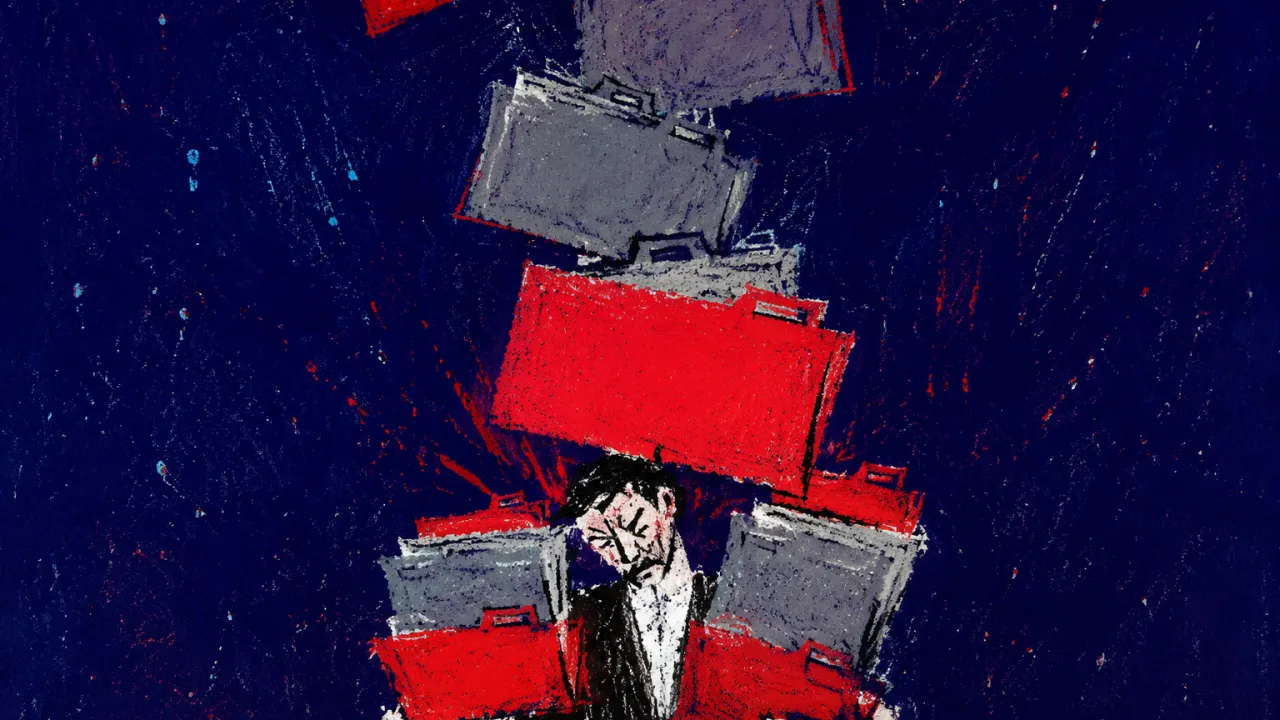
A figure under descending panels, shoulders lowered as multiplying folders crowd the arms and narrow the workspace.

What is this situation?

Reactive Scope Creep begins when you enter a project with an approved brief, a workable task list, and a deadline that matches both. After kickoff, a client, manager, or product lead introduces one more request with phrases like 'quick tweak' or 'could we also,' presenting each addition as too small to require a new estimate. Feedback arrives across meetings, chat threads, shared documents, and design files, often from people who were not part of the original agreement. Someone promises the change before checking capacity, and because the project is already moving, you are expected to absorb it without interrupting delivery. The deadline does not move, the team does not grow, and nobody removes an earlier deliverable. In status meetings, the extra work is folded into neutral words like 'iteration' or 'refinement,' while delays are discussed as if the original scope still applies. By late afternoon, your shoulders are raised and your upper back is tight from moving between old commitments and new demands; by evening, messages are still arriving against a version of the plan that no longer exists. The project never reaches a stable finish line because every response creates another obligation, much like the Ten of Wands, where a figure bends beneath a bundle of ten wands that fills the space ahead as he walks toward town.

Why it's not you?

This is not a failure to be flexible; it is a project environment that accepts new commitments without making room for them. When deadlines, staffing, and original deliverables stay fixed, every added request imposes a tradeoff, even if nobody names it. The expanding workload belongs to the way the project is being managed, not to any lack in your effort.

Reactive Scope Creep in Tarot Cards

Reactive Scope Creep is the pattern of new requests entering a project while deadlines, staffing, and earlier commitments remain fixed. The raised shoulders and tight upper back register how each 'small' addition occupies space that was never added to the plan. It is an environmental pressure, a structural allocation problem, and a dynamic sustained by unmade tradeoffs rather than by your capacity. The Tarot Cards below mirror the visible contours of that expanding load.

The Emperor
Reversed
An armoured ruler sits on a stone throne marked with ram heads, holding symbols of authority against a severe mountain landscape. Reversed, the structure is rigid where it should govern and unstable where it should contain: authority can approve new demands, yet it does not enforce the capacity, ownership, or change controls that make those approvals workable. You inherit commitments made above your level without receiving equivalent decision power. The armour and stone show that hierarchy remains fully present; what is missing is disciplined stewardship of its consequences. A manager or project lead can preserve the deadline, accept extra scope, and leave your workload to absorb the contradiction. The reversed scene locates the career friction in failed governance, not in your willingness or competence.
Justice
Reversed
A seated figure holds balanced scales in one hand and an upright sword in the other, framed by two pillars and a formal veil. Reversed, the accounting relationship among scope, time, resources, and accountability no longer balances. You are evaluated against the original deadline even though the work being delivered is no longer the work covered by the original estimate. The sword represents a decision that should separate approved obligations from later additions, while the scales should make each tradeoff visible. When both functions are distorted, extra work disappears into neutral language and delays are assigned to execution rather than changed conditions. The reversed scene exposes an unfair performance contract created by inaccurate project accounting.
The World
Reversed
A central figure is enclosed by a complete wreath while four fixed witnesses occupy the corners of the scene. Reversed, that boundary no longer functions as reliable closure: the project appears almost complete, yet the final perimeter cannot be sealed because another request keeps reopening it. You remain near delivery without being permitted to cross into a stable completed state. The wreath makes completion a defined container rather than a vague feeling, while the four corner figures suggest a wider stakeholder field observing the result. When no one protects the boundary of done, each observer can introduce another condition after the work has already reached its planned edge. The reversed image identifies a governance problem in project timing: closure exists conceptually but is not operationally authorised.
Two of Pentacles
Reversed
A juggler keeps two pentacles moving inside an infinity loop while ships pitch across large waves behind him. Reversed, the circulation becomes an operational overload pattern: original tasks and new requests repeatedly exchange priority, but neither category leaves the system. You become responsible for maintaining motion across a workload whose total volume no longer fits the agreed delivery conditions. The ships show that volatility continues beyond the immediate juggling act. Stakeholder messages, changing approvals, and deadline pressure keep arriving while your visible busyness may be mistaken for successful capacity management. The reversed scene identifies the career trap in being valued for adaptability until adaptability is used to conceal chronic over-allocation.
Three of Pentacles
Reversed
An artisan stands on a bench beneath three carved pentacles while two collaborators consult a visible plan inside a shared building. Reversed, the common plan stops coordinating the room: contributors retain access to the project, but their feedback no longer passes through one agreed brief, role structure, or approval route. You are asked to reconcile edits from people who may not share the same understanding of scope. The unfinished architecture makes every uncoordinated decision materially consequential. A comment in chat, a revision in a design file, and a promise made in a meeting can each alter the same deliverable without a single owner integrating them. The reversed scene identifies collaboration failure as the mechanism through which scope keeps expanding.
Seven of Pentacles
Reversed
A worker leans on his tool and studies seven pentacles growing through a vine, pausing between sustained effort and the expected return. Reversed, that pause becomes a failed harvest checkpoint: the work has consumed time, but new revisions prevent the project from being evaluated against a stable definition of done. You keep reinvesting effort before the previous round can be accepted or closed. The visible crop matters because the project is not empty or untouched; substantial work already exists. The timing problem comes from repeated additions resetting the maturity test, so completion is always deferred in favour of one more refinement. The reversed scene names the cost of a cycle that demands further labour without protecting the moment when labour becomes finished output.
Two of Swords
Upright
A blindfolded figure holds two equal swords crossed over her chest, with rocks interrupting the water behind her. The balanced blades show a decision being suspended between incompatible commitments: preserve the original deadline or preserve the expanded deliverables. When management refuses to choose, you are left carrying both as though no tradeoff exists. The upright posture keeps the decision present and nameable even while the blindfold blocks full acknowledgement. You may be pressured to treat pushing back, reducing scope, extending time, or accepting quality risk as if none were legitimate options. The scene restores the missing choice by exposing the stalemate built into the project structure.
Seven of Swords
Upright
A figure carries five swords away from an active camp while two remain standing behind him, and he looks back as he moves. The uneven transfer captures how extra obligations can enter a project sideways: called quick tweaks, refinements, or small favours, they are moved into your workload without being recorded as changes to the original agreement. The discrepancy remains visible, but ownership of it is blurred. The upright scene does not require every stakeholder to be deliberately deceptive; it reveals a process that benefits from keeping the full transfer off the official record. When the revised brief, estimate, and deadline are never placed side by side, the added work can be treated as though it was always included. You experience the result as hidden scope becoming visible only when delivery falls behind.
Eight of Swords
Upright
A blindfolded, bound figure stands inside a loose enclosure of eight swords, with wet ground beneath her and a distant fortress behind. The surrounding blades resemble fixed project constraints: deadline, staffing, budget, approved deliverables, quality expectations, and stakeholder promises all occupy the same limited space. You are asked to move while each constraint is treated as non-negotiable. The enclosure is visible and externally structured, even though gaps remain between the swords. That distinction matters because the trapped experience is produced by a particular configuration of commitments, not by an inherent lack of capability. The upright scene makes the bottleneck auditable: once additional scope enters, at least one surrounding condition must change for the work to fit.
Seven of Wands
Reversed
A lone figure on high ground braces one wand against six rising from below, with mismatched footwear suggesting he was pulled into defence before he was fully prepared. Reversed, the elevated position no longer provides usable leverage; the number and persistence of incoming demands overwhelm the boundary he is trying to hold. You may have an approved brief on paper while lacking the organisational backing required to defend it in practice. The pressure comes from outside the figure's space, which keeps the problem anchored in repeated stakeholder incursions rather than personal disorganisation. Each request may seem individually manageable, but together they create permanent defence work alongside the actual delivery work. The reversed scene names the career cost of being expected to enforce a boundary that leadership continually bypasses.
Eight of Wands
Reversed
Eight parallel wands cross an open sky above a river and settled green land, forming a clean visual corridor of movement. Reversed, that shared trajectory becomes traffic without a reliable landing sequence: messages, comments, and approvals may arrive quickly, but they no longer move the project toward one agreed endpoint. You receive urgency from multiple channels while the delivery timeline absorbs the resulting collisions. The empty sky should provide an unobstructed route, which makes the delay especially revealing. The bottleneck is not a lack of activity; it is the absence of sequencing and change control once new requests enter flight. The reversed scene captures a project whose apparent speed conceals timing drag, rework, and last-minute disruption.
Ten of Wands
Upright
A worker carries all ten wands at once, his body bent and his forward view crowded, while the town he is meant to reach remains ahead. The upright scene makes the labour visible and specific: the project is still moving, but every accepted request has become another physical unit of responsibility. You are not failing to deliver one coherent assignment; you are transporting an accumulated stack of commitments under one unchanged deadline. The destination remains accessible, which is why the situation can continue longer than it should. Progress provides cover for overload, and your ability to keep moving may be treated as evidence that the added work had no cost. The card's structure reveals a workplace relying on individual carrying capacity instead of reprioritisation, staffing, or formal scope control.

Reactive Scope Creep in Tarot Card Reading Insights

Reactive Scope Creep often enters readings as more requests, unchanged limits, and no clean point of completion. Others have brought that expanding workload to the cards; the Tarot Reading Insights below collect what surfaced in those readings.

Psychological Contexts Related to Reactive Scope Creep