When Money Lines Keep Moving

A grounded look at creeping money pressure, related tarot cards, and tarot reading insights from similar boundary situations.

Financial Boundary Creep
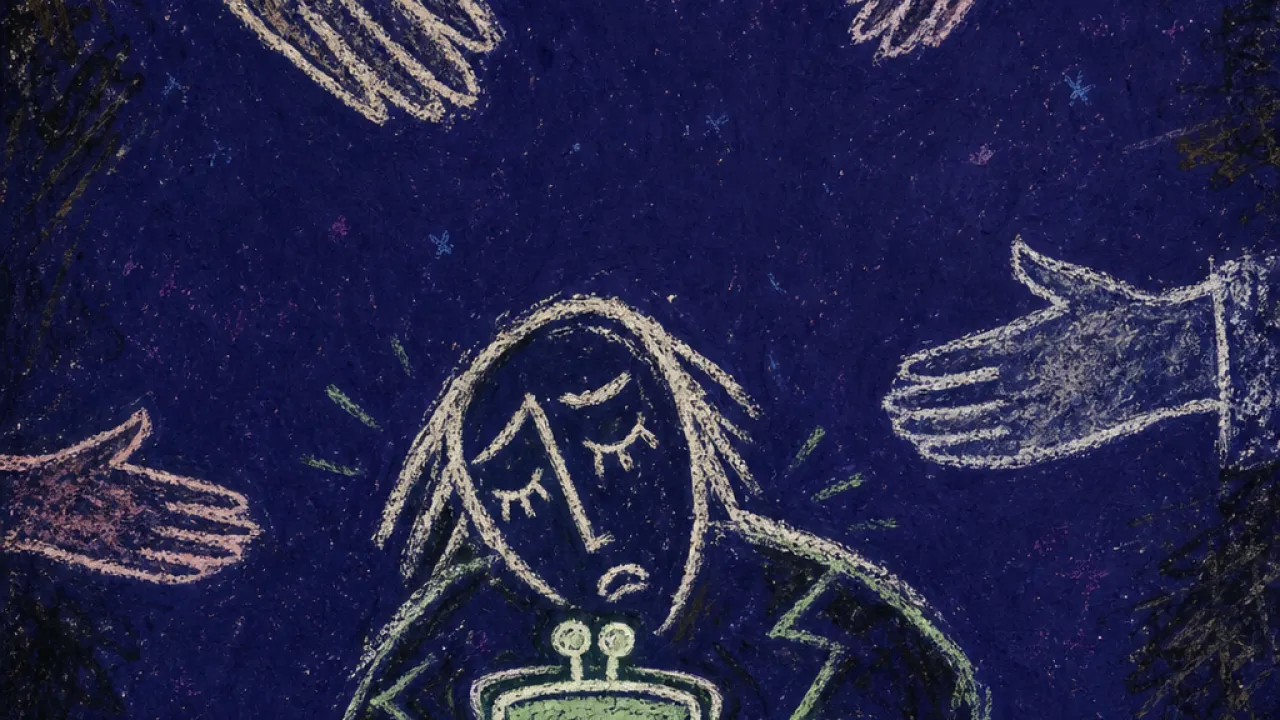
A solitary figure guarding a small purse as open hands and payment slips press inward from every side

What is this situation?

Financial Boundary Creep — you first notice it in something small: a friend says they forgot their wallet, a roommate asks you to cover the utility bill “just this once,” a partner assumes you’ll pay because you have the steadier paycheck, or a group dinner lands on your card while everyone promises to transfer later. At the start, it looks reasonable enough to let slide, because the request is wrapped in casual language and the amount is just low enough to make you feel awkward saying no. Then the pattern starts building: Venmo or Cash App reminders go unanswered, shared subscriptions stay under your name, repayment timelines keep moving, and every time you bring it up, the conversation gets reframed as you being rigid, petty, or too focused on money. The external pressure is rarely dramatic; it creeps in through jokes, delays, “I’ll get you next time,” last-minute emergencies, and the social discomfort of being the person who has to keep receipts. Over time, you are not just paying bills — you are managing the emotional atmosphere around asking to be paid back, deciding whether to push, whether to let it go, whether the amount is worth the tension. The cost becomes bigger than the money: it is the constant need to protect your own limits without being cast as ungenerous, much like the figure on the Four of Pentacles, arms and feet locked around their coins because every edge has to be guarded.

Why it's not you?

The issue is not that you are selfish, uptight, or bad with generosity — the issue is that the financial line keeps being moved without clear agreement. Delayed repayments, assumed coverage, vague promises, and social pressure are external patterns that make a simple boundary feel harder than it should. This situation has a shape: small exceptions becoming an expectation.

Financial Boundary Creep in Tarot Cards

Financial Boundary Creep turns ordinary money moments into a running negotiation over access, fairness, and what you are expected to cover. The tightness in your chest when another payment request lands is a signal from the situation itself, not a private flaw. This is an environmental, structural dynamic built through repeated small exceptions until the line moves without being openly discussed. These Tarot Cards reflect the shape of that pressure and the boundary you keep being asked to redraw.

Wheel of Fortune
Reversed
The large wheel fills the center of the scene while fixed figures occupy its corners and the symbols around it keep turning. That circular structure mirrors the repeating sequence of a small favor, a promise to transfer, a delayed repayment, and another request arriving before the previous one is settled. You are dealing with a cycle that looks different in each instance but routes the same risk through your account. The reversed orientation emphasizes repetition without meaningful correction. The pattern keeps presenting itself as a one-off emergency even though the timing has become predictable. The image makes the intervention point visible: the issue is not only the next bill, but the cycle that makes each next bill feel inevitable.
Justice
Reversed
The figure's scales and upright sword create a formal frame around a private friendship disagreement. In the reversed orientation, the balance is displaced: your friend can leave the unpaid amount vague and then make your request for repayment sound like a judgment on the friendship. You are being asked to prove that fairness belongs in the relationship before the actual expense is allowed back into view. The sword separates the amount owed from the emotional story attached to it. Friendship does not remove the need for clear terms, and a reasonable request does not become hostile because it is specific. The image reveals how scorekeeping becomes necessary when the other person has already made the exchange difficult to measure honestly.
The Hanged Man
Reversed
The figure hangs by one foot from a living tree, suspended in a fixed posture while the world remains still around him. In a repayment cycle, that image becomes the unanswered transfer, the moving deadline, and the promise that keeps the account waiting for a change that never arrives. You are not in a neutral pause; your money remains committed while the other person controls the timing of release. The reversed orientation makes the suspension feel maintained rather than deliberately chosen. Each new "next week" keeps the same financial arrangement in place and postpones the moment when the boundary has to be clarified. The image shows how waiting can become the mechanism through which a temporary favor hardens into an ongoing obligation.
Two of Pentacles
Reversed
The two pentacles remain tied inside an infinity loop while ships rise and fall on rough water behind the juggler. In reversal, adaptive budgeting becomes a recurring compensation cycle: unpaid transfers, shared bills, and surprise coverage keep returning to the same cash flow without reaching settlement. The blocked pathway appears when your personal budget must absorb other people’s timing uncertainty. You are no longer adjusting between your own priorities; you are keeping essential payments afloat while reimbursement promises move faster than the money arrives.
Three of Pentacles
Reversed
The figures meeting under three pentacles and consulting a shared plan depict friendship as coordinated participation rather than vague goodwill. In reversal, covered tabs and shared purchases repeatedly lose their contribution structure after one friend has already paid. The practical pathway is blocked by unequal follow-through, not by a lack of closeness. You may preserve the friendship’s plans by taking on payment and collection work, but that competence allows the friendship to avoid confronting who reliably contributes and who relies on flexibility.
Four of Pentacles
Upright
The coin on the crown, the pentacle held to the chest, and the two beneath the feet show a belief system built around total resource protection. Financial boundary creep can expose an opposing belief just as rigid: that a good friend or partner should release money whenever another person asks. The upright card keeps ownership visible as a legitimate resource. You can reconstruct generosity as a chosen transfer with defined limits, rather than a social identity maintained by covering costs and suppressing the discomfort of asking for repayment.
Six of Pentacles
Reversed
The standing figure hands coins to two kneeling recipients while balancing a scale in the other hand. Reversed, the friendship exchange shows one person remaining in the giver position while the other keeps receiving convenience without a dependable return. You are not merely sharing a cost; you are being assigned the resource role in the friendship, with repayment treated as a courtesy rather than part of the agreement. The scale makes reciprocity visible without reducing the friendship to an invoice. A close friend can need help, but the exchange still needs a path back toward balance. The image identifies the moment when care has stopped being mutual enough to remain sustainable and has become a pattern of one-sided financial access.
Seven of Pentacles
Reversed
The worker leans on the tool beside a visible cluster of pentacles, pausing for a return that should already be assessable. Reversal turns reasonable patience into an open-ended delay cycle in which each new repayment date asks for more waiting without adding evidence of follow-through. The timing pathway is blocked because social promises replace measurable progress. You can examine whether time is actually moving the payment toward completion or simply reducing the other person’s discomfort while your cash remains unavailable.
Knight of Pentacles
Reversed
The knight holds one pentacle above a motionless horse while prepared fields stretch across the background. In reversal, deliberate pacing loses its connection to completion, turning “later,” “after payday,” and “next time” into a stationary repayment process dressed as responsible delay. The blocked route is procedural reliability. You may receive specific-sounding dates and practical explanations, but the money does not move; examining the sequence of missed milestones makes the difference between a temporary slowdown and a repayment system that survives by continually resetting the clock.
Five of Swords
Upright
The foreground figure collects the swords while two people retreat behind him, making victory inseparable from relational loss. That scene mirrors a friendship where asking for repayment triggers a debate about whether you are generous enough, and the person avoiding the balance gains social ground by making the request feel embarrassing. You are left weighing a modest financial recovery against the possibility of being cast as difficult. The swords remain visible even after the conversation moves on. The friendship may return to normal on the surface, but the unpaid cost and the changed power dynamic continue to shape who can ask for what. The image identifies the conflict pattern in which preserving harmony requires one person to surrender the right to name the imbalance.
Seven of Swords
Upright
The figure walks away from camp with five swords tucked under one arm and turns his head back toward what he is leaving. That image mirrors the friend who accepts a covered expense, promises to transfer money, and then keeps moving the repayment conversation out of reach. You remain connected to the obligation while the other person exits the moment when it needs to be closed. The scene is quiet rather than openly confrontational, which matches the low-grade nature of the pattern. A joke, a missed notification, or a new emergency can be enough to carry the balance away from the friendship's active attention. The image shows how avoidance creates a private administrative role for you: remembering, documenting, and reopening what the other person keeps leaving behind.
Eight of Swords
Upright
The blindfolded figure stands bound among a ring of swords with a castle behind them, surrounded by visible barriers but not physically sealed inside one. That arrangement mirrors the social logic of financial boundary creep: the money problem is concrete, yet the fear of seeming difficult makes every available response feel restricted. You can see the unpaid expense, but the group reaction becomes an additional obstacle around it. The swords are positioned by other forces, while the figure's movement is constrained by the binding and blindfold. You are left negotiating not only the amount owed but also the risk that saying no will cost belonging, ease, or approval. The image identifies a choice environment where the practical options exist, but the surrounding social pressure makes them harder to use.
Seven of Wands
Upright
The figure’s higher ground, single defending wand, and mismatched shoes show a boundary being practised under real pressure rather than in perfect conditions. Financial boundary creep exposes the inherited belief that generosity must stay immediately available, especially when another person reacts badly to a limit. The upright card keeps the cognitive path open by distinguishing defence from hostility. You can reconstruct generosity as a chosen use of resources rather than a permanent social role, allowing another person’s disappointment to remain information instead of becoming automatic proof that you have failed them.
Ten of Wands
Upright
The figure bends under ten wands and cannot see the path ahead, carrying the whole bundle without another visible person sharing the weight. That image mirrors the friend who becomes the planner, payer, receipt keeper, and emotional buffer whenever shared expenses go unresolved. You are carrying not only the money but the repeated task of making repayment socially acceptable. The friendship can still look warm while the labor remains one-sided. Each small exception adds another administrative wand until the relationship is organized around your capacity to absorb inconvenience. The image shows why the real cost exceeds the balance on the app: your attention and social energy are being used to keep the exchange functioning.

Financial Boundary Creep in Tarot Card Reading Insights

Financial Boundary Creep often shows up in readings when someone has been turned into the default backup for shared costs, late repayments, or quiet financial pressure. From the cards, the focus shifts into how others have brought this kind of boundary drift into a session. Tarot Reading Insights from related readings appear below.


Psychological Contexts Related to Financial Boundary Creep