No Room to Recover

A concrete look at the daily pressure loop, with related tarot cards and reading insights from sessions.

Survival Mode Burnout
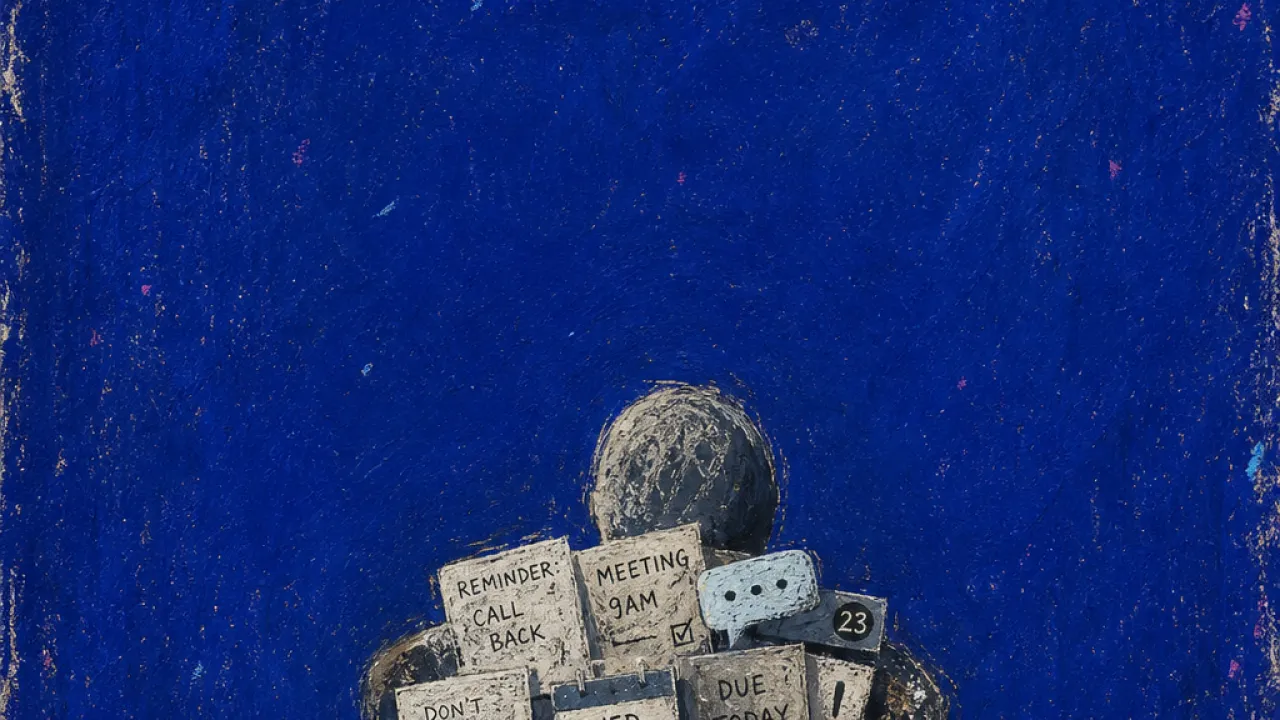
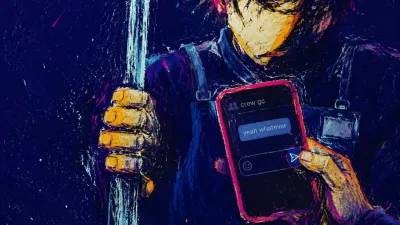
A solitary figure with shoulders locked forward as alerts, bills, and message bubbles press weight across the upper back

What is this situation?

Survival Mode Burnout — you wake up already behind, not because you failed to plan, but because the day has started before you got a clean pause from the last one. Your phone lights up before your feet touch the floor: a manager asking if you can jump on early, a rent reminder, a group chat deciding plans without checking your schedule, a delivery slot you missed, an appointment you forgot to move. You make coffee and stand in the kitchen with your shoulders braced, answering messages with one hand while mentally rearranging the whole day with the other. The power in the room always seems to belong to whatever is most urgent: the shift that changed, the bill that can't wait, the client who wants a reply, the landlord email, the inbox with a red number that keeps climbing. None of these demands looks dramatic on its own, which is why people around you can treat them like normal life admin, but stacked together they turn every hour into triage. You eat at odd times, cancel plans because one more thing came in, scroll at night because it is the only place no one is asking for a response, then wake up to the same pile rebuilt in a different order. The cost is not just tiredness; it is living with your body constantly prepared for impact, as if rest has to be justified before it is allowed, much like the figure on the Ten of Wands, bent forward with so many staves in his arms that the path ahead is almost blocked from view.

Why it's not you?

The problem is not that you are too sensitive or too disorganized; the pressure is being generated by a day that keeps handing you urgent demands with no clean recovery space. Constant schedule shifts, messages, bills, and expectations create a setup where rest becomes something you have to negotiate. That setup has a shape, and it is outside you.

Survival Mode Burnout in Tarot Cards

Survival Mode Burnout has a specific shape: the day keeps rebuilding the pile before you get a clean pause. The shoulders braced over coffee, the red inbox number, and the body prepared for impact all point to pressure coming from outside you. This is an environmental, structural dynamic, not a measure of whether you are handling life well enough. The Tarot Cards below reflect the visible outline of that pressure and the way it stacks.

The Chariot
Reversed
Two differently coloured sphinxes sit before a stone chariot while the driver stands without visible reins, making forward motion dependent on coordinated forces. Reversed, those forces pull against a shared route, resembling a life direction repeatedly diverted by work emergencies, money pressure, missed admin, and other people's changing schedules. You may still be exerting enormous control at the level of each individual day while losing control over where those days accumulate. The stalled vehicle reveals the strategic cost of survival mode: effort remains available, but it is spent correcting immediate deviations rather than carrying you along a chosen path.
Temperance
Reversed
Water passes between two cups while the figure keeps one foot on land and one in water, creating a scene built around regulated flow and stable integration. Reversed, that circulation cannot settle: work, food, sleep, errands, and social time keep being poured into one another until no part of the day retains a clear function. You are not dealing with a missing productivity technique so much as a broken recovery rhythm. The disrupted exchange reveals how survival mode develops when every time block is forced to compensate for another, leaving the whole lifestyle dependent on continuous improvisation.
The Devil
Upright
Two figures stand chained beneath an elevated authority, with material symbols embedded in a scene of dependency and constrained movement. The chains remain visible and relatively loose, yet work, rent, and financial continuity make stepping away materially costly, capturing how an always-on job can control time without requiring literal force. You may appear to be consenting each time you answer early, stay late, or absorb another urgent task, while the employment system quietly sets the price of refusal. The upright scene reveals the binding structure behind that availability: income and security remain accessible, but only through a pattern that continually claims recovery time.
Two of Pentacles
Reversed
The juggler moves two pentacles through one loop as rough water destabilises the ships behind him. Reversed, the work pattern loses its adaptive quality and becomes priority churn: a manager changes direction, a client escalates, and yesterday's plan is discarded before it can produce completion. You are being asked to demonstrate flexibility in conditions that provide no stable baseline and no backup capacity. The interrupted loop reveals how constant reprioritisation transfers organisational volatility into your body, calendar, and unfinished workload.
Queen of Pentacles
Reversed
The seated queen cradles a pentacle within a fertile garden, surrounded by signs of shelter, food, and embodied maintenance. Reversed, those practical resources remain visible but become difficult to receive, reflecting a day in which caring for the home, body, and budget is continually displaced by demands that appear more urgent. You can be highly competent at keeping material life functioning while your own access to that stability erodes. The inverted domestic scene reveals how survival mode converts self-maintenance into the task that is always postponed, even though every other responsibility depends on it.
Four of Swords
Reversed
A still figure lies within a defined resting chamber while swords remain suspended above and beside the body. Reversed, the body has stopped moving without receiving safety from demand, resembling the late-night state in which work has ended but notifications, tomorrow's deadlines, and unfinished admin remain active in the psychological background. You may call this downtime while your attention is still monitoring for impact. The reversed chamber reveals the hidden difference between inactivity and recovery: the body is physically off task, but the external system remains mentally present and therefore continues to consume the pause.
Nine of Swords
Upright
Nine swords line the wall above a figure sitting upright in bed with their face covered, while the patterned quilt anchors the scene in the night. The external demands are no longer physically in the room, yet deadlines, bills, forgotten appointments, and unanswered messages continue as an internal replay. You are encountering the after-hours cost of a day that allowed no processing interval. The visible wall of swords reveals how unfinished external demands occupy psychological storage, turning sleep time into the only remaining space where the backlog can force itself into awareness.
Knight of Swords
Upright
An armoured rider charges beneath wind-torn clouds, sword raised as the horse moves at full force through bent trees. The upright momentum provides decisive speed, but in survival mode that capacity is repeatedly commandeered by deadlines and requests framed as emergencies. You can become highly effective at responding fast while losing access to slower forms of timing such as sequencing, preparation, and recovery. The charging scene reveals a system that rewards immediate mobilisation, making constant acceleration look necessary even when the pattern is consuming the capacity required for the next day.
Five of Wands
Upright
Five figures move crossing staves through the same contested space, each action interfering with the others despite their shared setting. The workplace equivalent is a stream of managers, clients, and teammates presenting incompatible priorities without a functioning mechanism for resolving them. You may spend more energy mediating urgency than completing the work attached to it. The upright scene makes the conflict visible, revealing that burnout is being generated by coordination failure and competing authority rather than by the difficulty of any single assignment.
Eight of Wands
Upright
Eight staves travel in parallel through open air toward a settled landscape, suggesting multiple arrivals already in motion. In a workplace shaped by chat alerts, client messages, and shifting requests, that speed becomes an inbound workload whose timing is set before anyone checks your existing capacity. You can respond efficiently and still be trapped in a structurally unfinishable stream. The upright flight reveals that communication velocity is functioning as workload allocation, allowing each incoming message to bypass planning and arrive as an immediate obligation.
Nine of Wands
Upright
One bandaged figure stands before a row of eight staves, gripping the ninth while watching the open side of the scene. The upright posture carries usable resilience, but the guarded body shows how repeated external disruption can remain cached as readiness for the next interruption. You may notice yourself bracing before the phone rings or scanning a calm moment for what has been forgotten. The barrier reveals the logic beneath that response: vigilance has repeatedly helped you preserve functioning, so the psychological system keeps it active even when no immediate demand is visible.
Ten of Wands
Upright
Ten staves are bundled into the arms of one bent carrier, while the workplace-like destination remains ahead and the route is barely visible. The upright figure is still delivering, which mirrors a job where chronic understaffing or unchecked scope is masked by one person's ability to keep producing. You may receive evidence that the arrangement works every time you complete another impossible day. The image reveals the organisational distortion inside that success: responsibility has been concentrated without equivalent authority, support, or recovery, making your reliability the mechanism that keeps excessive workload from becoming publicly visible.

Survival Mode Burnout in Tarot Card Reading Insights

Others bring Survival Mode Burnout into readings when the day feels like a pile that rebuilds before any clean pause arrives. The list below moves from the cards into those reading moments, where the same pressure shows up in different spreads. Explore Tarot Reading Insights connected to this situation.
Psychological Contexts Related to Survival Mode Burnout