When the Sink Greets You Before the Coat Comes Off
When a late-20s hybrid worker tells me her apartment kitchen is visible from the front door and her mood drops before her coat is even off, I know I am not looking at a laziness problem. I am looking at a very specific kind of domestic shame trigger.
Jordan, 28, a marketing coordinator in a hybrid tech job in Toronto, sat across from me after work and described 6:41 p.m. on a Wednesday in her small rental: tote dropped by the door, shoes half-kicked off, radiator heat making the place stuffy, kitchen light still off, one last Slack buzz in her hand. From the doorway she could already see a plate, a glass, and a pan in the sink. Her chest tightened while her stomach dropped, and her limbs went heavy before she had touched a single thing.
"It is never just the dishes," she said. "I know it is a tiny task, but it feels weirdly loaded." Her question sounded exactly like the ones people type into a search bar late at night: why do dishes make me feel guilty, why do chores make me feel like a child again, why can't I just do the dishes after work without spiraling?
The shame she described had the feel of a hidden subwoofer under the kitchen floorboards - one glance at the sink and her whole body thudded with the bass note of you're in trouble. She wanted dishes in the sink to be a normal adult chore. Instead, a few cups could make her feel like a bad kid again. It was a housework shame spiral in miniature, fast and mean and wildly out of proportion to the actual pan.
I nodded. "It's not just the dishes," I told her. "It's the verdict attached to them. Let's make a map for that moment, so we can separate the task from the story and find some clarity."
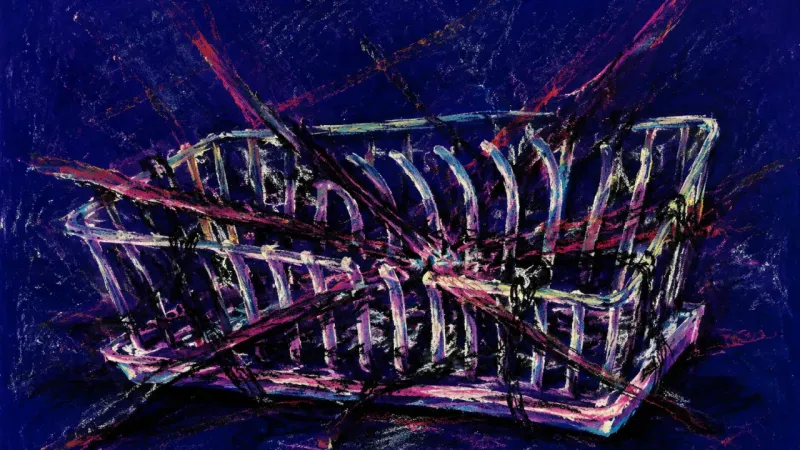
Choosing the Compass: The Shadow Spread for Chore Guilt
I asked her to plant both feet on the rug and take one full breath before I shuffled. In my reading room I keep the sound low - usually a soft, even instrumental pulse - not as theater, but because overloaded nervous systems focus better when the room has one steady thing in it.
For this question I chose a five-card spread I use often for shame triggers at home: The Shadow Spread · Context Edition. For questions like why does housework make me feel like a child again, this is one of the clearest tools I know. How tarot works, at least in my practice, is not by handing down abstract card meanings from on high. It works by showing card meanings in context, following a clean chain from symptom to defense to root imprint to healing reframe to next step.
I laid the cards in a straight line from left to right, like a hallway that opens a window near the end. The first card would show the exact domestic trigger. The second would reveal the freeze loop itself. The third would point to the older emotional imprint behind the "bad kid" feeling. The fourth - the turning point - would challenge the whole contradiction. The fifth would translate the insight into a grounded, adult response she could actually use in her kitchen this week.

The Hallway from Burden to Freeze
Position 1: The Whole Day Lands in the Sink
Now I turned over the card that shows the exact domestic trigger that activates the whole problem: seeing ordinary dishes and instantly feeling morally exposed.
Ten of Wands, upright.
This was burdened fire in excess. I told Jordan that the card was painfully literal for her: she walks into her small Toronto apartment after a hybrid workday, sees a few dishes from across the room, and suddenly the sink is holding Slack fatigue, rent-week math, groceries she forgot to buy, the laundry chair, and the pressure to look like she has adult life under control. The task is small. The load attached to it is not.
The image on the card matters here: the bundled wands block the figure's line of sight. That is exactly what happens in a domestic shame spiral. She stops seeing "a few dishes" and starts seeing every open browser tab in her life collapsed into one domestic screenshot. The sink becomes the final straw meme, except the straw is a pan and the collapse is about self-worth.
Jordan gave a short laugh with a bitter edge. "Okay," she said, "that's accurate enough to be annoying."
"Good," I said. "Because this card already tells me the dishes are not carrying their own weight. They're carrying everything else too." Her shoulders did not relax yet, but her expression shifted. Recognition had begun.
Position 2: The Fake Paywall Around One Mug
Then I turned the card that reveals the habitual coping loop: freeze, self-monitor, and delay.
Eight of Swords, upright.
This was blocked air - thought turned cage. I described the exact scene the card was echoing: Jordan on the couch at 8:47 p.m., phone in hand, dark kitchen in the corner of her vision, TikTok sound low, thumb still moving while her mind narrates the task. I should do it. I can't do it right now. If I start, I have to do all of it. In that state, one mug does not feel like one mug. It feels like a full character trial.
The blindfold and the loose bindings are why I love this card for chore guilt. The first move is technically available, but shame has put it behind a fake paywall. Externally, the action is simple. Internally, it feels fenced off by over-analysis and self-surveillance. Shame makes small tasks feel morally loud.
She let out a sharp exhale and glanced at the phone face-down between us. "That is me on the couch every night," she said. "I spend more energy rehearsing the dishes than doing them."
"Exactly," I told her. "This is not a motivation deficit. It's a freeze pattern. The card is asking the same thing I would ask in plain language: what happens in the ten minutes after you notice the sink? Because that loop is costing more energy than the washing up."
Position 3: Adult Apartment, Younger Nervous System
The third card pointed to the earlier emotional imprint behind the line, "I feel like a bad kid again," and showed how the past leaks into the present.
Six of Cups, reversed.
This was water in backflow. I kept the interpretation simple and close to the body. A normal adult kitchen suddenly feels emotionally linked to an earlier home. The reaction gets younger before the mind does. The sink no longer reads as unfinished cleanup; it reads like being in trouble, like she should have known better, like disappointment is already in the room waiting for her.
That is why this card lands so hard in domestic shame. The emotional age of the reaction feels younger than the actual moment. It is today's sink overlaid with yesterday's report card. Or, in more modern language, adult apartment, younger nervous system - the present running childhood code.
I asked her, quietly, "When this hits, do you feel your age?"
Her fingers tightened around her tea cup and then loosened. Her gaze drifted past me for a second, not dissociative exactly, but as if memory had entered through a side door. "No," she said. "I feel supervised."
That one word changed the temperature in the room. We did not need to excavate every old scene. The card had already done its job. It showed us that the intensity was old data leaking forward, not proof that the current task was objectively huge.
When Judgement Sounded Like a Wake-Up Cue
Position 4: The Trumpet Over the Inner Courtroom
When I turned the fourth card, the radiator gave a small click and the room went oddly still, as if even the air wanted the next sentence to land cleanly.
Now I was looking at the card that challenges the contradiction and delivers the healing lesson that changes the reading.
Judgement, upright.
In the Rider-Waite-Smith image, the trumpet calls people upward, out of old coffins and into recognition. In Jordan's life, that looked less mystical and more practical: the intensity in her body was not proof that the sink was serious. It was a signal that an old shame pattern had been activated. The kitchen had turned into an inner courtroom, and this card was here to interrupt the trial.
Because sound is my native language, I read this moment through a tool I call Music Pulse Diagnosis. Ten of Wands had overloaded the track. Eight of Swords had looped it. Six of Cups reversed had sampled an old household feeling over the top. Judgement was the clean cue tone - the one that tells everyone in the studio, live mic, come back to the present. The trumpet on this card was not condemnation. It was a wake-up signal.
By then Jordan was sitting with her knees locked and her shoulders near her ears, still caught in the old logic that if the sink felt this bad, maybe it really was saying something bad about her.
The sink is not a courtroom, and you do not need another guilty verdict; answer the trumpet of Judgement by waking up as the adult who can choose care over condemnation.
I let the line sit between us for a beat.
First she went completely still. Her breath caught high in her chest, and the fingers that had been worrying the cuff of her sweater just stopped. Then recognition moved across her face in that private, sideways way it does when a memory has entered the room before the mind has words for it. Her eyes lost focus for a second, as if she were back at some earlier kitchen threshold. When she finally spoke, there was a flash of anger inside the fear. "But if that's true," she said, "then I've been letting a sink grade me."
"Yes," I said gently, "but that doesn't mean you were foolish. It means an old script has been using the sink as a microphone. That's different. Judgement isn't here to shame you for having the script. It's here to show you that you don't have to keep performing it."
Her shoulders dropped a full inch. The next breath came out shaky, almost irritated, then softer. I watched the room come back into her eyes. That moment always reminds me of the cue tone in a radio booth: chatter, static, cross-talk - and then one clean signal that tells everyone what is live now. I gave her what I call a Breath Soundtrack for the trigger itself: four counts in, six counts out, one hand on the counter, long enough for the adult part of her to come back online before the critic grabbed the mic again.
"Now," I asked, "with this lens, think about last Sunday. If you'd had this sentence in the kitchen, what would have felt different?"
She looked at the card, then past it toward the window. "I think I would've turned on the light," she said. "And maybe just washed three things. I wouldn't have made it mean I was failing."
That was the first real shift: from shame-driven paralysis and moral self-judgment to adult self-recognition and the beginning of steadier practical calm.
Position 5: One Warm Light, Three Dishes, Enough
Then I turned the final card, the one that translates insight into a grounded adult response: a practical, non-punitive way to care for the space and the self.
Queen of Pentacles, upright.
This was balanced earth - grounded care without drama. The modern version appeared instantly in my mind: one warm light, water on for tea, three dishes only, then stop. Not a late-night punishment clean. Not a full-apartment redemption arc. Just supportive maintenance in a real small kitchen.
The Queen of Pentacles cradles the pentacle instead of gripping it, and that detail matters. Her energy is steady, not strained. I told Jordan, "This card rewrites maturity for you. Maturity is maintenance, not performance." She is not trying to look effortless for some invisible audience. She is creating a home she can actually live inside.
I could see the card land. For the first time that evening, Jordan smiled without apologizing for it. The smile was slight, and a little tired, but it was hers.
Maintenance, Not Performance
When I stepped back from the full line of cards, the story they told was almost elegant in its logic. First, the sink had been forced to carry the emotional weight of work stress, money stress, and self-worth. Then shame trapped her in a mental cage where one mug felt impossible unless she could also clear her conscience. Under that sat the real shadow: a present-day Toronto kitchen being overlaid with older household code, so today's task kept arriving as yesterday's report card. The blind spot was not a lack of discipline. It was a misread. Jordan had been treating activation as evidence.
This reading pointed in one clear transformation direction: separate chores from self-worth, then answer with supportive maintenance instead of punishment cleaning. That is the courtroom-to-kitchen shift. It is also why this five-card Shadow Spread for chore guilt works so well. It does not tell someone to become more worthy. It helps them remove meanings that never belonged to the dishes in the first place.
I like actionable advice to be almost boring. If a tarot reading cannot survive Tuesday night in a rental kitchen, it is not finished. So I gave Jordan three next steps.
- Courtroom-to-Kitchen Check-In The next time Jordan walks in and sees the sink - especially right after work - she is to stop in the kitchen doorway, place one hand on the counter, take one 4-in/6-out Breath Soundtrack cycle, and say quietly, "This is today's task, not yesterday's verdict." Then she opens her Notes app and makes two columns: "What is actually here" and "What my brain is adding." Example: "3 dishes, 1 pan" versus "lazy, behind, disappointing." Total time: about two minutes. If saying it out loud feels cheesy, she can text the line to herself instead. The goal is not to force calm. The goal is to notice which voice is talking.
- The Three-Item Reset + BGM Prescription For one week only, in the evening kitchen, she turns on one warm light, puts water on for tea, and plays one low-tempo instrumental, soft piano loop, or gentle rain track at roughly resting-heartbeat speed. Then she washes exactly three items - pre-chosen before she starts - and stops. Total time: four to six minutes. If guilt says she has to keep going until the room looks like CleanTok, stopping on purpose is the rep. If the apartment feels acoustically harsh that night, she can swap in soft brown noise as White Noise First Aid.
- First-Touch Method for Couch Nights If she is already doomscrolling while the dark kitchen gets louder in her head, she waits for the next app loading screen, stands up, and either touches the first dish or carries one mug to the sink. She sets a 90-second timer and is allowed to stop when it ends, even if all she did was rinse one plate. This is not an efficiency hack. It is an Eight of Swords antidote. A micro-start still counts, because the real target is interrupting paralysis, not earning a gold star.
A Week Later, the Kitchen Sounded Different
Six days later, Jordan texted me at 9:03 on a Saturday morning. Same visible sink. Same small kitchen. Different inner soundtrack. She had turned on the stove light, made coffee, washed three things, and left one pan for later. "The old voice still showed up," she wrote, "but it sounded farther away. I left the pan and still sat down with my coffee."
That is the kind of finding clarity I trust. The Shadow Spread · Context Edition did not turn her into a different person or a perfect cleaner. It moved her from bad-kid feeling to adult self-recognition, from inner courtroom to grounded care. The sink stayed ordinary. So did she.
Sometimes the hardest part is not the plate in your hand, but that split second when your chest drops and an ordinary sink starts sounding like proof that you are disappointing someone again. When that happens, I hope you hear what Judgement gave Jordan: not a verdict, but a cue to wake up in the present.
If the sink didn't get to grade you tonight, what would the smallest, kindest version of care look like from the adult you are now?
This story is adapted from psychological research, written so that those in a similar struggle can see their own pattern in it — and find their next step clearly.These insights are not a substitute for professional psychological, medical, legal, or financial advice.
Learn more about our Journey to Clarity.
How did this insight land for you?
🫂 This Resonates Deeply
🌀 Living This Story
✨ Now I See Clearly
🌱 Seeing New Possibilities
🧰 Useful Framework
🔮 The Confirmation I Needed
💪 Feeling Empowered
🚀 Ready for My Next Step
Author Profile
 AI
AI“Through ten years of sound energy research, I’ve found that when we struggle, it's usually just our internal rhythm falling out of sync under pressure. I know firsthand the frustrating helplessness of wanting to move forward but feeling paralyzed. Without overwhelming theories, I want to be the soothing background track that helps you recalibrate, turning your heavy burdens back into a light, effortless, and harmonious melody.”
In this Introspection Tarot Reading :
Core Expertise
- Mental Noise Cancellation: Diagnosing severe internal friction not as a moral failing, but as a chaotic overlapping of incompatible psychological frequencies.
- Resonance Healing Calibration: Identifying the 'dissonant baseline' of your chronic anxiety and calculating the specific acoustic or rhythmic input needed to soothe it.
Service Features
- The Frequency Reset Pause: A customized rhythmic breathing or acoustic grounding technique to forcefully lower your brainwave state from a frantic beta frequency to a restorative alpha state.
Also specializes in :
Explore Related Patterns:
Emotional RegressionJordan is standing in her own adult apartment, but the reaction does not feel adult-sized. The current kitchen starts to feel linked to an earlier home, and when she is asked whether she feels her age, the answer is direct: she feels supervised. Emotional regression is the pattern where a present trigger pulls You into an older emotional state before your rational mind catches up. In Jordan's case, the sink does not simply say cleanup is unfinished; it makes the room feel like yesterday's report card. The useful audit is not whether the chore is small, but which age inside You is being asked to answer for it.
Guilt ConditioningJordan sees a plate, a glass, and a pan from the doorway, and her body reacts before the task begins: chest tight, stomach dropping, limbs heavy. The sink is not being processed as neutral evidence of an unfinished chore; it is being processed as a cue that she is in trouble. That is the mechanism of guilt conditioning. A domestic cue has become paired with moral exposure, so the adult task pulls forward an older verdict: she should have known better, someone is disappointed, she has failed a basic test. You are not looking at laziness here; You are looking at a learned guilt response that needs to be separated from the actual dishes in the sink.
Self-Judgment LoopThe kitchen becomes an inner courtroom for Jordan, and the sink starts handing down a verdict before she has done anything. Her own line lands with precision: she has been letting a sink grade her. Self-judgment loop is the cycle where a small external cue gets converted into a global assessment of the self. The plate, glass, and pan are no longer just objects; they become evidence in a case about whether You are failing. The exit begins when the audit separates the facts of the room from the judgment voice trying to narrate them.
Shame-Driven DelayJordan's couch loop is very concrete: dark kitchen in the corner of her vision, phone in hand, the thought stream repeating that she should do it, cannot do it right now, and would have to do all of it if she started. She is not ignoring the task; she is rehearsing it until the rehearsal costs more energy than the washing up. Shame-driven delay happens when starting a task means entering a moralized story about who You are. One mug stops being one mug and becomes a test of whether You are lazy, behind, disappointing, or adult enough. The delay is protective in the short term because it postpones the verdict, but it also keeps the sink emotionally loud.
Emotional ReasoningWhen Jordan's chest drops at the sink, the body sensation quickly starts to act like evidence. If it feels this bad, a part of her assumes the sink must be saying something true about her. Emotional reasoning is the cognitive shortcut where emotional intensity gets mistaken for objective reality. In this case, shame feels like proof of failure, even though the visible facts are only a few dishes. For You, the turning point is learning to read activation as a signal that an old pattern has been triggered, not as a reliable verdict about the present.
Freeze ResponseAt 6:41 p.m., Jordan has barely entered the apartment before her body goes heavy at the sight of the sink. Later, she can sit on the couch with the kitchen in view, phone moving in her hand, while the first step remains technically possible but internally blocked. Freeze response names that gap between external simplicity and internal shutdown. The dishes do not require complex strategy, but the shame cue makes movement feel unsafe, as if touching one mug would start a trial she cannot win. For You, the key is that the body freeze is data about threat activation, not evidence that the task is actually impossible.
Explore Related Struggles:
Inner Tribunal LockThe kitchen turns into an inner courtroom before Jordan has touched a sponge. A few dishes become evidence, her body reacts like she is in trouble, and the ordinary sink starts sounding like a judge with a case already prepared. Inner Tribunal Lock names the moment when your own attention stops observing the task and starts prosecuting you through it. You are caught inside a private trial where the goal is no longer to clean the pan, but to escape the guilty verdict attached to seeing it there. The shift in the story happens when the courtroom frame is interrupted. The sink does not need to be argued with, confessed to, or appeased; it can be returned to its actual size as a domestic object waiting for care.
Productivity Shame BindJordan sees a plate, a glass, and a pan from the doorway, and the task instantly stops being about washing objects. The sink starts carrying Slack fatigue, rent-week math, forgotten groceries, the laundry chair, and the pressure to look like adult life is under control before she has even taken her coat off. That is the bind: a small maintenance task has been fused with a worth test. You are not just deciding whether to rinse a mug; you are trying to pass an invisible exam about being disciplined, grown, and acceptable. The more the chore becomes proof of character, the harder it is to approach it like ordinary care.
Inherited Vigilance LoadJordan is standing in her own Toronto rental, but the visible sink makes her feel supervised. The present-day kitchen stops reading as a private adult space and starts carrying the atmosphere of an earlier room where unfinished tasks meant being watched, corrected, or found disappointing. Inherited Vigilance Load is not about the dishes being difficult. It is about an old monitoring system switching on before your current self has had time to assess the actual scene. You see a plate and a pan, but your body receives them as evidence that someone is about to check whether you are good enough. The story keeps the distinction clean: the old voice still shows up, but it can sound farther away. That distance matters because it lets you answer the current kitchen instead of obeying the older household code that arrived with it.
Burden Identity FusionFrom the doorway, the basin holds more than dishes. Jordan sees a plate, a glass, and a pan, but the scene also carries the late Slack buzz, the money math, the groceries not bought, the laundry chair, and the pressure to look like she has adult life under control. Burden Identity Fusion names the moment when ordinary load becomes self-definition. You are not only facing a chore; you are facing a compressed screenshot of everything that feels unfinished, unhandled, or capable of being used as evidence against your competence. The tension is visible because the actual dish count stays small while the meaning keeps expanding. Clarity begins when the sink is allowed to return to its real weight instead of carrying the whole identity story at once.
Permission ParalysisAt 8:47 p.m., Jordan is on the couch with the kitchen in the corner of her vision, the phone still moving, and the task narrating itself louder than the task itself. The first move is technically available, yet it sits behind a rule that says starting one dish means taking on the whole room. Permission Paralysis captures that visible tug-of-war between action and authorization. You may have enough energy to rinse a mug, but not enough permission to let one mug count. The block forms around the idea that partial care is not legitimate unless it becomes a full cleanup, a full reset, or proof that you are back on top of everything. That is why the three-item reset matters in the story. Stopping on purpose is not laziness; it is the structural interruption of a rule that only allows care to exist as punishment or total redemption.
Explore Related Emotions:
Adult Child PanicJordan is standing in her own Toronto apartment, but the second she sees the sink, the emotional room changes. Her body gets younger before her thoughts can catch up: chest tight, stomach dropping, limbs heavy, and then the unmistakable sense of being watched or graded. Adult Child Panic names that sudden age-slip in the feeling tone. The present kitchen is still real, but it gets overlaid with an older household atmosphere where a mess meant being in trouble, disappointing someone, or failing a standard she was supposed to have already mastered. The panic is not about the pan. It comes from the split between the adult who knows this is a manageable chore and the younger part of you that feels supervised at the threshold. Once that split is visible, the sink no longer gets to define which version of you is in charge.
Shame SpiralJordan sees a plate, a glass, and a pan from the doorway before her coat is even off, and her body reacts before the task has technically begun. The dishes are ordinary, but the inner meaning attached to them is not; the sink has become a trigger that turns a tiny chore into a sudden collapse of self-worth. That is why Shame Spiral fits the story so closely. The feeling moves fast: chest tight, stomach dropping, limbs heavy, then the mental verdict that a few dirty items somehow say something about her as a person. You are not looking at a laziness problem here; you are looking at a moment where a household object starts speaking in the voice of moral failure. The emotional logic is circular and punishing: the sink makes you feel bad, feeling bad makes the task harder to start, and the delay then appears to confirm the original shame. Naming the spiral helps separate the dishes from the verdict, so the task can shrink back to its real size.
Verdict DreadThe sink greets Jordan before the lights are on, and the first message she registers is not “there are dishes here.” It is “you’re in trouble,” as if a plate and a pan have become witnesses in an inner courtroom. Verdict Dread captures the fear of being judged before you have even had a chance to act. The chore feels loaded because it is no longer just unfinished cleanup; it feels like a ruling on your character, your competence, and whether you are passing adulthood. That dread keeps the task morally loud. You are not simply deciding whether to wash a mug; you are bracing for the sink to say something final about you. The emotional repair begins when the verdict is recognized as an added story, not a fact produced by the dishes.
Capability ShameJordan keeps repeating the contradiction: she knows the dishes are a tiny task, but they feel weirdly loaded. That gap is what hurts. The easier the chore looks, the more humiliating it feels when her body cannot move cleanly toward it. Capability Shame is the sting of thinking a simple task should be simple for you, and treating your difficulty as evidence that something is wrong with you. The sink becomes a mirror that does not reflect the actual load; it reflects a harsh question about whether you are capable enough to be an adult. This emotion matters because shame feeds on disproportion. A few cups should not be able to make you feel like a failed person, but once capability is on trial, scale stops working. Naming the shame helps return the problem to its real size.
Grounded AgencyJordan imagines turning on the kitchen light, washing three things, and not making the remaining pan mean she is failing. The shift is practical, but it is also emotional: the task becomes something she can choose rather than something that can sentence her. Grounded Agency fits the moment when the adult part of her comes back online. She is not chasing a spotless kitchen to erase guilt, and she is not surrendering to the old voice either. She is making a bounded move in the present. The power of this feeling is its scale. One warm light, tea water, three dishes only, then stop. You reclaim agency by making the sink ordinary again and letting care be small enough to be real.
Chronic OverwhelmJordan walks in with Slack still buzzing in her hand, and the sink is visible before she has time to land in her own space. A few items in the basin become the place where the workday, rent-week math, missed groceries, laundry, and the performance of having life together all stack up. Chronic Overwhelm fits because the dishes are carrying far more than dishes. The task looks small from the outside, but internally it arrives as every open tab in her life collapsed into one domestic screenshot. The heaviness makes sense in that context. When the sink becomes the final surface for every unfinished demand, starting one small chore can feel like agreeing to face all of them at once. Separating the physical dishes from the accumulated load gives you a way to see what is actually there.
Clarity ReliefJordan starts with one tangled feeling: dishes, guilt, childhood, failure, and the sense that she should simply be better. The relief begins when the moment is mapped clearly enough to separate the visible task from the invisible story attached to it. Clarity Relief is the exhale that comes from realizing the sink is not objective proof of who you are. It is a trigger point where work fatigue, old household signals, and self-monitoring have been bundled together. That clarity does not erase the old voice in a week; it makes the voice sound farther away. You still hear it, but you no longer have to treat it as the most accurate thing in the room.
Performance FreezeJordan is on the couch at 8:47 p.m., phone in hand, with the dark kitchen sitting in the corner of her vision. Her mind is already doing the chore in rehearsal: she should do it, she cannot do it right now, and if she starts, she has to do all of it. Performance Freeze names the shutdown that happens when one small action has to prove too much. Washing one mug stops being a practical first move and starts feeling like a test of whether you can redeem the whole evening. That pressure makes the first step feel strangely fenced off, even when the action is physically available. The freeze is not empty laziness; it is the body refusing to enter a task that has been turned into a full character trial.
Quiet Self-TrustSix days later, Jordan turns on the stove light, makes coffee, washes three things, and leaves one pan for later. The old voice still appears, but she does not hand it the final say over her morning. Quiet Self-Trust is the understated confidence of letting an unfinished pan exist without turning it into a verdict. It is not loud certainty; it is the small internal permission to believe your own read of the moment. This matters because the story is not asking for perfection. It is asking whether you can trust yourself enough to stop on purpose, rest without a full redemption arc, and still know you are not failing.
Guilt-Free RestJordan leaves one pan in the sink and still sits down with her coffee. That detail is small, but it carries the whole emotional repair: she no longer has to earn rest through total domestic clearance. Guilt-Free Rest names the relief of letting enough be enough. The sink stays ordinary, the pan stays unfinished, and her morning is not revoked because one thing remains undone. For someone whose chores have been tied to moral evaluation, rest without a full cleanup can feel radical. You are allowed to care for the space without using the space to punish yourself.
Explore Related Contexts:
Adulting Performance PressureJordan walks into a small Toronto rental after a hybrid workday and sees a plate, a glass, and a pan before her coat is even off. The sink is not only holding dishes; it is also holding Slack fatigue, rent-week math, forgotten groceries, laundry, and the pressure to look like adult life is under control. Adulting Performance Pressure shows up when ordinary maintenance starts acting like proof of whether you are a competent adult. The external standard is bigger than the task, so one mug becomes a character trial and a private kitchen starts functioning like a public scorecard. For you, the useful distinction is between the dish itself and the performance contract attached to it. Once the sink is no longer allowed to grade your adulthood, the task can return to its real size: a few objects in water, not a verdict on your life.
Family Script PressureJordan names the shift with one precise word: supervised. She is standing in her own adult apartment, but the visible sink pulls her into a younger social position where unfinished cleanup reads like being in trouble, disappointing someone, or failing a household standard she did not consciously choose. Family Script Pressure is present here because the current kitchen is being governed by an older rule system. No one has to be physically standing in the room for that rule to keep operating; the story shows today's sink overlaid with yesterday's report card, turning a domestic task into an inherited evaluation scene. For you, the 'bad kid' feeling can be treated as evidence that a script is active, not evidence that the dishes have moral authority. The point is not to argue with the past, but to notice when an old household rule is trying to run the present.
Life Admin BacklogBy the time Jordan reaches the doorway, the dishes have already been drafted into a larger pile-up: work stress, rent-week math, groceries not bought, the laundry chair, and the general pressure of keeping a small adult life functional. The pan is not arriving alone; it is arriving with the whole queue of unfinished maintenance. Life Admin Backlog names the external condition where ordinary tasks stop appearing as separate steps and start merging into one oversized demand. The route from 'wash one thing' to 'reset my whole life' becomes too crowded, so a tiny chore inherits the weight of every open loop. For you, the practical clarity comes from separating the queue from the object in front of you. A sink can be part of a backlog without becoming the spokesperson for the entire backlog.