Always One Sentence Ahead?
A grounded look at inherited family watchfulness, related tarot cards, and reading insights from people who bring it into sessions.

Inherited Vigilance Load
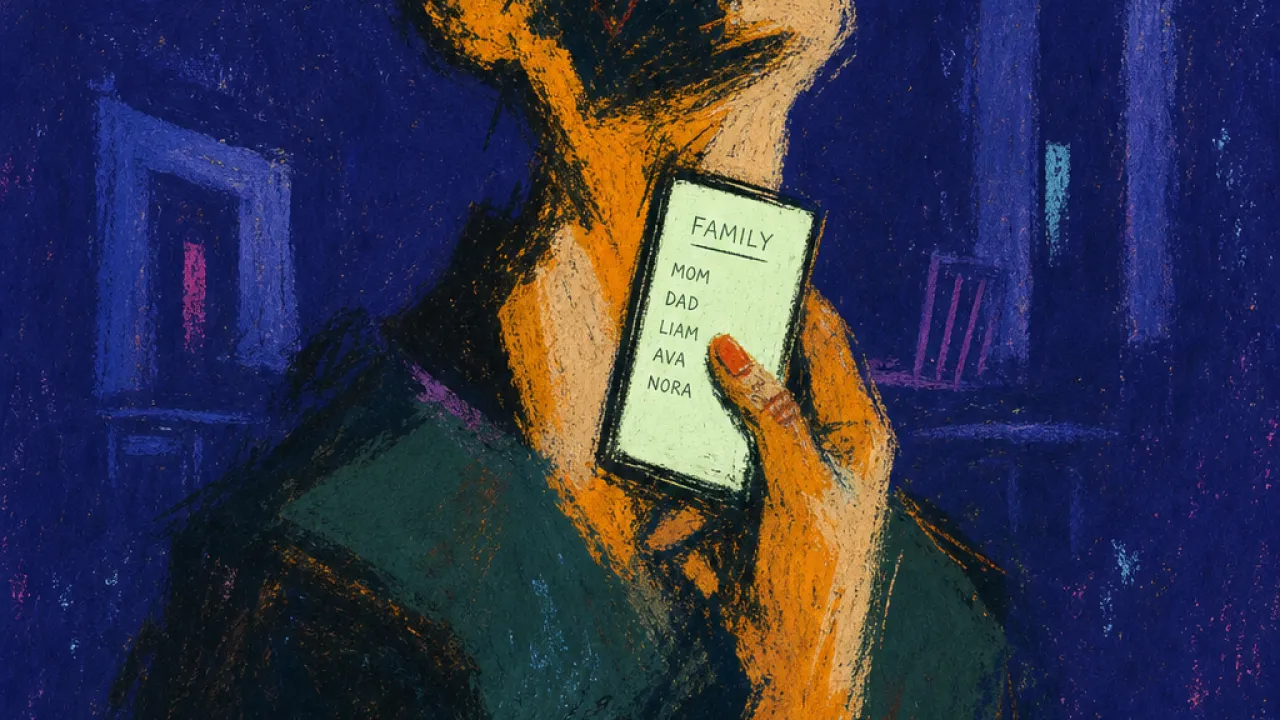
What does this feel like?
Inherited Vigilance Load — you can be halfway through a normal Tuesday when your phone lights up with a family name, and your whole body starts taking inventory before you have even read the message. Your thumb hovers over the screen, your jaw locks, and some older part of you begins checking the weather inside one sentence: the punctuation, the delay, the missing emoji, the way a simple “call me” can make your stomach drop before anything has happened. You tell yourself you are being dramatic, then immediately start preparing three different versions of what you might say, depending on which mood is waiting on the other side. In a room with family, you can be laughing, passing a plate, answering a harmless question, and still quietly tracking the angle of someone’s voice, the length of a pause, the moment the air shifts by half an inch. The hard part is that this watchfulness often looks like competence from the outside. You seem prepared, thoughtful, good at reading the room. Inside, though, rest keeps getting postponed until every signal has been checked, and even then your body does not fully believe the shift is over. You carry alertness as if it were a private responsibility, as if staying one sentence ahead of the room is the only way to keep your footing. The cost is not just tiredness; it is the way ordinary contact starts taking up the space where your own day, your own wants, and your own quiet could have been, until you feel less like a person in the room and more like someone stationed at its edge, much like the Page of Swords standing on a high, uneven ridge, both hands fixed around a raised blade while the wind pushes through the scene and the eyes search somewhere else for the threat that has not fully appeared.
What's pulling at you?
You are caught between wanting family contact to feel ordinary and needing to read the room before the room changes. Part of you wants to answer a message, sit at the table, or have a normal call; another part is already one sentence ahead, tracking tone, timing, silence, and what might be required from you next. The lock happens when rest starts to feel unavailable until every cue has been checked.
How It Shows Up?
- Your phone lights up with a family name, and before you even open the message your thumb pauses above the screen. Your throat tightens, your jaw sets, and your eyes start measuring punctuation, timing, and what might be hidden under one ordinary sentence. The room around you goes quiet in that Page of Swords way, all wind and rough ground, as if your body has stepped onto a ridge before your mind has agreed to move. You can put the phone down for a minute and read the message once, not twelve times.
- You walk into a family dinner or weekend visit and start mapping the room before you take your coat off: who is quiet, who is too cheerful, who avoided eye contact, which chair keeps you closest to the exit. Your shoulders lift without permission, your ribs feel held from the inside, and your smile arrives a second before the rest of you does. The whole scene has the fence-like pressure of Nine of Wands, not dramatic, just arranged around what might come next. You can notice the room without agreeing to carry the whole room.
- You sit back at your laptop after a call that was technically fine, but the task in front of you keeps blurring. You read the same line three times while your neck stays stiff and your stomach keeps replaying the exact moment their voice went flat, even though nothing obvious happened. A small part of you is still on watch, holding the wand up while the rest of your day waits behind it. A slow return to the task is allowed; you do not have to switch back instantly.
- You are out with friends or sitting with a partner, and someone’s tone shifts by half an inch. Your body reacts before the conversation does: chest tight, breath shallow, mind already drafting an explanation, an apology, a backup version of yourself. Everyone else is still in the moment, but you are standing just outside it, scanning the edge of the room for the old script to enter. You can ask one simple question instead of building a whole defense in your head.
- You lie in bed after an ordinary family exchange, and the quiet does not feel quiet yet. Your ears stay tuned to the phone, your tongue presses against the back of your teeth, and your shoulders remain braced as if the conversation is still happening somewhere in the dark. Sleep is close, but your body keeps checking the perimeter, like rest has to wait until every signal has been cleared. You can let the room be quiet for one minute before deciding what anything meant.
Inherited Vigilance Load in Tarot Cards
When a normal family text can make your throat tighten and your thumb hover over the screen, the issue is not the message alone; it is the watch duty that arrives with it. From an existential angle, the structural framework of Inherited Vigilance Load is the cost of being present while part of you is already scanning the exits. The cards below do not turn that into a lesson; they make the shape of that readiness visible. Here are the Tarot Cards that tend to mirror this pattern.
Inherited Vigilance Load in Tarot Card Reading Insights
When Inherited Vigilance Load turns a family text into a full-body scan, people often bring that same watchful feeling into readings. The shift here is from the cards themselves to what comes up when someone asks about staying one sentence ahead of the room. Tarot Reading Insights from sessions shaped by this pattern.

After Mom's 'I'm Sorry' Lands Cold: Freeze, Grief, and a Safer Pace
Topic:Family Tarot Reading
Struggle:Relational Boundary Drift
Context:Family Script Pressure

When "We’re Out of Milk" Is Information, Not a Character Review
Topic:Personal Growth Tarot Reading
Struggle:Unspoken Expectation Load
Context:Direct Communication Trial

When Cabinet Doors Sound Like a Verdict, Start With Facts, Not Guilt
Topic:Introspection Tarot Reading
Struggle:Inner Tribunal Lock
Context:Unspoken Expectations Gap

When Splitting the Bill Opens the Old Courtroom: Naming What's Fair
Topic:Love Tarot Reading
Struggle:Power-Intimacy Split
Context:Direct Communication Trial

When a Calm Job Offer Felt Small: Choosing Stretch Plus Steadiness
Topic:Choice Tarot Reading
Struggle:Inner Compass Overload
Context:Career Transition Fog

Parents Asking About Savings—and Learning to Hear Facts, Not Verdicts
Topic:Family Tarot Reading
Struggle:Inner Tribunal Lock
Context:Cost-of-Living Pressure

When 'No Rush' Lands Like an Alarm: From Panic Replies to Steady Pace
Topic:Personal Growth Tarot Reading
Struggle:Inherited Vigilance Load
Context:Family Script Pressure

Over-Explaining Late Texts: From Old House Rules to Adult Voice
Topic:Study Tarot Reading
Struggle:Internal Authority Collapse
Context:Direct Communication Trial

From the Good Kid Role to One Honest Sentence Back Home
Topic:Friendship Tarot Reading
Struggle:Belonging-Authenticity Split
Context:Family Script Pressure

When 'Where Are You Going?' Turns You 12 Again: One Clean Boundary
Topic:Friendship Tarot Reading
Struggle:Permission Paralysis
Context:Family Privacy Negotiation