Why Does This Guilt Feel So Heavy?

Explore the heavy, lingering feeling, the tarot cards that reflect its contours, and reading insights from others who brought it to a spread.

Complicity Guilt
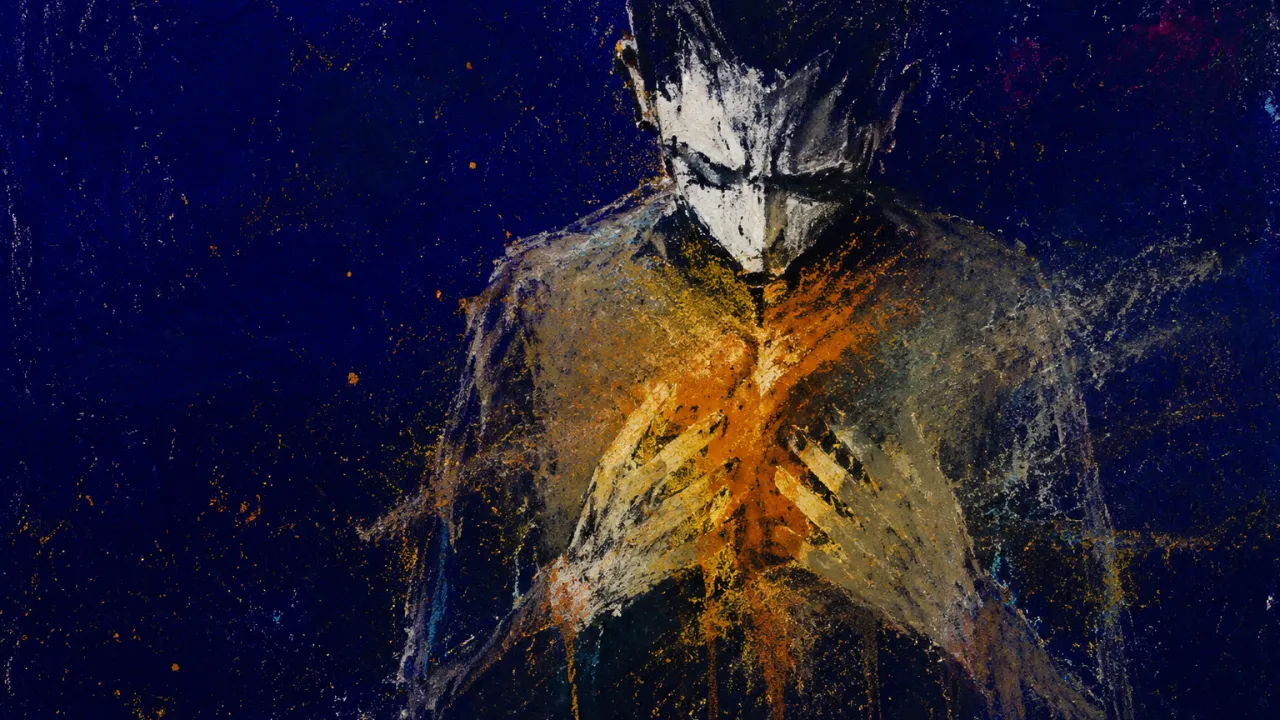
A solitary figure with dim amber at the chest and suspended grey residue across the hands in deep indigo space.

What does this feel like?

Complicity Guilt can arrive as a quiet drop in your stomach, followed by heat across your face and a tight, heavy feeling in your chest that does not quite leave when the moment passes. The rest of the day may look ordinary, yet something keeps catching inside you: a phrase you agreed with, a silence you let stand, a benefit you accepted, or a moment when looking away felt easier. The feeling clings like residue you cannot brush from your hands, turning quiet pauses into reruns and simple comforts into things you hesitate to enjoy. You may reread messages, rehear your own tone, or go still when the subject returns, while one inner voice asks, “Did I help make that possible?” and another answers, “I wasn't the one in charge.” Complicity Guilt lives in the unsettled space between those two sentences. You may not feel like the author of the whole thing, but you cannot make yourself feel entirely separate from it either, so the boundary around “my part” keeps blurring whenever you try to draw it. Even distance can feel incomplete because part of you is still looking back, much like the figure on the Seven of Swords carrying an armful away while glancing over a shoulder at what remains.

Why you're feeling this?

Complicity Guilt can make sense even when your share feels difficult to name. The feeling is valid, and its presence does not define the whole of who you are.

Complicity Guilt in Tarot Cards

Complicity Guilt can linger as a heavy feeling in your chest and a residue you cannot brush from your hands. Though its contours are personal, guilt is a universal emotional experience, including the uneasy sense that you cannot place yourself entirely outside what troubles you. The Tarot Cards below mirror this feeling's weight, blurred boundaries, and backward glance.

Justice
Reversed
The reversed scales, raised sword, formal throne, and central gaze preserve the architecture of accountability while showing its calibration under strain. The image captures a growth process stalled by a measurement system that can only acquit or condemn. You may want to become more ethically aligned but fear that acknowledging complicity will turn reflection into permanent shame. Reversed, the card shows guilt clogging the path between recognition and integration, because responsibility has not yet been separated from identity or matched to your actual degree of agency.
The Devil
Upright
A horned figure presides above two chained people on a pedestal, with a torch, dark background, and visibly loose collars framing the bond. The hierarchy is real, yet the looseness of the chains complicates any clean division between coercion, adaptation, benefit, and participation. You may depend on a workplace that rewards conduct you distrust, while salary, status, fear, and limited alternatives keep the attachment in place. Upright, the scene makes the entanglement visible enough to examine: guilt can name the places where constraint and consent overlap without pretending either that you freely designed the system or that your position has no agency at all.
Judgement
Upright
The sounding trumpet, rising bodies, open arms, coffins, and broad horizon picture a past pattern becoming conscious at the moment a new orientation is possible. The figures emerge together, preserving the reality that accountability can be collective even when each response remains personal. You may be revising a value system after recognising where adaptation, silence, or self-protection made you part of something misaligned. Upright, the guilt can move into integration because the image holds acknowledgment as an awakening process, not an identity sentence or demand to deny the constraints that shaped your earlier response.
Five of Cups
Upright
A black-cloaked figure faces three spilled cups while two upright cups remain behind, with a river, bridge, and distant structure extending beyond the immediate loss. The body is oriented toward what cannot be recovered, but the wider scene prevents the spill from becoming the only available reality. You may hesitate to enjoy ordinary comforts because the benefit, silence, or agreement still feels morally stained. Upright, the sorrow can remain specific and proportionate: the spilled cups acknowledge real consequence, while the standing cups and bridge keep remorse from claiming that nothing intact or meaningful remains.
Six of Pentacles
Reversed
Coins pass from a standing figure toward kneeling recipients beneath a visible scale, placing generosity and hierarchy inside the same image. Reversed, the arrangement suggests that care, inheritance, or practical support has become entangled with control and unequal worth. You may have accepted family money, housing, protection, or preferential help while another relative received less or paid an emotional cost. Reversed, the guilt becomes embedded in the benefit because the family resource system keeps asking you to experience advantage as love while discouraging scrutiny of its distribution.
Five of Swords
Upright
A foreground figure holds the accumulated swords while two people leave under fractured clouds, keeping gain and human cost within one visual field. The image does not erase the conflict's outcome, but it refuses to let possession stand as the only measure of what happened. You may replay a moment when you stayed close to the winning side, enjoyed the relief of being spared, or accepted an advantage produced by someone else's defeat. Upright, the scene lets guilt witness the aftermath without converting it into endless punishment, clarifying what your mind is trying to account for.
Seven of Swords
Upright
The figure's careful steps, overloaded arms, backward glance, and the two swords left behind show a strategy that has not yet become an integrated account of itself. The body moves forward while attention remains attached to a compromised past. You may be trying to grow beyond an enabling pattern without turning accountability into permanent self-rejection. Upright, the moving figure allows guilt to become pattern recognition: the scene identifies how avoidance, benefit, and partial agency operated so that moral awareness can remain active rather than becoming a fixed identity.
Nine of Swords
Upright
Nine swords line a dark wall above a person sitting upright in bed with their face covered, while the patterned quilt holds the body in the aftermath of waking. The enclosed night space turns an outwardly finished moment into an internally active replay. You may rehear your agreement, reread the message, or reconstruct the silence while the body responds with heat, pressure, and a sinking stomach. Upright, the visible distress gives the guilt a witnessable form: the thought loop is intense, but it can be recognised as the mind's attempt to locate responsibility rather than accepted as a final truth about your character.

Complicity Guilt in Tarot Card Reading Insights

When others bring Complicity Guilt into a reading, that heavy chest feeling and the blurred line around their part often come with it. The Tarot Reading Insights below gather what surfaced in those readings.
Psychological emtions related to Complicity Guilt