When the Floor Tilts

Explore the feeling of Housing Freefall Dread through related tarot cards and reading insights that reflect losing your base.

Housing Freefall Dread
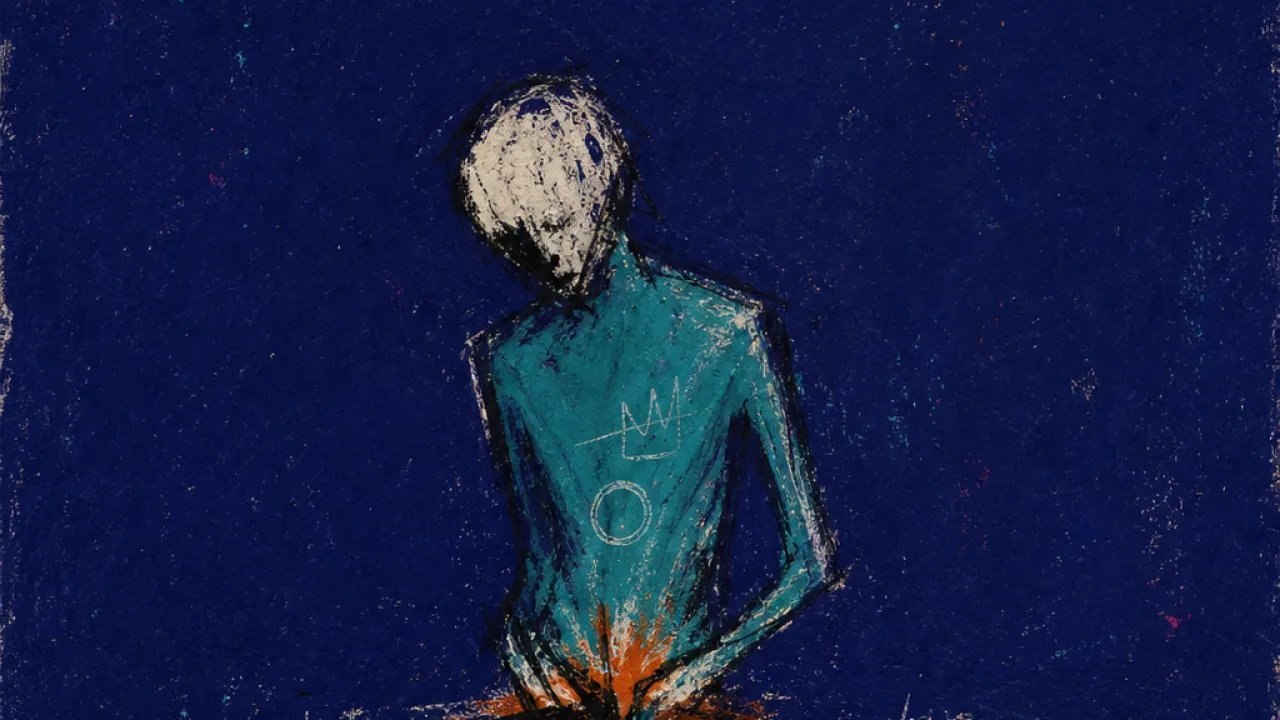
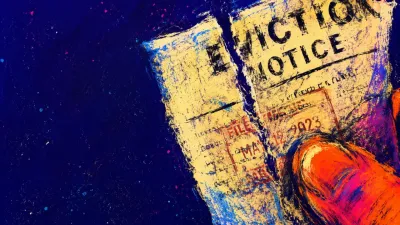
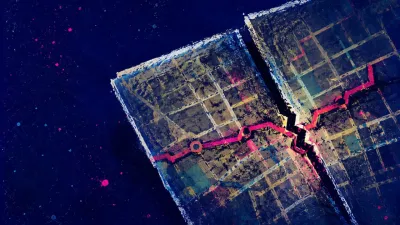
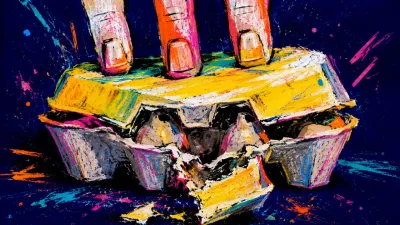
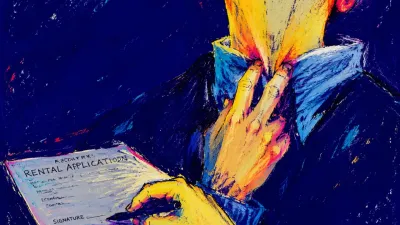
A solitary figure in deep indigo space, stomach area suspended above a tilting floor edge in cold teal and rust amber

What does this feel like?

Housing Freefall Dread - it starts as a drop in your stomach when the place that should feel like your base suddenly feels temporary. Your throat tightens before you even know what you're checking; your shoulders lift, your jaw sets, and every room gets a faint tilt, like the floor has stopped making promises. You can be making coffee, answering a message, lying in bed with the light off, and still feel your mind measuring exits, costs, dates, and what might shift next. The dread is not loud all the time; sometimes it is a low buzz under normal things, the way your hand pauses over an email or your chest goes tight when a notification lights up. Inside, the questions stack without landing: Can this hold? What if the ground moves again? How am I supposed to rest when even rest feels rented? You try to keep your day ordinary, but the body keeps bracing for a fall, much like The Tower, where a solid-looking structure splits open and the figures are already in midair.

Why you're feeling this?

Housing Freefall Dread makes sense when your sense of base, privacy, and rest has no steady edge. You're not wrong for feeling the drop; part of you knows how much a place to land matters. This feeling is not a verdict on you, just a signal that steadiness matters.

Housing Freefall Dread in Tarot Cards

That stomach-drop, tight throat, and braced-shoulder feeling is the shape Housing Freefall Dread takes in the body. This is a universal emotional experience: needing ground, privacy, and rest while the inner floor feels tilted. Tarot can hold the image of that freefall without turning it into advice. Here are the Tarot Cards that mirror the outline of Housing Freefall Dread.

The Fool
Reversed
The traveller stands at a cliff edge with a small bundle, a white rose, and a dog close to his heels. Reversed, the open step becomes congested with fear: moving risks the drop, but staying at the edge does not restore dependable ground. The limited bundle captures how housing decisions can compress a whole life into what can be carried into the next arrangement. You may experience both available options as exposure, which makes hesitation an expression of threatened safety rather than a lack of desire for change.
The Tower
Upright
The tower is a shared structure, yet the two falling figures are separated in open air as the crown of authority is thrown away. When a family home destabilises, you may feel everyone pushed into separate survival calculations even though the loss belongs to the whole household. The image distinguishes family-system rupture from personal failure. You can recognise that the dread is responding to a shared container, a power arrangement, or a resource structure that no longer offers the dependable shelter it once represented.
Reversed
The split tower, dislodged crown, flames, and falling bodies remain physically present, but the reversed orientation holds their movement inside the structure. You may still be living in the same rooms and following the same routines while your body privately rehearses eviction, displacement, or another sudden loss of ground. The blocked fall captures dread that has not found a clear event or endpoint. You are carrying an internal emergency beside an outwardly ordinary home, which explains why small notifications can release a disproportionate jolt without making the underlying need for security irrational.
Ace of Pentacles
Reversed
A hand extends a pentacle above a garden path that passes through an arch toward distant mountains. Reversed, the offered resource does not settle into usable ground, mirroring a housing application, deposit, lease offer, or promised payment that remains provisional when you need it to become concrete. The interrupted offer captures the dread of waiting for material possibility to turn into an actual address. You may see the route and even receive encouraging signals while your body withholds relief until the approval, key, payment, or signed agreement truly lands.
Two of Pentacles
Upright
The two coins circulate inside an endless loop as ships alternately climb and disappear behind the waves. Lease expiries, notice periods, paydays, application windows, and moving dates can feel trapped in the same motion, with no single point at which the housing system becomes still enough to trust. The figure's continued balance gives the dread a rhythm rather than a final verdict. You are responding to overlapping cycles whose timing matters materially, and the strain comes from having to keep several clocks aligned while the wider conditions remain unstable.
Five of Pentacles
Upright
The two figures continue through the snow side by side while the illuminated interior remains beyond their immediate reach. In a family system, that scene mirrors shared housing strain in which closeness does not automatically produce enough money, authority, room, or permission to create reliable shelter. The card holds collective hardship without turning it into a measure of family love. You can see how the dread may come from a resource system that leaves several people exposed at once, even when they are trying to remain connected.
Ten of Pentacles
Reversed
The elder, younger family, child, animals, archway, and estate place several generations inside one material container. Reversed, the container reveals its fault lines: inheritance, ownership, family money, caregiving, and permission to remain may no longer support the same version of home. The dread arises because the family system carries both shelter and the power to redistribute it. You can see that the fear is not simply about money; it is about whether intergenerational arrangements still produce a stable place for you to belong and rest.
Six of Swords
Upright
A cloaked passenger and child sit low in a boat carrying six swords while a standing figure guides them between troubled and calmer water. The belongings are sparse and the destination remains outside the frame, capturing the directionless weight of leaving one housing situation before another place feels fully real. The boat provides movement without pretending that transition already feels safe. You can recognise a long-term direction forming through relocation while still carrying dread, grief, and the practical memory of the unstable base you had to leave.
Eight of Swords
Upright
A blindfolded, bound figure stands inside a narrow arrangement of swords, with wet ground underfoot and a distant stronghold beyond the enclosure. Housing choices can take on the same geometry when every option carries a prohibitive cost, unsafe compromise, impossible commute, dependency, or deadline. The enclosure makes the constraint visible instead of turning it into evidence that you are incapable of choosing. You may be facing real limits while dread narrows your view further, leaving exits difficult to distinguish from new forms of exposure.
Nine of Swords
Upright
The darkened bed, covered face, and nine horizontal swords show thoughts accumulating above a body that cannot fully stand down. Inside your psychological cache, each housing possibility can become another blade: the next email, the next payment, the next move, and the next place that might also fail to hold. Because the figure is awake and the fear is visible, the card turns a diffuse internal buzz into an observable pattern. You can distinguish the legitimate need for shelter from the mind's repeated attempt to solve every possible housing rupture in a single night.
Four of Wands
Reversed
The four-wand threshold, public welcome, and buildings in the background present home as something stabilised by communal recognition. Reversed, that welcome becomes conditional, leaving you unsure whether the family household is a secure base or a space that can be withdrawn through conflict, rules, or shifting alliances. The unsettled threshold locates the dread at the boundary between inclusion and displacement. You can recognise that your body is responding not only to a building, but to uncertainty about whether the family system continues to authorise your place inside it.
Nine of Wands
Upright
A bandaged figure grips one wand, looks sharply to the side, and keeps eight more wands standing behind him like a guarded boundary. The posture mirrors the internal state of living at home while remaining prepared for another notice, conflict, repair failure, rent change, or demand to move. The standing barrier shows endurance, but it also exposes the emotional cost of never fully leaving watch. You can witness the bracing as accumulated knowledge from repeated instability while separating that vigilance from the idea that every quiet moment must conceal the next housing threat.

Housing Freefall Dread in Tarot Card Reading Insights

For anyone who knows Housing Freefall Dread as a stomach-drop before the day even starts, others have brought that same freefall into readings too. The pieces below move from card images into the moments people sat with tilted ground, tight breath, and the question of what still holds. Tarot Reading Insights for Housing Freefall Dread.
Psychological Emtions Related to Housing Freefall Dread