Is The Past Voting Again?
Explore Past-Outcome Bias through grounded struggle language, related tarot cards, and tarot reading insights from sessions.

Past-outcome Bias
What does this feel like?
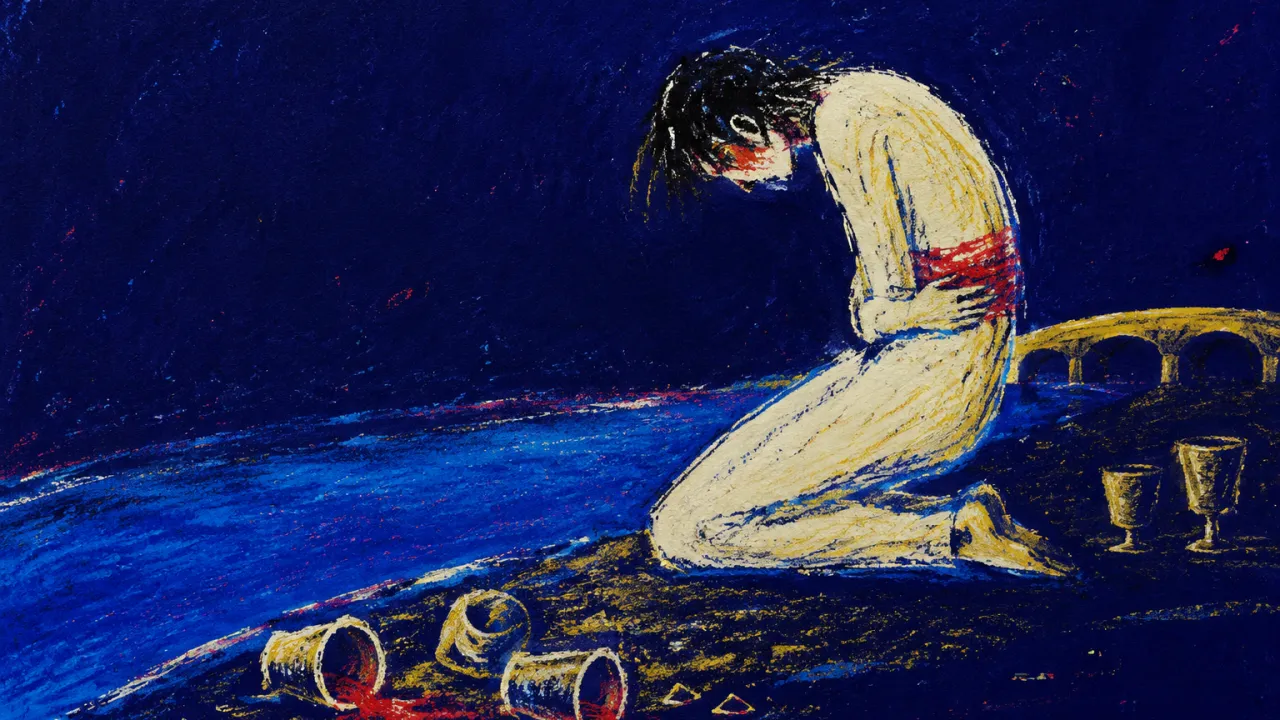
Past-Outcome Bias — you catch it in the half-second before you click submit, when the page is open, the cursor is blinking, and your body has already decided it knows how this ends. Your shoulders creep up before you notice them, your mouth goes dry, and a very reasonable voice starts listing evidence: the last rejection email, the grade that knocked the air out of you, the text that never got answered, the interview where your voice came out too tight. You tell yourself you are just being practical, but the calculation feels strangely narrow, like your mind has cropped the room around the one thing that went wrong and left everything else outside the frame. The present option is still moving, still unfinished, still full of small details you have not checked yet, but your attention keeps returning to the old result because it is sharp, visible, and easy to trust. You start treating hesitation as wisdom, shrinking as strategy, delay as proof that you are being careful. The hardest part is that the past did happen; you are not making it up, and you are not wrong to remember it. But somewhere along the way, remembering became measuring, and measuring became letting one outcome vote on every choice after it. You can feel the cost in tiny ways: the application you leave half-finished, the conversation you pre-defend against, the class you avoid because one bad mark still sits in your chest, the chance you call 'not worth it' before you have let it breathe. Over time, your life can start to organize itself around the last visible failure, not because there is nothing else in the scene, but because your reference point stopped turning, much like the figure on the Five of Cups, bent toward the spilled cups in front while the upright cups and the bridge wait just outside the line of sight.
What's pulling at you?
You are caught between wanting to learn from what happened and letting what happened become the only tool you use to read what comes next. The old result feels solid because it has already happened, while the present option feels uncertain because it has not had a chance to show its full shape yet. That is the trap: caution starts to look like clarity, even when it is working from an incomplete picture.
How It Shows Up?
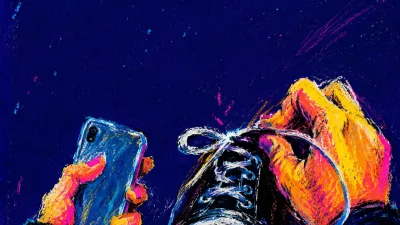
- You open the application portal for a role you could do, and before you read the requirements your body remembers the last rejection email: your shoulders rise, your mouth goes dry, and your thumb drifts toward closing the tab. The old result sits at the front of the screen like three spilled cups, so the parts of your experience that still stand behind you barely register. You can pause with the tab open; you do not have to decide from the first hit of dread.
- You get feedback on a draft, a grade, or a project, and one sentence lands harder than everything else. Your chest tightens, your eyes keep jumping back to the lowest mark or the bluntest comment, and the rest of the page goes blurry even if there are notes you can use. It is allowed to read it once, step away, and come back when the whole page can exist at the same time.
- Someone you like takes longer than usual to reply, and suddenly you are not in this conversation anymore; you are back in the last one that ended badly. Your stomach drops, your breathing gets small, and you start drafting a colder response before they have even answered. The silence can be uncomfortable without becoming evidence; you can let the phone sit face-down for a few minutes.
- You are out with friends and someone suggests a plan that sounds fun, but it resembles a night that went wrong before. You smile, nod, and feel your jaw lock while your mind quietly builds a forecast from one old scene; the room keeps moving around you, but your attention stays fixed on the spill. You can say you need a minute without turning the whole decision into a verdict.
- You notice the pattern in your body before you can name it: the same tight band across your ribs whenever a new option appears, the same heat behind your eyes when someone says, 'Want to try again?' It feels like standing at a riverbank where the last crossing failed, even though the water in front of you is not the same water. You can treat the body signal as information, not an instruction.
Past-outcome Bias in Tarot Cards
Past-Outcome Bias lives in the moment when one previous result starts measuring every new option before the present has been fully read. You can feel it in the tight band across your ribs, the dry mouth, the thumb hovering over the tab before anything has happened yet. From an existential perspective, the structural framework of this struggle is about letting an old outcome become the map for choices that still have missing data. The Tarot Cards below make that narrowed field visible without explaining it away.
Past-outcome Bias in Tarot Card Reading Insights
When Past-Outcome Bias takes over, a rejection email, grade, delayed reply, or failed attempt can become the ruler for everything that comes next. Other people bring that same narrowed field into readings, asking what is still present when the old result is no longer the only evidence. Tarot Reading Insights from sessions on this pattern.
That Group-Chat 'LET'S GOOO' Moment—When You Stop Adding 'But'
Topic:Friendship Tarot Reading
Struggle:Social Self-Judgment Lock
Context:Unspoken Social Rules

The 8:47 p.m. “I Love You” Text—From Freeze to One Clean Sentence
Topic:Love Tarot Reading
Pattern:Secure Vulnerability
Context:Commitment Cliff Edge
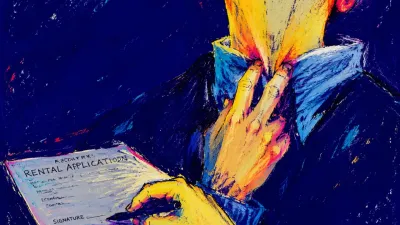
From Apartment-Hunt Panic to Grounded Choices: A Gentler Way to Apply
Topic:Personal Growth Tarot Reading
Struggle:Past-Outcome Bias
Context:Decision Cliff Edge