Is Your Value Adding Up?

Trace the tight math of value anxiety through matching tarot cards and grounded reading insights from sessions.

Compensation Alignment Anxiety
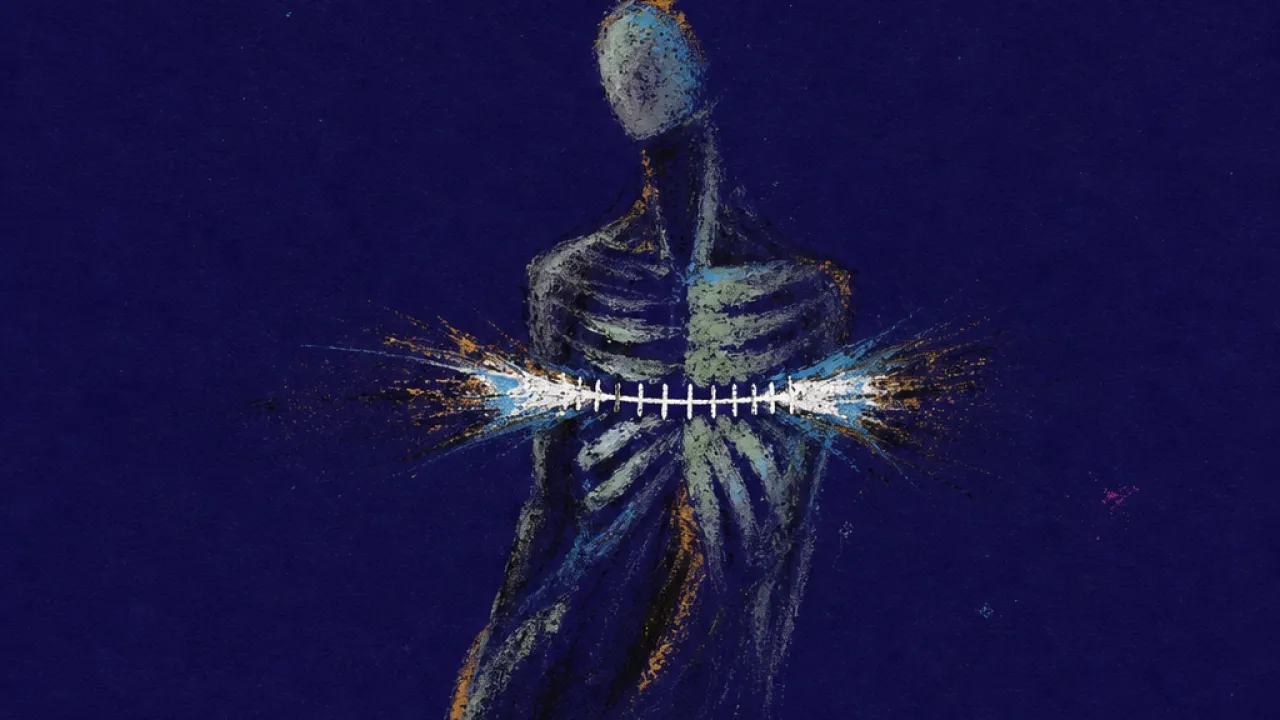
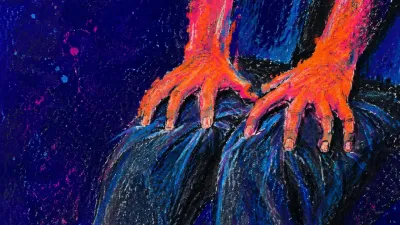
A solitary figure in dark space with a bright number-line pressing around the ribcage, cold silver against burnt amber

What does this feel like?

Compensation Alignment Anxiety — you feel it the moment a number appears, and your body starts doing math before your mind can catch up. Your chest tightens like a spreadsheet has been folded and tucked under your ribs; your shoulders lift, your jaw sets, and every figure seems to carry a second, quieter message about what your time is worth. You can be answering emails, walking to the train, or trying to relax, and still there is a low buzz underneath it all, a private calculation that keeps refreshing: am I asking for too much, accepting too little, missing something everyone else can see? It makes ordinary choices feel loaded, because the number is never just a number; it becomes rent, future plans, self-respect, leverage, comparison, safety, and the uncomfortable possibility that your effort is being translated into something that does not quite fit. You may rehearse conversations in your head, then second-guess the exact words, as if one phrase could tip the whole scale. At its most intense, the feeling is not greed or ambition; it is the tight need for the exchange to look clean enough that your body can stop checking it, much like the Six of Pentacles, where one hand holds a scale while coins drop into waiting palms, and your eyes keep returning to the balance.

Why you're feeling this?

Compensation Alignment Anxiety isn't shallow; it is the pressure of wanting your effort, time, and value to land somewhere that feels steady. You're not asking too much by noticing the math around you. When a number seems to carry so much meaning, your body may keep looking for a cleaner balance.

Compensation Alignment Anxiety in Tarot Cards

That tight number-line under your ribs is the shape Compensation Alignment Anxiety can take when value starts to feel hard to place. The chest pressure, the low buzz, and the urge to keep recalculating all give this feeling a body. It belongs to a universal emotional experience: trying to feel steady when effort, time, and value are being measured. These Tarot Cards mirror the outline of that inner balance.

Justice
Upright
Justice sits between two stone pillars with balanced scales in one hand and an upright sword in the other. The scale holds competing terms, while the sword represents the clean distinction needed to compare them without blending every fear into one verdict. You may be weighing base pay, benefits, workload, stability, and future leverage while trying to identify what actually makes an offer fair. The upright structure gives the anxiety a container built from evidence, criteria, and explicit trade-offs. It does not erase the emotional charge of choosing, but it keeps the number from standing alone as the entire decision. The image reflects your need for a compensation choice whose reasoning remains coherent after the immediate pressure has passed.
Reversed
Justice's still face, raised sword, and carefully held scales create the atmosphere of a court in which evidence is being weighed. Reversed, that court becomes internal and procedurally unstable: the standard shifts, the case never closes, and the salary number keeps returning as evidence against you. You may prosecute your own choices even when the compensation process itself was incomplete or unequal. The emotional blockage comes from treating a contextual market outcome as a final personal ruling. Each new comparison reopens the case because the inner judge is seeking certainty from a metric that cannot supply it. The image makes that hidden courtroom visible, allowing the verdict, the evidence, and the person being evaluated to be recognised as distinct parts of the loop.
Ace of Pentacles
Reversed
A hand emerging from a cloud presents a single large pentacle above a garden path, an archway, and distant mountains. Reversed, the offered coin feels unable to land securely in the landscape beneath it: the number is concrete, but the foundation it is meant to support remains uncertain. You may be holding a real job offer while sensing that its compensation does not create the stability or growth it appears to promise. The anxiety concentrates at the threshold between opportunity and commitment. Because the offer is tangible, hesitation can feel irrational or ungrateful, yet the physical future attached to the number still does not align. The image separates the existence of an opportunity from the quality of its foundation, giving the unease a precise structure.
Two of Pentacles
Upright
The moving figure threads two pentacles through an infinity loop while ships rise and fall on large waves behind him. Money, motion, and instability occupy the same scene, mirroring the way salary must continuously be translated into rent, transport, food, rest, and future plans. You may look outwardly functional while your body performs an uninterrupted balancing act. The upright rhythm keeps the calculation responsive rather than fully overwhelmed, but it still reveals how little emotional stillness the system permits. Every expense changes the balance and sends attention back to the original compensation figure. The image frames the anxiety as an ongoing resource-management loop, not as evidence that you are failing at ordinary life.
Reversed
The figure keeps two pentacles in motion as high waves destabilise the background, turning balance into continuous labour. Reversed, the movement becomes a strained attempt to absorb expanding responsibilities without a corresponding expansion in resources. You may appear to be managing the job while privately calculating how much additional work has entered an unchanged paycheck. The compensation anxiety gathers around the gap between visible adaptability and invisible cost. Each new task changes the exchange, but the workplace may continue treating the original terms as fixed. The image reveals why competent juggling can conceal misalignment until the body begins registering every added demand as another unpaid variable.
Three of Pentacles
Reversed
The craftsperson stands on a bench beneath three pentacles while two other figures hold the plans and inspect the work. The scene places skill, evaluation, and institutional recognition together, with different people controlling production and assessment. Reversed, those parts stop communicating cleanly, so capable work may receive feedback without receiving a coherent valuation. The anxiety develops when praise, title, responsibility, and pay tell different stories about the same skill. You may hear that the work matters while watching the compensation remain unchanged, leaving the body to resolve the contradiction. The image reveals a broken recognition system rather than reducing the mismatch to personal inadequacy.
Four of Pentacles
Upright
The figure's feet pin down two coins, his arms seal another to his chest, and a fourth occupies the crown of his head. Money is not merely nearby; it controls movement, posture, feeling, and thought. You may recognise how compensation has become mentally central because loosening the calculation feels equivalent to losing safety. The upright hold contains vulnerability but leaves little room for the emotional meaning of the number to move. Asking for more can feel dangerous, while accepting less can feel like self-betrayal, so the mind protects the current figure even as it resents it. The image witnesses that defensive bind without confusing guardedness with greed.
Six of Pentacles
Upright
The red-robed figure holds a scale in one hand while the other releases coins into two waiting palms. The scale makes valuation visible, while the standing giver and kneeling recipients preserve the power difference inside an apparently orderly exchange. You can recognise the part of your mind that wants compensation to be measurable, explainable, and proportionate rather than merely promised. The upright rhythm allows the anxiety to function as a contained fairness audit. You are still watching the number closely, but the exchange remains visible enough to examine: what is being given, who controls the terms, and whether your effort has been translated cleanly. The image validates the need for alignment without turning salary into a final verdict on your worth.
Reversed
The six coins, held scale, and vertical divide between giver and recipients turn valuation into a complete system. Reversed, that system allows one external metric to dominate the entire field, as though compensation were qualified to measure competence, progress, freedom, and human value simultaneously. You may understand intellectually that pay is contextual while still feeling physically ruled by its verdict. The developmental friction lies in the model underneath the anxiety: higher compensation has become synonymous with greater worth, while negotiation risk feels like a threat to identity. The image reveals the inherited equation rather than endorsing it. By making the evaluator, metric, and recipient visible as separate positions, it opens a clearer view of how the value system was constructed.
Seven of Pentacles
Upright
The worker leans on a hoe and studies seven pentacles growing from a vine, pausing between sustained effort and an unfinished return. The posture carries the fatigue of evaluation: substantial work is already visible, yet the outcome is not ready to be gathered. You may feel the same suspended calculation while waiting for a raise cycle, bonus decision, or compensation review. The upright pause gives the anxiety a temporal frame rather than allowing every delay to become proof of undervaluation. You are still assessing whether the investment is maturing, but the card keeps observation separate from a premature verdict. Its field reflects the difficult middle period in which timing matters and the exchange cannot yet be judged solely by today's number.
Reversed
The worker's bent posture, resting hoe, and coin-bearing vine place labour and return in the same frame. Reversed, the pause loses its reflective rhythm and becomes a jammed accounting loop: too much effort appears invested for the visible yield, but stopping feels costly as well. You may keep revisiting the compensation equation because neither continuing nor confronting it feels financially clean. The anxiety is held by the possibility that accumulated work has not translated into proportionate reward. Frustration, impatience, and self-questioning can merge until the weak return feels like evidence of weak performance. The image separates the crop from the worker, exposing the difference between an unsatisfying reward structure and the actual value of the labour that produced it.
Eight of Pentacles
Reversed
The seated artisan carves one pentacle after another while completed pieces are displayed in a vertical row and the town remains distant. The image makes output countable, repetitive, and highly visible. Reversed, that productive rhythm becomes a closed loop in which refinement and volume continue without a clear connection to recognition or compensation. The anxiety can attach to every finished task because each one becomes fresh evidence in an unresolved value calculation. You may produce more, polish harder, or track output closely in the hope that quantity will finally force the pay equation to align. The image reveals how disciplined work can become trapped inside a compensation loop that never defines what would count as enough.
Nine of Swords
Upright
The figure sits alone beneath nine parallel swords, hands covering the face while the patterned quilt remains pulled across the body. The scene captures an emotional cache reopening in the dark, with one compensation figure multiplying into questions about deservingness, missed leverage, rent, status, and future safety. You may know that the calculation is repetitive while still feeling compelled to run it again. The upright image makes the loop observable: the swords are thoughts arranged overhead, not a final measurement of the person beneath them. The anxiety remains intense because each mental replay promises clarity but instead adds another imagined consequence. The card provides an objective witness to the loop, separating the presence of frightening thoughts from the truth of the conclusions they produce.

Compensation Alignment Anxiety in Tarot Card Reading Insights

For anyone who has felt Compensation Alignment Anxiety as a tight audit running under the day, others have brought that same pressure into readings too. Here are Tarot Reading Insights from sessions where the cards met questions of value, balance, and steadiness.
Psychological Emtions Related to Compensation Alignment Anxiety