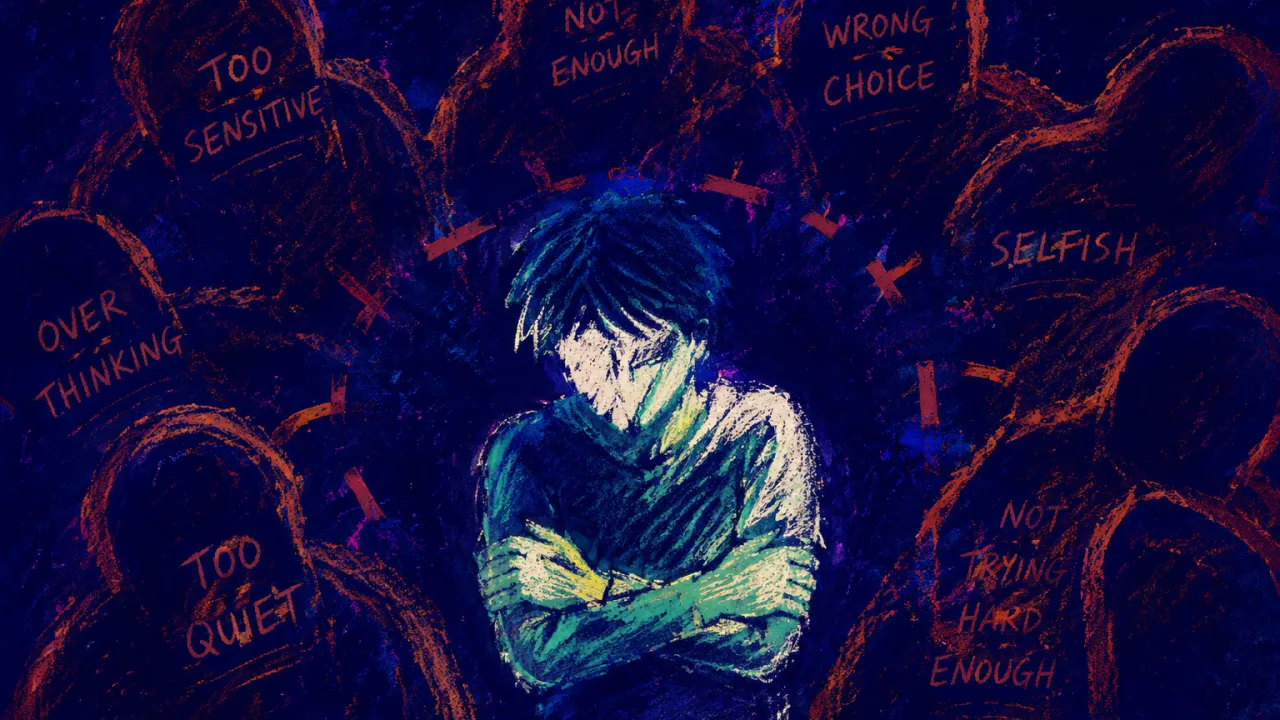
A grounded portrait of contested appearance boundaries, related Tarot Cards, and reading insights from sessions where the same pressure surfaced.
Aesthetic Boundary Reset Trial
What is this situation?
Aesthetic Boundary Reset Trial — you step outside with a changed haircut, a different silhouette, or a profile photo that no longer matches the version people have come to expect. The choice is yours for about five minutes. Then a coworker says your old look was “more professional,” a friend asks whether this phase is permanent, a date mentions what they used to prefer, and the group chat turns your update into a vote. The comments may be framed as jokes, concern, compliments, or helpful advice, but they keep requiring the same thing: an explanation, reassurance, or return to the familiar. When you say you are not looking for feedback, the conversation shifts from what they said to how you responded; their access to comment remains ordinary, while your limit is treated as the awkward part. Any formal power in the room sharpens the imbalance: a manager can call a personal preference a dress standard, while a social circle can recast familiarity as concern. Each morning therefore carries an extra round of decisions: which outfit will invite the fewest questions, whether to post the photo, whether to bring a backup layer, and whether correcting someone is worth another discussion. Your shoulders draw tight before entering the room, and your hand can hover over Post while you anticipate the comment thread. What began as a visible change becomes a repeated test of who can let your appearance belong to you without negotiating it, leaving you to defend ordinary choices much like the Seven of Wands, where one standing figure holds position as six staffs rise into the space from below.
Why it's not you?
The problem is not that your appearance changed or that you failed to introduce it correctly. Repeated commentary, conditional approval, and rules that turn personal presentation into a public negotiation are features of the environment around you, not evidence that you owe anyone the older version.
Aesthetic Boundary Reset Trial in Tarot Cards
In an Aesthetic Boundary Reset Trial, a haircut, outfit, makeup choice, or profile-photo change is repeatedly treated as an invitation for comment and negotiation. The tightening across your shoulders and the hand hovering over Post register an environmental, structural dynamic in which other people claim room to set the terms of your presentation. The Tarot Cards below reflect the visible contours of that pressure.
A crowned ruler sits on a stone throne marked by ram heads, armor, a scepter, and an orb, placing the room's judgments inside a structure of formal authority. That image fits the moment when a manager gives a personal preference the language of a dress standard and makes appearance answerable to the chain of command. The reversed texture appears when authority expands beyond a legitimate work requirement and starts regulating familiarity, presentation, or ease of access. You are then dealing with an accountability gap: the manager's discretion remains ordinary, while your attempt to limit aesthetic commentary is framed as a challenge to order.
A robed figure sits between two pillars with keys at his feet and two kneeling followers before him, placing personal presentation inside a visible code of belonging. A workplace can use phrases like “more professional” to make an inherited dress norm sound neutral, even when the standard is really a preference for familiar signals. The upright institution gives the rule social force through repetition, hierarchy, and shared recognition. Your changed look becomes difficult not because the work has changed, but because the organization can make conformity appear like the price of being read as legitimate within its professional culture.
An angel sounds a trumpet above figures rising from coffins, making a changed identity impossible to keep confined to the old archive. Your haircut, silhouette, or profile photo announces a present-tense version of you, while other people respond as though the earlier image should still have final authority. The upright scene opens a public recognition process without handing the crowd ownership of the change. The rising figures show the structural gap between self-definition and social memory: growth becomes difficult when familiar observers treat continuity as proof of who you are and demand an explanation for becoming more visible on your own terms.
A figure juggles two pentacles inside an infinity loop while ships pitch behind him, turning a small routine into a visible balancing act. Your outfit, hair, post, and backup layer occupy the same hands: each choice carries a practical cost because other people's reactions have entered the morning's logistics. The upright balance keeps multiple demands in motion without making any one audience the owner of your presentation. The friction is structural: a basic dressing decision has been expanded into ongoing social coordination, so your physical life system absorbs labor that the surrounding environment created.
A blindfolded figure holds two crossed swords before a dark waterline and a rising moon, keeping the next move suspended. Your choices around the changed look are not simply style options: posting, explaining, correcting, or retreating each carries a different amount of social exposure. The upright pause preserves a decision space long enough to name the competing pressures, even though no option is consequence-free. The crossed blades show the structural bind: the environment has made ordinary self-presentation feel like a decision about access, conflict, and belonging.
A figure collects swords while two others withdraw across a bare landscape, leaving the friendship space defined by a disagreement's aftermath. When you say you do not want feedback on your appearance, friends can move the focus from their comment to your delivery and make the limit look like the source of the awkwardness. The upright conflict shows a hollow interpersonal victory: even if the conversation ends, you may be left carrying the explanation, the repair attempt, or the distance that follows. The scene reveals a friendship boundary being evaluated as a threat to harmony, while the original entitlement to comment escapes the same scrutiny.
Five figures raise staffs across a crowded field, making the shared space itself the site of competition. That physical tangle resembles a friend group debating a haircut or turning a new profile photo into a poll, with every person adding a preference before your own position can stand on its own. The upright clash identifies a distributed friendship dynamic rather than one decisive critic. Your boundary has to compete with the group's momentum, and the result is a hidden tax on closeness: keeping the conversation easy requires you to absorb more commentary than anyone else has to absorb.
One figure holds a wand on higher ground while six staffs rise from below, like a friend group's familiar image of you pressing upward against a new haircut, silhouette, or profile photo. Each question about whether the phase is permanent adds another demand to explain the change or make it easier for others to accept. The upright ground remains holdable even when the social cost is repetitive. The visual distance clarifies the friendship boundary: your friends may have memories of the old version, but those memories do not automatically give them editorial access to the version you are presenting now.
A bandaged figure grips a staff before a wall of eight, showing the body carrying a record of earlier confrontations into the next room. The tight shoulders, rehearsed explanations, and hovering hand before Post are the everyday form of that guard: external comments have become part of how the next appearance is prepared. The upright figure remains present and capable of holding a line, but the wall shows that the line has required repeated maintenance. The structure helps separate internalized anticipation from personal defect, revealing a social archive of scrutiny that can be acknowledged without granting it control over the next choice.
No cards available for this filter.
Aesthetic Boundary Reset Trial in Tarot Card Reading Insights
Others navigating an Aesthetic Boundary Reset Trial have brought the same cycle of appearance changes, unsolicited comments, and conditional approval into their readings. See what surfaced in those sessions through the Tarot Reading Insights below.