Whose Taste Is This Now?

A grounded look at blurred personal style boundaries, related tarot cards, and tarot reading insights from similar image-pressure situations.

Aesthetic Boundary Confusion
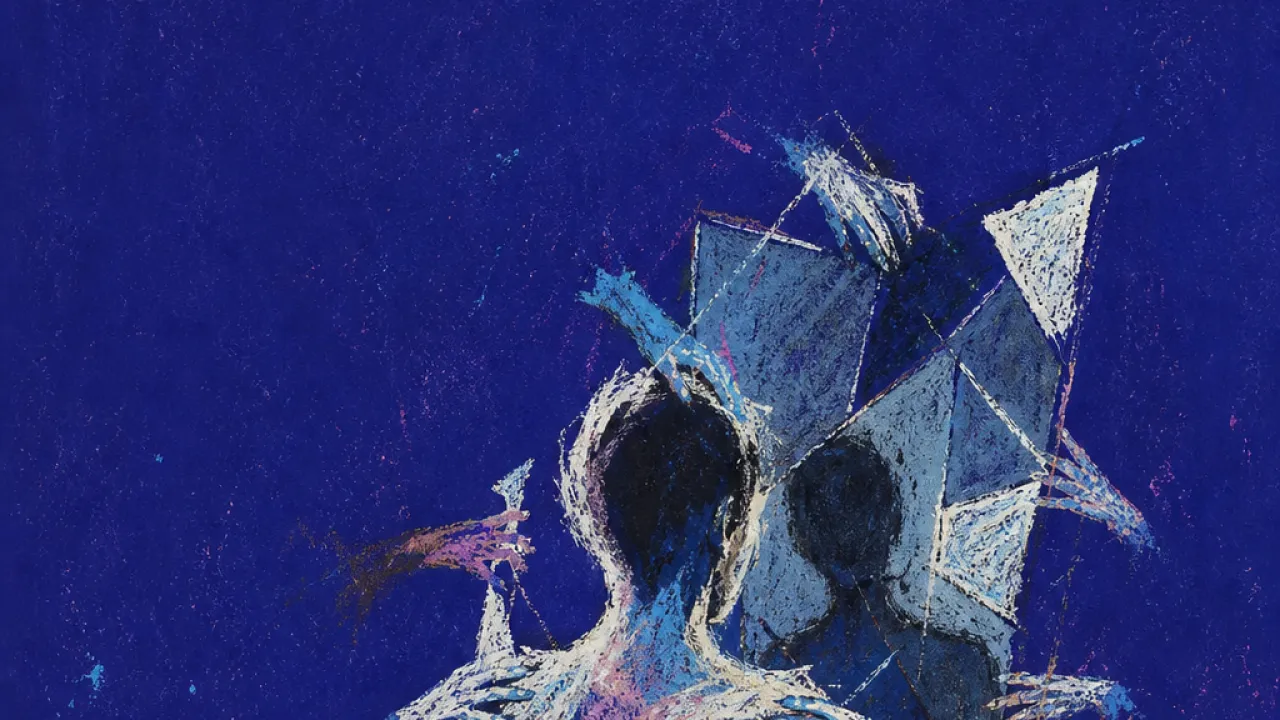
A solitary figure before a fractured mirror as many hands repaint the outline, pale marks blurring the body's edges

What is this situation?

Aesthetic Boundary Confusion — you enter the day already surrounded by other people's eyes: the outfit photo waiting in your camera roll, the group chat that comments on every haircut, the TikTok trend that makes last week's taste feel obsolete, the coworker who calls your style "interesting" in a way that lands like a correction. At first it looks harmless, just feedback, inspo, compliments with little edits attached, but over time the line between what you chose and what you adapted starts getting crowded. A friend copies your whole visual language and acts like it came from nowhere; a partner has opinions about what is "too much" or "not you"; your feed keeps serving rooms, faces, clothes, bodies, and moods that seem to demand a full rebrand by Monday. You change one thing, then another, not because you were asked directly, but because every space you move through keeps adjusting the mirror before you can see yourself in it. The exhaustion is not just from getting dressed, posting, decorating, or making something; it comes from having your outer self treated like shared material, open for edits, projections, and quiet comparison. By the time you close the app or stand in front of your closet, your chest is tight and the original impulse has gone blurry, much like the figure on the Seven of Cups, facing too many floating images and trying to tell which one was ever yours.

Why it's not you?

The problem is not that you have no taste or that you are too easily influenced. The problem is that your appearance, space, and creative choices are being treated as public material for commentary, copying, correction, and trend pressure. That kind of environment makes anyone's edges harder to hold.

Aesthetic Boundary Confusion in Tarot Cards

Aesthetic Boundary Confusion names the moment when your look, feed, room, and public image keep getting handled by other people's comments, trends, and expectations. The tightness in your chest before posting or getting dressed is tied to an environmental, structural dynamic where taste becomes something negotiated under constant outside pressure. The cards below do not decide what you should wear, post, keep, or change; they reflect the outline of a situation where your edges keep getting blurred. Here are the Tarot Cards that tend to mirror this kind of aesthetic boundary pressure.

The Hierophant
Upright
A robed authority sits above two similarly dressed attendants, with crossed keys and an institutional interior establishing who defines legitimate form. The scene mirrors workplaces where dress codes, professional-image expectations, and coded remarks about being polished or appropriate narrow the acceptable range of self-presentation. You may receive no formal prohibition, yet coworker reactions and leadership norms can make certain colours, silhouettes, hair choices, or creative identities feel professionally risky. The upright structure makes the code relatively legible, which allows the pressure to be located in an institution rather than misread as objective evidence about your taste. Your adaptation may be a rational response to status and employment incentives, even when it blurs personal boundaries. The image distinguishes a workplace convention from a universal aesthetic truth and exposes the hierarchy that gives the convention force.
Wheel of Fortune
Reversed
A vast wheel fills the centre of the image while figures rise, descend, and occupy different positions around its turning structure. Reversed, the wheel offers no stable place from which to establish what is current, leaving personal presentation exposed to a trend system whose tempo is set elsewhere. You can update an outfit, room, post format, or visual identity and still encounter a new signal that makes the revision feel late. The blocked quality lies in the missing stopping point, not in a simple absence of change. Your aesthetic boundary becomes difficult to hold because the surrounding cycle converts timing into a status test: adopting too slowly risks irrelevance, while adopting quickly can erase continuity with what you actually chose. The image makes trend churn visible as an external clock that repeatedly reopens identity work before the previous version has settled.
The Devil
Upright
Two people stand loosely chained beneath a larger figure whose position dominates the scene. Their bodies remain visible, but their presentation exists inside a structure that frames autonomy as conditional, mirroring a relationship in which a partner's preferences gradually become informal rules about what is too revealing, too unusual, too much, or supposedly not you. You may still choose each item yourself while anticipating the reaction so thoroughly that the partner's gaze enters the decision before they speak. The upright chains are visible and not physically sealed, which makes the relationship contract available for examination. Your aesthetic confusion is not proof that the partner has total control; it shows how attraction, reassurance, and acceptance have become linked to compliance. The scene exposes the exchange beneath the comments: personal expression is being negotiated against access to harmony, desire, or approval.
The Moon
Upright
The moon reflects light over a path emerging from water, while two animals respond from opposite sides and a small creature rises from the unseen depth. The scene mirrors an inner landscape where platform images, remembered comments, and personal impulses coexist without clear labels showing where each originated. You may recognise that a style feels compelling while remaining unsure whether the feeling began as attraction, repetition, rivalry, or fear of looking outdated. The upright path preserves movement through uncertainty without requiring every influence to be denied. Your internal confusion reflects mixed sources of illumination: social feedback can reveal possibilities while also distorting their importance through repetition. The image names the introspective task as source recognition, distinguishing a preference that persists across contexts from an image that becomes urgent only under observation.
Three of Cups
Reversed
Three figures form a close circle with raised cups, coordinated movement, and shared abundance around their feet. Reversed, the circle no longer functions as an uncomplicated source of celebration; intimacy becomes a channel for comparison, commentary, and subtle ranking. You may send a haircut photo or outfit choice to friends expecting recognition and instead receive jokes, edits, screenshots, or compliments that contain an instruction to change. The blocked resource is the private support function of the group. Your friends possess enough familiarity to make highly specific comments, but the circle is not reliably distinguishing care from access to your presentation. The reversed scene reveals how a group chat can retain the appearance of closeness while operating as an informal review panel whose approval must be anticipated.
Seven of Cups
Upright
Seven cups display multiple identities and rewards above a figure who has not yet selected among them. The images resemble a cognitive catalogue assembled from trends, peers, partners, aspirational creators, and past versions of the self, each carrying a different theory of who you could become. You may keep reinventing your appearance or creative language because every option offers a plausible identity while none has remained in use long enough to become integrated. The upright arrangement leaves the options visible as separate constructions, providing access to comparison at the level of underlying criteria. Your growth problem is not excessive possibility by itself; it is the absence of a hierarchy between durable values, temporary fascination, and socially imposed urgency. The scene reframes aesthetic evolution as the work of identifying which images support an actual life and which survive mainly because the surrounding system keeps displaying them.
Three of Pentacles
Reversed
An artisan stands beside completed stonework while two other figures inspect plans and discuss the structure. Reversed, the collaborative triangle no longer guarantees that expertise, authorship, and feedback will remain in proportion, matching creative work that is repeatedly redesigned by committee. You may begin with a coherent visual language and end with a deliverable shaped by stakeholder taste, coworker imitation, and revisions that no longer preserve your contribution. The blocked resource is not feedback itself but a working agreement about who owns which decisions and whose expertise carries weight. Your style becomes shared material without a stable authorship boundary, making adaptation look like collaboration even when it erases the original direction. The reversed workshop exposes the career cost: diluted work can still be attributed to you while the authority to shape it has been distributed elsewhere.
Two of Swords
Upright
A blindfolded figure holds two swords in a crossed position, with an uneven shoreline and distant land behind her. The physical posture creates a temporary barrier between the decision-maker and the complexity beyond, closely matching the moment when conflicting opinions have made a simple aesthetic choice feel socially unsafe. You may understand the available options, yet still be unable to choose while each one seems to invite correction from a different audience. The upright crossed swords preserve a pause rather than surrendering the choice to whichever voice is loudest. Your indecision reflects the absence of protected decision space: the social input has continued past the point where it provides useful information. The image locates the bottleneck between access and selection, showing that more commentary will not necessarily produce clearer criteria.
Seven of Swords
Upright
A figure carries five swords away from a camp while looking back, leaving two swords standing behind. The image offers a direct metaphor for a friend lifting recognisable elements of your visual language while avoiding an open conversation about influence, credit, or similarity. You may then be placed in the destabilising role of noticing the appropriation while the other person behaves as if nothing was transferred. The upright scene exposes movement, method, and asymmetry, so the issue does not have to be reduced to jealousy or ownership of generic taste. Your boundary confusion comes from a friendship norm that treats access to you as access to your aesthetic labour, while denying the relational acknowledgement that would make influence feel reciprocal. The remaining swords also show that copying does not remove every source element, but it can alter how safely you share unfinished ideas and personal references.
Eight of Swords
Upright
A bound and blindfolded figure stands among eight swords, with open ground and a distant structure still visible around the partial enclosure. The surrounding blades resemble accumulated comments, comparisons, and anticipated reactions that remain mentally present even after the group chat closes or the app is put down. You can stand alone in front of a wardrobe and still experience the decision as if the audience were physically in the room. The upright enclosure is restrictive but incomplete, making the internalised gaze identifiable as a structure rather than an innate absence of taste. Your mental cache is carrying other people's edits forward, allowing past remarks to influence choices without requiring anyone to repeat them. The scene clarifies why private decision time may not feel private: the external surveillance has been converted into a portable set of imagined consequences.
Five of Wands
Upright
Five figures raise intersecting wands in an open field, creating a crowded structure in which no single line can move cleanly through the others. The visual resembles a social environment where every person contributes an opinion, joke, correction, trend reference, or competing standard about how someone should look. You can enter a group with a settled choice and leave carrying several incompatible versions of what would supposedly suit you better. The upright conflict is visible and distributed rather than hidden behind one authoritative voice. Your confusion therefore reflects a coordination problem inside the group, not the superior taste of any individual participant. The scene reveals how casual commentary becomes structurally powerful through accumulation: each remark may appear minor, but together they prevent your original aesthetic line from remaining intact.
Six of Wands
Reversed
A wreath-crowned rider moves through a crowd while raised wands turn recognition into a public scene. Reversed, the crowd's approval becomes unstable or inaccessible, leaving the rider's visible identity dependent on reactions that may arrive unevenly, disappear, or change with the platform's distribution. You can post an outfit or creative image that felt coherent in private, then reopen the decision after low engagement or an ambiguous comment. The blockage is not a lack of visual identity but the outsourcing of confirmation to a public scorecard that cannot provide consistent standards. Your presentation becomes editable after publication because metrics and audience response are treated as retrospective evidence about whether the original choice was valid. The reversed procession exposes how visibility without reliable recognition can intensify self-monitoring rather than establish confidence.
Queen of Wands
Reversed
A crowned figure sits with a sunflower, a flowering wand, lion motifs, and a black cat arranged around a highly recognisable visual presence. Reversed, these expressive resources remain in the scene but no longer provide reliable access to self-directed visibility; presentation becomes filtered through comparison and anticipated correction. You may reduce, redesign, or over-explain choices that once felt coherent because occupying a distinctive aesthetic position now appears socially costly. The blockage concerns ownership of expression rather than a shortage of creative material. Your visual language is still available, but its public use has become dependent on whether others will interpret it as attractive, excessive, credible, copied, or attention-seeking. The reversed throne exposes a growth bottleneck in which self-definition cannot consolidate because every visible experiment is routed immediately through an external approval test.

Aesthetic Boundary Confusion in Tarot Card Reading Insights

Aesthetic Boundary Confusion often gets brought into readings when people are tired of having their look, space, or creative choices treated like open material for everyone else to edit. The readings below shift from the cards themselves into what surfaced when others sat with this same kind of outside pressure. Tarot Reading Insights from sessions shaped by aesthetic boundaries, image pressure, and blurred personal edges.
Psychological Contexts Related to Aesthetic Boundary Confusion