Why Apologize After All This Time?

Trace how a delayed apology disrupts settled distance through a detailed situation portrait, relevant Tarot Cards, and related reading insights.

Late Apology Whiplash
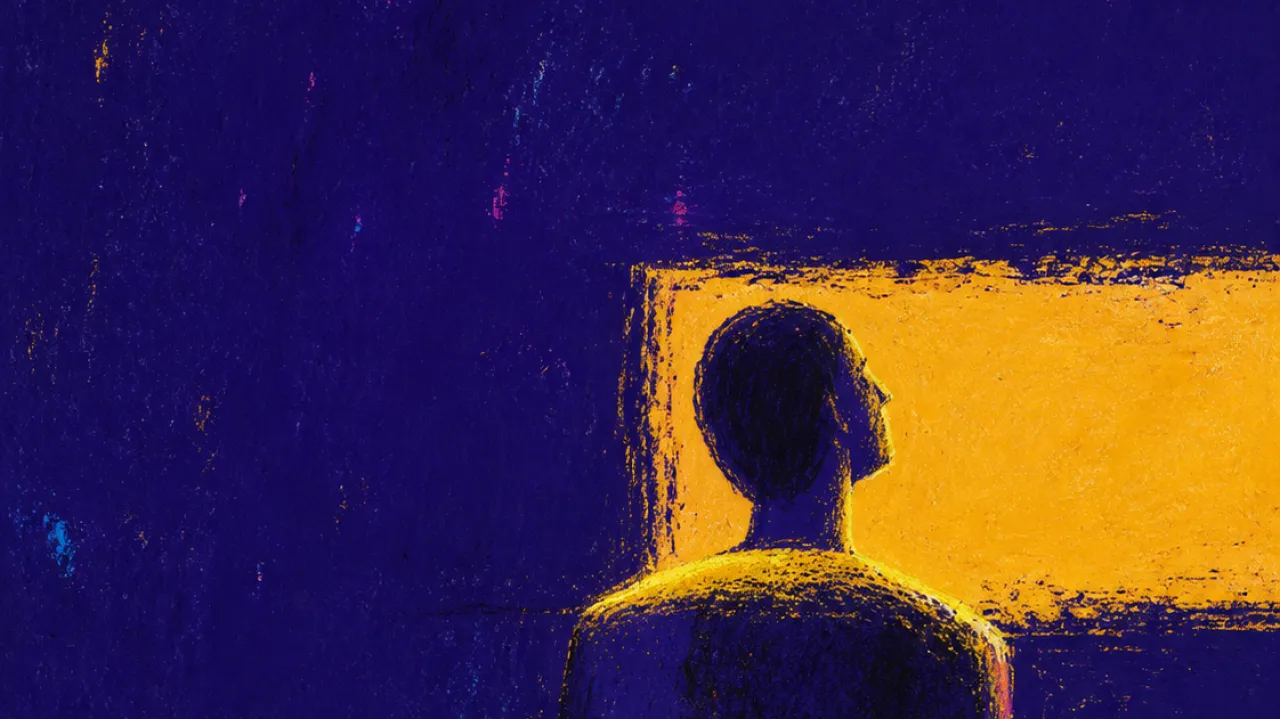
A half-turned figure stands still as amber screen light settles across the shoulders, widening a gap in deep indigo space.

What is this situation?

Late Apology Whiplash — the message arrives weeks or months after the conversation ended, often on an ordinary evening when your phone lights up with 'I've been thinking about how I handled things.' By then, the unanswered texts have stopped being part of your daily routine; plans changed, shared habits dropped away, and you no longer expected their name to appear on your screen. Now they are back with an apology, an explanation, and sometimes a request to talk, all delivered in one neat block that took them minutes to send and leaves you with the next decision. Your stomach drops before you finish reading, your shoulders go still, and your thumb hovers over the reply field. The words may name what happened, but their timing interrupts a distance that was built during their silence. They had the waiting period to choose what to say; you receive the result without warning and may be expected to answer while the message is fresh. If you reply, a conversation can restart; if you do not, a follow-up, a mention from a mutual friend, or a visible read receipt can make the silence newly noticeable. The disruption follows you into commutes, work breaks, and bedtime as the message gets reopened, reread, and compared with what was missing when an apology would have changed the immediate aftermath. The issue is no longer only what happened between you; their late return has also moved the deadline, the access, and the choice onto your side. The apology reaches you at the point when your life had begun moving without them, much like the figure in the Eight of Cups, already heading toward distant ground while the cups remain stacked behind.

Why it's not you?

An apology can be sincere and still arrive on a timeline that disrupts yours. The sudden return, bundled explanation, and request for a response place the next move with you after the other person controlled the length of the silence; that imbalance belongs to the situation, not to any failure on your part.

Late Apology Whiplash in Tarot Cards

Late Apology Whiplash begins when a long-delayed apology reopens contact after your daily life has already reorganized around the silence. That phone buzz, the drop in your stomach, and the sudden stillness in your shoulders mark the interruption before you have even replied. This is an environmental interruption with a structural timing dynamic: one person controlled the silence, while the other receives the apology and the immediate decision at once. The Tarot Cards below reflect the visible contours of that return.

Justice
Upright
The raised sword and level scales convert an emotional return into an assessment of words, impact, and proportion. The scene gives the decision a factual structure: the apology is one part of the record, while the delay and its effects remain visible on the other side. You can see why the message does not settle the question by itself. The structure separates an apology that acknowledges what happened from a response that would grant renewed access, placing the sender's timing among the facts that the choice must hold.
The Moon
Upright
The moonlit path, paired animals, and half-seen crustacean make incomplete information the physical atmosphere of the scene. The road is visible enough to invite movement but obscured enough to support competing readings of what waits ahead. You may reread the apology while comparing its explanation with everything that was missing when the conflict was still immediate. The structure does not label the message deceptive or sincere; it shows why a late return can leave the inner system processing ambiguity long after the sender has finished writing.
Judgement
Upright
A trumpet sounds above figures rising from enclosed ground, turning the past into a public call for reckoning. The scene gives the late apology a clear psychological structure: something previously closed has been named and brought back into consideration. You can recognize the value of accountability without treating recognition as automatic restoration. The structure shows personal growth as the ability to hold a revised account of what happened while still distinguishing that new understanding from a return to the relationship's former access, rhythm, or role.
Six of Cups
Reversed
Two children exchange a flower-filled cup in a quiet courtyard, with the other cups arranged like preserved memories. Reversed, the familiar scene tilts toward a past that is returning at the wrong point in the relationship's timeline. You may recognize the emotional warmth of the old bond while also noticing that the practical relationship represented by those memories is no longer intact. The structure shows why a late apology can reopen nostalgia without proving that renewed romantic contact would reproduce the parts of the relationship that once felt safe or mutual.
Eight of Cups
Upright
Moonlit water, eight cups stacked behind the cloaked figure, and a path toward distant mountains make elapsed time visible in the landscape. The figure is already moving when the emotional history remains physically behind, which mirrors an apology arriving after the immediate aftermath has passed. You receive the result of someone else's long preparation at the exact moment your own waiting period had stopped being active. The image shows why lateness is not a neutral detail: it changes who carries the response deadline and whether the old conversation can still be resumed on its original terms.
Page of Cups
Upright
A young figure stands at the water's edge holding out a cup with a fish inside, an intimate offering that is both direct and surprising. The image mirrors a friend placing a carefully formed apology into a connection that has been quiet for weeks or months. You are left to distinguish the emotional quality of the offering from the practical shape of the friendship that would follow. The structure shows why a reply can reopen conversation without instantly restoring shared habits, mutual support, or the level of access that existed before the silence.
Two of Swords
Upright
At the water's edge, the blindfolded figure holds two crossed swords across the chest while the calm but closed shoreline stretches behind. The physical posture makes a decision visibly suspended between two defensible actions. You are left to weigh reply against silence without a neutral outcome: a reply can restart access, while silence can make the boundary newly visible through read receipts or follow-up contact. The structure shows why the message creates pressure even when it contains an apology rather than an explicit demand.
Four of Swords
Reversed
The horizontal figure, stone enclosure, and four swords held above the body create a clear visual interval of suspended activity. Reversed, that interval is breached: a late apology arrives after the silence has already functioned as a period of separation. You receive the message at the point when the other person has finished waiting and chosen their words, while your own timing is suddenly treated as available. The structure keeps the focus on the mismatch between their delayed preparation and your immediate exposure to the decision.
Eight of Wands
Reversed
Eight wands streak across the open sky as one clean burst, carrying the visual energy of a message released all at once. Reversed, that trajectory becomes communication out of sequence: the words move quickly only after a long period in which nothing arrived. You encounter the apology as a concentrated event while the sender has already had time to shape its explanation. The structure captures the whiplash between their delayed preparation and your sudden exposure to a response window that did not exist a moment earlier.
Nine of Wands
Upright
A bandaged figure stands before a row of wands, holding the line while the past remains physically positioned behind the guard. The scene shows endurance and readiness at once: the person has continued, but the history has not vanished from the boundary. You meet a late romantic apology from a position shaped by prior impact rather than by the message's polish. The structure does not declare the returning partner untrustworthy; it shows why access and trust have different timelines after someone has been absent through the period when repair could have changed the aftermath.
Ten of Wands
Upright
The figure's arms are hidden beneath a load of wands that blocks his view of the road ahead. The image gives physical weight to a late friendship apology that arrives as one completed block while the recipient inherits all the unfinished relational tasks. You may be carrying the reply, the emotional sorting, the boundary conversation, and the social consequences of renewed contact at the same time. The structure makes the imbalance visible without deciding whether the friend's remorse is sincere; the issue is who now bears the work created by the delayed return.

Late Apology Whiplash in Tarot Card Reading Insights

When a delayed apology restarts contact after the silence had become routine, others have brought that same late return and unanswered decision into readings. Explore the Tarot Reading Insights below.

Psychological contexts related to Late Apology Whiplash