Put On Display By Family?

A grounded look at family-driven online exposure, related tarot cards, and tarot reading insights around privacy and visibility.

Family Social Media Spotlight
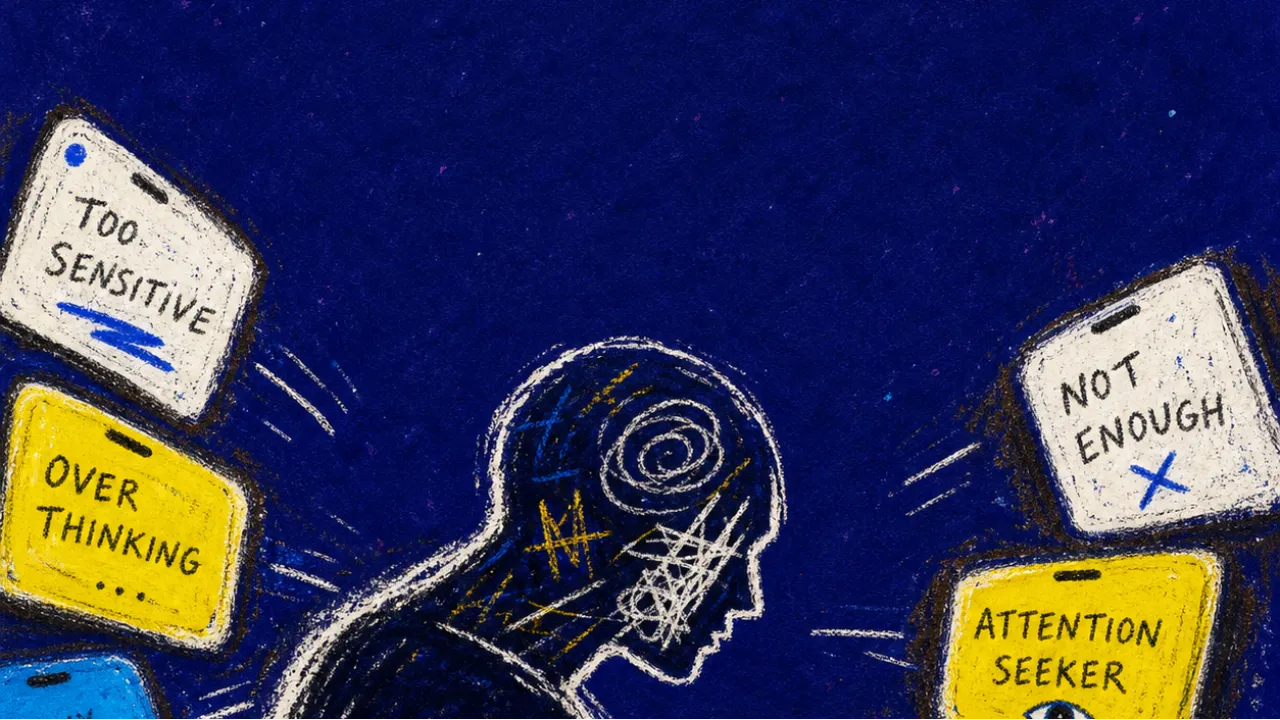
A solitary figure surrounded by glowing phones and floating tags, shoulders pulled inward as white glare pushes their outline

What is this situation?

Family Social Media Spotlight — you first notice it when your phone lights up before you have even had time to process what happened offline. A parent posts a childhood photo for your birthday, an aunt tags you in a long caption about your job, a sibling uploads a video from a family dinner, or someone turns your relationship status, graduation, move, breakup, body, outfit, or quiet weekend into public content. The post is framed as love, pride, humor, or “just sharing,” so objecting makes you look difficult before the conversation even starts. Comments gather under your name from relatives, family friends, coworkers, old classmates, and people you barely know, while the person who posted it gets to control the angle, the timing, the caption, and the version of you everyone sees. If you ask them to take it down, the room changes temperature: you are told not to be dramatic, not to make it a big deal, not to embarrass the family, not to act like you are hiding something. Over time, ordinary family moments stop feeling private because part of you is scanning for cameras, waiting for a tag, wondering which joke will become a caption, and calculating whether silence will be read as approval. The exhausting part is not social media by itself; it is being placed on display by people who already have emotional access to you, then being expected to smile inside a frame you did not choose, much like the figure on the Six of Wands, lifted into public view while the surrounding crowd holds the poles of attention around them.

Why it's not you?

The issue is not that you are too sensitive about being online; the issue is that your privacy is being treated as shared material. Posts, tags, captions, public jokes, and family commentary become a system that puts you on display while making your objection look like the problem. That pressure belongs to the setup, not to a flaw in you.

Family Social Media Spotlight in Tarot Cards

Family Social Media Spotlight turns private life into something relatives can post, tag, caption, and discuss in public before you have had room to choose your own frame. The tightness that hits when your phone lights up with tags and comments is not just awkwardness; it is your body registering an environmental, structural dynamic where access to family becomes tied to visibility. These Tarot Cards do not decide whether you should confront, mute, explain, or step back. They reflect the shape of this kind of exposure and the pressure around keeping your own outline intact.

The Hierophant
Upright
Between two pillars, a formal authority addresses two kneeling figures while crossed keys and repeated ceremonial symbols establish an accepted order. The hierarchy mirrors a family culture in which older relatives define posting as normal affection and expect younger members to follow the established etiquette of smiling, accepting the tag, and avoiding public contradiction. The upright structure offers a clear route to approval, but that route runs through conformity to the family's rules of visibility. You can be positioned as disrespectful or secretive when you introduce a consent standard that the family tradition has never recognised, even though the conflict concerns governance of personal information rather than love.
Three of Cups
Reversed
Three closely grouped figures raise their cups above a shared harvest, forming a compact circle of celebration and mutual attention. Reversed, that closed circuit can turn celebration into over-circulation: relatives and family friends reinforce one another through comments, jokes, screenshots, and approving reactions while the displayed person remains outside the decision-making circle. The social resource of communal celebration is present, but access to its terms is blocked by gossip-like distribution and assumed permission. You can become the subject around which the group bonds without being treated as an equal participant in deciding what the group publishes.
Six of Cups
Upright
A child offers another child a flower-filled cup inside a sheltered courtyard while further figures and buildings place the exchange in a remembered domestic world. The children, gifted keepsake, and protected setting closely echo childhood photographs or family memories brought forward as birthday content. The upright card keeps affection and nostalgia genuinely accessible, yet the person presenting the memory controls when and where the gift reappears. You can value the family archive while objecting to its public release, because shared history does not make every image shared publishing material.
Ten of Cups
Reversed
Beneath a rainbow of ten cups, two adults raise their arms while children play beside a home and open landscape. Reversed, the polished family tableau no longer provides secure belonging because maintaining the happy image can take priority over whether each person agreed to be included in it. The blocked resource is authentic family harmony, replaced by a publicly legible performance of closeness. You may be expected to smile in the photo, accept the caption, and avoid requesting removal because your objection would reveal the boundary conflict beneath the celebratory family image.
Ten of Pentacles
Reversed
Under a stone arch, an elder, an adult pair, a child, and household animals occupy a multigenerational scene overlaid with ten pentacles and family emblems. Reversed, the dense network of lineage, household status, and inherited symbols can treat an individual's image as part of the family's collective property and public reputation. The blocked resource is secure membership that allows personal ownership inside shared history. You may be told that deleting a post embarrasses the family because the system merges your photograph, job, body, relationship, or milestone with a larger family brand that others feel authorised to manage.
Two of Swords
Upright
A blindfolded figure holds two swords crossed over her chest while rocks interrupt the water behind her. The crossed blades physically sustain a stalemate between two costly routes: asking for the family post to be removed and absorbing the backlash, or staying silent and allowing silence to be interpreted as consent. The upright balance preserves a pause in which neither option has yet been surrendered. You are not facing a simple choice between being relaxed and being difficult; you are weighing privacy against access to family peace inside a setup where the poster has already acted and left you to manage the consequences.
Page of Swords
Reversed
A watchful Page looks to the side while gripping an oversized sword in air filled with moving clouds, trees, and birds. Reversed, the alert observer becomes an unreliable family information channel: private news is monitored for content, recordings are made without clear agreement, and partial details are circulated with captions that fix someone else's interpretation. The blocked resource is direct, trustworthy communication within the family. You may share less, speak more carefully, or scan for phones because emotional access gives relatives a steady supply of personal material while platform access gives them the power to publish it first.
Six of Wands
Upright
A rider wearing a laurel moves through a crowd whose upright staffs frame him on every side. The visible wreath, elevated position, and organised procession mirror a family tribute that presents your birthday, job, graduation, relationship, or appearance as evidence of collective pride. The upright route makes celebration and recognition readily available, but only through the family's chosen frame. You can be sincerely valued and still be denied authorship over the caption, image, timing, and audience, revealing that affection does not automatically produce consent.
Reversed
The same elevated rider, conspicuous wreath, and surrounding staffs become unstable under reversal because the infrastructure of recognition also controls reputational exposure. When you reject a family post, the approving procession can turn into criticism about secrecy, ingratitude, embarrassment, or making the family look bad. The blocked resource is not attention itself but access to visibility on your own terms. You may be offered only two public roles, grateful subject or difficult relative, while the family member who published the content keeps control over the original narrative and the meaning assigned to your objection.
Seven of Wands
Upright
One figure braces a wand across his body while six others press upward toward his position. The bodily defence, numerical imbalance, and pressure from below closely match a family takedown conflict in which several relatives defend the poster's love, intentions, humour, or right to share. The upright stance keeps your position available, but the family system requires you to hold it repeatedly and against multiple relationships at once. A request concerning one post can become a wider loyalty test because each challenge treats the privacy boundary as an attack on the family's collective access.
Eight of Wands
Upright
Eight staffs travel diagonally through clear air above a river and settled land, with no visible person able to interrupt their flight. Their shared velocity mirrors a family post moving at platform speed through notifications, comments, screenshots, and overlapping networks before you have processed the offline event. The upright motion makes communication channels fully available, but the person with posting access controls the release point. You are pushed into a timing problem in which response, correction, or removal begins only after the content has already reached relatives, coworkers, classmates, and family friends.
Nine of Wands
Upright
A bandaged figure grips one wand while eight more stand behind him like a record of previous incursions. His sideways attention shows the psychological residue of repetition: each earlier tag, joke, video, or unwanted photo remains active as evidence that another ordinary family moment may become public. The upright posture preserves discernment and a sense of where the perimeter is, but it also reveals the internal cost of having to keep that perimeter mentally loaded. You may rehearse takedown requests, anticipate accusations of overreacting, or interpret an appearing phone as the start of another exposure cycle because the family system has trained attention around recurrence.

Family Social Media Spotlight in Tarot Card Reading Insights

When Family Social Media Spotlight makes your personal life feel publicly handled by relatives, other people have brought that same pressure into readings. The shift from cards to readings shows how this situation can appear when someone asks for clarity around visibility, privacy, and family attention. Tarot Reading Insights from sessions with this theme are collected below.


Psychological Contexts Related to Family Social Media Spotlight