Whose Work Is This?

Explore the tension around credit and authorship, matched with relevant tarot cards and reading insights from similar creative negotiations.

Creative Ownership Negotiation
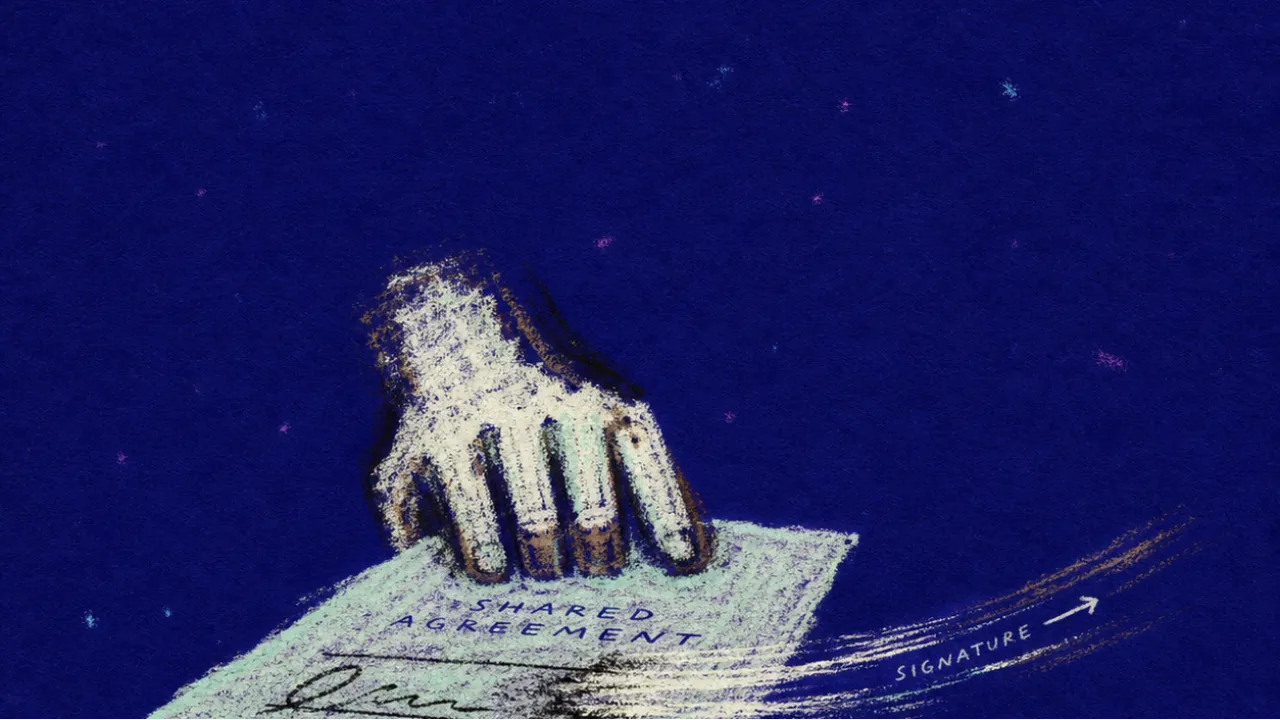
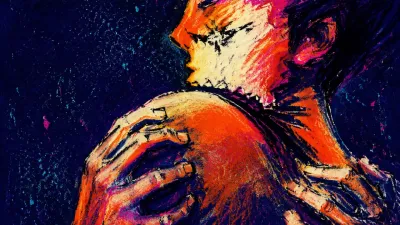
A solitary figure presses knuckles over a half-erased signature as outside hands pull a credit line across a glowing document

What is this situation?

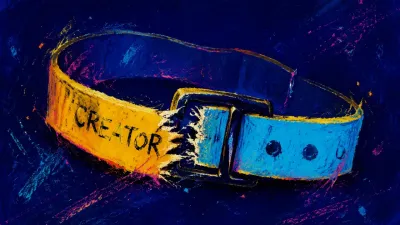
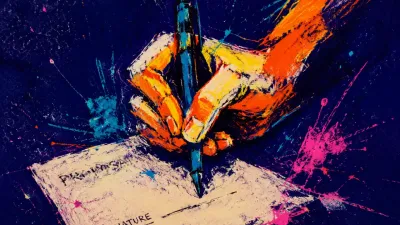
Creative Ownership Negotiation - you enter a project because the offer sounds collaborative: a friend needs visuals for a launch, a client wants a concept, a startup asks for a deck, a bandmate wants to split the work later, and everyone keeps the mood casual enough that asking for terms feels like ruining the vibe. At first, the meetings happen over coffee, DMs, shared folders, and late-night calls, and your ideas move quickly from your notes into the group document. Then the wording shifts: 'we built this,' 'our direction,' 'the team's concept,' while your name gets smaller in the deck, the byline becomes optional, and the usage window keeps stretching past what anyone clearly agreed to. When you ask who owns the files, how the credit will appear, whether the fee covers edits, posting, resale, or future use, the room gets suddenly vague; someone says they thought you were doing it for exposure, someone says the budget changed, someone says you are making it complicated. The power imbalance shows up in who controls the email thread, who has the client relationship, who can approve payment, and who can quietly replace your contribution if you push too hard. Your day gets split between making the work and documenting the work: screenshots, timestamps, version histories, careful messages, and your hand hovering over Send because one sentence has to be firm without sounding difficult. By the time the project is public, you are not only negotiating credit; you are trying to keep your authorship from being absorbed into a smoother group narrative, much like Justice holding scales and a raised sword, asking the room to name what belongs where before the decision is closed.

Why it's not you?

The issue is not that you are too protective of your work; creative ownership becomes unstable when the terms stay vague while the project keeps moving. When credit, usage, payment, edits, and decision-making are controlled by other people or left to sort out later, the strain comes from the setup itself. This is a negotiation structure that rewards ambiguity until someone has to name the boundary.

Creative Ownership Negotiation in Tarot Cards

Creative Ownership Negotiation shows up when your work is already moving through shared decks, DMs, and client threads while the terms remain blurry. That moment when your hand hovers over Send is not just personal hesitation; it is a response to an environmental, structural dynamic that makes you defend authorship after the room has already used it. The cards below do not decide ownership or assign blame; they reflect the visible pressure around credit, usage, and control. Here are the Tarot Cards that tend to mirror this situation.

The Emperor
Reversed
The Emperor sits in armour on a stone throne, holding the symbols of rule inside a barren, tightly controlled landscape. Reversed, that concentration of authority stops functioning as stable governance and becomes a bottleneck: one project lead controls the client relationship, approval chain, payment, final files, and language of ownership without providing clear terms. You may be invited to collaborate creatively while being excluded from the infrastructure that decides how the work is used. The reversed throne shows why good-faith conversation alone can stall; the relevant resources and permissions are blocked behind a role that claims final authority without accepting transparent accountability.
Justice
Upright
The scales and upright sword place relationship and distinction in the same frame: the exchange can remain balanced only if the parts are clearly named. In a friend-led creative project, those symbols separate generosity from unlimited labour, shared enthusiasm from shared ownership, and friendly access from unrestricted future use. You are facing a friendship structure that may treat formal credit or payment language as evidence of mistrust. The upright balance keeps another interpretation available: making roles visible can preserve the relationship by preventing one person's goodwill from becoming the project's unspoken budget or ownership policy.
Two of Pentacles
Upright
The two pentacles moving inside one continuous loop mirror the linked workloads of making the creative asset and documenting how it moves. The uneven sea and working ships behind the juggler place that double load inside an unstable operating environment, much like a project whose scope, credit, and usage keep shifting while production continues. You may have enough practical control to keep both workstreams visible, but that control consumes time that was supposed to belong to the creative task itself. The upright motion makes the hidden administration legible: screenshots, file versions, follow-ups, and attribution checks are not personal overmanagement when the project structure has failed to preserve ownership on its own.
Three of Pentacles
Reversed
The maker, planner, and robed collaborator gather beneath visible craftsmanship, showing different roles contributing to one build. Reversed, the shared plan no longer secures functional cooperation: the group can use the work while leaving authorship, approval, revisions, and responsibility socially undefined. You may have entered because a friend described the project as something you would build together, only to discover that "together" changes meaning when the launch needs a byline or the work gains commercial value. The reversed workshop blocks recognition at the role level, where friendship access substitutes for an agreed division of creative ownership.
Four of Pentacles
Upright
The seated figure presses one pentacle to his chest, pins two beneath his feet, and balances another on his crown while the city remains at a distance. The arrangement makes control physically visible: assets are held close, movement is restricted, and access is organised around a single holder. You may be negotiating with a client or project lead who treats possession of the shared folder, source files, account credentials, or final deck as proof of ownership. The upright card makes the concentration of control legible; because the resources are visible and held rather than lost, the dispute can be understood as one of access and possession rather than a vague clash of creative feelings.
Six of Pentacles
Reversed
One standing figure holds the scales and distributes coins to two people below, making generosity inseparable from hierarchy. Reversed, the arrangement reveals a friend who can define your creative labour as a favour, exposure, or mutual support while retaining control over whether payment, credit, access, or reciprocity ever arrives. You may feel pressure to accept the unequal exchange because naming it appears to challenge the friendship itself. The reversed flow shows the resource blockage clearly: your work enters the project as something available, while compensation and recognition remain discretionary benefits controlled by the person who made the invitation.
Two of Swords
Upright
The blindfolded figure holds two crossed swords while a broken shoreline and open water sit behind her. The project likewise presents competing paths, such as approving the release, pausing for written terms, limiting file access, or withdrawing, while the information needed to compare those paths remains incomplete. You still hold both swords, so the decision has not been taken entirely out of your hands. The upright stalemate identifies the real bottleneck: every available option carries a social or material cost because the collaboration postponed ownership decisions until your work was already embedded in the launch.
Seven of Swords
Upright
The figure taking five swords from the encampment while leaving two behind creates a precise image of selective transfer. In professional creative work, a concept, deck, design system, or source file can travel into a client-facing channel while its origin, limits, and contributor credit are left behind in the internal thread. You may encounter that transfer as a renamed file, a presentation delivered without you, or future use described as if it had always belonged to the organisation. The upright route is exposed and therefore traceable: timestamps, drafts, messages, and surviving source material can keep the movement of authorship visible even when the public narrative becomes vague.
Seven of Wands
Upright
A lone figure holds the higher ground against six wands rising from below, bracing on uneven footing while protecting a position already reached. That elevation mirrors authorship established through completed work, while the surrounding pressure resembles stakeholders challenging the need for named credit, limited usage, paid revisions, or control of source files. You are defending an existing contribution rather than requesting status from nowhere. The upright stance keeps that position available, but the mismatched footing shows the cost of defending it inside a system where the other side controls the client, deadline, budget, or replacement options.
Eight of Wands
Upright
Eight wands travel through open air on the same rapid diagonal, with no figure visibly slowing or redirecting them. That unobstructed movement mirrors a launch pipeline in which drafts, source files, approvals, and public assets advance faster than ownership terms can be named. You experience the timing problem as a shrinking window rather than a neutral scheduling question. The upright momentum shows why ambiguity becomes more powerful with each handoff: the route to publication is open, but credit and usage decisions are still trying to catch up with work already in motion.
Ten of Wands
Upright
The figure bent beneath ten bundled wands carries the entire load toward a town that is visible but not yet reached. The packed bundle obscures his view, reflecting how deliverables, revisions, attribution checks, payment follow-ups, and evidence preservation can become one undifferentiated project burden. You can still see that the work has a destination, but reaching publication now requires carrying responsibilities that should have been distributed across the collaboration. The upright card keeps the labour visible rather than treating your fatigue as a private weakness: the project has concentrated production and governance work in the same pair of hands.

Creative Ownership Negotiation in Tarot Card Reading Insights

Creative Ownership Negotiation also appears in readings when someone brings in a blurred credit line, a stretched usage agreement, or a project where the group voice has started swallowing the maker's name. Others have brought similar authorship and recognition questions into readings after the pressure became easier to point at. Tarot Reading Insights from sessions about creative work, credit, and ownership terms.

Psychological Contexts Related to Creative Ownership Negotiation