Certainty Performance in Software Launch Readiness: Testing One Open 0
The 10:12 Glass Room and Certainty Performance in Software Launch Readiness
I met Jordan at the point where a launch update had become heavier than the launch itself. They were a 29-year-old product manager in London, composed enough to make a stakeholder believe every dashboard was under control, but carrying a question that had started to follow them home: why did they keep saying the team was ready when the risks were still sitting open in Jira?
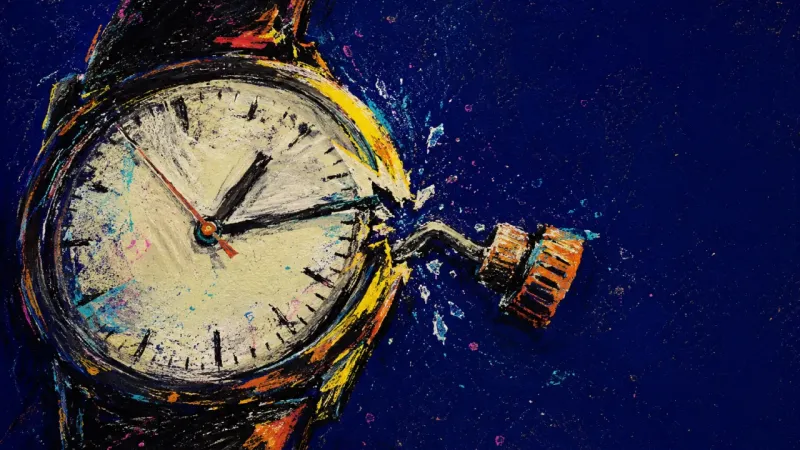
That is certainty performance in software launch readiness: knowing enough to see the risk, then editing the sentence until confidence sounds more urgent than the evidence. Jordan told me about 10:12 on a Tuesday in a glass meeting room near Old Street. Fluorescent lights buzzed above a half-finished coffee. A stakeholder asked for a clean yes or no. Jordan rubbed a thumb along the edge of their laptop, glanced at the risk register in another tab, and said, "We are generally comfortable."
As I listened, I could picture the small private edit that followed: a firmer Slack headline, a green checkmark reaction in #launch before anyone had opened the linked risk register, the unresolved integration failure moved into a low-visibility follow-up column. Jordan described their jaw locking around the sentence they were not saying, their breath stopping high in their chest, their hands restless over the trackpad afterwards.
"I know the risk is there," they said. "But if I say it plainly, people will think I have lost control. Other leads make a clean call. I keep needing one more dashboard check to prove I was allowed to make mine."
I heard the strange, Severance-like split in that: the steady version of Jordan in the meeting and the privately activated version refreshing Jira on the Elizabeth line instead of listening to the saved podcast in their headphones. The feeling was not simply pressure. It was like trying to hold a red ticket below the fold of a screen while everyone in the room waited for the headline to turn green.
"You are not confused about whether the risk exists," I said. "You are scared of what naming it might make you in the room. We are not here to predict a launch outcome or tell you what you must do. We are here to make the pattern visible, so you can choose a more honest way to lead it. Let us draw a map toward clarity."
A Six-Card Map for the Launch Gate
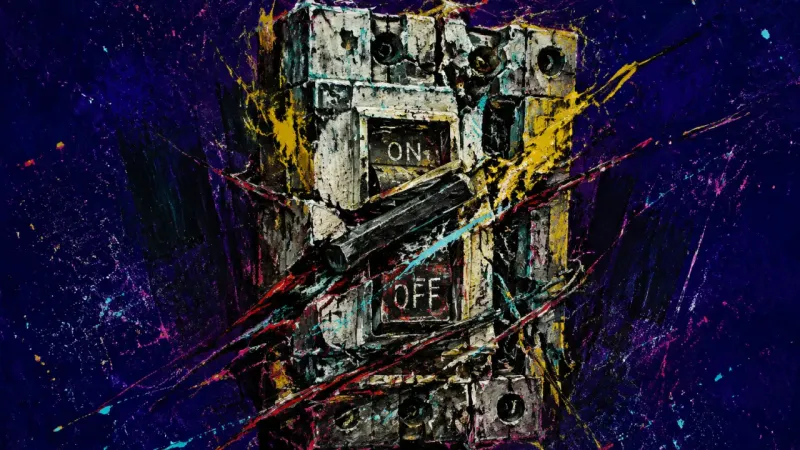
I asked Jordan to take one slow breath and hold the question in practical terms: "What happens inside me when I call us ready before the evidence supports it?" I shuffled slowly, not as a performance of mystery, but as a pause between the meeting they had replayed and the pattern we were about to examine.
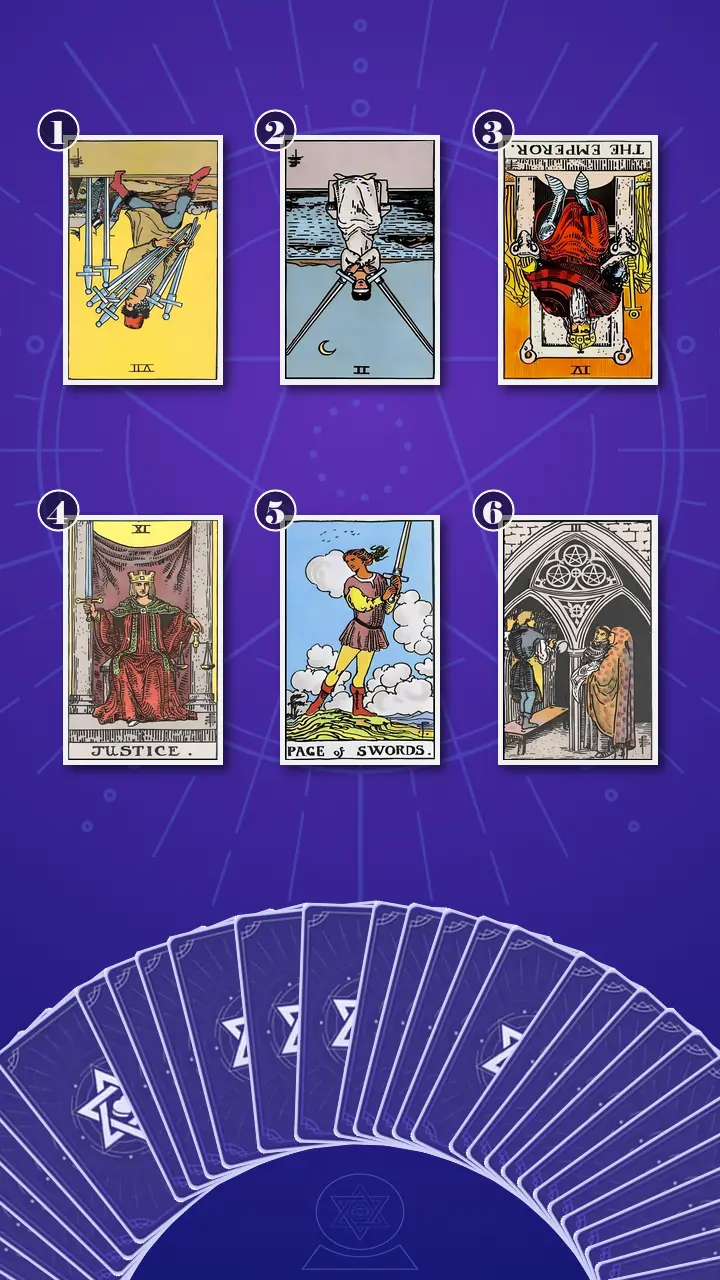
I chose the Transformation Path Grid (6) · Context Edition. For anyone wondering how tarot works in a career reading like this, I use the cards as an organized reflection tool: they give the repeating behaviour, the pressure beneath it, and the available next move separate places on the table. This question did not need a broad predictive spread. It needed a clear view of a self-reinforcing loop: visible risks create pressure; pressure produces a confident statement; that statement brings a quick release; then the unresolved risk returns, often with more private checking and more fragile trust.
The upper row of the six-card grid would show the current readiness language, the blockage that kept it vague, and the deeper professional identity being protected. The lower row would build a route out: the evidence-based trigger, the communication practice, and the collaborative model that could hold readiness without asking Jordan to carry it alone.
The Headline and the Hidden Ticket
The Risk Carried Out of View
Now I turned over the card representing the presenting problem and current state: Seven of Swords, reversed.
I pointed to the figure looking back while carrying five swords away, leaving two behind in the camp. "This is not accusing you of being deceptive," I told Jordan. "It is showing a strategy that has stopped protecting you. At 8:55 before the launch stand-up, you write on track in Slack while the fuller integration caveat stays in a private note. The risks left behind are the ones still visible in Jira, even after the headline has carried the inconvenient details out of the shared conversation."
Reversed, this card showed disclosure under strain: information is present, but it is selectively softened. The energy was blocked rather than malicious. Jordan was trying to prevent one material risk from becoming a verdict on their competence, but the polished message created only brief relief. The evidence had not gone anywhere; it had simply been made harder for the right people to inspect.
Jordan gave a short, bitter laugh. Their mouth pulled to one side before their gaze dropped to the card. "That is almost cruelly accurate," they said. "I make the message look cleaner, then spend the evening trying to prove to myself it was still technically true."
"That makes sense as a protective reflex," I said. "And it is exhausting. The useful question is not whether you should expose every concern in every channel. It is: which visible risk is being carried out of the main decision, and what would change if it were named with proportion?"
The Comfort Check That Cannot Decide
Now I turned over the card representing the core blockage: Two of Swords, reversed.
The blindfold, crossed swords, and still water brought Jordan back to the go-or-no-go meeting. They could see the risk register. Yet instead of asking what had to be true before launch, they asked whether everyone felt generally comfortable. The blindfold was vague readiness language. The crossed swords were the competing needs to proceed and to keep the product safe. The still water was the brief calm created when no one had to define the threshold out loud.
Reversed, the card showed decision energy that had been held so tightly it became avoidance. Another dashboard refresh, another status review, another question about whether the issue was manageable: all of it created movement without resolving the call. Defining a condition felt risky because someone might challenge it in front of everyone, and the decision would suddenly feel exposed as Jordan's responsibility.
I watched their fingers close around the cardboard edge of the card, then loosen. "It is like I am holding two browser tabs across my chest," they said. "Proceed and wait. If I define the condition, someone can disagree with it, and then I have to own that disagreement."
"Yes," I replied. "A vague comfort check can feel neutral, but it quietly hands the risk back to you. A fair condition lets the team examine the decision together."
The Armor Beneath the Status Deck
Now I turned over the card representing the underlying root: The Emperor, reversed.
The stone throne, the ram-headed authority, the red robe, and the armor beneath it gave me the deeper image immediately. I saw a status deck being used as armor: wording made firmer while rollback coverage, ownership, and the proceeding standard remained underdefined. When an engineer raised a caveat, Jordan did not hear only system data. They heard a threat to the role they believed they had to perform.
Reversed, the Emperor does not say that structure is bad. It shows structure becoming brittle when it is used to protect status from reality. The energy here was excessive control: a belief that leadership meant guaranteeing certainty, rather than making a credible decision structure available to the people doing the work.
I call this kind of lens Workplace Typecasting Analysis. I have seen office ecosystems quietly assign someone the role of the calm closer, the person who keeps the release train moving and makes a public commitment sound inevitable. The role can look like authority, but it can be a marginalized supporting role in disguise: other people get to raise complexity, while you are expected to keep the scene smooth. I could feel the old film-maker part of my mind recognize it. A character who has stayed too long in a painful scene can begin mistaking the script for their personality.
"I think I have become the person who makes the date feel safe," Jordan said, heat rising briefly into their cheeks. "So when someone names a risk, it feels like they are showing everyone I cannot do the job."
"Control is not making uncertainty disappear; it is giving uncertainty a fair place in the decision," I said. "Leadership is not lost because a specialist has relevant evidence. It becomes more real when you establish who owns what, what must be tested, and who has the decision rights."
When Justice Set a Fair Launch Gate
The Evidence That Can Be Seen
The room seemed to get quieter as I turned the card at the visual bridge between diagnosis and action. Now I turned over the card representing the key trigger: Justice, upright.
The level scales in one hand and the upright sword in the other were a direct answer to the scene near Old Street. I placed the image beside the shared risk register in my mind: scales for weighing what the evidence actually showed, sword for the one direct sentence that separates what is known from what is missing. Justice did not ask Jordan to panic, confess, or overcorrect by pasting every unresolved concern into every channel. It asked for proportion, accountability, and a standard that did not depend on the mood of the room.
At 10:12, with cold coffee beside the keyboard and a stakeholder asking for a simple yes or no, Jordan had been caught in the old thought: if I name this, they will think I cannot lead. I asked them to imagine one different question: what standard would still be fair if they were not responsible for protecting the room's mood?
Certainty is not the same as control; use Justice's balanced scales to name the evidence, the unresolved risk, and the standard that makes a responsible next step clear.
Jordan stopped moving. Their thumb hovered above the card, and I saw their breath pause before their eyes lost focus, as if the glass meeting room had replayed behind them: the buzzing lights, the open dashboard, the quick relief after saying everyone was comfortable. Their pupils widened, then their expression tightened with a flash of anger. "But does that mean I got it wrong before?" they asked. The question came out quiet but sharp. Their hands had folded into fists against their knees; slowly, one finger opened, then another. I let the silence do its work before I answered.
"No," I said. "It means you found the cost of a strategy that was trying to protect you. You were not failing leadership; you were using certainty to carry more than one person should carry. Now, with this new perspective, think back over last week. Was there a moment when naming the evidence, the open risk, and the owner would have helped you feel different?"
Jordan exhaled from deep in their chest. Their shoulders dropped, but the release left a small unsteady space behind it, like stepping off a crowded train platform and realizing there is no longer a crowd to lean against. "The rollback question," they said. "I could have said, 'We are missing the coverage result. Priya owns that check. We decide at four.' I thought I needed to sound ready. Actually, I needed to make the next decision possible."
I named the shift plainly: this was movement from defensive certainty and solitary control toward evidence-based confidence and collaborative accountability. Readiness is a claim the evidence should be able to survive, not a mood the room has to perform. That is a change in leadership narrative, not a loss of it.
I used my Leadership Narrative Construction practice here. I invited Jordan to rewrite the role from "the lead who must guarantee the launch" to "the lead who creates a fair launch gate." In a film, the protagonist is not the person who controls every weather system in the scene. She is the one who chooses what becomes visible, asks the consequential question, and changes what happens next.
The Question That Keeps the Gate Honest
Inquiry Instead of a Better Performance
Now I turned over the card representing the actionable response: Page of Swords, upright.
The Page stood alert in moving air, sword upright, not pretending the weather was calm. This was confidence becoming inquiry. In Jordan's next readiness conversation, the card asked them to name the assumption supporting the launch claim, ask what evidence would change the current assessment, and record where the answer would live. The upright sword became a precise question, not a weapon.
"I would try this sentence," I said. "We know X. We are still checking Y. The next question is Z, and we will record the answer in the launch document. That is not less decisive. It is the kind of decision-making people can maintain after the meeting is over."
The Page's energy was balanced and available: alertness without hypervigilance, curiosity without endless debate. Jordan's mouth relaxed into something close to surprise. "That sounds less like I am opening a fight," they said, "and more like I am asking the room to help assess the thing we are actually deciding."
Plans on the Table, Not a Verdict in One Voice
Now I turned over the card representing integration: Three of Pentacles, upright.
I looked at the craftsperson, the two people holding plans, and the three pentacles embedded in the stone architecture. I saw the Thursday hybrid review Jordan had described as an aspiration: an engineer, a support lead, a delivery manager, and a designer looking at one Miro board with the same risk, evidence, owner, threshold, and next review point.
This card grounded all the Air in the spread. Seven of Swords and Two of Swords had shown information carried away or suspended. Justice had restored a fair standard. Page of Swords had turned that standard into questions. Three of Pentacles made it practical: competence visible through shared craft, not one person's reassuring summary.
"You do not have to carry the launch in your voice when the work can carry the evidence together," I told Jordan. "A cross-functional review is not a vote of no confidence in you. It is a way to make trust reasonable. Keep the group small, relevant, and bounded. Shared accountability does not mean endless debate or abandoning your decision role."
One Risk, One Owner, One Fair Next Step
I gathered the spread into one story. The reversed Seven of Swords showed Jordan softening the visible risk to preserve a clean readiness headline. The reversed Two of Swords showed how vague comfort language delayed the exact condition that could resolve the decision. The reversed Emperor revealed the ache underneath: Jordan had tied credibility to appearing personally certain. Justice broke the loop by making readiness testable. Page of Swords supplied the question. Three of Pentacles gave that answer a shared, inspectable home.
The cognitive blind spot was not that Jordan cared too much about the launch. It was the assumption that concise communication requires certainty, or that a visible caveat must equal weak leadership. The transformation direction was more precise: replace the reflexive readiness statement with an evidence check that names the top open risk, its owner, the threshold for proceeding, and the next review point.
I offered Jordan three small practices. They were not tests of courage, and they were not instructions to disclose confidential information outside the people who needed it. They were ways to interrupt the old script before it reached the Slack headline.
- Evidence Before ReadyBefore the next launch update, open Jira or Linear, choose one unresolved risk with the highest impact or lowest evidence, and place it in the first three lines of the Slack or email update: "The visible risk is X. We have evidence Y. We are missing Z."Start with one material risk and one sentence of evidence. Do not soften it until it becomes meaningless, and do not turn the update into an unprioritized list of every concern.
- The Two-Condition Go-or-No-Go PauseFor that same risk, spend ten minutes in the shared launch document writing two observable conditions for proceeding, such as confirmed rollback coverage and support volume below an agreed threshold. Ask one trusted colleague what would make those conditions too weak or what evidence would change their assessment.Use the neutral label "evidence check in progress" until each condition has an owner and a review point. The conditions do not need to be perfect; they need to be testable for the next decision.
- The Protagonist Reframe DirectiveIn the next 20-minute cross-departmental readiness review, invite the risk owner, relevant specialist, and launch decision-maker. Put the risk on a shared Miro board and say: "I am not asking us to perform certainty. I am asking us to decide from the evidence. What do we know, what is still uncertain, and who brings the next check back?"Keep the room limited to people with evidence or decision rights. If the conversation becomes dismissive or unsafe, pause and use the agreed escalation path rather than forcing yourself to keep explaining.
I called the third practice a protagonist reframe because it changed Jordan's first move in the scene. Instead of arriving as the person tasked with making uncertainty disappear, they could arrive as the person who made reality discussable. That was their authority to use, not a new persona they had to perform.
A Thursday With the Work on the Table
A week later, Jordan sent me a screenshot of a Miro board: one risk, one owner, one threshold, one review point. They said the meeting felt exposed but orderly. They slept through the night, then woke with "What if we are wrong?" and smiled before opening the shared record.
I did not read that as a perfect ending. I read it as the first small proof that Jordan no longer had to refresh a private dashboard to make a confident sentence feel defensible. Their Journey to Clarity had not removed uncertainty from product work. It had given uncertainty a place where the right people could see, test, and carry it together.
That is what the Transformation Path Grid six-card tarot spread can offer for a repeating workplace pattern: not a verdict from outside you, but a frame that helps you notice where you have handed your power to an old role and where you can take the pen back.
When a room asks you for a clean yes, you may know the feeling of your jaw locking and your hand tightening over the risk register while the words "we are ready" form before you. Noticing that moment does not make you less capable. It may be the first honest frame in the next act.
When your own launch gate asks for certainty, which Justice question can you put on the table first: what evidence is missing, who owns the next check, what threshold applies, or when will we review it together?