Why Action Won't Land
Map the split between sharp planning and usable follow-through through the struggle definition, related tarot cards, and reading insights.

Strategy-execution Split
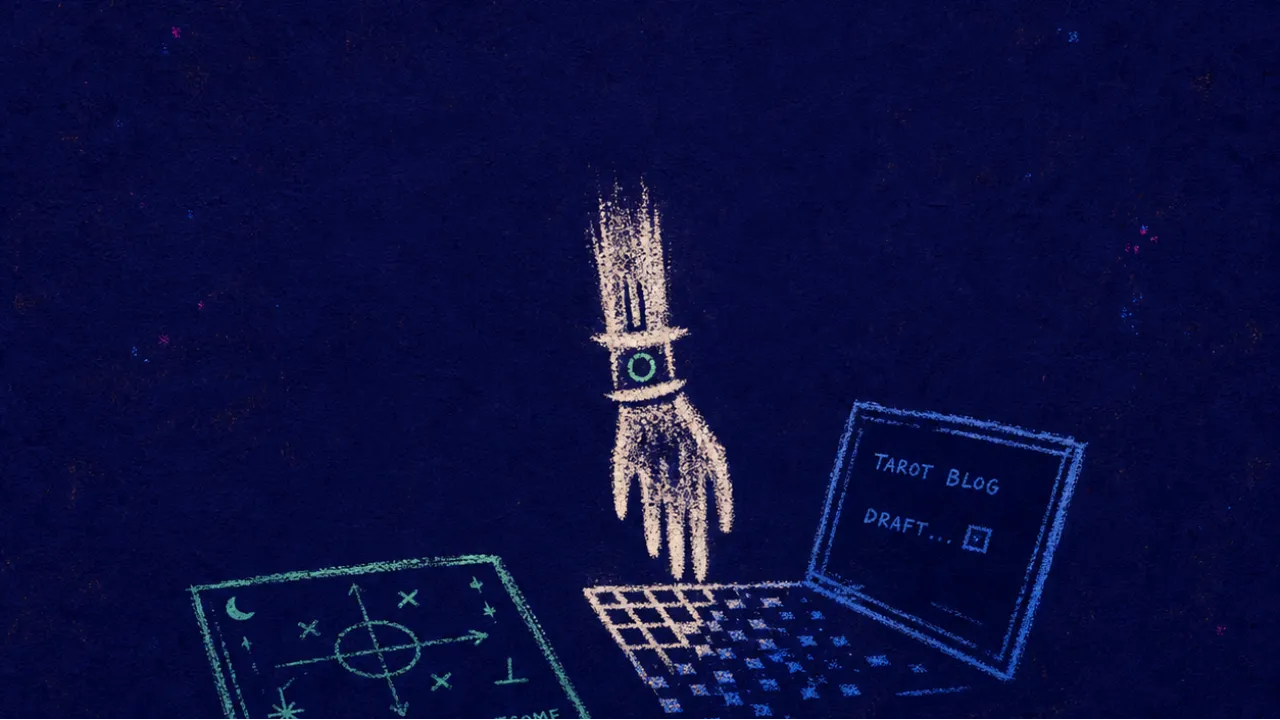
What does this feel like?
Strategy-Execution Split is the moment you have the doc open, the plan looks clean, the first three moves make sense, and still your hand hovers over the trackpad like the next click has to justify the whole system. You can sound sharp in a meeting, map the logic, answer the questions, build the tracker, then feel something disconnect when the work has to become a messy first draft, a sent email, a calendar block, a submitted answer, a move with a timestamp on it. Your mind keeps polishing the route while your body stays in the chair: shoulders tight, breath held, mouth dry, eyes flicking between tabs as if one more source, one more note, one more cleaned-up outline will make the landing point finally appear. The strange part is that you are not short on capability; you can see angles other people miss, name the weak spot, predict the follow-up, and still watch the day pass while the thing itself remains untouched or only half-started. It starts to cost you trust in your own motion, because preparation begins to feel safer than contact, and every unfinished task becomes quiet evidence that clarity alone does not move a life. You end up living between the clean command and the awkward step, much like the Knight of Swords, sword raised and horse already charging through the wind, all that precision pointed into a field where no clear target has appeared.
What's pulling at you?
You're not stuck because you cannot think; you're stuck because the part of you that plans and the part of you that has to touch the task are operating under different rules. One part wants a stable target before committing, while another part is already being asked to produce, reply, submit, or ship. The split opens when speed gets rewarded before direction has become usable.
How It Shows Up?
- You walk into a stand-up with a clean update, and the words come out sharp: priorities, blockers, next steps. Then someone asks what will be done by Friday, and you feel your chest tighten because the target has shifted again, just slightly, after you were already moving. Your cursor hovers over the task board, your shoulders creep up, and the action item looks strangely weightless, like a raised sword with no object in front of it. You can let the next move be smaller than the whole strategy; specificity is allowed to arrive one task at a time.
- You sit down to study with a color-coded tracker, three tabs of notes, and a timer already running, but the essay file is still blank except for the title. Your jaw tightens as you reread the prompt for the sixth time, and your hand keeps moving between the outline and the empty page, as if thinking harder should become writing by itself. The room feels orderly and still, closer to the King of Swords' seated command than to a body in motion. It is okay for the first paragraph to be rough and narrow before it becomes useful.
- A friend asks how the new plan is going, and you hear yourself explain it beautifully, with more confidence than you felt five minutes ago. Then they ask what you are doing next, and there is a tiny pause: your throat tightens, your stomach dips, and the answer gets longer because the step itself is not ready to be touched. You may not need a better explanation in that moment; you may only need one contact point that can survive being imperfect.
- At 1 AM, you reopen the notes app where you keep the version of your life that looks clean from above: routines, goals, budgets, reading lists, the whole horizon laid out. Your eyes burn, your breathing gets shallow, and you scroll through your own plan the way the figure on the Three of Wands looks toward distant ships, close to the tools but far from the movement. You can close the app without solving the whole distance tonight; the map will still be there after sleep.
- In a co-working session or group project chat, everyone starts naming what they are shipping, and you suddenly feel a half-second behind your own competence. You smile, type a clean sentence, maybe even volunteer for the hard part, while a tight band forms across your forehead and your hands go a little cold on the keyboard. The body notices the gap before the room does: there is motion, language, readiness, but no stable place for the effort to land yet. You can notice that signal without turning it into a verdict on your ability.
Strategy-execution Split in Tarot Cards
When your plan is sharp but the work still will not land, the split shows up in small physical pauses: a hand moving between the outline and the empty page, shoulders tightening before a task becomes concrete. From an existential angle, the structural framework is the gap between clean command and awkward contact. The cards below do not explain it away; they make the outline visible. Here are the Tarot Cards that tend to mirror Strategy-Execution Split.
Strategy-execution Split in Tarot Card Reading Insights
Strategy-Execution Split often enters readings as the gap between a plan that sounds sharp and a next step that will not stay concrete. The shift here is from the cards themselves to the moments other people bring that gap into a spread. Tarot Reading Insights from sessions on this pattern.

From Performance Anxiety to Grounded Confidence: One Draft at a Time
Topic:Career Tarot Reading
Struggle:Performance-Competence Split
Context:LinkedIn Performance Loop

Three Job Tabs Closed at 10:45; Six Days Later, She Pressed Send
Topic:Introspection Tarot Reading
Struggle:Security-Identity Fusion
Context:Career Changer Reskilling

When the Check-In Becomes Permission: Starting with One Small Step
Topic:Lifestyle Tarot Reading
Struggle:Readiness Loop
Context:Routine Reset Trial

Putting On the Running Shoes: From Replanning the Day to Entering It
Topic:Lifestyle Tarot Reading
Struggle:Freedom-Structure Conflict
Context:Routine Reset Trial

Three Open Tutoring Slots, Two Renamed Folders, Then One Booking
Topic:Study Tarot Reading
Struggle:Clarity-Exposure Split
Context:Readiness Mismatch Cycle

Four Approved PRs: From a Mandatory Final Pass to a Peer-Owned Merge
Topic:Career Tarot Reading
Struggle:Responsibility-Authority Split
Context:Authority Approval Bottleneck

Dragging the Same Calendar Blocks Again—And the One-Task Rule That Stuck
Topic:Introspection Tarot Reading
Struggle:Pacing Control Strain
Context:Life Admin Backlog

From LinkedIn Comparison Spirals to Grounded Momentum: A Pivot Case
Topic:Choice Tarot Reading
Struggle:Feedback Disconnection
Context:Networking Launch Window