The 11:47 p.m. Spiral of High-Functioning Burnout
If you're a late-20s account manager in Toronto who can answer a client Slack in two minutes but leaves a friend's “you alive?” text unopened until Thursday, this will probably feel familiar. When Jordan sat down with me, I recognized the shape of her question immediately: why do I ignore texts when I'm overwhelmed, why do I stress shop after work, and why am I too tired to sleep because work anxiety still feels switched on?
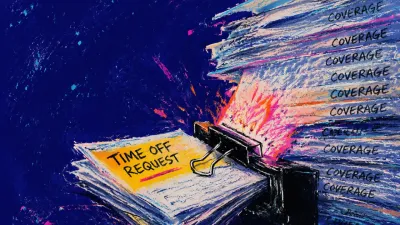
She told me about Tuesday at 11:47 p.m. in her condo near St. Clair West. In my mind I could see it as clearly as if I were standing in the doorway: laptop half-closed on the duvet, a warm phone in one hand, two shopping apps hiding beneath a client deck, the charger humming softly, the screen light bluish and mean. A friend's message—“You alive?”—sat unread while her email refreshed one more time. By day she looked responsive; by night her life went into read later.
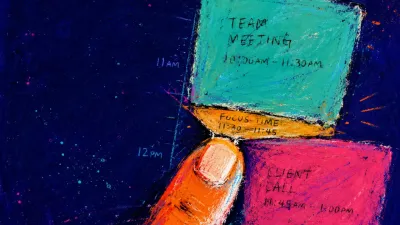
Her Google Calendar had already looked like Tetris before the late-day Slack pings even started. What she wanted was simple and very human: to stay on top of work and feel competent. What she feared was sharper: that if she slowed down, asked for pacing, or admitted she was overloaded, someone would hear it as proof that she couldn't handle her role. The overwhelm wasn't abstract. It felt, as she described it and as I could almost feel in my own chest, like fluorescent bees trapped under her collarbones—tight chest, buzzing shoulders, a body desperate for sleep but too activated to land.
I listened, then said the first thing I needed her to hear. “These habits aren't random. They're what emergency mode looks like in a polished life.” Her mouth tightened in recognition. “So,” I told her, “let's not moralize it. Let's map it. Today, our whole journey is about finding clarity without turning you into a project.”

Choosing the Narrow Bridge: A Situation-Obstacle-Advice-Outcome Spread
I asked her to put both feet on the floor and take a slow breath with me before I shuffled. I often use a short cosmic breathing reset at the start of a reading—not as mystique, but because a nervous system needs a landing strip before it can tell the truth.
For her question, I chose a Situation-Obstacle-Advice-Outcome spread. It is one of the cleanest ways I know to read a high-functioning burnout loop of stress spending, avoidance texting, and work-driven insomnia, because it traces the chain without adding noise. How tarot works best in a case like this is not by predicting some dramatic future event. It works by showing card meanings in context: what the pattern looks like on the surface, what hidden rule is driving it, what energy interrupts it, and what practical next steps can actually be tested this week.
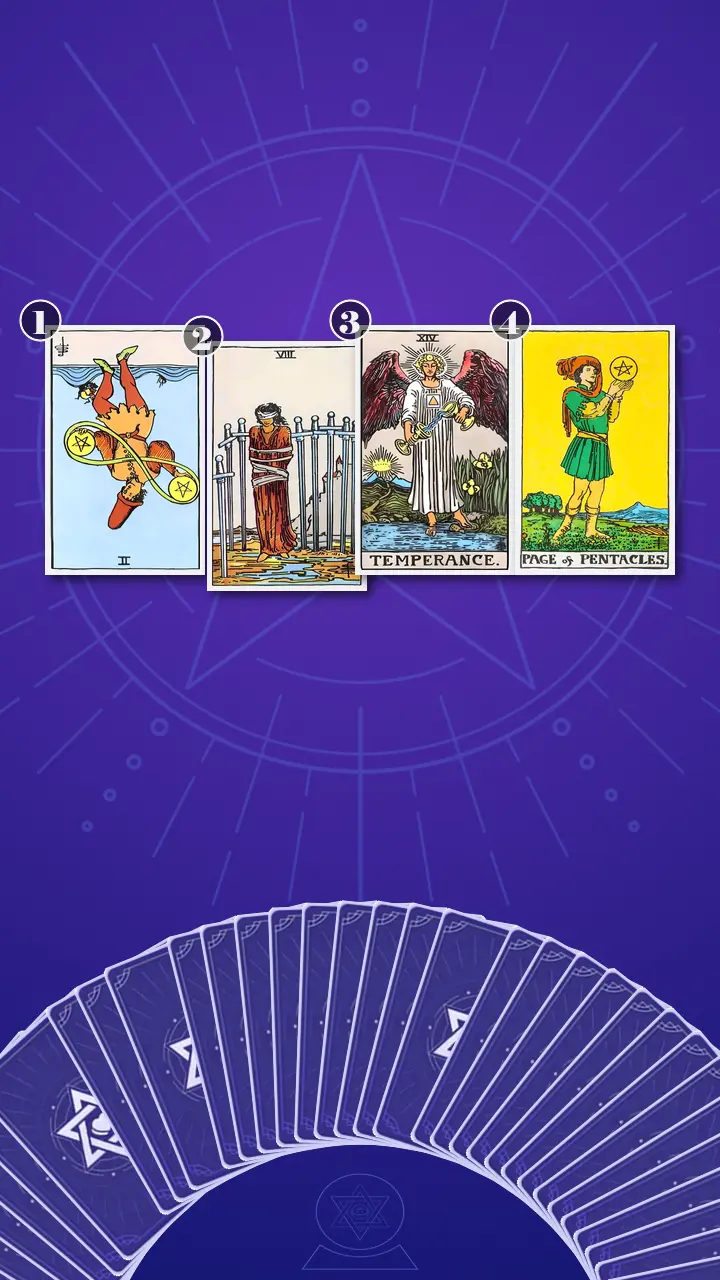
I laid the cards in a straight line from left to right like stepping stones across a narrow bridge. The first position would show the visible symptom cluster—overspending, ignored texts, late-night wiredness. The second would reveal the hidden obstacle under the behavior loop, especially the fear around competence and control. The third, the key card of the reading, would show the corrective energy strong enough to interrupt the cycle. The fourth would ground everything into a practical mindset Jordan could try before the week was over.
Reading the Tabs, the Drafts, and the Hidden Rule
Position 1: The Night That Looks Productive From Across the Room
The first card I turned over was the one representing the surface pattern named in her question. It was the Two of Pentacles, reversed.
I nodded as soon as I saw it. “This is you at 11:47 p.m.,” I said. “Client deck. Banking app. Shopping cart. Unread texts. One more email check. It feels like you're staying on top of everything, but your attention is scattering harder by the minute.” Reversed, this card shows blocked earth energy: practical life wobbling under too many moving pieces. It is the false productivity of constant switching—the kind of night that feels full, yet nothing truly settles.
In modern life, this card reminds me of a phone at 2% battery trying to run maps, Spotify, Slack, and a shopping app at the same time. Technically, it can do that for a moment. It cannot do it steadily. The infinity loop around the pentacles is the endless tab-switching; the raised foot is the body never fully coming down. Money, sleep, and connection all become collateral damage.
Jordan let out a quick, pained laugh and rubbed her forehead. “Okay,” she said, “that's literally my phone screen.” I smiled. Shame loosened a notch right there, which mattered. I wanted her to see the pattern before she judged it. “You're not bad at adulthood,” I told her. “You're over-juggling inside a storm and calling it efficiency.”
Position 2: The Draft Folder in Your Chest
The second card I turned over represented the hidden obstacle beneath the behavior loop. It was the Eight of Swords, upright.
“Here is the actual cage,” I said. “Not the workload by itself. The rule underneath it.” I asked her about the message she almost sends on heavy days—the honest one that says, I can't do all of this tonight, or I need a slower pace on this deliverable. Her eyes shifted before she answered, and I knew we'd found the live wire.
This card is constricting air energy: a mental blockage built from fear, self-monitoring, and quiet catastrophizing. The modern version is brutal in its simplicity. Jordan starts typing a work message asking whether something can move to tomorrow, deletes it twice, and sends nothing. Or she reads a kind text from a friend, thinks, I'll reply when I can sound normal, and then vanishes for three days because silence feels easier for ten minutes and heavier for three days. The blindfold is assumption. The loose ropes are the part that breaks my heart: she is not as trapped as she feels, but her body believes she is.
This is where I used one of my favorite lenses, what I call Dark Matter Detection. In astronomy, invisible mass bends visible motion. In a reading, the hidden rule does the same. The unseen sentence shaping all her visible behavior was this: “If I say I'm overwhelmed, people will hear that I'm not cut out for this.” That sentence had more gravity in her system than the actual facts on her calendar.
Jordan went quiet. First her fingers stilled on the mug. Then her jaw set. Then her gaze drifted somewhere just past my shoulder, as if she were replaying every half-written draft she had never sent. “That,” she said finally, very softly, “is exactly it.”
When Temperance Poured Between Two Cups
Position 3: The Antidote, Not Another Rule
When I turned over the third card, the room changed a little. The phone screen on the table timed out, and the softer lamp light took over. After the storm-gray feeling of the first two cards, the gold in Temperance looked almost warm enough to hear.
This position identifies the corrective energy that can interrupt the stress-compensation cycle and loosen the belief underneath it. The card was Temperance, upright—the clearest antidote in the deck for this kind of emergency mode.
“This isn't a character flaw. It's emergency mode replacing balance—and emergency mode does not get calmer because you pressure it harder.” I see this card all the time when someone is asking about work stress insomnia, stress shopping after work, or why ignoring texts when overwhelmed keeps happening in the same season. They look like three habits. Temperance says they are one system running too hot.
She was in the exact hour this card speaks to: the workday technically over, but her shoulders, phone, and thoughts still acting like the office never closed; the same hour when a cart, an unread text, and a sleepless night can all start to look like one coping strategy wearing three outfits.
The Sentence That Changed the Air
You do not need to grip every spinning plate harder; you need to pour between the cups and let balance, not panic, set the pace.
For a second she did not move at all. That was the first reaction: a small physical freeze, breath held halfway in, fingers hovering over the sleeve of her sweater. Then came the second: her eyes unfocused, not dissociating exactly, but replaying something—Tuesday night, the checkout screen, the unread “You alive?” text, the extra email refresh in the dark. The third reaction was emotional and messier. Her face tightened, and before the relief arrived, irritation flashed. “But if that's true,” she said, voice thin and sharper than before, “doesn't that mean I've been making it worse by trying to be responsible?”
I shook my head. “Not irresponsible. Unprotected. Emergency mode learns fast and protects hard. It just doesn't know the difference between a client escalation and your own bedtime.” Looking at Temperance, I had one of those quiet flashes I sometimes get from years under a planetarium dome in Tokyo: when a spacecraft drifts off course, mission control does not shame it into a better orbit. I run what I call a Gravity Assist Simulation in my head—less interested in the five-minute relief of the current move, more interested in the next day's trajectory. One tiny adjustment now changes where the craft ends up tomorrow. Temperance is exactly that. Balance is not underperforming. It's choosing a pace your body can actually live with.
Her shoulders dropped, then dropped again, as if even her body needed a second to believe me. There was relief in that, but also the slight dizziness that sometimes comes when a long-carried rule stops feeling holy. I asked her, “With this in mind, can you see a moment from last week that would have felt different if balance, not panic, had been setting the pace?” She nodded slowly. “The minute I deleted the message asking for more time,” she said. “And the minute I opened the shopping app after.” That was the shift, right there: from secret emergency mode to the first edge of steadier self-trust and workable limits.
Position 4: Boring Reps, Real Repair
The fourth card I turned over represented the practical next-step mindset if the advice was integrated. It was the Page of Pentacles, upright.
“Good,” I said, almost before I finished setting it down. “Because this card does not want a dramatic reset.” Upright, the Page of Pentacles is balanced earth energy returning in a healthier form. It is grounded learning, practical curiosity, and the willingness to build skill through small repeatable actions instead of trying to perform instant mastery.
Its modern translation is almost annoyingly simple: a spending pause, a two-line honest text, a paper list before bed, repeated long enough to matter. Duolingo streak energy for the nervous system. Not glamorous. Effective. This card moves Jordan from proving to practicing.
She exhaled through a smile that looked tired but real. “So I don't have to fix my entire personality by Friday?”
“No,” I said. “Self-trust comes back in boring reps, not dramatic resets.” Her whole face softened at that. I could feel the reading land not as pressure, but as permission.
The Enough-for-Tonight Map
Once all four cards were on the table, the story was clean. The reversed Two of Pentacles showed the visible mess: late-night stress spending, unread texts, and a body too tired to sleep because work still felt on. The Eight of Swords showed the real engine under it: the private rule that overload must be handled silently and flawlessly. Temperance interrupted that loop with measured regulation through visible limits, smaller priorities, and early check-ins instead of secrecy and quick dopamine. The Page of Pentacles grounded the whole thing in practice. That is exactly why I had chosen a Situation-Obstacle-Advice-Outcome spread rather than a prediction reading: her future did not need a prophecy. It needed a bridge.
I told Jordan her main blind spot was confusing hyper-vigilance with responsibility. Constant monitoring felt like control, but it was actually what kept her system from settling. The transformation direction was not to become less ambitious or less caring. It was to stop treating every busy week like a secret character test and start making the pressure visible before it leaked into spending, silence, and sleep.
She gave me the objection I expected. “I can already hear myself saying I don't even have five minutes for this on a bad night.” I nodded. “That's why the next steps have to be smaller than your panic thinks they deserve.” Then I gave her three course corrections—my version of interstellar navigation for a busy week.
- The Enough-for-Tonight Check Before 9:30 p.m. on your next busy night, open Notes or grab a sticky note and write only three lines: 1 work task still open, 1 thing that can wait, and 1 stop time. This turns invisible pressure into a visible limit. If your body is still at meeting speed, do my three-minute cosmic breathing first—feet on the floor, inhale for 4, exhale for 6—and if writing all three lines feels like too much, write only the first one.
- The 20-Minute Purchase Pause Before any nonessential purchase this week, type one sentence into your phone: “I want to buy this because work made me feel ___.” Then wait 20 minutes before checkout. If you still want the item after the pause, choose it consciously. Move one shopping app off your home screen or log out of saved checkout on one app so relief is not one tap faster than awareness. The goal is not a punishment plan; the goal is to notice the trigger before autopilot closes the loop.
- The Two-Line Honest Reply Pick one safe unread thread and send the minimum viable answer: “Hey, I saw this. Work got intense and I went avoidant. Thinking of you—I'll reply properly tomorrow.” Short honesty regulates faster than three more days of silence. Send it somewhere that isn't your bed. If voice feels easier than typing, record a 20-second note while making tea or walking home from the TTC. You don't need a perfect explanation to make a real limit visible.

A Week Later, the Quiet Proof
Five days later, Jordan sent me a photo of a sticky note beside her lamp. It read: “Deck to client by 9:15. Budget review can wait. Phone charges in kitchen.” Under it was a screenshot of the text she had finally sent her friend. No essay. No polished comeback. Just contact.
She told me she had still felt the pull to check email in bed. She had still thought about buying a serum she didn't need. But she wrote the note first, sent the text first, and put her phone across the room first. She slept through the night, and when she woke up her first thought was still, What if I missed something? This time, she smiled, checked the sticky note, and not her inbox.
That is what a journey to clarity often looks like when it is real. Not a new personality. Not a cinematic reset. Just a person moving from wired self-protection toward grounded self-trust, one honest limit at a time.
When your chest is tight at midnight and even a kind text feels like too much, it usually isn't because you care too little. More often, part of you is scared that pausing will reveal how hard you've already been working just to hold everything together.
So the next time your evening turns into four open tabs and no landing strip, what would one small, honest “enough for tonight” choice look like for you?
This story is adapted from psychological research, written so that those in a similar struggle can see their own pattern in it — and find their next step clearly.These insights are not a substitute for professional psychological, medical, legal, or financial advice.
Learn more about our Journey to Clarity.
How did this insight land for you?
🫂 This Resonates Deeply
🌀 Living This Story
✨ Now I See Clearly
🌱 Seeing New Possibilities
🧰 Useful Framework
🔮 The Confirmation I Needed
💪 Feeling Empowered
🚀 Ready for My Next Step
Author Profile
 AI
AI“After a decade of guiding people through the stars, I’ve come to see life much like the orbits of planets: everything has its inevitable cycles. When you feel lost, please don't blame yourself; you might just be in a natural low tide. I’m here to sit under the night sky with you, offering a gentle cosmic perspective to distinguish temporary pain from the beautiful breakthroughs just around the corner.”
In this Choice Tarot Reading :
Core Expertise
- Decision Timing Calibration: Assessing whether your current cyclical environment is structurally optimal for making a high-stakes crossroads choice.
- Cyclical Variable Filtering: Stripping away temporary situational friction to lock in the critical variables that will actually impact your long-term orbit.
Service Features
- The Orbital Pause Strategy: A calculated 72-hour delay tactic to prevent impulsive choices driven by temporary macro-friction, allowing the true optimal path to naturally emerge.
Also specializes in :
Explore Related Patterns:
Perfectionism-Driven AvoidanceJordan starts typing the honest work message, deletes it twice, and sends nothing. The same logic appears with the friend's kind text: she will reply when she can sound normal, and then three days pass. The avoidance is not random; it appears exactly where honesty would be imperfect, brief, or visibly human. Perfectionism-Driven Avoidance works by making a simple message feel like a performance test. You delay the reply not because the relationship means nothing, but because the reply feels unsafe unless it can be clean, composed, and impossible to misread. Short-term silence protects the polished self-image, while the long-term cost lands in guilt, distance, and more internal pressure.
Compulsive CheckingJordan's email refreshes one more time while the friend's text remains unread, and even after a better night's sleep her first thought is still, 'What if I missed something?' The checking behavior is doing more than gathering information; it is trying to neutralize uncertainty before uncertainty can turn into judgment. Compulsive Checking keeps the body attached to the possibility of a new demand. You get a tiny drop of relief from checking, but the act also tells your nervous system that the office is still open and vigilance is still required. That is why the habit can feel responsible in the moment while quietly stealing the conditions needed for sleep.
Imposter SyndromeJordan names the hidden rule directly: if she says she is overwhelmed, people will hear that she is not cut out for this. That turns a normal capacity issue into an identity threat, so asking for more time no longer feels like communication; it feels like possible exposure. Imposter Syndrome is active here because the mind is filtering ordinary overload through the fear of being found inadequate. You can see the cognitive distortion in how a pacing request becomes proof against her, even before anyone else has responded. The result is a polished outer performance with a private fear engine underneath it.
Productivity as SafetyJordan can answer a client Slack in two minutes, but a friend's simple check-in stays unopened until Thursday. That split shows how productivity has become a safety behavior: work responsiveness gets treated as evidence that she is competent, while personal needs are postponed because they do not protect the same image. Productivity as Safety turns constant availability into emotional armor. You are not just doing tasks in this pattern; you are using task completion, inbox monitoring, and speed as protection against the fear of being seen as unable to cope. That is why slowing down feels threatening even when it is the exact thing her body needs.
Boundary DiscernmentFive days later, Jordan's sticky note says the deck goes to the client by 9:15, the budget review can wait, and the phone charges in the kitchen. That is a small scene, but psychologically it is a major shift: pressure is no longer a fog she has to obey; it has been separated into what is open, what can wait, and where the night stops. Boundary Discernment works by making limits visible before panic starts making choices for you. Instead of treating every demand as equally urgent, the mind practices sorting, pacing, and ending. The boundary is not a rejection of ambition or care; it is the structure that lets work, friendship, spending, and sleep stop collapsing into one emergency field.
Emotional RegulationJordan begins with both feet on the floor and a slow breath, then later uses a purchase pause, a tiny honest text, and a phone placed across the room. These are not dramatic resets. They are small interventions placed exactly where the old loop usually takes over. Emotional Regulation appears as the ability to slow the sequence before stress becomes checkout, silence, or another email refresh in bed. You are giving the body a landing strip before asking it to make better choices. The deeper change is that calm is no longer treated as something she has to earn after everything is done; it becomes part of how she decides what is enough for tonight.
Explore Related Struggles:
Systemic DepletionYou can see the whole load in one night: the client Slack gets answered in two minutes, the friend text stays unread, and the email refresh keeps going after the day is already supposed to be done. That is not a set of separate habits; it is one system burning through money, sleep, and connection at the same time. When work ramps up, there is no clean place for the pressure to stop. It leaks into the inbox and into the bed, which is why the night feels overfilled even when nothing dramatic is happening.
Capacity-Identity FusionYou can hear the turning point in the line about slowing down, asking for pacing, or admitting overload feeling like proof that she cannot handle the role. The work pace is no longer just a demand; it is starting to define what her capacity says about who she is. That is why the response gets so rigid. Refreshing email, keeping up the Slack cadence, and trying to look competent are not just work habits anymore. They are doing identity protection.
Emotional Secrecy SpiralYou can see the silence in the friend text staying unread until Thursday while she stays responsive for clients. The honest reply keeps getting delayed, so contact turns into something she manages only after the pressure has already built. That private delay matters because the story keeps splitting the polished version from the real one. The more she tries to sound normal, the more the strain has to move sideways into distance.
False Recovery LoopThe relief attempt shows up in the shopping apps hiding under the client deck and in the stress shopping after work. For a few minutes it feels like a release valve, but nothing actually settles. You end up with a cart and a sleepless night all living inside the same late-night fix that promises rest and delivers more activation instead. The spending is not separate from the spiral; it is part of how the spiral tries to soothe itself.
Explore Related Emotions:
Reply AnxietyA friend's 'you alive?' text sits unread while your email gets another refresh. The message is kind, but it still asks for a version of you that can respond, explain, and sound normal. Reply Anxiety captures the small but heavy charge around that moment. The text is not threatening on its own; it becomes hard because answering would make your depleted state visible to someone who actually knows you. Silence gives ten minutes of relief, then turns heavier over three days. By the time you want to reconnect, the delay itself has become another thing to explain, so a simple reply starts to feel like a social re-entry you do not have the energy to perform.
Capability ShameYou start drafting the honest message that asks whether something can move to tomorrow, then delete it before it can become visible. The real pressure is not just the workload; it is the fear that needing more time will be translated into proof that you cannot handle the role. Capability Shame sits under that deletion. It turns a normal limit into a private verdict, making overload feel less like a capacity signal and more like evidence against your competence. That shame helps explain why the loop becomes so costly. If asking for pacing feels dangerous, the pressure has to go somewhere else: into silence, late-night checking, stress shopping, and a body that keeps trying to prove it can hold more than it should have to hold.
Cautious Self-TrustThe text she finally sends is not polished, long, or perfectly timed. It is just contact, which is exactly why it matters. Cautious Self-Trust describes the fragile confidence that appears when you act before you feel completely fixed. You still notice the old pull toward email, checkout, and silence, but you also have a small practiced move that proves another choice is available. This feeling stays cautious because the old alarm has not disappeared. It becomes trust because you no longer need total calm before you can set a limit, answer honestly, or let the night close.
Contained OverwhelmThe sticky note beside the lamp names one work task, one thing that can wait, and one stop time. The pressure is still there, but it is no longer floating invisibly through every tab, app, and thought. Contained Overwhelm fits the repair phase because the goal is not to erase intensity. The shift is that the intensity gets edges: a visible limit, a smaller priority set, and a place where the workday can stop being everywhere at once. That containment gives you agency without asking you to become a different person overnight. You can still be under pressure and still choose the next small boundary before the pressure spills into spending, silence, or another sleepless night.
Grounded Self-TrustFive days later, the proof is quiet: a sticky note by the lamp, a short text finally sent, and the phone charging in the kitchen. Nothing cinematic happens, but the order of the evening changes. Grounded Self-Trust grows from that kind of evidence. You still feel the pull to check email, still wonder what you might have missed, and still notice the urge to buy something you do not need. The difference is that your next move is no longer dictated by the alarm. The emotion here is steady rather than triumphant. You are learning that trust can return through boring reps: one visible limit, one honest message, one night where your body gets a real chance to stand down.
Hypervigilant AnxietyYou can answer a client Slack in two minutes, but a friend's gentle 'you alive?' text stays unopened until Thursday. That split shows where your alertness has been trained to go: toward anything that might expose a work mistake, a missed cue, or a loss of control. Hypervigilant Anxiety is the feeling behind that constant monitoring. It can masquerade as responsibility because it keeps you fast, responsive, and prepared, but it also keeps your body from believing the pressure has ended. In the story, this alertness leaks into every part of the evening. Email checking delays sleep, competence fears block honest work messages, and quick shopping relief becomes easier than letting your system stand down.
Scattered OverwhelmLaptop half-closed on the duvet, shopping apps sitting under a client deck, an unread friend text, and one more email refresh all crowd into the same 11:47 p.m. scene. Your attention is not simply busy there; it is being split across work, money, connection, and sleep until every channel feels urgent and nothing actually settles. That is why Scattered Overwhelm fits the story so tightly. The spending, the ignored text, and the wired sleeplessness are not separate failures of discipline. They are the same overloaded system trying to distribute pressure across whatever screen is closest. When life turns into tabs, carts, drafts, and pings, the inner experience becomes fragmented rather than clear. You can still look high-functioning from the outside, but inside it feels like you are trying to hold too many moving pieces without a place to land.
Standby Mode AnxietyThe workday is technically over, but the laptop is still on the duvet, the phone is warm in your hand, and your email refreshes one more time in the dark. Your body is in bed, yet the room still behaves like an office that never fully closed. Standby Mode Anxiety names that after-hours state where you are not actively working, but you are not free from work either. You are waiting for the next signal, checking for the next miss, and keeping yourself available just in case something proves you should have stayed alert. The sleeplessness in this story grows from that suspended readiness. You are too tired to keep going, but too switched on to come down, as if rest itself has to wait until every possible demand has been cleared from the system.
Survival Mode FatigueTight chest, buzzing shoulders, a body desperate for sleep but too activated to land: the story gives the pressure a physical shape before it ever becomes a habit. Your system is not relaxed enough to rest and not resourced enough to keep carrying the night cleanly. Survival Mode Fatigue names the exhaustion that comes from staying functional while your body keeps acting as if every demand is urgent. It is not the ordinary tiredness of a long day; it is the drain of living in emergency settings with a polished exterior. That fatigue links the overspending, the ignored texts, and the lost sleep. When your internal alarm cannot distinguish a client escalation from bedtime, quick relief and withdrawal start to look like the only available exits.
Clarity ReliefWhen the pattern is named as over-juggling inside a storm, shame loosens a notch. You are no longer staring at three random habits and wondering why you cannot just be better at adulthood. Clarity Relief enters when the behavior loop becomes map-shaped instead of morally charged. Overspending, ignored texts, and sleeplessness can be seen as connected signals, which means they can be interrupted without turning you into a self-improvement project. That relief matters because it gives the nervous system room to cooperate. The moment the story shifts from private failure to visible pattern, you can start choosing smaller, cleaner repairs without needing a dramatic reset.
Control FatigueThe client deck, banking app, shopping cart, unread texts, and inbox all stay open in the same late-night field. From a distance, it can look like you are managing everything; from inside, the constant switching makes your attention thinner by the minute. Control Fatigue is the cost of trying to feel safe through monitoring. Refreshing, checking, deleting, comparing, and keeping options open all create a temporary sense of grip, but the grip itself becomes exhausting. This is why the story does not treat the pattern as laziness or irresponsibility. The control strategy is working too hard. It keeps you moving, but it does not give your body the one thing it is asking for: a clear enough limit to stop.
Explore Related Contexts:
Always On AvailabilityJordan can respond to a client Slack in two minutes, but at 11:47 p.m. she is still refreshing email with a client deck open on the duvet. The story makes the external demand visible through the phone, the late pings, the packed calendar, and the way work continues to occupy her attention after the workday should have ended. That is the structure of Always On Availability: responsiveness stops being a work skill and becomes the default condition of the evening. You are not simply choosing to check one more message; the role has been shaped around being reachable, fast, and competent before anyone has to ask twice. This context explains why spending, unread texts, and sleeplessness cluster together when work ramps up. When availability has no clean off switch, every private hour becomes a monitoring window, and your agency has to be rebuilt through visible limits rather than more silent endurance.
Panic ProductivityAt 11:47 p.m., Jordan is moving between a client deck, email refreshes, a banking app, a shopping cart, and an unread message from a friend. From across the room it could look productive, but the concrete pattern is scattered monitoring: many open loops, no real landing point, and no protected end to the workday. Panic Productivity fits because the activity is not creating stability; it is trying to outrun the pressure of being seen as unable to cope. You are doing more checks, more switches, and more micro-actions because stopping would make the overload visible. This is why the loop can feel responsible while quietly costing money, connection, and sleep. The useful move is not to become more efficient inside the spiral, but to identify where frantic motion is replacing an actual limit.
Performance Defense ModeJordan almost sends the message that says she needs more time, deletes it, and sends nothing. The story gives the rule underneath the behavior very clearly: if she admits she is overloaded, someone may hear it as proof that she cannot handle the role. Performance Defense Mode names the external pressure around competence, reputation, and workplace credibility. In that setting, a reasonable pacing request starts to feel like evidence against you, so silence becomes a defensive strategy even when it increases the strain later. This context sits at the center of the reading because it links work ramp-up to all three behaviors in the question. You overspend, disappear from texts, and lose sleep after the role has trained you to protect your image before protecting your capacity.
Protected Rest BlockFive days later, Jordan has a sticky note beside her lamp that names one work task, one thing that can wait, and a stop time. Her phone charges in the kitchen, and the first morning check is the written limit rather than the inbox. Protected Rest Block is the constructive external container that appears in the story. It turns rest from a vague intention into a visible boundary with a location, a rule, and a small repeatable action that can hold when work pressure rises again. This matters because the original loop happened in an unprotected night. You regain agency here by making the off-ramp concrete enough to use: not a dramatic reset, but a protected block where sleep is no longer competing directly with Slack, email, and the shopping cart.
Work Life Boundary CreepThe client deck is on Jordan's duvet, her phone is warm in her hand, shopping apps sit under work material, and a friend's text stays unread while email refreshes again. The condo near St. Clair West is not just a backdrop; it shows how work has crossed into the space where rest, friendship, and personal spending decisions are supposed to have room. Work Life Boundary Creep names that external arrangement. The issue is not only that Jordan has a busy job, but that the job's tools, expectations, and timing keep entering the private zones that would normally help her recover and reconnect. That boundary creep makes her question coherent: overspending, ignored texts, and lost sleep are happening in the same invaded space. You can start to regain leverage by treating the environment itself as part of the pattern, not by assuming each symptom is a separate personal failure.