When Is Better Good Enough?
Define the drive to keep improving, meet its related tarot cards, and see how it appears across reading insights.

Mastery Orientation

What is this really?
You measure progress by what you can understand and do better: you choose the harder version, ask for specific feedback, track mistakes, and keep refining after the basic task is complete. The feedback loop between effort and visible progress gives you a reliable sense of agency; when outcomes or other people's reactions are uncertain, improvement is something concrete you can influence. Yet when mastery becomes the only acceptable response to uncertainty, every gain moves "ready" farther away: the finished file stays open and your shoulders remain lifted as you make one more revision, much like the Eight of Pentacles, where the seated craftsperson keeps engraving another pentacle while six completed ones already line the post.
Why did it happen?
There may have been times when praise, outcomes, or other people's decisions felt unpredictable; learning the system and improving your technique gave you something solid to steer. What once helped you enter unfamiliar situations with a plan can now run as a subconscious loop that keeps moving the finish line, leaving your shoulders lifted, your hands restless, and your mind worn down by the sense that one more pass is required.
How does it feel?
- At work, you finish a deck, close the tab, then reopen it seconds later to nudge one heading, replace a verb, and hover over Save without clicking away. In that pause, your breath stays high in your chest, your shoulders remain lifted, and your fingertips hover over the keys. You can let the unfinished feeling be present for a moment without deciding what to do with it.
- While learning a new skill, you pause the tutorial, drag the playhead back eight seconds, and repeat a move that already worked while adding a note in the margin. As you reset, your jaw stays set, your eyes narrow at the same detail, and a warm pressure gathers behind them. It is okay to notice the pull to repeat before choosing the next step.
- When a colleague says, "That was excellent," your smile appears briefly; you slide your notebook closer and ask, "What would make it stronger?" before the compliment has settled. For a beat, your chest loosens, then feels held again, while your fingers press into the pen barrel. That small shift can simply be noticed; no immediate conclusion is required.
- In a group project, when someone suggests the simpler route, you square the papers, tap the untested step with one finger, and volunteer to run another check. The words leave quickly; afterward, your palms feel cool and your shoulders hold their position even when the room moves on. Uncertainty can remain in the room without needing to be settled at once.
- On a free evening, you set down a finished sketch, look at it from across the room, then return to adjust one small edge under the lamp. When you sit back again, your eyes feel dry, your fingers keep flexing, and satisfaction arrives as a brief exhale rather than a place to rest. You may allow both the satisfaction and the remaining edge to be there.
Mastery Orientation in Tarot Cards
Mastery Orientation can look like reopening a finished file for one more revision, while your shoulders remain lifted and your fingertips hover over the keys. Jungian archetypal theory offers a lens for understanding the pull between completed work and a finish line that keeps moving. These Tarot Cards mirror the unconscious dynamics beneath that refinement loop; the cards connected to this pattern appear below.
Mastery Orientation in Tarot Card Reading Insights
When Mastery Orientation turns a finished task into one more improvement pass, others have brought that moving finish line into readings with these cards. Below are Tarot Reading Insights where the pattern appeared.
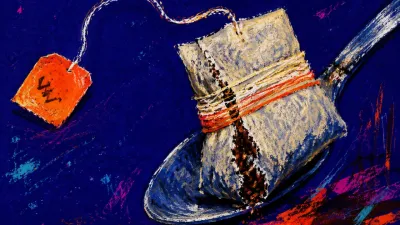
The Same Tab Glowed at 4:37—Then One Rough Sentence Moved the Day
Topic:Lifestyle Tarot Reading
Struggle:Support Access Split
Context:Work Life Boundary Creep
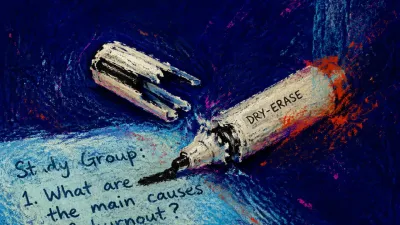
One Study-Group Question: Choosing Evidence over Self-Judgment
Topic:Study Tarot Reading
Struggle:Support Access Split
Context:Study Group Gatekeeping

Career Stagnation Despite Learning: Building a Bridge to Influence
Topic:Timing Tarot Reading
Struggle:Knowledge-Output Gap
Context:Evaluation Pressure Loop

Academic Analysis Paralysis—And How to Test an Off-Script Route
Topic:Study Tarot Reading
Struggle:Feedback Disconnection
Context:Off-Script Academic Path

Academic Probation and Study Procrastination: One Task Builds |
Topic:Study Tarot Reading
Struggle:Support Access Split
Context:Academic Probation Limbo