Can Everyone Still See It?

Map the heat, freeze, related tarot cards, and reading insights shaped around the public humiliation experience.

Public Humiliation
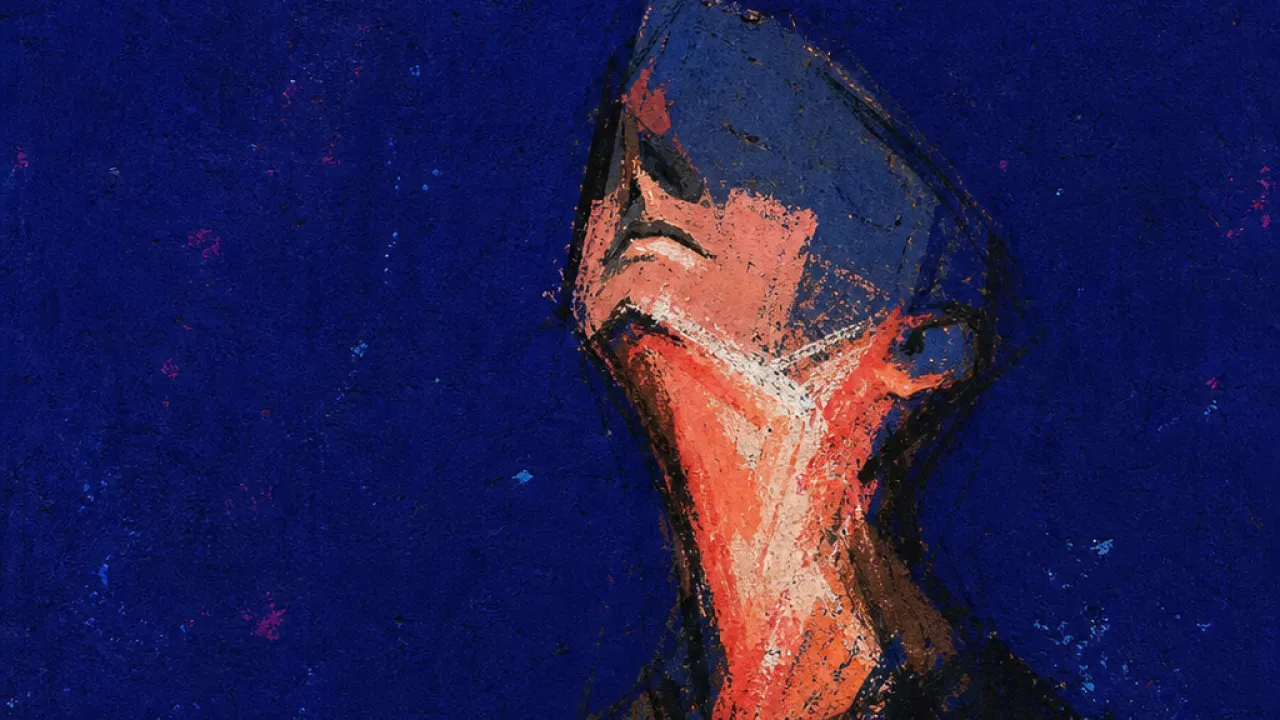
A solitary figure with heat rising through the cheeks, coral light squeezed by slate-blue space against deep indigo

What does this feel like?

Public Humiliation — it starts as heat before it becomes a thought, a hard flush climbing your neck and face while your stomach drops as if the floor has moved without warning. For a second, every sound in the room sharpens: a laugh that may have nothing to do with you, a chair shifting, someone taking a breath, the small silence after a comment lands. Your body goes too bright and too still at the same time, like a spotlight has found the one place you were trying to cover, and even if people look away, it can feel as if their eyes are still stuck to your skin. You might replay the moment later with painful precision, changing one word, one gesture, one second of timing, as if editing the memory could make the heat leave your face. Everyday things can become weirdly loaded after that — opening a group chat, walking back into the same room, posting anything, speaking up when your voice already feels thin. Inside, the dialogue is simple and sharp: Did everyone notice? Do they still remember? Is this what they think of me now? Public humiliation shrinks the space around you until being visible feels like being pinned, much like The Hanged Man suspended upside down, held in place where every angle of the body is exposed.

Why you're feeling this?

Public humiliation makes sense as a full-body reaction to feeling exposed when you wanted even a small amount of cover. The heat, the freeze, and the urge to vanish are not evidence that you are fragile; they are signals that your dignity matters to you. You are allowed to need privacy around a moment that felt too visible.

Public Humiliation in Tarot Cards

That face-heat and stomach drop inside Public Humiliation can make the whole room feel too bright. It belongs to a universal emotional experience: the body registering exposure before words can catch up. Tarot does not need to explain the moment away; it can mirror the sharp outline of it. These Tarot Cards reflect the shape public humiliation can take.

The Hanged Man
Reversed
One foot remains fastened above the suspended figure, his hands are unavailable behind him, and his body is left fully outlined against open space. That arrangement mirrors the inner replay of humiliation: you are mentally returned to a fixed position where everyone seemed able to look while you could neither cover yourself nor revise what had happened. The reversed orientation holds the emotional charge in place after the physical audience has gone. Your mind may keep reconstructing faces, pauses, and laughter as if more analysis could recover lost dignity; seeing that loop clearly separates the original exposure from the private continuation of it.
The Tower
Upright
A crown is blasted from the tower, fire escapes through its openings, and falling bodies make private instability suddenly visible outside the structure. At work, this resembles a presentation collapsing, an error being exposed in a meeting, or authority disappearing while colleagues and decision-makers watch. The upright orientation gives the humiliation a clear event boundary: something broke under public pressure, and the impact is real, but the collapse does not silently become your entire professional identity. You can name the dignity injury without treating every future room as another fall already in progress.
Judgement
Reversed
Open coffins, uncovered bodies, and a trumpet sounding across the entire scene turn private emergence into something collectively witnessed. Reversed, that invitation to rise is blocked by the belief that becoming visible again will only reactivate the humiliating verdict. The reversed orientation reveals a bottom-layer rule forming around the event: if visibility led to shame once, invisibility may start to feel like the only safe identity. You can see that rule as a protective conclusion built under pressure, rather than the final architecture of your capacity to grow.
Three of Cups
Reversed
Three companions stand shoulder to shoulder with cups raised above a shared centre, creating an intimate circle with no neutral edge. Reversed, that closeness can hold gossip, inside jokes, or a private disclosure that turns your trusted support network into the audience for your embarrassment. The reversed orientation makes friendship warmth feel contaminated by uncertainty about who laughed, who repeated the story, and who stayed silent. You can locate the injury in a rupture of trust and group boundaries, keeping it distinct from a global claim that you are inherently ridiculous or unsafe to know.
Three of Pentacles
Reversed
An apprentice-like worker occupies a raised position while two figures consult a plan and look directly toward the displayed craft. Reversed, that learning environment becomes an exposed assessment scene in which correction, misunderstanding, or dismissive feedback can make you feel publicly reduced to what you did not know. The reversed orientation blocks the normal movement between feedback and skill-building by saturating evaluation with shame. You can see that the classroom or review structure failed to provide enough cover for learning, rather than treating visible imperfection as proof that you should never participate again.
Five of Swords
Upright
One person holds the remaining swords while two figures withdraw together, leaving their lost weapons exposed between them. Within a family system, the scene evokes being corrected, mocked, or stripped of authority before relatives while another person controls the accepted version of what happened. The upright orientation keeps the shame attached to an observable family power transaction instead of allowing it to disappear into a global judgment about your worth. You can identify who had the audience, who controlled the narrative, and why the exposure still heats the body when the family gathers again.
Seven of Swords
Reversed
A figure attempts to leave a camp carrying more swords than can be handled cleanly, with two still standing and his face turned back toward possible discovery. Reversed, the scene reflects academic work, borrowed material, an unprepared bluff, or a hidden error being exposed before instructors and peers. The reversed orientation holds your attention inside the moment of being found out, making one compromised performance feel like a total public statement about intelligence or character. You can keep the specific conduct available for honest review without letting the classroom audience become a permanent tribunal over your capacity to learn.
Nine of Swords
Upright
Nine horizontal swords fill the dark wall above a figure who has awakened and covered the face with both hands. The image captures the private phase of public humiliation, when every pause, expression, and possible laugh is replayed with more precision than the original room could ever have supplied. The upright orientation lets the shame be emotionally witnessed rather than silently fused with identity. You can see the mind attempting to regain control by editing an uneditable scene, and you can name the pain of exposure without accepting every imagined audience reaction as fact.
Six of Wands
Reversed
A wreath marks the rider as the focus of achievement while the horse and gathered wand-bearers turn success into a public procession. Reversed, the image captures the exposure of falling short in a presentation, competition, ranking, or result that peers were able to witness. The reversed orientation jams the learning process inside a lost-status narrative, so the next attempt may feel less like practice and more like another referendum on your intelligence. You can recognise the pain of public comparison without allowing one visible outcome to define the full range of your academic capacity.

Public Humiliation in Tarot Card Reading Insights

When Public Humiliation leaves that bright, exposed feeling in the body, others have carried the same charge into readings. The pieces below move from card mirrors into the way that feeling appears in readings. Tarot Reading Insights from sessions shaped by public humiliation.

Psychological Emtions Related to Public Humiliation