Still Burning From That Moment?

Explore the afterburn of feeling exposed, the tarot cards that mirror it, and reading insights shaped by that mood.

Humiliation Hangover
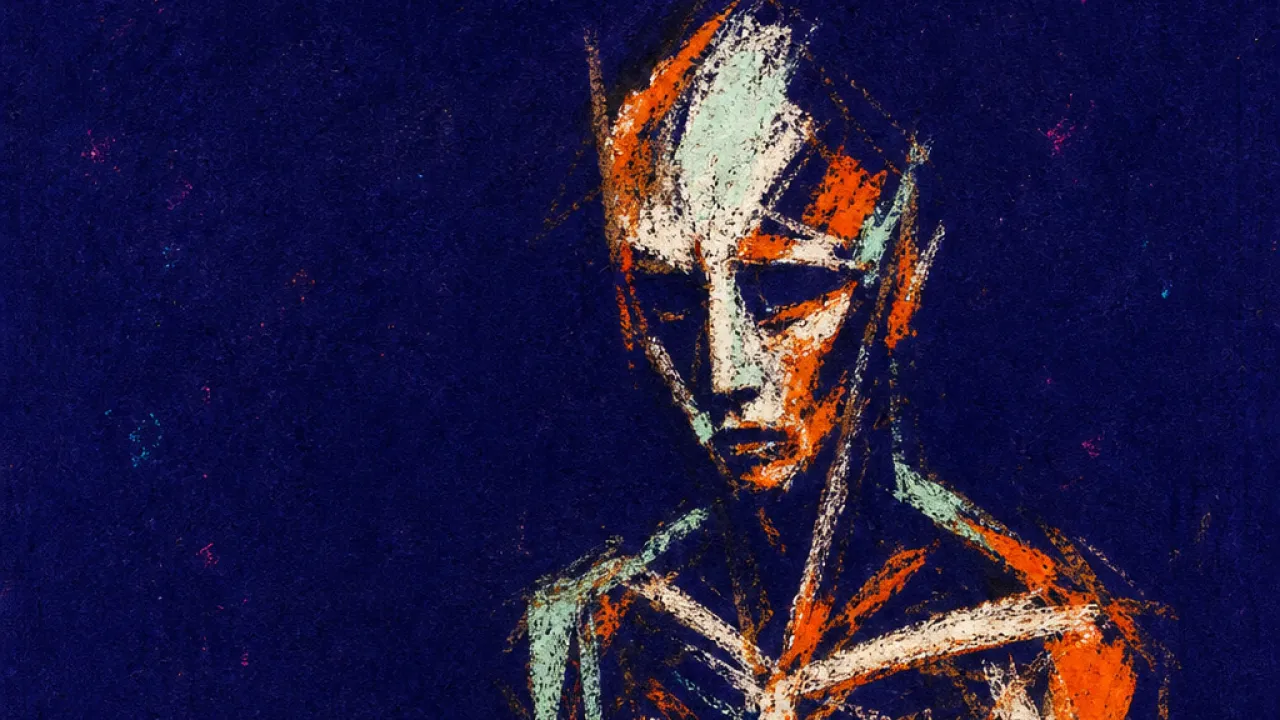
A solitary figure in dark space with ember heat under the skin, needle-prick edges fading into cold indigo

What does this feel like?

Humiliation Hangover — you wake up with your face already warm, as if your body remembered the moment before your mind could name it. There’s a drop in your stomach, a tightness under your ribs, and then the replay starts: the thing you said, the pause after it, the look you think you saw, the exact tone of your own voice coming back sharper each time. You try to move through the day normally, but every small silence feels loaded, every notification makes your skin prickle, and even harmless eye contact can feel like standing under a spotlight with no shade. Part of you wants to send one more message, explain it better, smooth the edge, prove you are not only that one awkward second; another part wants to go quiet, stay off the feed, and let everyone forget your shape. The feeling is hot and tight, then suddenly hollow, like embarrassment has left a thumbprint under your skin and you keep pressing it to check if it still hurts. By night, the room is dark but your mind keeps sitting upright, face in hands, much like the figure on the Nine of Swords beneath a row of blades that turn one moment into a whole ceiling.

Why you're feeling this?

Humiliation hangover is not proof that you are only the moment you keep replaying; it is the afterburn of feeling exposed. The heat makes sense, the tightening makes sense, and the wish to go quiet makes sense. You are not weak for feeling it linger while your dignity finds its footing again.

Humiliation Hangover in Tarot Cards

That heat in your face, the drop in your stomach, and the replay that starts before you are ready — humiliation hangover has a body. It is a universal emotional experience, even when it feels painfully specific to one exposed moment. Tarot gives that hot, tight, hollow feeling a set of images without turning it into a verdict. Here are the Tarot Cards that tend to mirror humiliation hangover.

Judgement
Reversed
Exposed figures answer a trumpet call from open coffins, placing awakening, memory, and evaluation within one unmistakable scene. Reversed, the movement toward renewal stalls because the old incident is being used as permanent evidence against future visibility, risk, and self-expression. The card shows a developmental threshold blocked by a shame-based identity verdict. You may believe growth requires erasing the awkward version of yourself before moving forward, while the image reveals a different structural issue: the humiliating moment has not been placed inside a larger self-story capable of holding imperfection, accountability, and continuing agency together.
Three of Cups
Reversed
Three people form a close celebratory ring, their raised cups creating a shared centre that appears intimate and mutually held. Reversed, that centre loses safety: an overshare, drunken message, embarrassing story, or poorly judged joke can become material carried through the friendship circle. The closeness of the figures explains why the shame feels difficult to escape; these are not anonymous witnesses but people whose recognition matters. You may wonder who discussed the moment privately or withdraw before the group can define it, while the card names the tension between trusting friendship and fearing that intimacy has become circulation.
Three of Pentacles
Reversed
A young craftsperson works from an elevated position while two figures examine a plan, placing developing ability directly under observation. Reversed, the learning exchange becomes misattuned: critique feels exposing, collaboration falters, or an unfinished piece of understanding is treated as evidence of fixed incompetence. The architectural setting shows that assessment is part of a larger construction process, even when humiliation compresses everything into one visible flaw. You may replay a supervisor's wording or classmates' reactions instead of returning to the material; the card separates the painful evaluation scene from the knowledge structure still being built.
Five of Swords
Upright
A figure holds the remaining swords while two others move away beneath an unsettled sky, preserving the shape of domination after the argument itself has ended. Inside a family system, this can resemble being mocked at the table, corrected as though still a child, exposed through an old story, or defeated by a relative whose authority is built into the room. The imbalance in the image shows why the incident can revive more than immediate embarrassment. You may hear years of family hierarchy inside one remark and continue constructing the answer that would finally restore adult dignity; the card names the systemic weight without treating the family's most humiliating version of you as the complete one.
Nine of Swords
Upright
Nine identical blades dominate the space above a figure bent beneath them, making one private night appear governed by repeated versions of the same painful thought. The visual structure resembles a cognitive system that converts an embarrassing action into a global identity claim: the mistake becomes evidence that you are fundamentally inadequate, awkward, or unsafe to reveal. The person remains larger than the swords' story even while sitting beneath it. You can witness the difference between accountability for a specific moment and self-erasure through shame; the card locates the growth edge in how the event is being integrated, not in manufacturing a flawless version of yourself who could never be exposed.
Page of Swords
Reversed
The Page raises a sword while glancing behind, surrounded by a landscape that appears restless with wind and shifting clouds. Reversed, the posture becomes the emotional shape of a rushed group-chat message, badly timed joke, sharp reply, or careless disclosure that now seems impossible to stop tracking. The sword gives language a visible edge, and the backward glance shows attention trapped at the point of impact. You may monitor read receipts, compare friends' response times, or send extra context to recover your tone; the card names the friendship hangover created when familiar communication suddenly feels evidentiary.
Six of Wands
Reversed
A laurel-wearing rider is elevated above a surrounding crowd, turning achievement into something publicly witnessed and socially confirmed. Reversed, the elevation becomes uncomfortable exposure: a disappointing grade, lost competition, failed defence, or weak presentation can feel like falling from a position everyone saw you attempt to occupy. The inverted wreath reflects recognition that did not land or could not be internalised. You may interpret classmates' ordinary reactions as evidence of diminished intelligence and replay the result instead of absorbing the material; the card separates the pain of public evaluation from the broader learning process that the result cannot fully represent.

Humiliation Hangover in Tarot Card Reading Insights

When humiliation hangover leaves you replaying one exposed moment after everyone else seems to have moved on, others have brought that same heat into readings. The pieces below shift from the cards into reading moments where that hot, tight feeling is held on the table. Tarot Reading Insights for humiliation hangover.

Psychological Emtions Related to Humiliation Hangover