When PTO Becomes Recovery Time

Explore how PTO becomes work recovery, the Tarot Cards that reflect the cycle, and related reading insights.

Pto Recovery Cycle
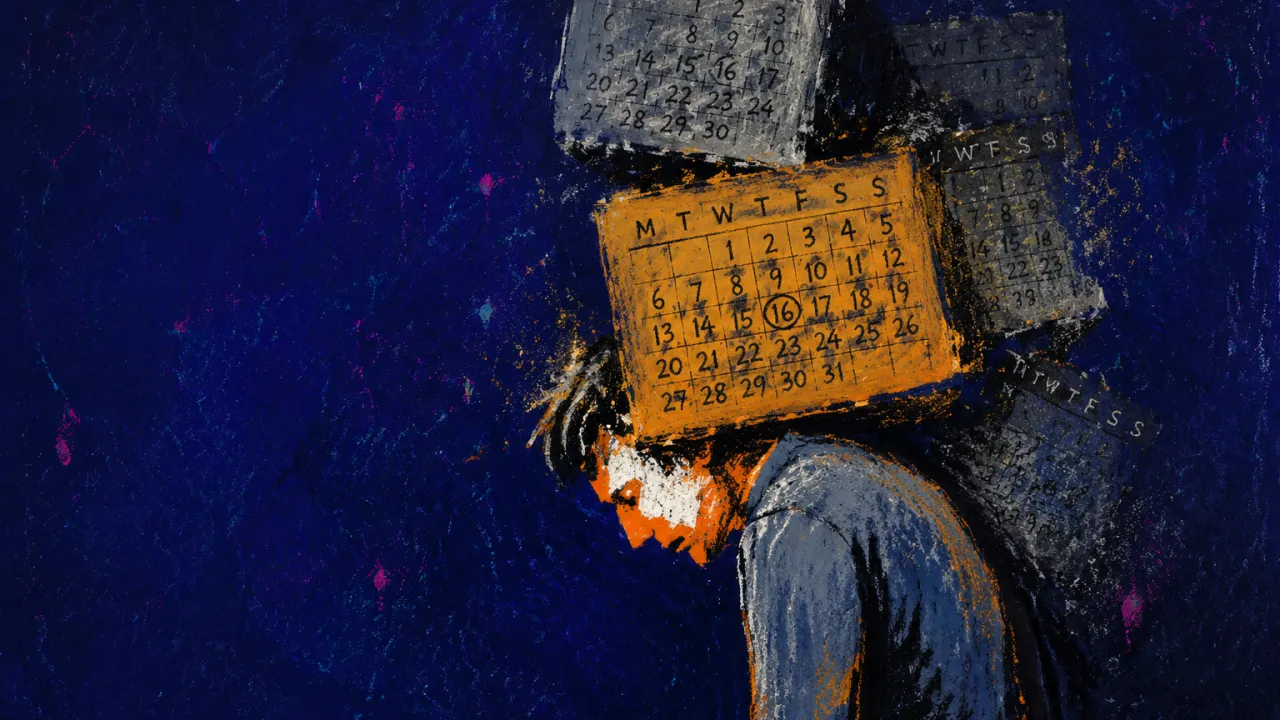
A figure leaning sideways as calendar blocks settle over the shoulders, with faded leave days dissolving at the edges

What is this situation?

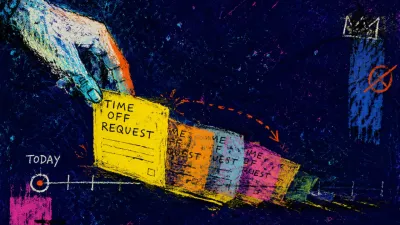
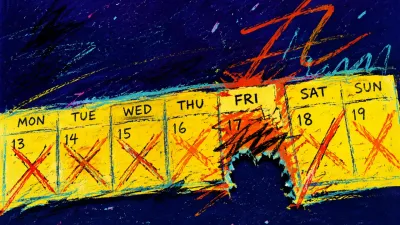
PTO Recovery Cycle starts when the days you booked for yourself are already carrying the residue of the job. You sign off after rushing to clear your inbox, handing over tasks, and answering the last "quick question," only to wake on your first morning off with your shoulders still raised and your attention pulled toward the work apps you muted. The first day disappears into sleep, laundry, delivery food, and sitting still long enough for the working week to catch up with you. By the time you have enough energy to choose what you actually want to do, half the break is gone. Then the return begins arriving early through calendar alerts, coworkers messaging "for when you're back," and a growing stack of decisions waiting behind your away status. On the final evening, you reopen your laptop to reduce Monday's impact, turning paid leave into an unofficial catch-up shift. When you return, the inbox is fuller, meetings are compressed, and the same workload has been moved rather than covered, so whatever space you gained is absorbed within hours. The cycle repeats because the workplace treats PTO as a pause in your availability, not a pause in its demands, leaving you to spend each break recovering enough to re-enter the same conditions, much like the figure on the Four of Swords, lying still while three swords remain suspended overhead.

Why it's not you?

The problem is not that you are bad at resting; the leave is being asked to absorb a workload that never stopped accumulating. When coverage is thin, messages keep arriving, and the backlog is returned to you untouched, PTO becomes delayed recovery instead of protected time away.

Pto Recovery Cycle in Tarot Cards

In the PTO Recovery Cycle, time away is consumed first by coming down from work and then by preparing to return to it. The shoulders that stay raised even after you sign off show how far the job extends beyond scheduled hours. This is an environmental and structural dynamic: the workload pauses on your calendar without pausing in practice. The Tarot Cards below mirror the visible shape of that cycle without deciding what you should do next.

Wheel of Fortune
Reversed
The central wheel carries figures upward and downward while the four corner figures remain outside its motion, holding the larger frame steady. Your PTO cycle works the same way: your energy rises enough to return and falls again under the backlog, while staffing levels, availability norms, and workload expectations remain fixed around you. Reversed, rotation no longer produces a changed condition; it repeatedly delivers you to the same starting point. The blocked resource is a genuine reset between work periods, so the calendar provides movement while the underlying employment system preserves recurrence.
The World
Reversed
The closed wreath surrounds a figure at the threshold of completion while four fixed witnesses hold the frame steady. Your PTO has the same apparent boundary on the calendar, yet the work cycle is not actually completed before leave or reset during it. Reversed, the ring becomes closure withheld rather than completion achieved: loose tasks trail into the break, and the return begins before the break has fully ended. The blocked resource is a finished work phase, so each leave period feeds directly back into the same operating system instead of opening a genuinely separate interval.
Two of Pentacles
Upright
The two pentacles are bound by an endless loop while the figure continually adjusts his hands and ships rise and fall on rough water behind him. Your PTO can reproduce that motion as work residue, domestic tasks, recovery needs, and return preparation are kept moving so that none of them visibly collapses. Upright, coordination and adaptability remain available, which is why you may successfully complete chores, answer the strategic message, and soften Monday's impact. The cost is that this competence turns leave into another active management role, leaving little unallocated attention for desire, play, or unstructured time.
Three of Pentacles
Reversed
The craftsperson, two commissioners, and architectural plan show work that is supposed to be coordinated through shared understanding and distinct roles. In your PTO cycle, the meeting, document, or status update may reproduce those visible elements while failing to produce the one outcome that matters: another person actually owning the work during your absence. Reversed, the collaboration loses operational substance even though its formal gestures remain visible. Shared execution is the blocked resource, so the handoff becomes additional labor before leave and the untouched task list becomes additional labor after it.
Six of Pentacles
Reversed
The standing figure holds the scales and controls which coins reach the two people below, making resource access dependent on how the distribution is structured. Your PTO may appear to be a benefit already granted, yet the workplace retains control over the staffing, task allocation, and response norms that determine whether those days function as actual relief. Reversed, the scales and one-way distribution expose an unequal exchange: calendar time is provided while the workload cost is returned through rushed preparation and accumulated re-entry labor. The blocked resource is material support for the benefit, not the benefit's existence on paper.
Four of Swords
Upright
The recumbent figure, folded hands, and three swords hanging above the stone bed create a rest space that is real but still occupied by the architecture of conflict. Your PTO likewise gives the body somewhere to stop while the job remains suspended overhead through muted apps, unfinished handoffs, and decisions waiting behind the away message. Upright, the chapel-like stillness preserves a usable recovery resource: sleep, domestic reset, and reduced input can restore some capacity. The structural problem is that this resource is consumed repairing work depletion, so physical life is managed around becoming functional again rather than around freely chosen leisure.
Reversed
The resting body and the swords occupying both the air above and the stone below leave almost no mentally neutral space in the scene. During PTO, your body may be still while attention keeps rehearsing the inbox, checking muted apps, and calculating how much future work is accumulating. Reversed, the sanctuary no longer functions as psychological containment; work remains active as an open loop even without direct contact. This names the hidden cost of thin coverage: the job rents space in your off-hours because every unresolved demand is scheduled to come back to you.
Ten of Wands
Upright
The ten staffs are gathered into one person's arms, and no second figure appears to share the weight on the route toward town. Your pre-leave rush, handoff labor, and post-leave backlog reproduce that arrangement: the organization may permit absence, but ownership of the work never leaves your hands. Upright, the destination remains reachable because capability and persistence are still available. That resource becomes the bottleneck when the workplace uses your ability to carry the bundle as a substitute for staffing, workload subtraction, or genuine coverage, making each return a compressed delivery of everything that waited.

Pto Recovery Cycle in Tarot Card Reading Insights

When PTO is spent recovering, checking messages, and preparing for an untouched backlog, others have brought the same cycle into their readings. The Tarot Reading Insights below show what surfaced when this work-and-recovery pattern entered the spread.

Psychological Contexts Related to Pto Recovery Cycle