Paying Before Work Starts

A grounded look at commute strain, related tarot cards, and reading insights from people carrying the same unpaid daily pressure.

Commute Tax
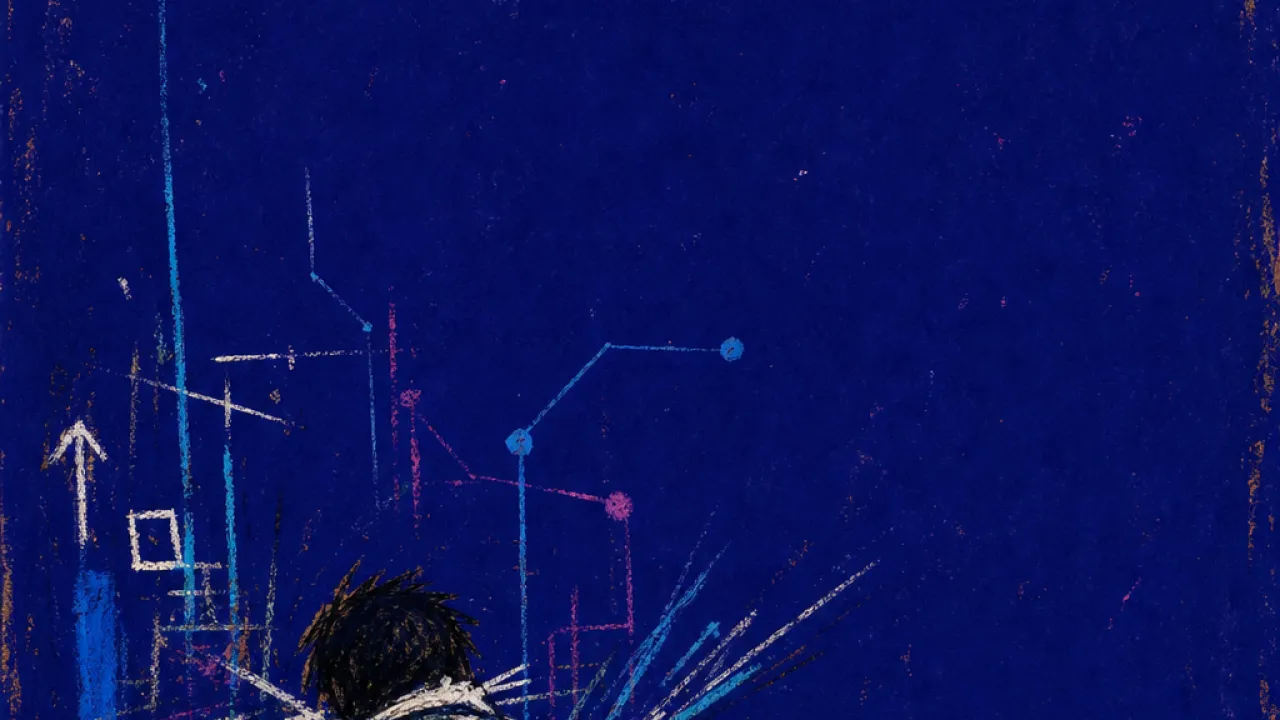
A solitary figure with low shoulders squeezed between transit gates, fare lights, and crowding routes in deep indigo space

What is this situation?

Commute Tax — you leave before your day has properly started, already negotiating the price of getting to the place that pays you. Maybe it is the train platform with everyone packed shoulder to shoulder, the bus that comes late and still costs more than it should, the highway that turns twenty miles into ninety minutes, or the return-to-office schedule that quietly adds hours back onto your week without calling them work. You check the app, reload your transit card, watch the fare climb, calculate whether a rideshare would save time but wreck your budget, and carry the laptop, lunch, charger, gym clothes, and whatever else your day demands from one crowded space to another. The job may list your hours as nine to five, but the commute stretches them at both ends: the alarm set earlier, the dinner pushed later, the errand skipped, the social plan declined because getting home already took everything left. No one in the meeting sees the platform delay, the standing-room-only carriage, the parking fee, the fuel cost, the weather, the missed connection, or the way your shoulders stay tense long after you sit down. It is not just movement through a city; it is a daily extraction of time, money, attention, and physical space, much like the Six of Swords, where a figure is carried across grey water while the swords remain upright in the boat, making the passage itself part of the burden.

Why it's not you?

The problem is not that you are bad at managing your mornings or weak for being drained before work starts. Commute Tax is built into the gap between what your job counts and what it quietly requires: unpaid time, rising travel costs, crowding, delays, and the physical load of moving your life across the city twice a day. That pressure belongs to the setup, not to a personal failure.

Commute Tax in Tarot Cards

Commute Tax is the unpaid stretch around the job: the crowded train, the late bus, the traffic, the transfer, the price of getting to the place that already claims your day. The tight jaw, stiff neck, and bag digging into your shoulder are not random details; they are the body keeping score of an environmental, structural dynamic built into the way work is organized. The cards below do not decide whether the commute is worth it or not. They reflect the shape of the pressure: Tarot Cards that often mirror this kind of daily extraction.

The Chariot
Reversed
A charioteer occupies a vehicle between two differently oriented sphinxes, with the city and its institutions positioned behind him and no conventional reins visible. Reversed, this mobility system places responsibility for arrival on you while withholding meaningful control over the route, especially when an office mandate fixes the destination and attendance schedule. The driver's armour shows the adaptations demanded by that arrangement: earlier alarms, backup routes, extra fare money, and constant delay monitoring. Those defences may keep the role viable, but they also reveal how the workplace transfers transport uncertainty into your career survival system without reducing its expectations at arrival.
Two of Pentacles
Upright
Two pentacles circulate through a continuous loop while ships rise and fall behind the juggler. The loop resembles a timetable that never fully settles: one delayed bus changes the train connection, the work arrival, the journey home, and every activity scheduled afterward. The figure's active balance reflects the timing labour you perform to keep those moving parts from colliding. You may repeatedly rescue the day by leaving earlier, paying for a faster route, or postponing something else, but the waves show that timing instability is being generated by the travel environment rather than by a lack of effort.
Six of Pentacles
Reversed
A standing figure controls both the scales and the distribution of coins while two lower figures wait within the terms he sets. Reversed, the same arrangement exposes a labour calculation in which the employer decides what counts as compensable while the worker supplies unpaid travel time and covers fares, fuel, parking, and disruption. The scales can appear orderly while still excluding essential inputs from measurement. You may receive the agreed salary and still face an unequal transfer because the workplace receives reliable physical attendance while the entire cost and risk of producing that attendance remain on your side of the exchange.
Six of Swords
Upright
A worker propels a boat carrying passengers and six upright swords toward another shore. The employment parallel is structural: before your paid role can begin, another worker, vehicle, route, and block of your own time must combine to deliver you to the workplace. The swords make the boat heavier without being counted as a separate stage of the journey. In the same way, the job may describe itself through salary and office hours while leaving you to absorb the fare, fuel, parking, equipment, delays, and recovery attached to reaching it; the crossing reveals the fuller footprint of the role.
Five of Wands
Upright
Five figures occupy the same exposed patch of ground, their raised wands crossing into one another's space with no shared direction. The scene resembles a packed platform, bottlenecked entrance, or standing-room-only carriage where each person is trying to secure limited room inside infrastructure that has not scaled to the crowd. No single figure creates the congestion; the friction emerges from too many bodies and burdens being channelled through the same narrow system. You can experience the commute as a daily contest for space without treating the other passengers, or yourself, as the root problem; the visible pressure belongs to capacity, coordination, and access.
Eight of Wands
Reversed
Eight wands hang in a coordinated diagonal above a river and approaching land, visually committed to a destination but not yet shown arriving. Reversed, that suspended trajectory becomes the fragile interval between a timetable promising movement and a route failing to complete it cleanly. The open path contains no traveller who can intervene once the motion is underway, which mirrors being trapped inside a delayed train, bus, or traffic queue. You can recognise that a missed evening is not always the result of leaving at the wrong moment; it can be the downstream cost of a transport chain whose promised momentum repeatedly breaks before arrival.
Ten of Wands
Upright
A labouring figure carries ten wands toward the town, with the bundle occupying his arms and narrowing what he can see. The image extends work beyond the workplace: the route itself requires you to transport equipment, food, clothing, and enough logistical attention to keep the whole day functioning. The destination may hold the recognised job, but the visible labour starts well before the figure reaches it. When the commute leaves you depleted before the first meeting or unable to use the evening afterward, the card locates that cost in the expanded role structure rather than in a failure to perform efficiently.

Commute Tax in Tarot Card Reading Insights

Commute Tax shows up when the journey to work starts taking more time, money, and body space than anyone officially counts. Other people have brought that same unpaid stretch into readings, looking at what the cards placed around the grind. Tarot Reading Insights from sessions shaped by this kind of commute pressure.

Psychological Contexts Related to Commute Tax