Chosen, Or Just Assigned?

Explore this fixed-role pressure through a grounded situation description, related tarot cards, and tarot reading insights from sessions.

Traditional Role Lock-in
What is this situation?

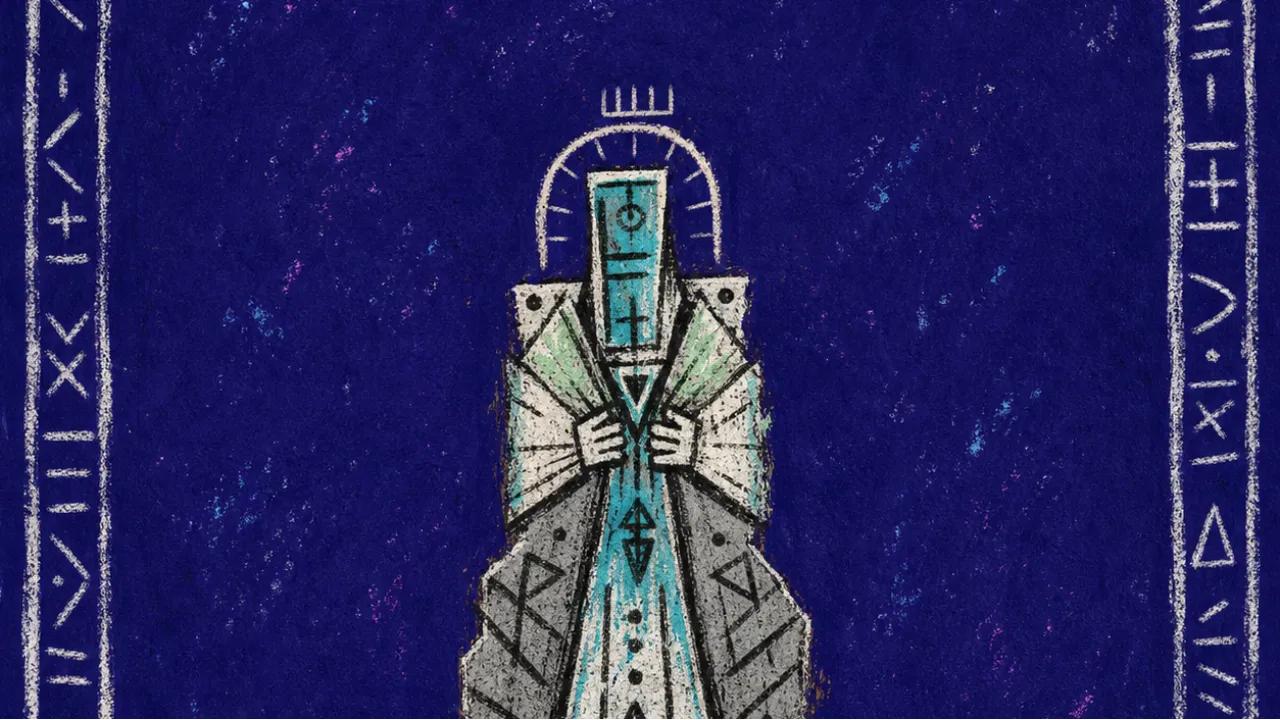
Traditional Role Lock-In — you enter the room already known as someone before you have said anything: the responsible one, the good daughter, the dependable son, the stable partner, the future provider, the caretaker, the person who keeps things respectable. It can start quietly, in family dinners where everyone assumes you will host, pay, smooth things over, or choose the safest path; in relationships where jokes about who should lead, wait, earn, nurture, forgive, or compromise slowly become rules; in workplaces where an old support role follows you even after your skills have changed; or in friend groups where growth is treated like you are abandoning the version of you they knew how to use. The pressure does not always arrive as a direct command. Sometimes it looks like praise, tradition, practicality, concern, disappointment, or someone saying, "That's just how things are done." Over time, the script starts to organize your calendar, your money, your dating life, your career choices, your clothes, your tone, and the amount of space you are allowed to take up. You may be offered approval when you perform the role well, but the approval comes with a narrow doorway: step outside it and the room gets tense, confused, or quietly corrective. What drains you is not responsibility itself; it is being treated as if your role is older, more legitimate, and more important than the person living inside it, much like the kneeling figures beneath The Hierophant, placed inside a stone order before their individual voices enter the room.

Why it's not you?

The problem is not that you are avoiding responsibility; it is that other people may be treating an inherited role as your whole identity. Gendered expectations, birth-order scripts, respectability rules, family habits, partner assumptions, and workplace labels are external structures. They can keep rewarding the same performance long after it stops fitting your life.

Traditional Role Lock-in in Tarot Cards

Traditional Role Lock-In shows up when inherited expectations keep naming you before you can name yourself. The tightness in your shoulders or chest is tied to a setting where approval comes through staying legible inside an old role. This is an environmental, structural dynamic: the pressure is built into family habits, relationship scripts, workplace labels, or social templates that reward the same posture again and again. The Tarot Cards below reflect the shape of that lock without telling you which role to keep or leave.

The Emperor Reversed
The Emperor's body is locked into a formal seat whose shape defines his posture before he chooses anything. Crown, robe, throne, and emblems give legitimacy, but they also make the role older and larger than the person sitting inside it. Reversed, this becomes the external script that tells you what strength, maturity, success, discipline, or responsibility is supposed to look like. The role may offer recognition, but it can also narrow the range of selves you are allowed to develop. The card belongs with Traditional Role Lock-In because its authority is inherited through form. It asks where your growth is still being organized around a prewritten model, and where agency would require redesigning the role rather than performing it better.
The Hierophant Upright
The stone temple, mirrored followers, repeated crosses, and fixed ceremonial postures create a world where every body already has an assigned place. The Hierophant does not stand at an open crossroads; he presides over an inherited order with approved roles and visible boundaries. For a decision, this image points to the pressure of choosing inside a script that existed before the current question. Respectability, family expectations, institutional prestige, relationship norms, or career status can make one path look sanctioned and every other path look like deviation. This context clarifies the lock-in without treating tradition as automatically harmful. The card reveals where a role has become a decision-making container, so you can distinguish genuine alignment from compliance with an inherited script.
Reversed
The two followers are shown from behind, kneeling below the throne with matching markings on their garments. Their bodies are present, but their faces and voices are not part of the exchange; the ritual has already assigned the role before the individual appears. That visual structure fits the pressure of being locked into a preapproved identity while doing private inner work. You may be trying to locate a more honest self beneath roles like the good one, the helper, the achiever, or the stable one. The card connects that struggle to an external script: the role is not only internal habit, it is maintained by a social arrangement that keeps rewarding the same posture.
The Lovers Reversed
The man and woman stand on separate sides of the image, each backed by a different tree and a different symbolic assignment. Their bodies are not interchangeable inside the composition. The Lovers makes role distribution visible before any choice has fully unfolded. In family life, that visual split becomes the pressure to perform the role that relatives recognize: the good daughter, the responsible son, the caretaker sibling, the successful one, the quiet one, the one who never leaves. The role may come with affection, status, or practical support, but it also narrows the available self. The reversed pressure of this context lies in how natural the assignment can appear. The card exposes the inherited role as a structure that can be named, questioned, and separated from the person you are becoming.
Ten of Cups Reversed
The family arranged beneath the completed cups gives the Ten of Cups a recognizable cultural script: couplehood, home, children, and public harmony. Reversed, that script can become a narrow container, defining relational success so tightly that other timelines or forms of intimacy struggle to breathe. In love, this can show up when a relationship is measured against inherited expectations about gender roles, marriage, children, domestic labor, respectability, or what a 'real' partnership should look like. You may be trying to build something honest while the surrounding model keeps pressing the bond into a shape that does not fully fit the people inside it. The card makes the script visible as a structure, not a moral command. That visibility matters because it returns choice to the couple: which parts of the model genuinely support love, and which parts are only performing legitimacy.
Eight of Pentacles Reversed
The repeated pentacles and fixed working posture create a world where progress must look recognizable. The craft is skilled, but the sequence is narrow: one approved object, one repeated method, one visible standard of completion. In a family system, that narrow sequence can become a lock-in around traditional roles. You may be expected to follow a prescribed route for career, marriage, caretaking, gender expression, household duty, respectability, or loyalty because the family treats familiar roles as proof of stability. The reversed weight of this card makes the pressure structural. It shows how repetition can stop being mastery and become a family mechanism that rewards compliance while making off-script adulthood look irresponsible, selfish, or unfinished.
Ten of Pentacles Reversed
The elder sits at the front of the scene while the couple and child are positioned within a generational order behind him. The card’s structure gives each figure a place, a role, and a relation to the household before any individual interiority is visible. Traditional Role Lock-In shows up when the outer world recognizes you mainly through a preassigned position: the good child, the stable partner, the successor, the caretaker, the respectable adult. The role may be honored by others, but it can still block inner movement when it becomes the only version of you the system can understand. In introspection, the reversed Ten of Pentacles helps separate dignity from confinement. It asks which roles are chosen containers for your values and which ones have become inherited costumes that keep your private self from developing a new shape.
Knight of Pentacles Reversed
The knight's armor, horse, reins, and upright stillness create the image of someone fully equipped for duty yet fixed inside a role. The field is open, but the body is organized around service, endurance, and correct conduct. In a family system, that structure becomes the inherited part you are expected to keep playing: the responsible one, the practical one, the future provider, the obedient adult child, or the person who does not disrupt tradition. The role may once have offered recognition, but it now limits how much of your adult self can appear. The reversed pressure of this card is not simple rebellion against responsibility. It exposes the moment when reliability stops being a choice and becomes a family script that keeps you mounted in place.
Queen of Pentacles Reversed
The Queen's body is composed, seated, and organized around the pentacle, while the throne surrounds her with carved children, animal heads, vines, and royal authority. The scene makes domestic competence look formal, inherited, and difficult to step away from. In family systems, that can become the fixed role assigned before you fully choose it: the caretaker, the reliable one, the good daughter, the provider, the host, the peaceable adult, or the person who keeps everyone practically functional. The role is praised because it serves the household. Reversed, the card shows care becoming a seat you are expected to stay in. The pressure is not only to help; it is to remain legible to the family through the old role, even when your adult life needs a different shape.
King of Pentacles Reversed
The crown, scepter, bull carvings, castle, and settled throne create a world built around continuity and rank. Nothing in the scene looks temporary; the material order has been made to last, and the body seated inside it is almost part of the estate. For you, that visual structure can describe a family script that feels older and heavier than the current disagreement. Career choices, caregiving expectations, gender roles, reputation management, or loyalty rules may be presented as common sense, while the real pressure comes from preserving the household's established identity.
King of Wands Reversed
The throne is carved with old emblems, the crown fixes rank, and the king's body holds a role that appears already scripted before anyone speaks. The open desert offers distance, but no alternate institution or route is drawn into the scene. That structure mirrors a family role lock-in where you are expected to become the caretaker, successor, obedient child, or representative of a script you did not author. The card shows why the pressure feels so hard to move: the role is not presented as a request, but as inherited architecture.

Traditional Role Lock-in in Tarot Card Reading Insights

When Traditional Role Lock-In enters a reading, the cards often sit beside questions about family position, relationship scripts, career labels, and the version of adulthood other people keep expecting. Others have brought this fixed-role pressure into readings when the old part no longer fits the life in front of them. Tarot Reading Insights from sessions on inherited roles and narrowed choice.


Psychological contexts related to Traditional Role Lock-in