Can This Group Hold Your Pace?

A grounded look at study group pressure, related tarot cards, and tarot card reading insights on shared learning thresholds.

Study Group Integration Trial
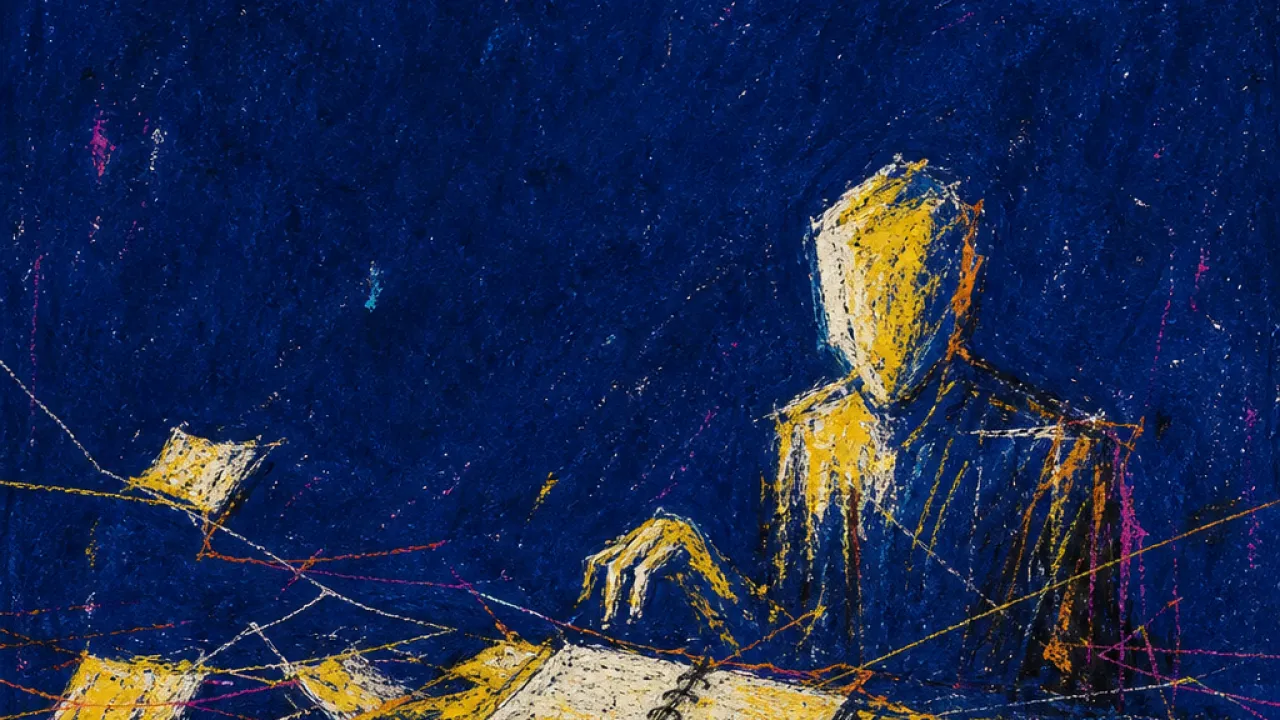
What is this situation?

Study Group Integration Trial — you step into the group chat, library table, seminar pod, lab team, or revision circle and immediately start reading the room as much as the material. Someone adds you to a shared doc, someone else drops a joke you do not yet understand, and the conversation moves in shortcuts: professor nicknames, old exam rumors, color-coded notes, meeting times decided before you can check your schedule. At first it looks like support, because there are flashcards, reminders, people to ask, and the relief of not studying alone; then the trial begins in the small social mechanics of who gets answered quickly, whose explanation becomes the standard, who speaks with confidence even when they are guessing, and whether your questions are treated as part of learning or as a slowdown. You find yourself adjusting your pace to the group’s pace, staying late on calls that were supposed to be quick, checking the chat before you check your own notes, and wondering if missing one session means missing the unofficial version of the course. The pressure is not dramatic; it is built into access, shared rhythm, comparison, and the quiet fear that academic belonging might require performing competence before you actually understand. The cost shows up in your body when your shoulders tighten over a notification, when your hand hovers before asking a basic question, when the group that was supposed to make learning easier starts deciding how visible, useful, or behind you are allowed to be, much like the Four of Wands, where a garlanded frame marks a shared space with both an entrance and a threshold you have to decide how to cross.

Why it's not you?

The issue is not that you are bad at group work or too slow to keep up. A study group becomes costly when access, pace, notes, and belonging are controlled by unspoken rules instead of clear exchange. That pressure belongs to the setup around you, not to your worth as a student.

Study Group Integration Trial in Tarot Cards

Study Group Integration Trial is not just about finding people to revise with; it is about testing whether the group can hold shared notes, discussion, accountability, and your own pace at the same time. The tightness in your shoulders when the chat starts moving faster than you can follow belongs to an environmental, structural dynamic, shaped by access, rhythm, and unspoken rules. These Tarot Cards reflect the visible outline of that threshold: whether the circle becomes support, noise, hierarchy, or a usable learning container.

The Empress Upright
The open garden around the throne holds a protected center without cutting it off from water, field, or sky. In a study setting, that image points to a learning circle where access, rhythm, and shared materials are being built rather than assumed. You are not simply joining people; you are testing whether the group can become a real academic ecosystem. The leverage is whether support flows both ways through notes, discussion, accountability, and permission to be seen while learning.
The Hierophant Upright
Two acolytes kneel in matching positions before the same teacher, with crossed keys placed between them. The card does not show learning as purely private; access is partly social, shaped by who stands beside you, what group ritual you enter, and which shared codes open the door. In academic life, this becomes the trial of joining a study group, cohort chat, lab team, or peer circle without letting the group define your pace completely. You are testing whether shared learning can increase clarity, or whether the group simply becomes another hierarchy to decode.
Two of Cups Upright
Separate bodies stand open to each other without merging, and the space between them stays visible. The card does not erase boundaries in the name of connection; it shows a controlled opening where each person keeps their own ground while testing contact. That is the exact structure of entering a study group, cohort chat, lab circle, or seminar pod. You are not just finding people to study with; you are testing whether the group increases retention, motivation, and explanation quality without turning your learning pace into a social performance. The clear sky and distant town add a stabilizing endpoint. The group is useful only if the exchange helps you move toward a more durable academic rhythm, not if it pulls your focus into comparison, social noise, or silent dependence.
Three of Cups Upright
Distinct robes, wreaths, hair, and faces remain visible inside the same close circle. The scene does not erase individuality; it shows a peer container where different learning styles can stand near each other without needing a formal hierarchy. For you, this points to the moment when a study group, cohort, or class friendship circle is becoming part of the academic infrastructure. The real question is whether entry into that circle gives you access to shared rhythm, notes, and accountability without making you trade away your own pace of learning.
Ten of Cups Upright
The children holding hands and the adults raising their arms create a scene where belonging is physical, not theoretical. The figures are separate enough to move, but connected enough for their gestures to form one visible field. For study life, that field becomes the trial of entering a learning group without disappearing into it. You are dealing with the social mechanics of notes, class chats, revision sessions, and shared accountability: the card highlights how academic progress can depend on whether the group has room for your pace, boundaries, and contribution.
Four of Wands Upright
Inside the four-wand frame, the figures are not isolated; they occupy a shared space marked by garlands, entry, and visible participation. The scene gives belonging a physical architecture, with an inside, an outside, and a ritual that signals who is included. In academic life, this fits the trial of joining a cohort, study group, lab, tutorial circle, or peer accountability setup. The structure may offer focus, notes, informal knowledge, and motivation, but it also asks you to learn the group’s pace, expectations, and unspoken rules. The card’s value is in showing integration as a threshold rather than a personality test. You are assessing whether this group can become a real learning container, and whether entering it strengthens your study system instead of turning academic progress into another social performance.
Queen of Wands Upright
The Queen's posture is open without being formless, and the symbols around her radiate outward while the throne still defines her seat. The image holds both access and boundary: she can be approached, but she is not dissolved into the surrounding space. That is the social architecture of joining a study group, seminar cohort, lab team, or critique circle. Academic belonging requires exchange, but it also asks you to protect your attention, standards, and pace while other people's habits start shaping the room. This card connects the trial of integration with the need for a stable academic self inside a shared learning field. It names the point where collaboration becomes useful only if your role, contribution, and boundaries remain visible.

Study Group Integration Trial in Tarot Card Reading Insights

When Study Group Integration Trial shows up, others bring the same mix of group chats, shared documents, revision sessions, and pace pressure into readings. The focus shifts from the cards themselves to what appears when people ask whether a learning circle is helping them stay clear or pulling them into performance. Tarot Reading Insights from sessions on this academic threshold are gathered below.

Psychological contexts related to Study Group Integration Trial