Four Overdue Markers, One Open Draft: Rethinking the Desk Reset

The Sunday Reset That Never Reached the Reading
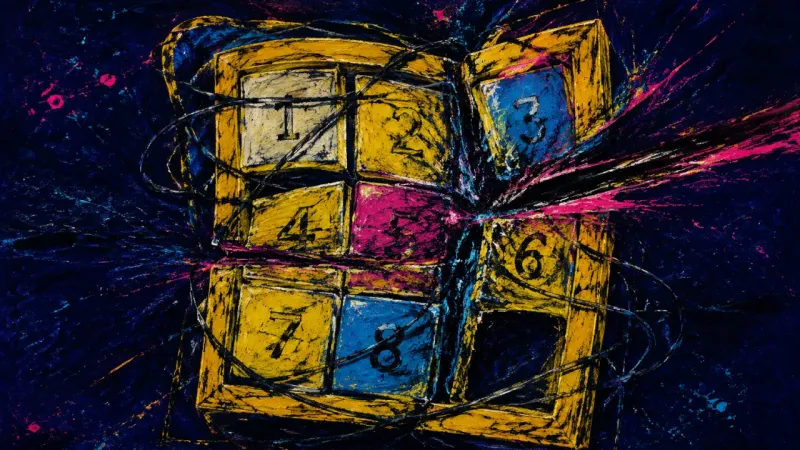
When I met Maya, I recognised the pattern immediately: a third-year student in a high-rent city plans a Sunday catch-up session, sees several overdue items at once, and somehow ends up four desk-reset videos deep in StudyTok procrastination.
At 7:30 that Sunday evening, I could see the cold ceiling light of her shared Toronto bedroom on our video call. Maya opened her course portal, saw four overdue markers, and closed the tab within a minute. Her roommate's kettle clicked off beyond the door. Warm air rose from the laptop as her fingers began sorting pens by colour and shifting the lamp a few centimetres at a time.
“I know exactly what my desk needs,” she said, nudging a notebook into line, “but I still can't tell you what chapter I'm on. Once the setup is right, I swear I'll start.”
What she called dread felt like a thumb pressed steadily behind her sternum, while every overdue badge seemed to whisper a verdict only she could hear. She wanted to catch up, but beginning academic recovery meant discovering what was actually waiting. Controlling the desk felt safer.
“I don't think you're avoiding effort,” I told her. “I think you're redirecting it toward the safer object. That distinction matters, because it means we are looking at a relief loop, not a personality flaw. Let's draw a map of the loop and find the point where you can choose differently.”
Choosing a Map for the Loop
I invited Maya to take one slow breath while holding the question, “Why do I keep redesigning my study setup instead of catching up?” I shuffled slowly, using the movement as a transition from reacting to observing. Nothing about it required mystery or performance.
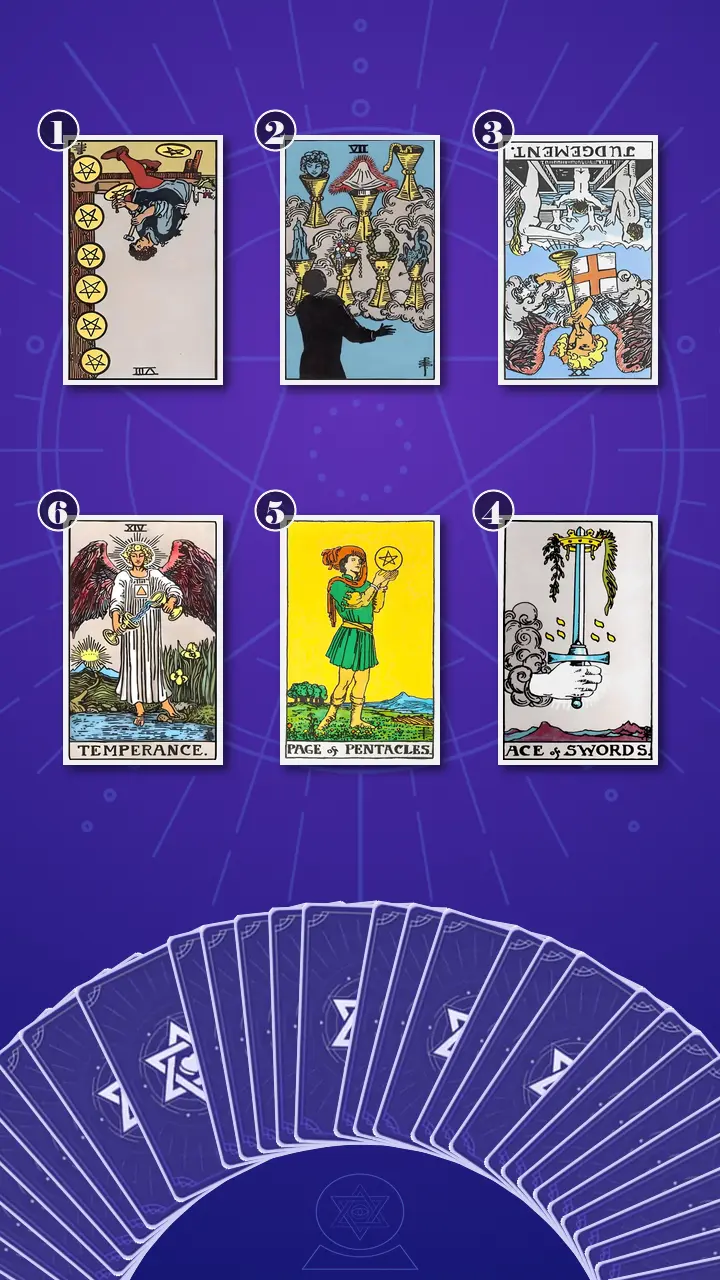
I chose the Transformation Path Grid · Context Edition, a six-card tarot spread for examining study-aesthetic procrastination. This is how tarot works in my practice: it does not predict grades or issue commands. It gives us a structured set of images through which subconscious patterns can become visible, discussable, and open to choice.
I chose this spread because Maya was not deciding between two paths, and her problem was not simply about past, present, and future. She was caught in a feedback system: backlog discomfort led to redesign, redesign brought temporary control, lost time enlarged the backlog, and the larger backlog made the next attempt feel even more exposing.
The first position would show where her effort was visibly going. The third would uncover why reviewing unfinished work felt so threatening. The fourth, the catalyst, would locate the cleanest interruption. The final cards would turn that insight into one practical action and a sustainable rhythm. In this reading, card meanings would matter in context, not as fixed judgments detached from Maya's life.
Where Real Effort Was Going
Position 1: Eight of Pentacles Reversed and the Productive-Looking Hour
I turned over the card representing the present state and the behaviour Maya could observe during a catch-up session: the Eight of Pentacles, reversed.
The upright artisan concentrates on repeated craft. Reversed, that concentration is blocked or attached to the wrong target. I connected the repeated pentacles to the products Maya could accumulate in one evening: aligned pens, rewritten headings, repositioned objects, and polished dashboard icons. Her concentration was real, but the overdue reading remained unopened behind all that visible labour.
“The inner monologue here is, ‘I've been busy for an hour, so why does the actual task still feel untouched?'” I said. “You are not pretending to work. Your earth energy, the part capable of patience and detail, is being redirected into the appearance and infrastructure of studying.”
Maya gave one brief laugh, but there was no amusement in it. Her fingers stopped on the lamp base. “That's so accurate it feels a little brutal.”
“Then let's keep the accuracy and remove the brutality,” I replied. “This card is describing where the effort landed, not what kind of person you are. It also shows that the ability to focus is already present. We need to give it a bounded academic target.”
Position 2: Seven of Cups in the StudyTok Algorithm
I turned over the card representing the mechanism maintaining the study-aesthetic trap: the Seven of Cups, upright.
I asked Maya to imagine its seven visions as a browser crowded with desk-reset clips, Notion templates, planner comparisons, focus apps, keyboard reviews, and a stationery cart. Each option offered a slightly different ideal student identity. The modern promise was always the same: “Maybe this version of the system will make starting feel easy.”
This was an excess of possibility. The card's water energy had expanded into fantasy and novelty without a container. Choosing among attractive systems consumed the study block while providing just enough relief to keep the late assignment out of view. A better-looking system could still be a closed door.
“It's like the algorithm has learned what calms you after a difficult course notification,” I said. “It serves more desk-reset content because you stay with it. Your internal algorithm has learned the same thing: when coursework creates exposure, offer a fresh setup. The useful question is not whether an option looks helpful. It is whether it directly advances the next course action.”
Maya glanced toward her phone, then turned it face down. Her mouth tightened before softening. “I have three template tabs open right now,” she admitted. “Every one of them felt like the responsible choice when I opened it.”
Position 3: When Judgement Sounded Like an Accusation
I turned over the card representing the root fear beneath the blockage: Judgement, reversed.
In the traditional image, figures rise when a trumpet calls them to review, renewal, and reengagement. Reversed, Maya heard the call as condemnation. Her course portal had become the modern trumpet: a notification flared on a bright screen in a dark bedroom, her stomach dropped, and the thought arrived, “If I look properly, I might confirm that I can't recover.” Closing the portal and creating a page called “Total Reset Monday” postponed both the feared accounting and the possibility of beginning.
The energy here was blocked self-assessment. Accountability had fused with punishment, so a practical review of tasks became a review of her intelligence, discipline, and right to belong at university. Through a Jungian lens, I offered the polished desk as a hypothesis about persona: the image of the organised student was not fake, but it had become a protective surface guarding the more vulnerable fear of criticism.
I thought of transit boards I had read while travelling across unfamiliar cities. Delayed was information about a journey, never a moral description of the traveller. An overdue badge should work the same way.
“An overdue badge is task information, not a character reference,” I told her.
Her breathing paused. Her gaze drifted away from the cards as if she were replaying every time she had closed the portal. Then she released a low, unsteady breath and pressed her palm against her chest. “I don't think I've treated it as information once,” she said. “It always feels like the university has caught me being someone who shouldn't be here.”
“That is the root we're working with,” I said. “Not laziness. Not a lack of care. The fear that seeing the facts will confirm a much larger story about your worth.”
When the Ace of Swords Left One Tab Open
Position 4: The Catalyst for Finding Clarity
Before I turned the fourth card, the room seemed to hold still. Even the traffic below Maya's window softened, and then a streetcar bell sounded once through her microphone. I revealed the card representing the leverage point that could interrupt the loop: the Ace of Swords, upright.
It was Sunday night again in the card's mirror: the portal loaded, Maya's chest tightened, and her hands reached for the pens or phone. Soon the desk looked different, but the overdue reading remained in the same untouched tab. She had been trying to solve the whole semester before permitting herself to touch one part of it.
The single sword replaced the Seven of Cups' crowded cloud of possibilities. Its air energy was clear and balanced: honest naming, mental clarity, and bounded decisiveness. I asked Maya to say the distinction plainly. She looked at the desk and answered, “I'm changing the setup because opening the late essay draft feels exposing.”
“The setup is not making you ready,” I said. “It is making the discomfort temporarily quieter. Readiness begins when one real task becomes more visible than the desk.”
I used the blade through a diagnostic lens I call Performance Anxiety Decoupling. On one side, I placed the academic facts: the essay was late, its source section was incomplete, and the file could be opened. On the other, I placed the inner critic's verdicts: “I'm incapable,” “Everyone else can cope,” and “This proves I don't belong.” The sword did not cut into Maya. It cut the accidental equation between those two columns. Her self-worth could not appear in the factual column because it was not task data.
A polished desk is not proof that you are ready; choose one overdue task and cut it into a visible first step, like the Ace of Swords separating one clear line from the clouds.
For one beat, Maya's breath stopped. Her fingers remained suspended above the closed laptop, and her eyes lost focus as if the last few Sundays were playing behind them. Her pupils widened; then her eyes began to shine. The tension in her jaw released first, followed by her shoulders, but the relief seemed to leave her briefly unsteady. She stared at the card and said, with a flash of anger, “But doesn't that mean all those resets were just me failing in a different way?” I let the question settle. “No,” I said. “They succeeded at reducing discomfort. They simply did not move the coursework. A protective strategy can be intelligent and still become costly. Recognising that gives you a choice; it does not rewrite you as a failure.” Her hands slowly unclenched, and a shaky exhale became a quiet “Oh.” I continued, “Now, with this new perspective, think back to last week. Was there a moment when this insight could have made you feel different?”
“Tuesday in the library,” she said. “I had the article open behind a study-with-me video. If I'd admitted that the article felt exposing, I could have stopped pretending I needed a better timer.”
I asked her to close the inspiration tabs. On paper, she wrote, “Open the late essay draft and list the missing sources.” The sentence looked almost too ordinary after weeks of academic comeback plans. That ordinariness was the breakthrough. Clarity was one task becoming more specific than her shame.
I named the emotional crossing carefully. This was not a leap from dread to confidence. It was the first movement from guilt-laced backlog dread and self-condemnation toward cautious relief, growing self-trust, and steadier academic engagement. The clarity brought responsibility with it, and I could see the momentary blankness on Maya's face as she realised the first action was now hers to choose.
One Pentacle, Then Another Day
Position 5: The Page of Pentacles Makes Contact
I turned over the card representing the practical action that would carry the insight into daily life: the Page of Pentacles, upright.
The Page holds one pentacle at eye level while the wider landscape remains quiet. For Maya, that meant leaving the current desk untouched, opening one assigned reading, and annotating one defined section for 20 minutes. She did not need to repair the whole semester or perform the identity of an organised student. She needed direct contact with one real academic object.
The earth energy that had been blocked in the Eight of Pentacles was now balanced and focused. Many polished outputs contracted into one meaningful object of attention: one section, one essay claim, one source note, or one problem. I summarised it in five words: “Make contact before you make it aesthetic.”
Maya looked at the closed course tab. Her hand moved toward a pen, stopped, and rested flat on the desk instead. “Twenty minutes sounds embarrassingly small,” she said.
“Only if the goal is to prove you can rescue everything tonight,” I replied. “The goal is evidence of contact. Five minutes or one paragraph can be the minimum version. You are allowed to stop when the timer ends.”
Position 6: Temperance Refuses the Heroic Reset
I turned over the final card, representing the integrated and repeatable pattern: Temperance, upright.
I read the water moving between two cups as a measured exchange between focused catch-up work, restorative breaks, and optional aesthetic enjoyment. Maya could complete one bounded block, take a planned break, and return for another small task on a different day. Desk styling could remain part of her life, but it would happen after academic contact and within its own time boundary.
Temperance brought balance rather than intensity. The spread contained no Wands, and I found that absence useful: Maya did not need to wait for a surge of motivation, punish herself with an all-nighter, or announce a dramatic academic comeback. The Ace's clear sentence, the Page's real task, and Temperance's humane pacing were enough to begin.
She nodded slowly, with a trace of disappointment that there was no glamorous rescue hidden in the cards. Then she smiled. “So the plan is basically to let the desk be normal.”
“Normal and usable,” I said. “It doesn't have to prove you're ready. Your repeated contact with the work will do that.”
The One-Task-First Reset
I drew the six cards together as one coherent story. Maya's diligence had not disappeared; it had been diverted into polishing the doorway because entering the room felt exposing. The Seven of Cups kept offering attractive substitute doors, while Judgement reversed made the actual doorway look like a tribunal. The Ace of Swords separated task status from self-worth. The Page put one piece of coursework in her hands, and Temperance turned that first contact into a rhythm that did not require self-punishment.
The cognitive blind spot was treating temporary relief as evidence of preparation. Because redesigning reduced the pressure in her chest, it felt as though the setup must be helping. The transformation direction was the reverse: visual readiness would become optional, while one defined 20-minute catch-up task using her current tools would become the beginning of study.
I translated that reading into two pieces of actionable advice. Neither required a new app, a purchase, or a complete inventory of the semester.
- The Inner-Critic Mute Protocol At the start of the next study block, before moving anything or opening a planning app, place a piece of paper beside the laptop and write three lines: “Fact,” “Verdict my inner critic adds,” and “First physical action.” Use one course item only. Spend no more than 10 minutes, then open the relevant file or reading. If the portal feels too activating, review only one course and stop after naming one task. The minimum version is writing the task and opening the correct tab.
- One Task Before One Desk Change Keep the current desk unchanged and start a 20-minute timer. Read pages 12 to 18 and mark two claims, add one source note to the essay, or attempt one problem. Finish by writing a one-line restart cue. Take a genuine 10-minute break; optional styling can then have its own 10-minute timer. Five minutes or one paragraph still counts. Stop at the timer if needed, and change the setup first only when there is a genuine access or safety issue.
I stressed that the styling period was not a reward to be withheld as punishment. Maya was allowed to enjoy her environment. We were simply giving coursework and aesthetics separate jobs, so neither had to impersonate the other.
A Week Later, the Desk Stayed Ordinary
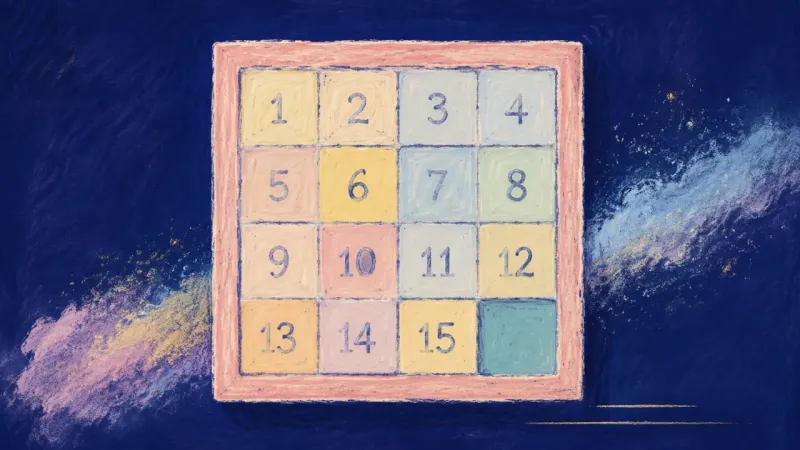
Six days later, I received a short message from Maya: “The lamp stayed where it was. I listed the missing sources, found one, and worked for 20 minutes. I stopped when the timer ended. It wasn't an academic comeback, but the draft is open now.”
She had also left herself a restart cue: “Next: add the source to paragraph three.” The backlog still existed, but it no longer occupied the room as one enormous verdict. One item had become factual, visible, and workable.
She slept through the night. In the morning, her first thought was, “What if I'm still too far behind?” This time she smiled, opened the restart cue, and began there.
I did not credit the cards with changing Maya's week. The six-card Transformation Path Grid helped us make the loop visible, but Maya supplied the honest sentence, opened the document, and stayed with the discomfort long enough to create new evidence. This Journey to Clarity belonged to her.
If your course portal loads and your chest tightens, rearranging the desk may still feel safer than discovering whether the backlog confirms your harshest story about yourself. Simply noticing that protective reach means the loop is no longer completely invisible.
If readiness did not have to look polished tonight, which one piece of coursework could you let become more visible than the desk?