The Reset-and-Relapse Loop: One Cue, One Different Reply in Seven Days
The Reset-and-Relapse Loop in a New Figma File
I began with a sentence that often makes the room go still: 'At 28, you can be a capable freelance creative in Toronto with a fresh Figma file and a brand-new Notion dashboard, yet feel Career Pivot Anxiety the moment one vague client comment makes the new project resemble the last one.'
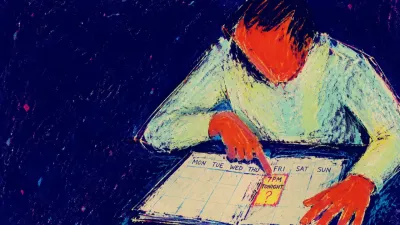
At 9:12 a.m. on the first Monday of a new contract, Jordan (name changed for privacy) sat across from me in a Toronto coworking space with Figma, Notion, and Google Calendar tiled across the laptop. The espresso smelled burnt. The HVAC hummed overhead. Jordan reread an ambiguous Slack request, dragged tasks into a stricter colour-coded schedule, and volunteered for another screen audit instead of asking what the client meant. I watched their jaw tighten as the fresh start began to look familiar.
Jordan told me, 'I keep changing the setup, but I somehow recreate the same week.' The reset-and-relapse loop was already visible: a new team, new tools, and a private promise to be more organised, more available, and less affected by feedback, followed by overcommitment, late-night polishing, repeated message edits, and silence when the plan slipped. The feeling had the weight of trying to steer through wet cement while a dashboard kept flashing the same warning.
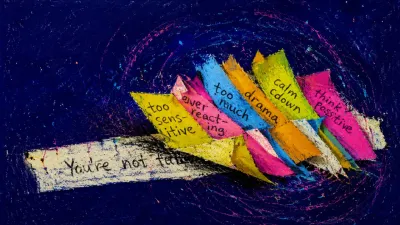
I said, 'I do not hear a lack of discipline here. I hear someone trying to make uncertainty safe by making the entire beginning perfect. A clean slate cannot do the work of a different response. Let us make this less about judging the past and more about finding clarity in the exact moment the old response appears.'
Choosing a Grid for the Fog
I asked Jordan to take one slower breath and notice the message that had started the planning spiral. I shuffled slowly, not as a performance of mystery, but as a way to move attention from the open screens and into one focused question: what keeps travelling into every new beginning?
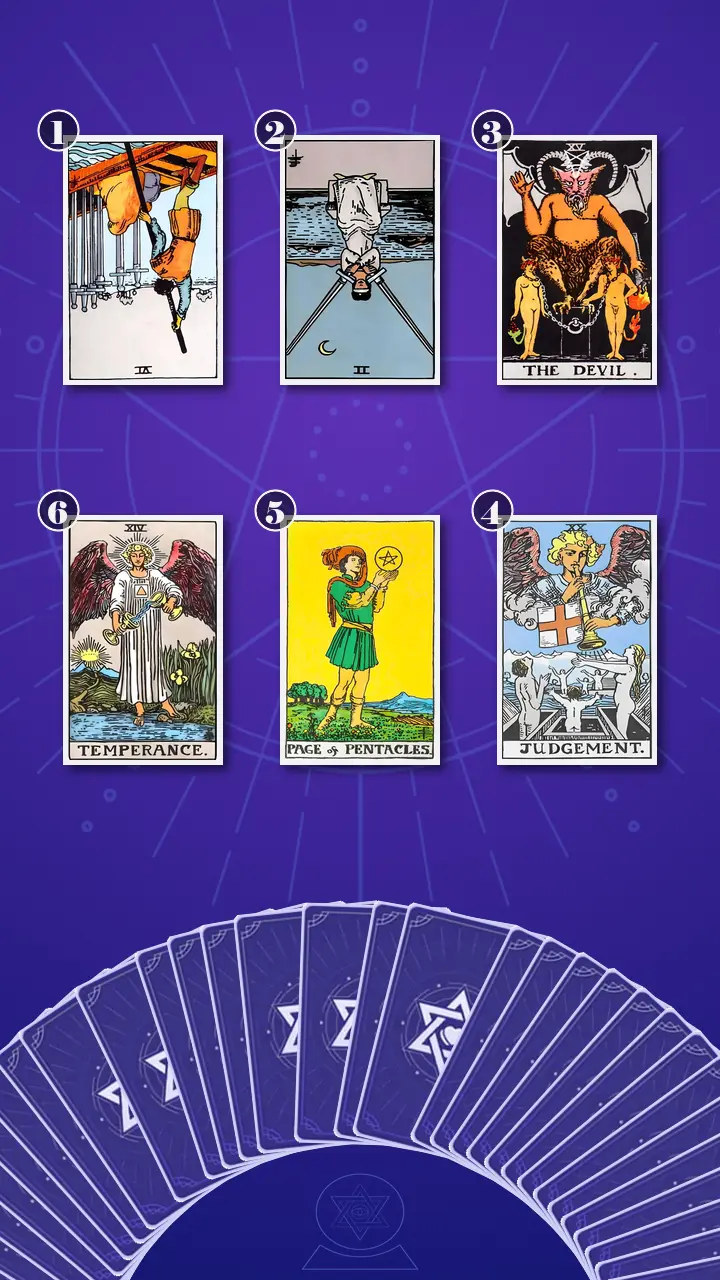
Today, I used the Transformation Path Grid · Context Edition, a six-card tarot reflection spread arranged as a two-by-three grid. I chose it because this question needs a sequence, not a prediction. It separates the visible reset ritual from the immediate blockage, the familiar control strategy underneath it, the point where awareness can interrupt the loop, the first practical experiment, and the form that sustainable integration could take.
This is how tarot works in my practice: the cards provide an external structure for noticing patterns that are difficult to see from inside them. They do not decide whether Jordan's next contract will succeed, and they do not turn a repeated behaviour into a fixed identity. The top row would show what was happening and why the loop stayed active. The lower row would show where recognition could become action, then become a more workable way of moving forward.
I told Jordan, 'The first card will show the observable snag in daily life. The second will identify the immediate blockage. The third will show what familiar protection keeps the pattern alive. Then we will look for the interruption point, the one-week experiment, and the integrated state beyond another dramatic reset.'
Reading the Map Beneath the New Start
When the Boat Carries the Old Rules
Now turned over is the card representing the diagnosis's observable snag: Jordan replaces systems and routines while carrying the same overcommitment, revision, and withdrawal sequence into the new setting.
Six of Swords, in reversed position.
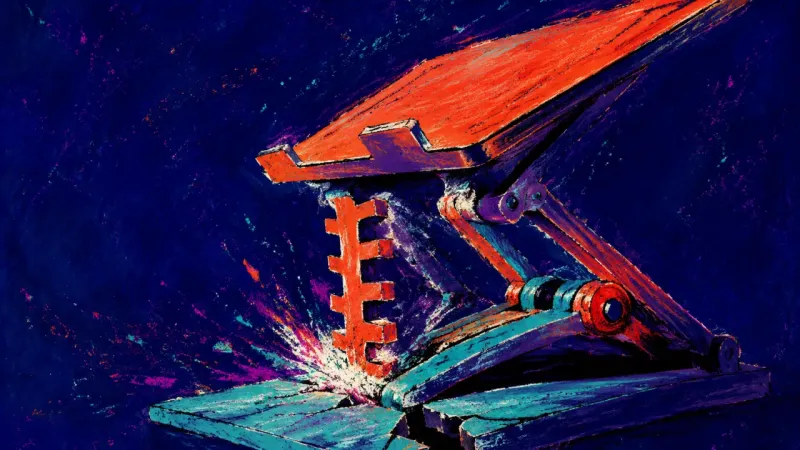
The six swords are lodged inside the boat, so the vessel can move while the old mental equipment moves with it. On the first difficult morning of a new UX contract, Jordan opens a newly built Notion workspace and promises that this team will see a more organised version of them. When a vague Figma comment arrives, the same private rules board the project: say yes quickly, conceal uncertainty, perfect the work late, and delay the imperfect update.
In energy terms, this is a blockage in movement and resolution. The transition has begun, but unresolved Air remains embedded in the vehicle. The new team and new tools are not the problem by themselves. The problem is that the response pattern is being treated as luggage that must come along, then mistaken for proof that the destination has failed. I asked, 'What was the first action that looked new on the surface but preserved an old rule?' The answer was not another planner. It was the moment Jordan reorganised instead of asking one clear question.
Jordan gave a short, bitter laugh and looked away from the card. 'That is almost too specific,' they said. I answered, 'Specific is useful here. It gives us a place to intervene. It does not give us a reason to condemn you.'
The Two Drafts That Refused to Ship
Now turned over is the card representing the psychological blockage inside the Baggage Transfer Loop: unresolved inner conflict is managed by delaying direct choices and trying to satisfy incompatible demands.
Two of Swords, in reversed position.
Jordan receives a client request that cannot fit the agreed scope. One draft asks the client to choose a priority. The other promises that Jordan will absorb the extra work and still deliver by Friday. Several advice chats are opened to determine which reply sounds most competent. The original message remains unanswered until the deadline begins making the decision instead.
The blindfold and crossed swords show two positions held so rigidly that available information cannot be used. The reversed Air is no longer maintaining a calm stalemate; it is turning inward as mental overload. I heard the private sentence beneath the drafts: 'I need to be honest, but I also need them to believe I am completely capable, so I will wait until I can guarantee both.' Jordan is not missing one magical piece of advice. They are postponing a choice between honest capacity and complete approval.
I brought us back to the Friday library scene Jordan had described: two opposing email drafts, fluorescent lights buzzing, damp palms, and two group chats open. 'What did the delay protect for the next ten minutes?' I asked. Jordan's fingers tightened around the edge of the chair. Their eyes lost focus as the memory replayed, then their shoulders dropped slightly.
'It protected me from finding out that neither version could make everyone happy,' they said. I nodded. 'That is the important distinction. The unanswered message was not waiting for more information. It was a postponed choice.'
The 1:08 a.m. Bargain
Now turned over is the card representing the mechanism beneath Repetition Compulsion: familiar control strategies feel safer than an untested response, even when those strategies recreate the problem.
The Devil, in upright position.
At 1:08 a.m. in Jordan's Toronto apartment, the radiator clicks beside a laptop fan and a cold mug of tea. Jordan knows the client needs an honest progress note more than another polished prototype, but keeps adjusting spacing and renaming layers. The immediate bargain is simple: one more frame may create the feeling of competence, while one honest sentence might expose the plan's limits.
The Devil does not tell me that Jordan is powerless. The loose chains matter. The behaviour feels compulsory because it offers immediate protection, but some agency remains in the first moment of noticing what the protection costs. Overplanning, overperforming, and silence are not experienced as admirable choices. They are familiar ways to survive uncertainty. Jordan told me, 'I know this costs me, but I also know exactly how to get through tonight by doing it.'
I thought of Groundhog Day, not because Jordan was trapped by fate, but because the setting could repeat until the response changed. The short-term reward was relief, distance, or the sensation of having done everything possible. The longer-term cost was sleep, honest communication, and the chance to adjust before the problem became larger. Seeing the loop again is not the same as choosing it forever.
Jordan went quiet. Their eyes moved from the chain around the figure's neck to the open space beneath it. I did not rush to fill the silence. I wanted the protective benefit to be acknowledged without turning the cost into a moral verdict.
When Judgement Made the Cue Audible
The Trumpet Above the Old Script
The room seemed to narrow around the next card. Even the streetcar bell outside arrived distinctly through the window, as if the city had briefly lowered its volume.
Now turned over is the card representing the transformation lever: reviewing repeated starts without self-condemnation and identifying the moment when a different response becomes possible.
Judgement, in upright position.
The trumpet is not a threat. It is a signal that has become clear enough to answer. The figures rise with open arms, which contrasts with the blindfold and crossed swords, and with the chained posture of The Devil. Jordan can place three project launches side by side and see the sequence without having to become any of those past versions again: different client, different tool, same cue, ambiguous feedback; same first move, tighten the system before speaking.
This is where I used my signature lens, Pseudo-Growth Eradication. I spent years on Wall Street, where a polished dashboard could make a weak position look impressive if nobody audited the actual return. I apply the same commercial logic to personal development, not to make it cold, but to strip away self-help fluff. A new planner, a stricter routine, and a grand promise of reinvention do not count as growth unless the response at the recurring cue has changed. I asked for evidence, not a more convincing story about becoming a new person.
I asked Jordan to picture the familiar 10:43 p.m. moment, with Figma open and a clarification message still unsent. The blue screen felt hot against the room, the jaw locked, and tomorrow's schedule waited like an escape hatch. Starting over seemed safer than sending one incomplete sentence and letting another person see the limit.
The repeated pattern is not proof that you are incapable of change; name the cue, choose one new response, and answer Judgement's trumpet instead of replaying the old script.
You do not need a new life every time the old cue appears; you need to recognise the cue soon enough to choose one different reply.
I let the words stay between us. First, Jordan froze: their breath paused, fingers hovered above the trackpad, and their face held the startled stillness of someone hearing a private rule spoken aloud. Then recognition moved in. Their gaze went unfocused as they replayed three project starts, each one carrying the same ambiguous comment, tightening jaw, rebuilt schedule, and delayed message. Finally, the resistance surfaced. Their brow drew together and they asked, 'But does that mean I was wrong every time?'
I said, 'No. It means the strategy made sense as short-term protection, and it is now costing more than it returns. You can keep the useful information without obeying the whole sequence.' Jordan's clenched hand opened one finger at a time. Their shoulders lowered, but the release brought a brief, almost dizzying blankness. The path was clearer, and clarity also meant that the next response belonged to them. Their eyes grew wet without spilling over; then they exhaled, low and uneven, as if making room for a decision that did not need to be perfect.
'Now, with this new perspective,' I said, 'think back to last week. Was there a moment when naming the cue could have made the next move feel different?' This was the first step from frustrated clean-slate perfectionism toward non-punitive pattern recognition, then toward grounded self-trust. The pattern was not Jordan's identity. It was a sequence with an interruptible step.
One Pentacle, Not Three Apps
Now turned over is the card representing the practical action, experiment, or resource through which insight begins to enter lived behaviour.
Page of Pentacles, in upright position.
The Page studies one pentacle at eye level instead of juggling multiple systems. I used that image to replace the crowded three-app screen with one paper note containing a cue, one alternative reply, and one observed result. For seven days, Jordan would keep the current planning system unchanged and track only what happened when ambiguous feedback received one timely clarification.
I told Jordan, 'This does not have to prove I have changed; it only has to show me what happened.' The sentence belonged to the experiment, not to a performance of transformation. This is also where I apply my Potential Actionability Assessment: any abstract insight must survive translation into who, what, when, duration, and observable evidence. If the action requires a new dashboard, a full retrospective, or unpaid monitoring, it is already drifting back toward the old pattern.
Jordan looked at the single sheet of paper I had placed beside the cards. Their hand reached toward it, stopped, then returned with a pen. The gesture was small and visibly unglamorous. That was its strength. One pentacle was enough to begin learning.
The Two Cups of a Workable Week
Now turned over is the card representing the target state of integration: retaining useful lessons from the past while adjusting responses gradually enough for change to become sustainable.
Temperance, in upright position.
Water moves steadily between two cups. One foot stands on land and one in water. I read this as information circulating between practical limits and emotional uncertainty, not as baggage being transferred from one project to the next. Jordan could retain ambition and preparation while reducing automatic yeses, clarifying scope earlier, sending one honest midweek update, and adjusting the calendar when reality changed.
Temperance is not a promise of a perfect final state. It is proportion. It asks what can coexist without forcing an all-or-nothing answer: planning with communication, reliability with limits, effort with rest, and lessons from the past with openness to a different response. There were no Wands here, and I found that useful. Jordan did not need another burst of motivation. They needed grounded practice and a steadier exchange between thought, feeling, and action.
I asked Jordan to imagine the same project week with one change in proportion: the useful calendar stayed, one new commitment waited for a capacity check, and the clarification went out before the polishing began. Their shoulders softened. The possibility did not look cinematic. It looked repeatable, which made it more believable.
A Path That Does Not Need a New Planner
I gathered the six cards into one story. The Six of Swords showed the past arriving inside every fresh workspace as unresolved rules. The Two of Swords showed the immediate conflict between honest limits and complete approval. The Devil showed why overworking and silence persisted: they offered quick protection when uncertainty felt exposed. Judgement revealed the leverage point, the recurring cue that could be heard before autopilot took over. The Page of Pentacles offered a small behavioural test, and Temperance showed the longer direction: carry the lesson, not the whole loop.
The cognitive blind spot was not that Jordan needed more discipline. It was treating a new container as proof of a new response. A rebuilt planner could make Monday look different, but it could not answer the ambiguous Slack message. More structure could not guarantee control, and more opinions could not guarantee approval. The transformation direction was to stop redesigning an entire life around each reset, track one recurring cue, tolerate the discomfort of one unfamiliar response, and let observed evidence build self-trust gradually.
For the next thirty days, I placed the experiment inside my Evolution KPI Framework. I use the word KPI deliberately: the goal is not to score Jordan's worth, but to make a philosophical realisation measurable in ordinary behaviour. One cue. One different response. One metric. Four short weekly reviews, with permission to pause if tracking begins to feel intrusive or turns into another control system. My actionable advice was deliberately small:
- Log the cue, not your whole pastFor the next seven days, when an ambiguous client message arrives in Slack or email, open a note titled 'Cue Log' and spend no more than five minutes recording three things: the exact message, your first body reaction, and the action you immediately want to take.Keep it to three lines. The minimum version is naming only the cue. This is observation, not surveillance, and you can skip an entry or stop the experiment if it feels intrusive.
- Send the bounded clarificationChoose one low-stakes request from a current client this week. Set a ten-minute timer, write the two competing needs in plain language, and send the first accurate version of: 'To make sure I prioritise correctly, do you need X or Y by Friday?' Use the message before polishing its tone repeatedly.Wait 24 hours before asking friends, group chats, Reddit, or online communities whether the wording was right. Keep high-impact decisions outside this experiment. The point is evidence from one reversible choice.
- Run the no-new-planner weekKeep the current planner unchanged for seven days, even if tasks slip. Before accepting another task, check the real calendar and say, 'Let me confirm my capacity and get back to you by 3:00.' On Friday, spend ten minutes comparing one metric, such as reply time, hours worked after 9:00 p.m., or unanswered messages.Choose one metric only and do not label the week a success or failure. If the experiment feels too small, that is useful data. Do not redesign the week. Change one reply.

The Quiet Proof of a Different Reply
Three days later, Jordan messaged me: 'I asked whether the client meant X or Y, and they answered in two lines.' The old fear still arrived that night. Jordan sent the update anyway, then sat alone with tea, relieved and slightly unsettled by how ordinary change looked.
I did not hear a claim that the pattern had vanished. I heard the first evidence that the response could change before the loop completed. The clarification created information earlier. The calendar stayed imperfect. The project continued. That was enough to move from fear-driven control toward grounded self-trust and steadier hope.
Tarot had not chosen Jordan's future. The cards had given the pattern a visible structure, and Jordan had decided what to do with the structure. The real ownership was in recognising the cue, tolerating the discomfort, and answering it without demanding a total reinvention first.
When a fresh start begins to look familiar, your jaw may tighten and your shoulders may brace, not only because the past seems ready to repeat, but because one imperfect response can feel like proof that you never had control at all. Noticing that reaction is already a small change in position. Carry the lesson, not the whole loop.
If the next familiar cue did not require a whole new version of you, what is one small response you might be curious to try instead?