Stable, or Just Performing?
Explore the pressure to look settled, the tarot cards that mirror it, and readings where this pattern appears.

Performative Stability
What does this feel like?
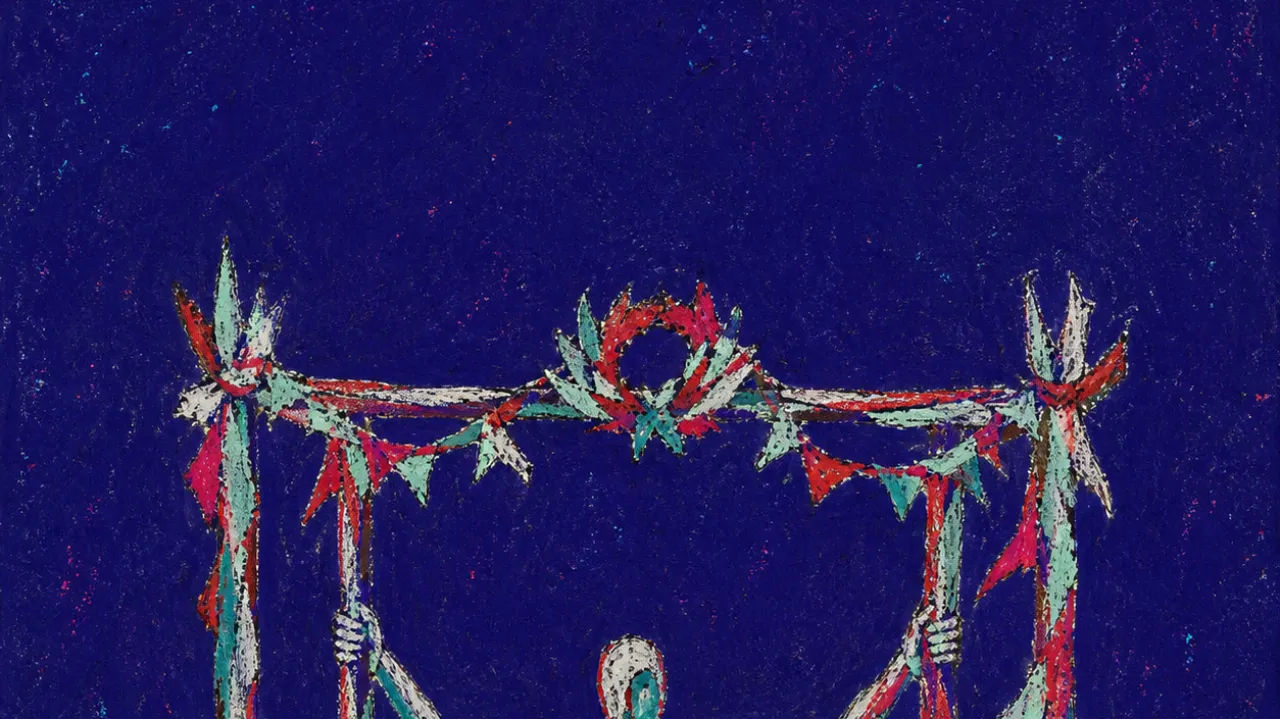
Performative Stability — you notice it in the moment someone asks, "So, are you happy with it?" and your face answers before the rest of you can. You smile, nod, say something neat and believable, and feel a small tightening under your ribs, as if your body is holding a pose it cannot put down yet. Maybe the decision has already been announced, the relationship looks calm from the outside, the job title sounds impressive, the move photographs well, the healing arc has become something people praise you for. So you keep the structure upright. You reply to messages with the right tone, show up on time, make the plan sound intentional, say you're grateful, say you're fine, say it was the right call, and each sentence becomes another ribbon tied around a frame that still has no walls. The hard part is that nothing has fully collapsed; that would almost be easier to explain. Instead, everything works just well enough for other people to believe it is solid, while you are quietly spending yourself on keeping the image from shaking. You start measuring your own truth by how convincingly you can present it. Your shoulders learn the shape of composure, your jaw learns to close around hesitation, your chest learns to stay braced whenever someone celebrates what you are not sure you can inhabit. The cost is subtle at first: fewer honest pauses, fewer unfinished sentences, fewer moments where you let yourself admit, "I don't know yet." Then one day you realize you are not living inside stability; you are maintaining its display, much like the Four of Wands reversed, where the garlands are raised, the celebration is intact, and the open frame still stands in front of a shelter the body has not reached.
What's pulling at you?
You're caught between the part of you that needs room to be unfinished and the part of your life that is already being treated as settled. The trap is that the stable image is doing a job for you, but keeping that image intact is using up the energy you need to choose, speak, or change honestly.
How It Shows Up?
- You wake up on a Saturday and see a reminder for plans you agreed to weeks ago when you were trying to prove you were doing better. Before your feet touch the floor, your stomach folds in on itself and your shoulders pull tight, but you still text, "Can't wait," because cancelling would make the whole polished version wobble. The room is quiet, your phone is bright, and for a second you feel like you're holding a garland up with both arms while the rest of you asks to sit down. You can let the morning be honest inside your own body before you decide what anyone else gets to see.
- A friend asks how the new job, move, relationship, degree, or plan is going, and you hear yourself answer smoothly before you've checked whether the answer is still yours. You nod, smile, add a clean little detail, and feel your throat narrow around the part you almost said out loud. The conversation keeps moving, but your chest stays braced as if one wrong sentence would make the decorated frame tilt. It's allowed to not have a finished headline for something you're still living through.
- At work or school, you keep the document updated, the camera on, the tone steady, the deadlines moving, and nobody would know how much effort it takes to make the surface look normal. Your jaw locks during meetings, your breathing gets shallow when someone says, "Looks like you've got this," and you feel the quiet compression of being treated as proof that everything underneath is solid. You finish the call and sit perfectly still for a few seconds, hands hovering over the keyboard. You don't have to confuse being visibly functional with being fully supported.
- In a group setting, someone celebrates you for being "so together," and the compliment lands in your body like a small weight instead of relief. You laugh at the right moment, lift your glass, pose for the photo, and feel a strange tightness behind your ribs, because the room is responding to the version of you that can stay upright on cue. The lights, voices, and raised hands make the whole scene look like arrival, while some distant part of you is still looking for a door. You can receive the moment without forcing it to represent your whole life.
- Late at night, when no one is watching, your body finally drops the shape it has been holding all day. Your shoulders ache, your face feels tired from being arranged, and your hands lie open on the blanket as if they've been gripping something invisible. You scroll past your own posts, messages, and plans, seeing how coherent everything looks from the outside, and a dull pressure gathers in your chest because the neatness has started to feel like another task. It's okay for the private version of you to be less organized than the public one.
Performative Stability in Tarot Cards
Performative Stability lives in the gap between looking settled and still having to manually hold the shape of being okay. You can feel it in the locked jaw, the shallow breath, and the chest that stays braced after the conversation has moved on. From an existential perspective, the structural framework here is about a life image becoming load-bearing before the inner foundation is ready. The Tarot Cards below make that decorated, exposed frame visible without forcing a quick explanation.
Performative Stability in Tarot Card Reading Insights
When the outside of your life looks coherent while the inside still has to be held in place, other people bring that same pressure into readings. The shift from cards to readings shows how this struggle appears when someone asks about a choice, role, or relationship that already looks settled. Tarot Reading Insights for Performative Stability.

Calling Comfort Peace After Betrayal—Then Naming What Failed
Topic:Personal Growth Tarot Reading
Struggle:Comfort Entrapment
Context:Toxic Positivity Culture

Calling Comfort Healing: How an Unsent Draft Became Lived Evidence
Topic:Introspection Tarot Reading
Struggle:Perfect Readiness Trap
Context:Self-Help Content Spiral

At 3:10, a Stretch-Role Tab Closed; One Retrospective Became Evidence
Topic:Career Tarot Reading
Struggle:Binary Choice Lock
Context:Skill Underutilization Trap

Late Rent, Muted Chats, One Coin: Repairing the Adulting Shame Spiral
Topic:Choice Tarot Reading
Struggle:Mental Bandwidth Depletion
Context:Life Admin Backlog

Lease Signed, Slack Open: Naming What Actually Needs to Change
Topic:Choice Tarot Reading
Struggle:Freedom-Structure Conflict
Context:Quarter-Life Crisis

When Dad Asked 'You Okay?': Letting One Honest Sentence Stay
Topic:Family Tarot Reading
Struggle:Vulnerability Containment Strain
Context:Direct Communication Trial

From High-Functioning on Paper to Supportive-Not-Impressive Routines
Topic:Study Tarot Reading
Struggle:Routine Freefall
Context:Routine Collapse

The Planner Gift That Felt Like a Verdict—And the Week I Stopped Restarting
Topic:Family Tarot Reading
Struggle:Freedom-Structure Conflict
Context:Dating App Performance Loop

From witness-stand dread to planned coffee chat: resetting a weekly call
Topic:Family Tarot Reading
Struggle:Autonomy Guilt Bind
Context:Family Boundary Backlash