Is everyone watching you?
A clear look at the Spotlight Effect, its tarot cards, and tarot reading insights that mirror the imagined audience.

Spotlight Effect
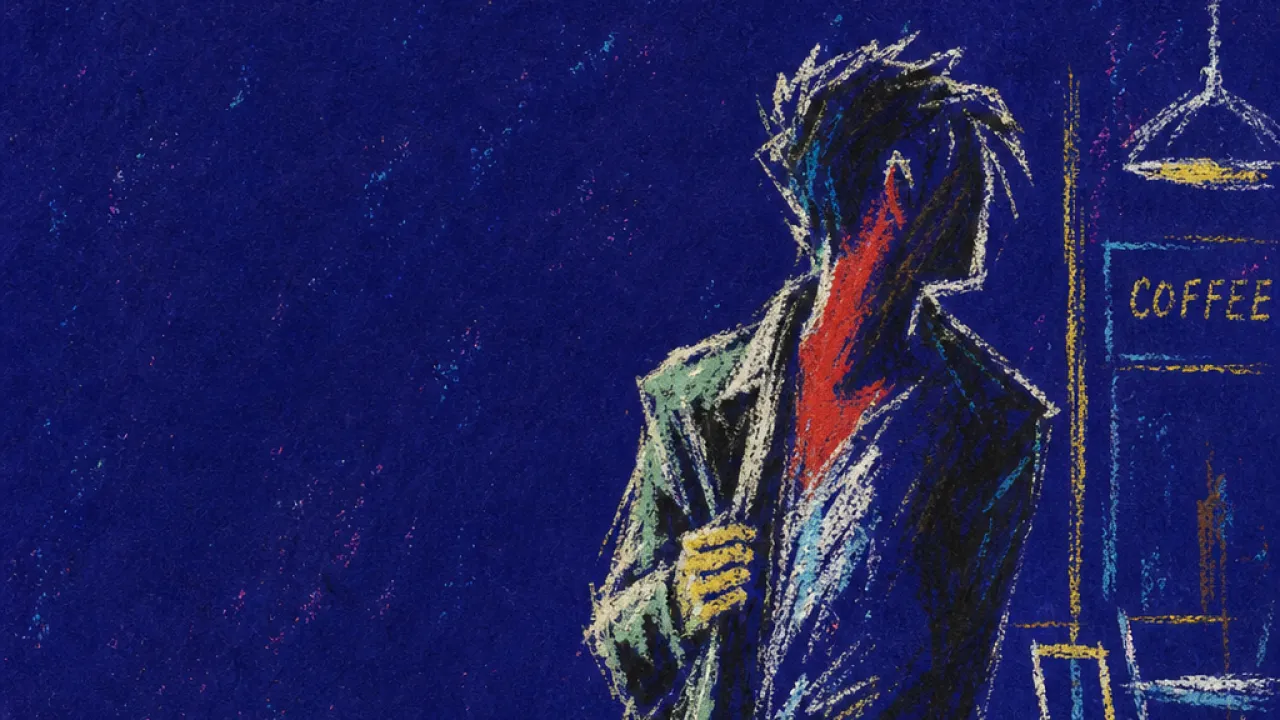
What is this really?
You move through ordinary moments as if a bright light has found you: adjusting your clothes after entering a room, replaying one awkward sentence, or watching faces for signs that they noticed the tiny thing you wish you could erase. Underneath, your mind is trying to protect you from social exposure by catching the mistake before anyone else can define you through it. Yet the more you monitor yourself, the less present you feel with other people, until a neutral room starts to feel like a private courtroom built inside your body—much like the figure in the Nine of Swords, sitting upright in the dark with their face in their hands beneath a row of hanging swords.
Why did it happen?
At some point, paying close attention to how you came across may have helped you avoid embarrassment, smooth over tension, or feel prepared before stepping into a room. Over time, that watchfulness can become an inner pattern that switches on even when no one is studying you, leaving you mentally drained from managing an audience that may not be there. The subconscious loop keeps asking, “Did they notice?” while your body carries the answer as tight shoulders, shallow breathing, and a hard-to-shake sense of exposure.
How does it feel?
- You walk into a coffee shop and tug the hem of your jacket twice before choosing a table, then check whether anyone looked up when your chair scraped the floor. In that pause, your shoulders may lift a little and your breath may stay high in your chest; you can let the body register the moment without turning it into a verdict.
- In a meeting or class, you start to speak, hear one word come out slightly uneven, and quickly add a small laugh while your eyes scan the faces on the screen or around the table. Right after, your throat may feel dry and your stomach may tighten as if the room moved closer; it is okay to let that sensation pass before deciding what it means.
- After sending a text, you reread it from the other person's angle, hover over one sentence, and imagine how your wording might land even though the conversation has already moved on. Your jaw may clench, and there may be a fizzy, restless feeling in your hands; uncertainty can be present without needing an immediate fix.
- At the gym, on the street, or in a store aisle, you adjust your posture when someone passes, as if your body suddenly has to look more natural than it did a second ago. You might notice heat moving up your neck or a quick urge to hide your hands; that reaction can simply be noticed and allowed to soften in its own time.
- When you are alone later, you replay a tiny moment from the day: the awkward wave, the typo, the way your voice sounded on a call. As the scene loops, your forehead may tense and your attention may narrow until the room around you feels far away; you can come back to the present without forcing the memory to disappear.
Spotlight Effect in Tarot Cards
That reflex to monitor every gesture as if the room has paused to notice is the center of the Spotlight Effect. The heat moving up your neck, the lifted shoulders, the dry throat after one uneven word: the body often marks the moment before the mind catches up. From a Jungian archetypal theory perspective, this pattern can be understood as the self standing before an imagined public gaze. The cards below reflect the unconscious dynamics behind that imagined audience: Tarot Cards that mirror the pressure of being seen.
Spotlight Effect in Tarot Card Reading Insights
For anyone who replays the awkward wave, the typo, or the uneven word long after everyone else has moved on, this pattern can also appear inside tarot readings. Others have brought the same imagined audience into readings and watched the cards give it shape. Below are Tarot Reading Insights that speak to this pattern.

When a Casual Invite Becomes a Belonging Test: The One-Sentence No
Topic:Social Tarot Reading
Struggle:Relational Boundary Drift
Context:Social Performance Loop

Resume Rewrite Spiral—and How to Move From Optics to Evidence
Topic:Direction Tarot Reading
Struggle:Performance-Worth Fusion
Context:Values Alignment Crossroads

Work Friends, Old Friends, and Learning Not to Manage the Room
Topic:Social Tarot Reading
Struggle:Belonging-Authenticity Split
Context:Designated Organizer Burden

Panic-Cleaning Before Visitors—and Building Steadier Care at Home
Topic:Personal Growth Tarot Reading
Struggle:Routine Freefall
Context:Routine Collapse

When a Busy Library Feels Older Than It Is: Relearning How to Start
Topic:Study Tarot Reading
Struggle:Perfect Readiness Trap

When a Messy Apartment Feels Like Evidence: Reclaiming Privacy at Home
Topic:Introspection Tarot Reading
Struggle:Environment-Agency Split
Context:Life Admin Backlog

Hiding the UX Tab at 8:43 PM—and Learning to Leave It Open
Topic:Study Tarot Reading
Struggle:Visibility-Safety Split
Context:Career Transition Fog

From the Hallway Laugh Spiral to Steadier Self-Trust in Groups
Topic:Introspection Tarot Reading
Struggle:Inner Tribunal Lock
Context:Soft Exclusion

Feeling Fake When Friend Groups Mix—and Choosing One Truer Thread
Topic:Friendship Tarot Reading
Struggle:Belonging-Authenticity Split
Context:Friend Group Triangulation

When Open to Work Feels Like Failure: Leaving the Inner Courtroom
Topic:Career Tarot Reading
Struggle:Social Self-Judgment Lock
Context:Career Transition Fog