Why Can't I Just Focus?

Explore the body-feel of focus shame, the tarot cards that mirror it, and reading insights from related sessions.

Focus Shame
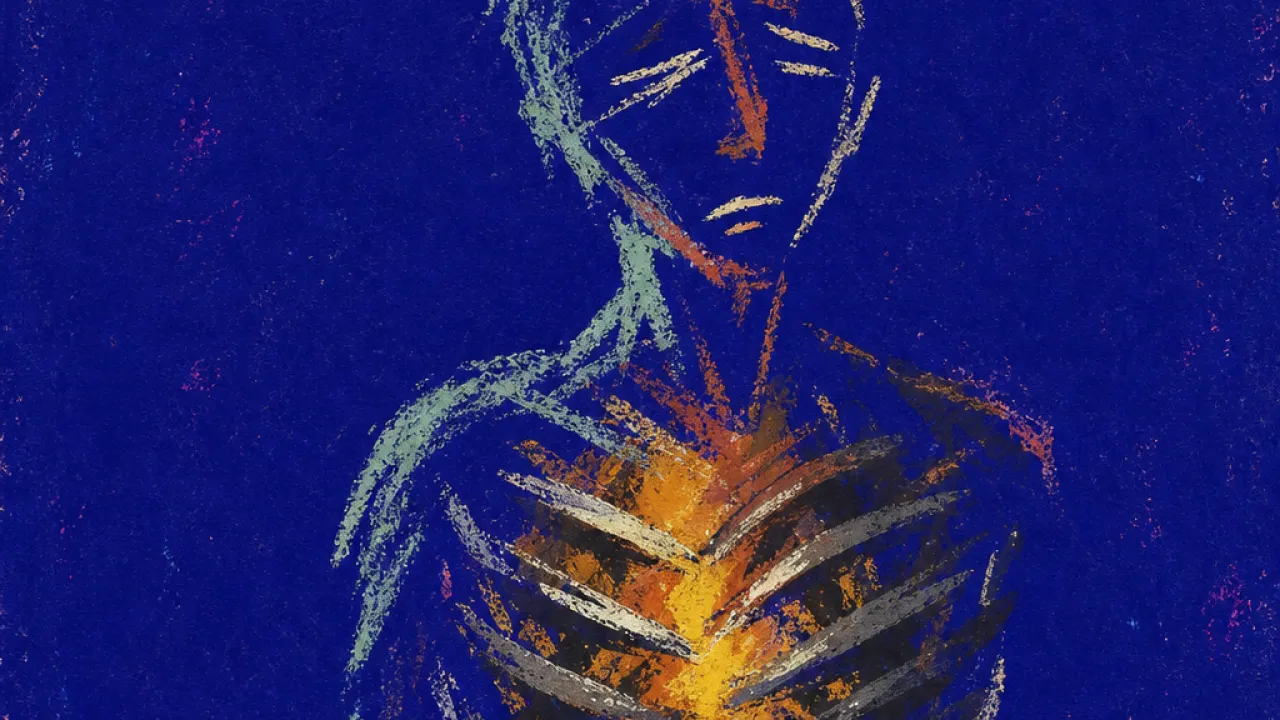
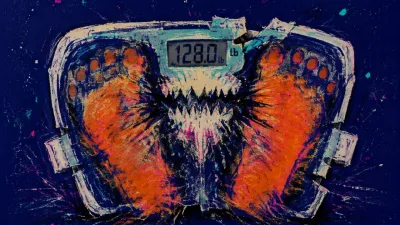
A solitary figure with tight ribs and warm amber heat around the face, surrounded by deep indigo compressed space

What does this feel like?

Focus Shame — you sit down to do the thing, and almost immediately your body starts acting like you've been caught: heat behind your face, a tight little drop in your stomach, your shoulders creeping up while the cursor blinks like it's judging you. You tell yourself it should be simple, then read the same sentence three times and still don't absorb it, or open one tab to help yourself and suddenly feel the day thinning out around you. The shame doesn't always roar; sometimes it arrives as a quiet internal flinch, a sense that everyone else has some clean mental switch you can't find, and the harder you try to force it, the more slippery your attention becomes. You may start organizing, scrolling, refreshing, rewriting the first line, anything that gives the appearance of movement while the main thing sits there glowing with pressure. Inside, the voice is blunt and repetitive: why can't I just focus, why am I like this, why does starting feel so exposed? Focus shame turns attention into a mirror, and every slip feels like evidence against you, much like the figure on the Eight of Swords, standing bound in place while sharp edges surround the body and the way forward feels closer than it looks.

Why you're feeling this?

Focus shame is not proof that you're failing; it's the sting that appears when your attention feels out of reach and your sense of capability gets touched. You are not wrong for feeling it. A part of you is noticing the gap between the clarity you want and the stuckness you are inside right now.

Focus Shame in Tarot Cards

That hot drop in your stomach when your attention slips again — focus shame has a very specific body signature. The tight face, the frozen cursor feeling, and the pressure around your ribs are part of a universal emotional experience: the moment attention and self-worth start to feel tangled. Tarot gives that invisible bind a visual language without explaining it away. Here are the Tarot Cards that tend to mirror focus shame.

The Magician
Reversed
An infinity symbol, a raised wand, and a table containing every suit establish a physical architecture for turning vision into practice. Reversed, that architecture loses alignment, leaving desire for change active while attention disperses before it can become consistent behaviour. The complete toolkit can intensify Focus Shame by making the practice gap look personally indefensible. You may see unused ability everywhere and convert it into a wasted-potential narrative; the card reveals that potential and access are not identical, and that a blocked channel does not nullify the resources waiting within the system.
The Devil
Upright
A dark pedestal supports an imposing figure while two people remain attached by visible chains, creating an image of a system sustained through repeated participation. In personal growth, the scene reflects the frustration of returning to the same distraction habits despite a sincere desire to change how you direct attention. The chains hold emotional history as much as current behaviour: each repetition is quickly folded into the story that you lack the discipline required for growth. The card reveals shame as fuel inside the cycle, allowing the repeated pattern to be examined as a structure rather than mistaken for your permanent identity.
Judgement
Reversed
Exposed figures rise toward a trumpet call that fills the entire landscape with the possibility of reassessment. Reversed, that opening collapses into self-condemnation, and imperfect focus becomes the criterion by which your whole growth process is declared insufficient. The image's scale shows how a small practice failure can be recruited into a total identity judgment. You may erase months of partial learning because today's attention wandered; the card names that erasure as the operation of an internal verdict, preserving the possibility that growth remains real even when concentration is inconsistent.
Eight of Pentacles
Reversed
A craftsperson's bench, tools, and repeated pentacles create a visible bridge between intention and embodied practice. Reversed, that bridge jams under perfectionism and inconsistent attention, so every interrupted habit appears to confirm that you cannot become the person your vision requires. The card keeps effort materially present even when the sequence is uneven. You may dismiss partial practice because it does not resemble disciplined transformation, but the image reveals a system struggling with shame-loaded standards rather than a self devoid of commitment or potential.
Eight of Swords
Upright
A bound figure faces a line of swords while a distant stronghold suggests a larger destination beyond the immediate enclosure. In personal growth, that distance mirrors the gap between the person you intend to become and the mind that will not reliably stay with today's practice. The bindings make the present restriction emotionally credible without defining the figure's entire range of movement. You may interpret inconsistency as evidence that transformation is unavailable to you, but the card locates much of the paralysis in the shame-laden frame around attention, preserving a distinction between an interrupted practice and a failed self.
Nine of Swords
Upright
A figure sits awake beneath a fixed row of swords, face concealed as if unable to meet the force of the internal review. As an introspective image, the card captures the moment self-awareness becomes prosecutorial: you do not merely notice that attention wandered, you revisit the lapse until it feels like a revelation about your worth. The bed and quilt show a body seeking rest while the mental audit keeps demanding an answer. The card makes the cost visible without endorsing the verdict, allowing the repetitive question of why you cannot focus to be recognised as an emotional loop rather than a source of endlessly improving evidence.

Focus Shame in Tarot Card Reading Insights

Focus shame often comes into readings as that frozen feeling between wanting to start and feeling exposed by not starting. Others have brought this same mix of heat, tightness, and blank-screen pressure into their sessions. Tarot Reading Insights from focused sessions are gathered below.
Psychological Emtions Related to Focus Shame