Out of Sight, Out of Opportunity?
See how distance shapes workplace access, then explore related tarot cards and reading insights drawn from similar hybrid-work questions.

Proximity Bias Exposure
What is this situation?
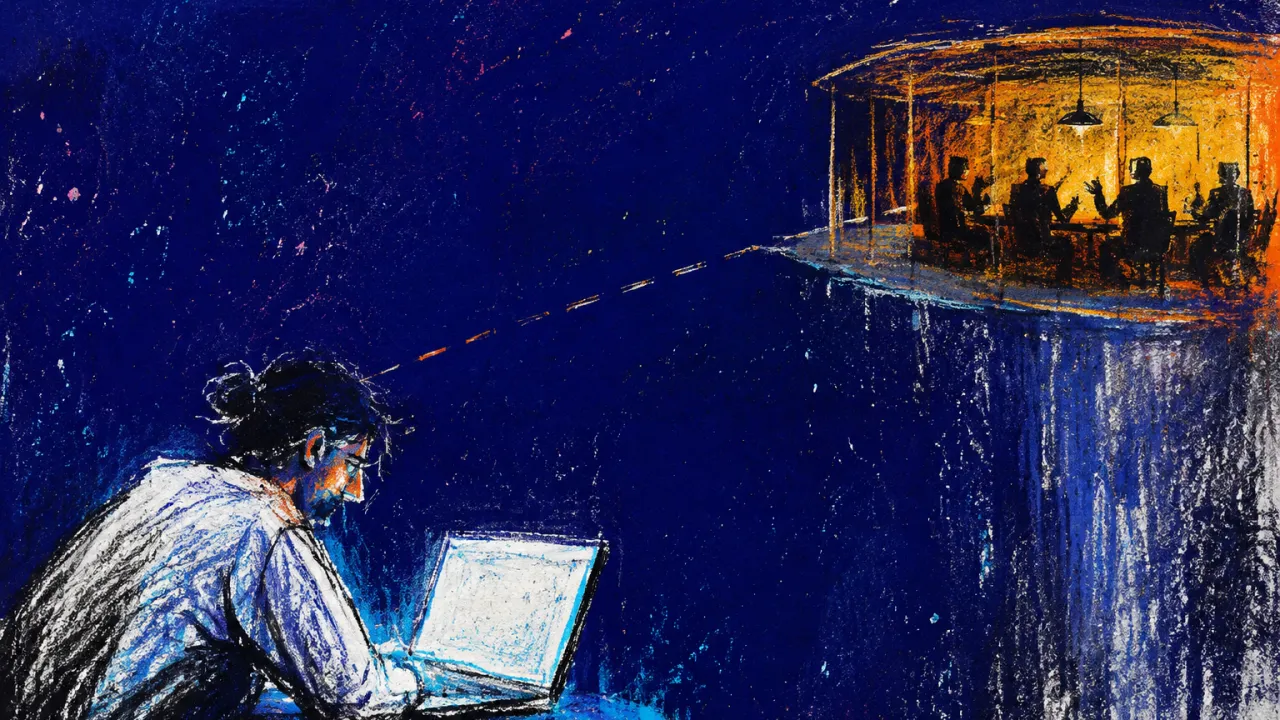
Proximity Bias Exposure begins when you log into a hybrid workplace where your work may travel instantly, but access does not. At first, the difference shows up in small moments: a meeting begins before the video link is opened, a decision is made in the room after the call ends, or a colleague at headquarters hears about a new project over coffee. You send updates, meet deadlines, and keep your status visible, yet the people who share elevators, desks, and lunch breaks with managers are seen more often and remembered first. Their quick questions become assignments; their informal check-ins become context; their presence is mistaken for availability, commitment, or readiness. Meanwhile, you learn about changed priorities in a recap, discover that your idea was reassigned without you in the room, or receive feedback about being less engaged despite having fewer ways to enter the conversation. The pattern becomes most visible during performance reviews, promotion discussions, stretch assignments, and return-to-office debates, where attendance can quietly stand in for contribution. Each day asks you to lean farther toward the screen, shoulders held forward, to compensate for a distance the workplace itself has made consequential. By evening, the workday has included not only your job but the repeated task of proving that you are present, much like the Five of Pentacles, where two figures pass beneath a bright stained-glass window while remaining outside the shelter it appears to hold.
Why it's not you?
This is not a failure to make yourself visible enough; it is a workplace setup that gives physical presence more weight than documented contribution. When information, manager attention, and opportunity travel through shared rooms and informal contact, the organization is turning distance into disadvantage.
Proximity Bias Exposure in Tarot Cards
In Proximity Bias Exposure, remote or hybrid work is filtered through who gets seen in the room, included after the call, and remembered when opportunities open. The shoulders held forward toward the screen mark the physical cost of trying to cross that gap. This is an environmental and structural dynamic: workplace access is organized around proximity, then treated as though it reflects contribution. The Tarot Cards below mirror the visible contours of that situation.
Proximity Bias Exposure in Tarot Card Reading Insights
People facing Proximity Bias Exposure have also brought questions about missed conversations, uneven visibility, and office-weighted opportunity into readings. The Tarot Reading Insights below show what surfaced when others placed this workplace situation beside the cards.