No Clean Distance On Campus

Explore the pressure of forced campus proximity, related tarot cards, and reading insights from others navigating repeated contact loops.

Campus Proximity Reset
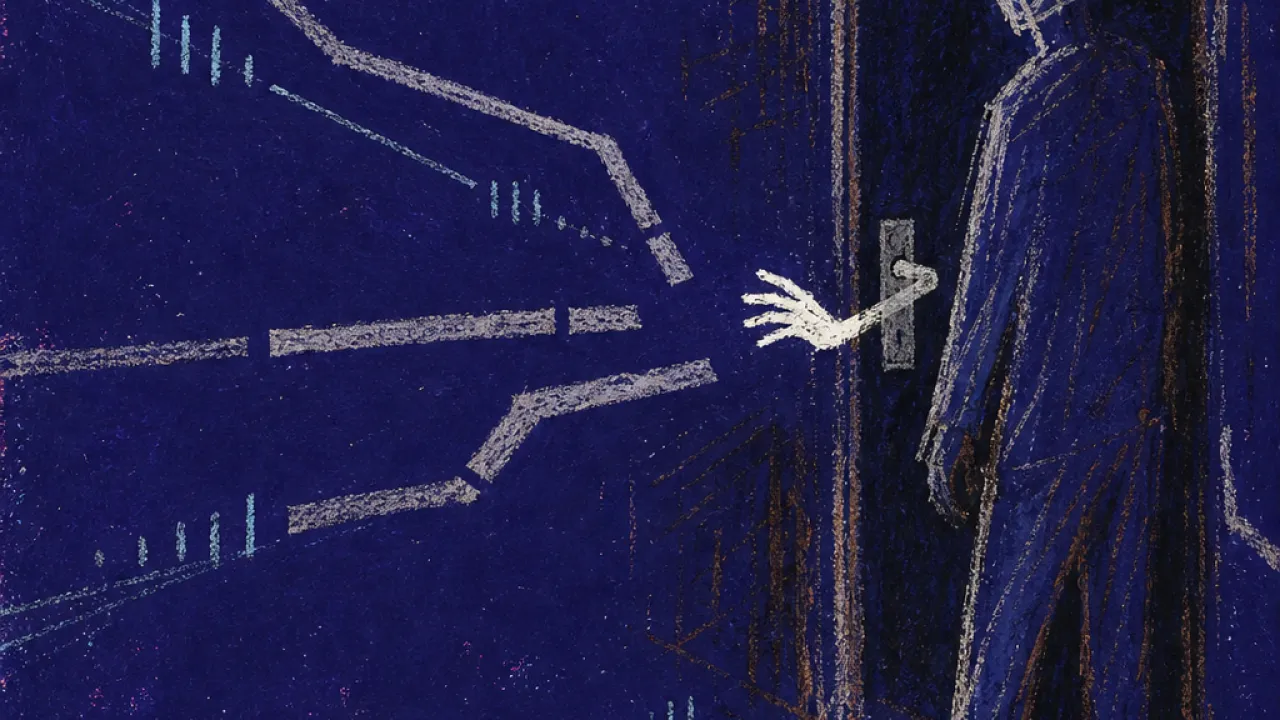
A solitary figure paused at a doorway as pale campus paths fold inward toward the same shadowed figure

What is this situation?

Campus Proximity Reset — you come back to campus after a break, a breakup, a falling-out, or a stretch of avoiding someone, and the place immediately starts rearranging your life around proximity again. The person you were trying not to orbit is suddenly in the dining hall line, crossing the quad ten minutes before your lecture, tagged in the same event photos, sitting two rows over in a class you cannot drop, or still attached to the friend group that used to feel easy. You plan your day around buildings, bus stops, library floors, club meetings, parties, study rooms, and the tiny risk of running into them when you are carrying coffee, wearing yesterday’s hoodie, or just trying to get through a Tuesday. Friends treat it like normal campus overlap, but every shared space comes with quick calculations: which entrance to use, where to sit, whether to leave early, whether saying hi will restart something, whether not saying hi will become its own drama. The school itself does not have to mean harm for it to keep pressing the same person, memory, or unresolved conversation back into your path; the map is small, the schedule is public, and the social circles keep folding in on each other. What used to be simple movement across campus becomes a route through possible contact points, much like the figure on the Eight of Swords, standing inside a narrow arrangement of blades where every step forward feels pre-marked by the space around them.

Why it's not you?

This is not about being dramatic or bad at moving on; the setup itself keeps removing clean distance. Shared campus geography, repeated schedules, mutual friends, and public social spaces can turn ordinary routines into forced contact loops. The pressure belongs to the environment that keeps bringing the same unresolved presence back into reach.

Campus Proximity Reset in Tarot Cards

Campus Proximity Reset is the moment campus stops being neutral and starts arranging repeated contact through dorms, lectures, dining halls, libraries, and shared friends. The body-level signal is small but specific: your hand freezes on the door handle before you enter a room, already scanning who might be inside. This is an environmental, structural dynamic built from schedules, walkways, housing, and social overlap, not from how calmly you try to act. These Tarot Cards reflect the shape of that compressed proximity and the limited room it leaves for clean distance.

The Chariot
Reversed
The armoured driver sits above two differently oriented sphinxes without visible reins, while the city remains immediately behind the vehicle. Reversed, that arrangement turns movement into a control problem: you can have a destination, yet campus routes, shared stops, and anticipated encounters keep pulling the journey in conflicting directions. The blocked chariot captures the difference between physical mobility and route autonomy. You may still cross the quad or take the bus, but when every movement is timed around someone else's possible presence, the campus transport system is no longer serving your day on neutral terms.
Wheel of Fortune
Upright
A large wheel turns between ascending and descending figures while four observers remain fixed at its corners. The image mirrors a campus where weekly timetables, recurring club nights, meal periods, and bus routes repeatedly rotate you and the same person through predictable contact points. The upright cycle makes recurrence legible rather than random. You can notice which encounters belong to stable institutional rhythms and which are one-off coincidences, using the visible pattern to recover timing choices without assuming that every future day will reproduce the same level of exposure.
Three of Cups
Reversed
Three people stand in an interdependent circle, raising cups in a scene where connection is visibly collective rather than private. Reversed, that circle holds the tension of a friendship fallout inside mutual plans, group chats, and shared campus traditions, so you cannot distance yourself from one former friend without affecting several current friendships. The reversed group form exposes the neutrality problem placed on mutual friends. You may still belong to the circle, but every invitation, seating arrangement, and tagged photo can be read as a loyalty signal, making routine friendship maintenance carry the unresolved conflict forward.
Six of Cups
Reversed
Two figures meet in a familiar courtyard through an exchange associated with shared history, while the surrounding setting remains enclosed and recognisable. Reversed, the old friendship is repeatedly returned to current attention by the same campus landmarks, routines, and mutual acquaintances, even when the present relationship no longer offers the ease represented in the original scene. The reversed familiarity clarifies that recognition is not the same as repair. You can encounter the former friend in an old hangout or group tradition without treating the setting's nostalgia as evidence that the prior friendship role should automatically resume.
Eight of Cups
Reversed
A cloaked figure leaves eight carefully arranged cups and follows a difficult path beneath an eclipsed moon. Reversed, the departure cannot establish forward distance: you may have ended the relationship, yet classes, dining halls, and mutual social spaces keep bending the practical route back toward the person left behind. The reversed path distinguishes a relational decision from the infrastructure needed to sustain it. You can recognise that recurring proximity does not automatically invalidate the breakup or require renewed intimacy; it shows that the campus environment has not provided a clean geography for the departure already made.
Two of Pentacles
Upright
Two pentacles circulate through an infinity loop while ships rise and fall behind the juggler, turning continuity into an active balancing task. You may be keeping lectures, meals, transport, clubs, and study sessions moving, but each item now has an added variable: whether a time or place will produce unwanted proximity. The upright rhythm shows that adaptation remains available, although it is not free. You can keep the practical week functioning by adjusting timing and location, while the looping ribbon reveals how repeated micro-adjustments can become a permanent workload if the campus overlap is never named as a structural constraint.
Two of Swords
Upright
A blindfolded figure holds two swords in a fixed cross while rocks break up the water behind the seat. The posture mirrors campus moments in which greeting and ignoring, entering and leaving, or attending and withdrawing each carry a different social consequence, leaving you to choose without reliable information about what the other person will do. The upright balance preserves a pause in which the criteria can be separated. You can identify which decisions concern immediate safety or access, which concern reputation inside the friend group, and which are attempts to control an interaction that has not happened, rather than treating every encounter as one indivisible dilemma.
Six of Swords
Reversed
A boat carries cloaked passengers away while six swords remain planted inside the vessel, making the attempted passage transport part of the conflict with it. Reversed, the crossing loses its clean forward movement: you return to campus expecting distance, but shared rooms, routes, and networks carry the unresolved connection back into the next phase. The image separates emotional departure from environmental transition. You may have made a clear decision about the relationship, yet the campus system has not produced the geography needed to support that decision, so long-term direction keeps being interrupted by short-range contact management.
Seven of Swords
Upright
A figure moves away from a busy camp carrying swords while looking back to monitor what remains behind. In campus social life, you may enter late, choose the edge of a party, check who has RSVP'd, or leave before the other person arrives, turning participation into a tactical operation rather than a relaxed encounter with the group. The upright card retains the usefulness of selective privacy and strategic exits. It also reveals the social cost when every event requires concealment, surveillance, or timing tricks, because the wider network then becomes organised around avoiding one person's line of sight.
Eight of Swords
Upright
A bound figure stands alone inside a sword perimeter while an inhabited structure remains visible beyond the enclosure. After a friendship fallout, the same image appears socially when the former friend remains linked to the people who provide companionship, practical help, and campus continuity, making distance from one person feel like distance from the whole support network. The upright arrangement shows that the network is constrained but not necessarily lost. You can distinguish the friendships that require direct overlap from those that have merely continued through group habit, preserving independent connections without denying the real awkwardness of shared spaces.
Nine of Wands
Upright
A bandaged figure grips one wand while eight others form a guarded line behind him, and his attention remains turned toward whatever may approach. Repeated campus overlap can place you in the same posture internally: part of your attention reaches class or dinner, while another part remains assigned to checking doorways, seating, and possible contact. The upright stance treats watchfulness as information produced by prior encounters, not as a permanent identity. You can notice where the guard is responding to a predictable shared schedule and where it stays active after the immediate contact point has passed, making the emotional workload easier to locate and contain.

Campus Proximity Reset in Tarot Card Reading Insights

Campus Proximity Reset shows up when people bring the pressure of shared campus spaces, overlapping routines, and unavoidable sightings into a reading. The shift here is from the cards themselves to what appears when others sit with this same kind of proximity pressure. Tarot Reading Insights from sessions where campus closeness became the central issue.


Psychological Contexts Related to Campus Proximity Reset