Why Does Kindness Feel Owed?
Explore the loop where care feels like debt, with related tarot cards and tarot reading insights from sessions.

Kindness Debt Loop
What does this feel like?
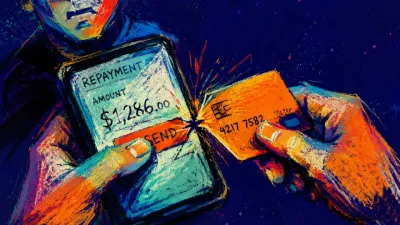
Kindness Debt Loop is the feeling that every generous moment comes with invisible fine print, even when no one has said you owe them anything. You get a thoughtful text, a coffee someone insisted on buying, a friend who waits for you after a hard day, and before the warmth can reach you, your mind starts counting: how fast do I reply, how big does my thank-you need to be, when do I pay this back, what happens if I forget? Your face knows how to smile, your mouth knows how to say "that's so kind," but your body is already bracing as if a soft gesture has put a quiet hand on your shoulder and turned you around. You want to receive it simply, like other people seem to, but the second care lands on you, it becomes a task, a balance to restore, a small alarm that says someone now has a claim on your time, your attention, your future availability. So you over-reply, over-give, offer the next drink before you've taken a sip of this one, make yourself easy, useful, pleasant, low-cost, hoping that if you repay fast enough you can enjoy the kindness without being trapped by it. The price is subtle: closeness starts to feel less like being held and more like being entered into a ledger, and you can end up surrounded by good people while still feeling privately cornered by every good thing they do for you, much like the figure on the Six of Pentacles, standing beneath the hand that gives, unable to tell whether the coin is a gift, a measure, or a debt about to be named.
What's pulling at you?
You're not uncomfortable with kindness because you don't appreciate it; you're caught between wanting to be cared for and needing to stay unclaimed. The moment someone gives you something, part of you reaches for connection while another part starts calculating the cost, and that split turns simple care into a loop you cannot quite exit.
How It Shows Up?
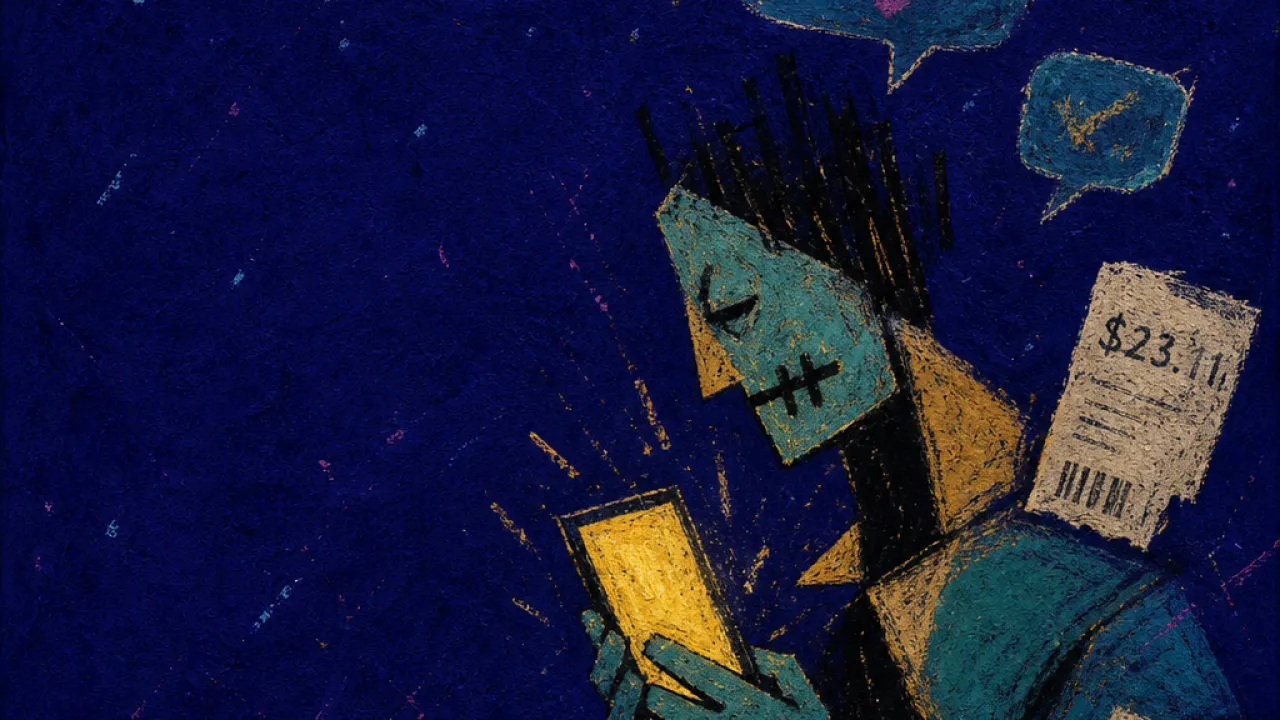
- You get a sweet message from a friend saying, "no pressure, just checking in," and your thumb freezes over the reply box because even low-pressure kindness feels like a tab opening somewhere. Your chest tightens, your shoulders pull forward, and you start drafting the warmest possible response so they know you noticed, appreciated it, and will somehow give something back. You can let the message sit for a bit without turning it into a receipt.
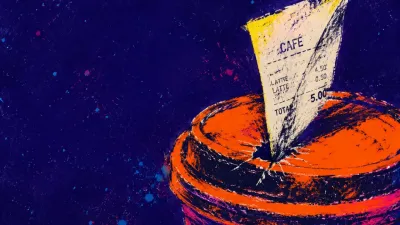
- Someone buys you coffee without making a big deal of it, and you smile too quickly, almost interrupting them with "I'll get the next one" before the cup is even in your hand. Your stomach flips, your face feels hot, and the small paper cup starts to feel heavier than it should, as if the Six of Pentacles scale has appeared between you. Receiving can be a moment, not an invoice.
- At work or school, a colleague covers a small task for you, and instead of feeling relieved, you begin scanning your calendar for the payback slot. Your jaw locks, your breathing gets shallow, and the help itself becomes another item on the list, tucked beside deadlines and unread emails. You can acknowledge the help without immediately turning your week into repayment logistics.
- In a group hangout, someone saves you a seat or backs up your point, and you spend the rest of the night trying to be extra funny, extra useful, extra easy to have around. Your cheeks ache from smiling, your ribs feel tight under your shirt, and you keep checking the room for signs that the balance has shifted. It is allowed to belong in a moment without performing the cost of entry.
- Late at night, you replay every favor from the week like a private ledger: who texted first, who paid, who listened, who waited, who gave you more than you gave them. Your neck is stiff, your eyes sting, and the phone screen glows beside you like a tiny coin on dark cloth. You can close the mental ledger for tonight, even if every line is not perfectly even.
Kindness Debt Loop in Tarot Cards
The Kindness Debt Loop lives in that instant when a kind text, a saved seat, or a coffee you did not pay for starts to feel like a balance sheet. Your chest tightens, your jaw locks, and even relief becomes something you have to organize. From an existential perspective, the structural framework here is about being caught between wanting care and fearing the invisible terms attached to it. The Tarot Cards below make that shape visible without turning it into a verdict.
Kindness Debt Loop in Tarot Card Reading Insights
When kindness starts to feel like a tab you have to close, many people bring that exact tension into readings. The focus shifts from the cards themselves to what happens when someone asks about receiving, owing, and staying free inside connection. Tarot Reading Insights from sessions on this pattern.

After Work, One Reopened Thread, and the No That Stayed Clean
Topic:Friendship Tarot Reading
Struggle:Autonomy Guilt Bind
Context:Emotional Blackmail Cycle

After Mom's 'I'm Sorry' Lands Cold: Freeze, Grief, and a Safer Pace
Topic:Family Tarot Reading
Struggle:Relational Boundary Drift
Context:Family Script Pressure

On Line 1, a Car Offer Landed—and the Ask Stopped Apologizing
Topic:Introspection Tarot Reading
Struggle:Vulnerability Containment Strain
Context:Care Reciprocity Test

When Care Feels Like Debt: Learning to Stay in the Warmth
Topic:Love Tarot Reading
Struggle:Nourishment Rejection
Context:Care Reciprocity Test