When Silence Costs More

Trace the body charge of direct honesty through related tarot cards and tarot card reading insights from charged sessions.

Confrontational Courage
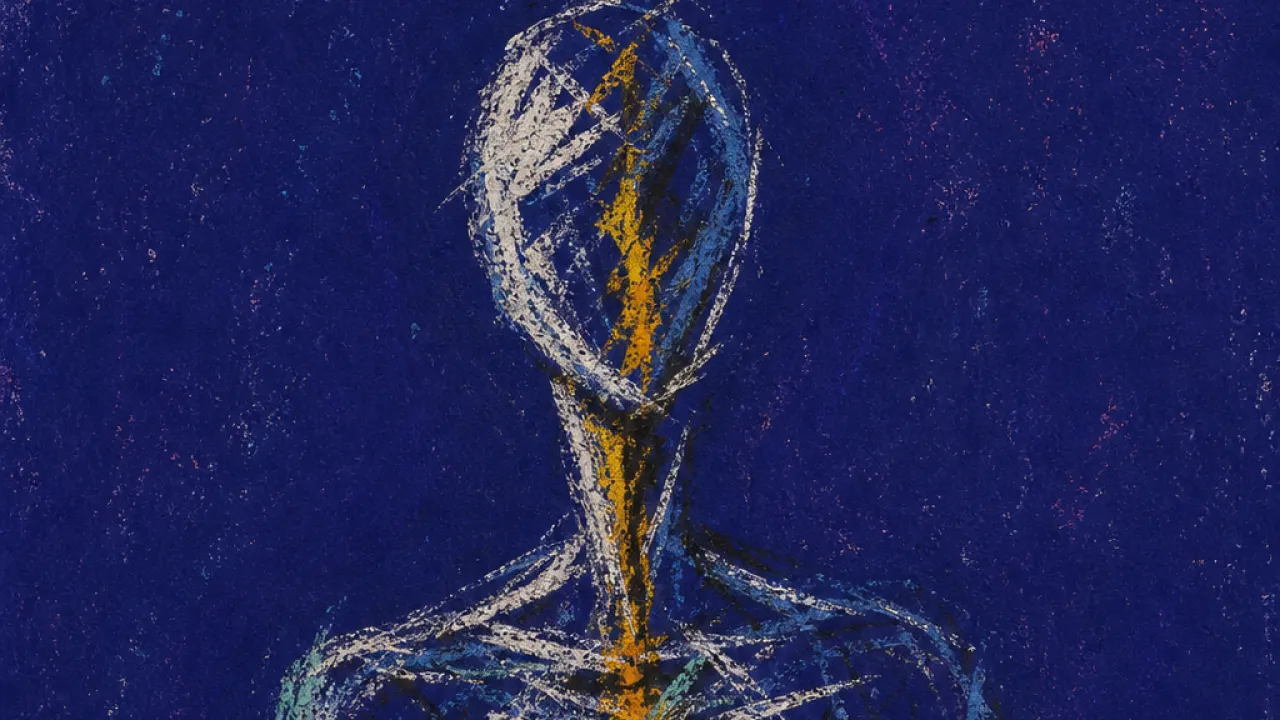
What does this feel like?

Confrontational Courage: you feel it before you say anything, when the jaw sets, the throat goes dry, and a hot line wakes up behind your ribs, as if your whole body has become the edge of a sentence. It does not feel smooth or fearless; it feels tight, bright, and exposed, like standing in a room where every softening habit has suddenly run out of floor. You may still want to delay, to make it gentler, to explain around the hard part until no one has to feel the point of it, but something in you keeps pressing forward with a clean, almost breathless force. Your shoulders square before your mind has fully caught up, your hands feel alert, and the familiar thought keeps flickering: maybe I should wait, maybe I should make this easier, maybe I can say it without being seen. Then another quieter sentence rises underneath: if I keep smoothing this away, I lose contact with myself. Confrontational Courage is that charged moment when honesty stops being an idea and becomes a body stance, much like the figure on the Seven of Wands, feet planted on rough high ground, gripping one wand as pressure rises from below.

Why you're feeling this?

Confrontational Courage makes sense when silence starts to feel heavier than the sentence you need to say. It is not cruelty or drama; it is the body gathering enough force to stay visible while something difficult is named. You are not wrong for feeling charged before you speak.

Confrontational Courage in Tarot Cards

That hot line behind your ribs, the dry throat, the jaw setting before words arrive: Confrontational Courage has a body before it has a sentence. It is a universal emotional experience: the charged point where hiding starts to feel less honest than direct contact. Tarot can mirror that stance without making it softer or louder. These are the Tarot Cards that tend to show up around Confrontational Courage.

Knight of Swords Upright
Fully armored and driving into the wind, the knight does not wait for the road to become gentle before raising the sword. The horse, blade, and rider form one pressure line aimed at an unseen obstacle, while the armor keeps the body coherent inside the force of the charge. Confrontational Courage shows up in personal growth when the part of you that usually delays, softens, or over-explains finally meets a limiting belief directly. The card does not glamorize aggression; it makes visible the emotional force required to stop negotiating with a barrier that has been quietly shaping your choices.
King of Swords Upright
The King of Swords faces forward with the blade raised, giving the scene the feeling of speech that has been sharpened before it leaves the mouth. His stern gaze and upright seat do not look impulsive; they look prepared, as if the body has decided it can withstand the consequence of naming the issue. In family dynamics, this visual stance translates into the courage required to say the direct thing in a room trained to avoid it. The crown and throne matter because the confrontation is not chaotic discharge; it comes from an internal seat of authority that refuses to make emotional comfort the highest priority. Confrontational Courage appears when clarity becomes stronger than the fear of being difficult. The card holds the moment before the sentence lands, where you can feel the old pressure to soften yourself and still choose the cleaner truth.
Five of Wands Upright
Arms extend outward instead of folding in, and every wand is lifted into contact with the shared field. The figures are mismatched and uncoordinated, yet they remain upright, visible, and fully engaged on ground that still gives them traction. This is the active kind of self-honesty that does not wait for perfect serenity before looking inward. You are meeting the rough material directly, letting inner contradictions become visible enough to be audited rather than leaving them to operate as background pressure.
Seven of Wands Upright
The young man’s wand cuts diagonally across six rising wands, and his feet hold the rough high ground instead of retreating from it. The image turns pressure into contact: force meets force, and the body discovers that resistance can be organized rather than chaotic. In personal growth, that structure mirrors the moment when you stop treating every challenge as proof that you should shrink. Confrontational Courage is the charged feeling of being willing to meet your own limiting beliefs head-on, not because the pressure is comfortable, but because your position finally feels worth defending.
Page of Wands Upright
The Page lifts his head above the wand as if a message is about to leave the body. His hands keep the staff upright, turning raw fire into a formal line of speech rather than a scattered burst. Confrontational Courage appears here as the moment before a family truth is spoken. The card does not show aggression; it shows the physical discipline required to let a position become audible when silence has been the easier survival shape. For you, the courage is not loudness. It is the willingness to let your adult voice stand in the room, even while the body still remembers how quickly family conversations can pull you back into old scripts.
Queen of Wands Upright
The lions carved into the throne, the upright wand, and the Queen's open seated stance create an image of heat that has learned form. Nothing in the card hides from the viewer, yet the figure is not lunging forward; the force is contained inside posture, symbol, and perimeter. That is the exact emotional architecture of Confrontational Courage in a family system. You are not seeking a fight for its own sake, but the old reflex to soften, flatter, or disappear no longer controls the whole scene. The card makes courage feel physically organized. You can face the charged conversation, name the pressure, and remain in your adult body without letting the family's intensity define the limits of your voice.
King of Wands Upright
The slight forward lean of the King of Wands matters because the body is already moving toward engagement while still seated in command. The gaze reaches outward, the wand stays grounded, and the lions behind him hold the heat in a recognizable form. In family conflict, that posture describes the moment before a hard truth is spoken. You may not feel fearless, but the card shows courage as directed heat: the capacity to stay present with a parent, sibling, or elder without handing your voice back to the old hierarchy. Confrontational Courage does not glamorize conflict. It names the inner charge that appears when silence has become more expensive than clear contact.

Confrontational Courage in Tarot Card Reading Insights

For anyone who has felt Confrontational Courage as heat behind the ribs and a dry throat before speaking, others have brought that charge into readings too. The shift from cards to readings shows how this feeling can sit in a spread when directness is no longer avoidable. Tarot Reading Insights from sessions shaped by Confrontational Courage.


Psychological emtions related to Confrontational Courage