Why Does My Boundary Need Comfort?

Explore the pressure after setting a limit, related tarot cards, and tarot reading insights from similar boundary dynamics.

Post-boundary Reassurance Loop
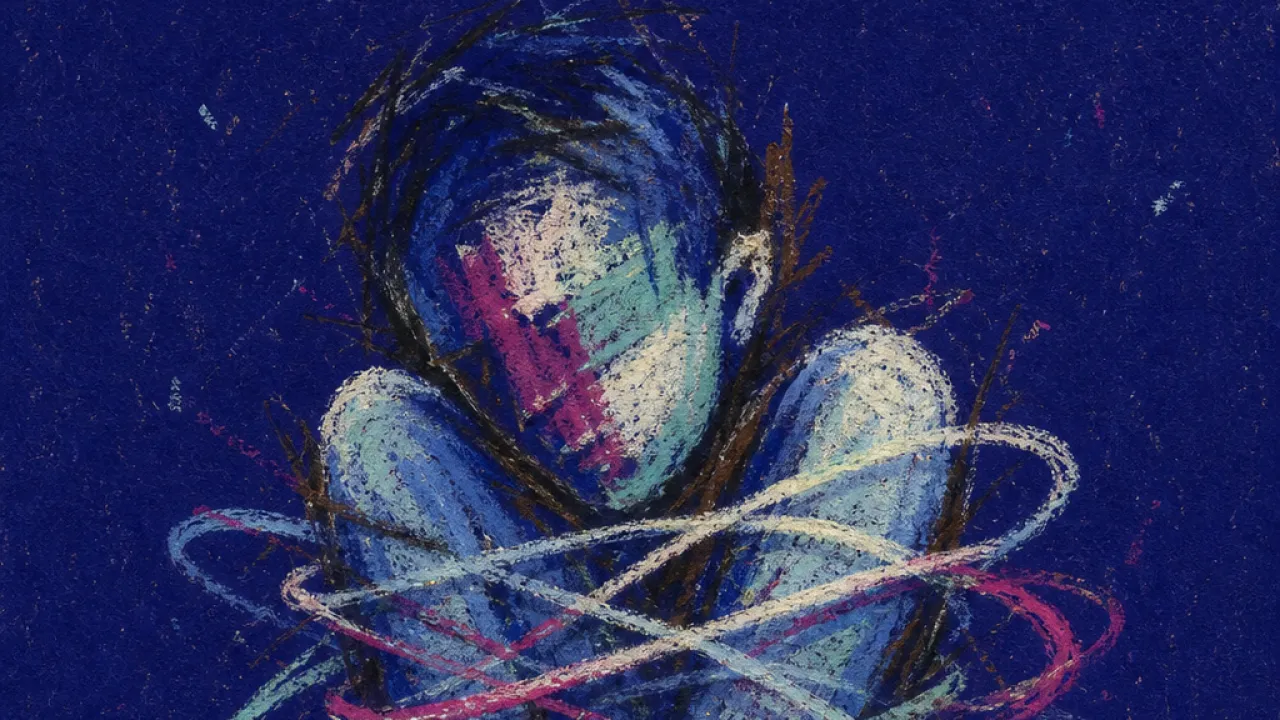
A solitary figure with raised shoulders wrapped in glowing message threads that tighten around a drawn boundary line

What is this situation?

Post-Boundary Reassurance Loop — you finally say the thing clearly: you can't reply that late, you need the weekend offline, you don't want to discuss that topic again, or you need someone to stop making comments that leave you shrinking in the room. For a moment, the boundary seems simple, almost practical, but then the other person comes back with a softer kind of pressure: "Are you mad at me?" "I just need to know we're okay." "I feel like you're shutting me out." The focus slides away from what they did and lands on whether you can make them feel settled. You find yourself typing three versions of the same message, adding warmth to every sentence, smoothing the edges, proving you are not cruel, cold, dramatic, or abandoning anyone. The day keeps getting interrupted by follow-ups, heart emojis, long voice notes, sudden check-ins, and careful little tests of whether your limit still has a door in it. The power dynamic is quiet but persistent: they may not openly reject the boundary, but they make the cost of keeping it high enough that you start doing extra emotional admin just to avoid another round. Your shoulders lift when the phone lights up, your chest tightens before you open the thread, and the original need for space becomes another task on your list. By the end, you are no longer just holding a boundary; you are holding their reaction to it too, much like the figure on the Eight of Swords, standing still inside a narrow ring of blades after the space around them has been made smaller.

Why it's not you?

The problem is not that your boundary was too harsh or that you failed to explain it perfectly. The problem is the repeated demand for reassurance after the boundary has already been stated. When someone turns your limit into a request for ongoing comfort, the pressure belongs to that interaction, not to your character.

Post-boundary Reassurance Loop in Tarot Cards

In the Post-Boundary Reassurance Loop, the pressure starts after you have already stated a limit and the conversation keeps pulling you back to comfort the person who crossed it. That tight lift in your shoulders and the split-second scan of every notification are not separate from the situation; they are part of how the environment keeps asking for more access. This is an environmental and structural dynamic, not a measure of how kind or available you are. The Tarot Cards below reflect the shape of that narrowing space and the repeated pull to explain yourself again.

Justice
Reversed
The sword and scales lose their stable arrangement in reversal, evoking a family hearing where the standard of fairness changes once a limit is introduced. The unwanted comment, intrusive question, or access expectation moves out of focus while relatives examine whether your tone was respectful enough or whether the boundary proves you are withdrawing from the family. You may be required to establish care, gratitude, and loyalty before the practical limit is considered legitimate. Reversed Justice names the structural imbalance without moralising it: the family system gives more evidentiary weight to collective discomfort than to the cost imposed on the person requesting space.
The Devil
Upright
Loose collars connect two figures to a shared pedestal, making the attachment visible without presenting it as physically irreversible. The image maps the learned equation beneath the reassurance loop: connection is preserved by providing access, while another person's discomfort is treated as evidence that the boundary should be softened. You may be trying to practise a newer model in which care can coexist with limits, but repeated check-ins reactivate the older rule that safety depends on immediate soothing. The visible chains make that rule available for examination as a social contract rather than a fact about what healthy connection must require.
Six of Pentacles
Reversed
A standing figure controls both the scales and the distribution of coins, while two others wait below; reversal makes the apparent exchange conditional and uneven. In a family system, reassurance can operate like a required payment: your time and emotional clarity are distributed until relatives feel settled, while your request for privacy receives less material support. You may be expected to keep giving warmth, context, and proof of loyalty because the family treats its discomfort as a shared priority. The reversed scales reveal that the issue is not a lack of generosity; it is an allocation rule that repeatedly funds family reassurance by drawing down the boundary-setter's resources.
Two of Swords
Upright
A blindfolded figure holds two swords in a rigid cross while rocky water and a thin moon sit behind her. The crossed blades give physical form to the false binary created by the loop: preserve the boundary and risk being framed as rejecting, or restore harmony by reopening access. You may appear to be choosing between care and firmness, but both swords are being held inside a decision frame shaped by someone else's repeated need for reassurance. The still posture exposes why the choice keeps stalling: each new check-in revives the same two-option conflict instead of allowing the already stated decision to stand.
Four of Swords
Reversed
A resting figure lies beneath three suspended swords while a fourth remains close at hand, but reversal prevents the chamber from becoming a completed pause. The arrangement resembles a cooling-off period that keeps being interrupted because the unresolved communication channel remains positioned above the person trying to disengage. You may have chosen a reasonable response window or requested time before continuing the conversation, yet the follow-ups compress that interval until waiting feels socially unsafe. The reversed image makes the timing problem concrete: the pause exists on the calendar, but repeated bids for reassurance stop it from becoming a usable cycle of rest and reset.
Eight of Swords
Upright
A blindfold and loose bindings limit the figure's access to movement while the eight swords make the surrounding constraints easy to count. The scene maps a cognitive system that treats each external reaction as a separate reason the boundary may be illegitimate, even though the physical gaps show that those reasons do not form a complete wall. You may understand boundaries conceptually while still acting as if another person's unsettled feelings cancel them in practice. The card makes the vision-to-practice gap concrete: the available path becomes usable only when social predictions, inherited labels, and factual limits are no longer processed as the same kind of evidence.
Nine of Swords
Upright
A person sits upright in bed with their face covered while nine swords form a dense horizontal wall above them. The private night scene mirrors the afterlife of a boundary thread: the phone may be quiet, but remembered wording, unread follow-ups, and imagined accusations continue to occupy mental space. You may replay whether you sounded harsh or anticipate the next reassurance request long after the practical conversation has paused. The patterned quilt and fixed swords locate the strain in repetitive cognitive processing, showing how an external interaction becomes internal overnight workload without proving that the original limit was wrong.
Seven of Wands
Upright
A figure uses one wand to hold a visible position against six separate pressures, with mismatched footwear suggesting action taken before conditions feel perfectly organised. The image captures the practice stage of cognitive change: a newer boundary framework must remain operational while old relational expectations approach from several directions. You may not feel fully composed each time the limit is tested, yet the elevated ground shows that imperfect delivery does not erase the position itself. The card reframes growth as the capacity to keep one coherent standard visible under repeated pressure, rather than the ability to eliminate everyone else's discomfort before the standard counts.
Nine of Wands
Upright
A bandaged figure grips a wand and watches the approach line while eight other wands maintain a perimeter behind him. The scene resembles a family boundary that has survived several rounds of explanation but still cannot be left unattended. You may scan each family message for another appeal to guilt, another concern-coded question, or another attempt to recruit you into reassurance. The card gives form to accumulated vigilance: the limit remains standing, yet the family system has made its continued existence dependent on your readiness to defend it again.
Ten of Wands
Upright
A figure carries ten wands in a single obstructive bundle toward a visible town, taking responsibility for the entire load. In a family system, the bundle resembles the practical boundary, relatives' reactions, explanations of your motives, proof of gratitude, and responsibility for keeping family harmony intact. You may be assigned both autonomy and the work of making that autonomy painless for everyone else. The card exposes the contradiction through concentrated weight: the family acknowledges your right to set the limit while transferring the full emotional cost of implementing it back onto you.

Post-boundary Reassurance Loop in Tarot Card Reading Insights

When a Post-Boundary Reassurance Loop turns a clear limit into another round of checking, apologizing, and managing someone else's reaction, people often bring that exact pattern into readings. The shift from cards to readings shows how this situation appears when someone sits with the repeated demand to prove that the relationship is still okay. Tarot Reading Insights from related sessions are listed below.

From Family Chat Anxiety to One Consent-Based Invitation After a Pause

From Family Chat Anxiety to One Consent-Based Invitation After a Pause

Topic:Timing Tarot Reading

Struggle:Relational Pacing Collapse

Context:Family Boundary Negotiation

Warm Contact Changed the Feeling—Not the Dealbreaker Fact

Warm Contact Changed the Feeling—Not the Dealbreaker Fact

Topic:Choice Tarot Reading

Struggle:Relational Boundary Drift

Context:Commitment Cliff Edge

Editing the Dealbreaker at 11:40 p.m.: From Exceptions to Action

Editing the Dealbreaker at 11:40 p.m.: From Exceptions to Action

Topic:Choice Tarot Reading

Struggle:Relational Boundary Drift

Context:Dealbreaker Reveal

Going Back Despite a Values Mismatch: Evidence Before the Next Reply

Going Back Despite a Values Mismatch: Evidence Before the Next Reply

Topic:Love Tarot Reading

Struggle:Value-Desire Split

Context:Values Alignment Crossroads

Three Messages After One Clear No—And the Ten-Second Pause That Held

Three Messages After One Clear No—And the Ten-Second Pause That Held

Topic:Friendship Tarot Reading

Struggle:Boundary Collapse

Context:Friendship Boundary Creep

Close Friend Asks for Space: Rejection Fear Moves Toward Measured Care

Close Friend Asks for Space: Rejection Fear Moves Toward Measured Care

Topic:Friendship Tarot Reading

Struggle:All-or-Nothing Belonging

Context:Friendship Boundary Reset

Intense Chemistry Made the Red Flag Look Smaller, Then the Note Stayed

Intense Chemistry Made the Red Flag Look Smaller, Then the Note Stayed

Topic:Love Tarot Reading

Struggle:Relational Pacing Collapse

Context:Ignored Red Flags

Lonely Silence Broke No Contact; the Draft Held the Feeling First

Lonely Silence Broke No Contact; the Draft Held the Feeling First

Topic:Love Tarot Reading

Struggle:Boundary Ambiguity Lock

Context:Post-Breakup No Contact

Reopening the Thread After 'We're Fine': From Alarm to Self-Trust

Reopening the Thread After 'We're Fine': From Alarm to Self-Trust

Topic:Love Tarot Reading

Struggle:All-or-Nothing Belonging

Context:Secure Attachment Rehearsal

When Guilt Felt Like Ethics: Relearning What a Closed Door Means

When Guilt Felt Like Ethics: Relearning What a Closed Door Means

Topic:Family Tarot Reading

Struggle:Autonomy Guilt Bind

Context:Always On Availability

Typing Bubbles Vanish After 'I Can't Tonight'—Staying Steady in the Gap

Typing Bubbles Vanish After 'I Can't Tonight'—Staying Steady in the Gap

Topic:Introspection Tarot Reading

Struggle:Boundary Control Strain

Context:Silent Evaluation Period

From Boundary Guilt to Calm Follow-Through: Unlearning the Repair-Meme Reflex

From Boundary Guilt to Calm Follow-Through: Unlearning the Repair-Meme Reflex

Topic:Friendship Tarot Reading

Struggle:Reciprocity Deficit

Context:Direct Communication Trial

Psychological Contexts Related to Post-boundary Reassurance Loop