When the Card Declines

Explore the exposed payment moment, related tarot cards, and tarot reading insights from sessions about checkout pressure and access delays.

Declined Card Exposure
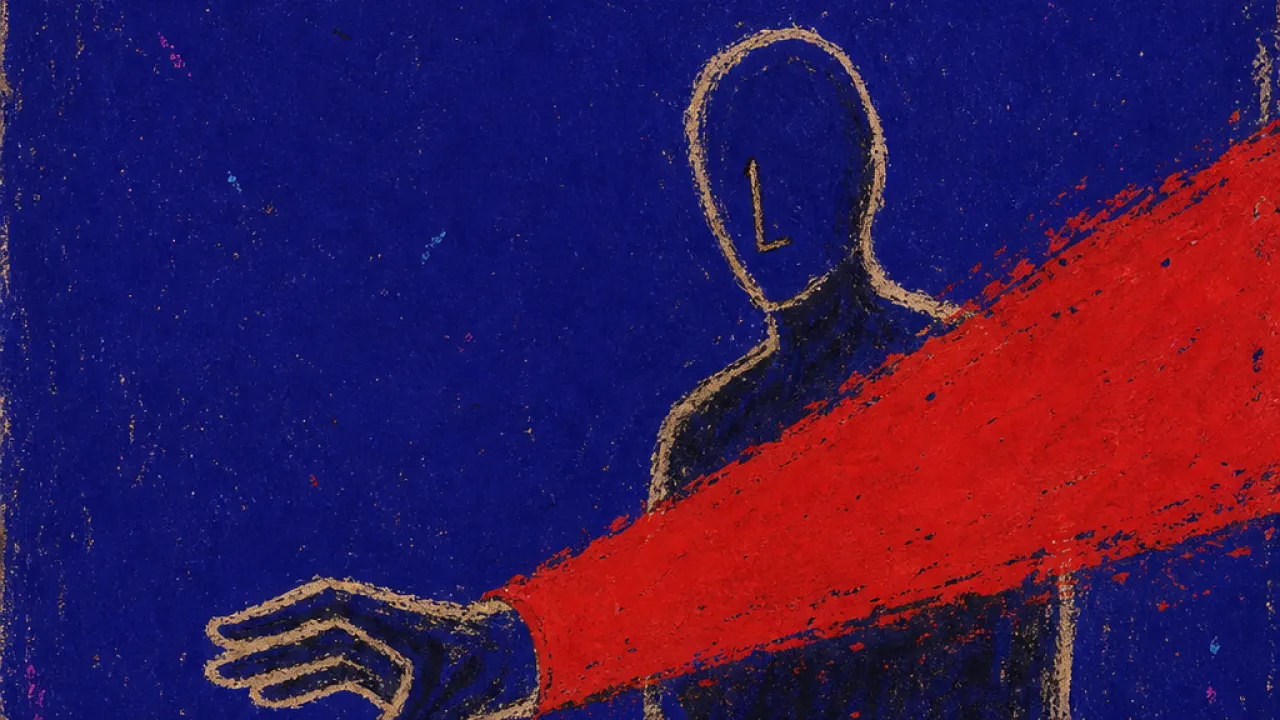
A solitary figure holds a card over a terminal as red light forms a barrier across their chest in deep indigo space

What is this situation?

Declined Card Exposure — you reach the front of the line, tap your card, and the terminal flashes a message that feels much louder than the small beep it makes. Maybe it happens at a grocery store with people waiting behind you, at a bar when the server comes back with the receipt still unsigned, or on your phone when an app says a payment failed and locks you out until you update the billing details. The moment is usually brief, but the setup around it makes it feel public: the cashier asks if you want to try another card, the person beside you looks down at the counter, the screen keeps showing the same plain refusal, and suddenly a private money detail has been pulled into shared air. You might know the reason is timing, a pending deposit, a bank hold, a subscription retry, a spending limit, or a card that should have worked but did not; the system does not explain any of that in the moment. It just says declined, and everyone has to wait while you improvise. The power sits with the terminal, the app, the merchant policy, the bank authorization, the queue behind you, and the social script that expects you to stay calm while access is paused in front of other people. Afterward, the moment follows you into small choices: checking your balance before every tap, avoiding places where splitting a bill could get awkward, keeping backup cards in a specific order, rehearsing what you will say if it happens again, or letting a cart sit online because the payment screen has started to feel like a checkpoint. The exhausting part is not only the payment failure; it is the way a machine can expose your margin without context, much like the two figures on the Five of Pentacles moving past a lit window while the warmth and certainty stay on the other side.

Why it's not you?

A declined payment is not a character assessment; it is a system turning private constraints into a visible moment. Bank timing, authorization holds, merchant rules, failed retries, and checkout scripts can make a routine transaction feel like a public gate. The exposure belongs to the payment setup and the social pressure around it, not to your worth.

Declined Card Exposure in Tarot Cards

Declined Card Exposure turns a private money constraint into a public interaction, with the checkout screen, cashier, queue, or app deciding when your access stops. That heat in your neck when the terminal beeps is not random; it comes from being made visible at the exact point where the system says no. This is an environmental, structural dynamic, built into payment systems and social scripts that make a declined transaction feel like a judgment. The Tarot Cards below reflect the outline of that exposed threshold without telling you what you should do next.

The Hanged Man
Upright
A figure hangs upside down by one ankle from a wooden frame, with the free leg bent and a halo around the head. The suspension mirrors a payment authorization hold or app lockout: access is neither moving forward nor fully explained, while your transaction remains dependent on a bank, merchant, or billing system operating on its own clock. The upright figure's composed expression and illuminated head make the pause observable even though it cannot be forced open from his position. You can read the delay as a temporary system state with identifiable layers, separating the bank's timing, the merchant's rule, and the social pressure of waiting from a personal failure to make the transaction move.
Two of Pentacles
Reversed
The paired pentacles, looping ribbon, and ships moving across uneven waves depict several cycles that must be coordinated at once. Reversed, the image captures a payment decline caused not by an absolute absence of money but by asynchronous systems: a deposit is pending, a hold has not cleared, a retry lands early, or a spending limit resets later than the purchase requires. The inverted rhythm clarifies why waiting and acting can both carry social cost when the terminal provides no useful timeline. You can locate the bottleneck between institutional clocks rather than treating the exposed moment as proof that you misread your entire financial position.
Four of Pentacles
Upright
A seated figure presses one pentacle to the chest, pins two beneath the feet, and carries another above the head while the city remains behind him. The bodily grip makes financial control into a full-time posture, closely matching the routines that can follow a public decline: checking before every tap, arranging backup cards, avoiding uncertain checkouts, and keeping spending options tightly contained. The upright figure does possess the coins, so the image distinguishes resource protection from total resource absence. You can examine whether each protective routine preserves practical continuity or whether the memory of exposure has turned every payment into a test that requires constant vigilance.
Five of Pentacles
Upright
Five pentacles shine in a window above two figures whose position outside makes material limitation look like a social identity. A declined terminal can produce the same cognitive compression, turning a narrow authorization result into a much larger story about competence, adulthood, or personal worth. The upright image keeps the resource window visible and the figures in motion, preventing the outside position from becoming a fixed identity. You can examine the equation between payment access and self-value as a learned social script, while the card preserves a more accurate distinction between who you are and what one financial system allowed at one checkpoint.
Eight of Swords
Upright
A blindfolded, bound figure stands on wet ground inside a partial enclosure of upright swords, with a distant stronghold beyond her position. The image captures the checkout freeze precisely: the terminal withholds explanation, merchant and bank rules form the surrounding barriers, and the waiting line intensifies the sense that no socially graceful move is available. The swords do not form a completely sealed wall, leaving visible space within the upright scene even while the immediate restriction is real. You can separate the imposed payment gate from the pressure to perform effortless recovery, making the available next moves easier to see without pretending that the public interruption was insignificant.
Nine of Swords
Upright
A person sits upright in bed with their face covered while nine swords hang across the dark wall above them. The checkout has disappeared from the room, but its sharpest details remain mentally present, mirroring the way a short public decline can return later as replayed beeps, imagined queues, rehearsed explanations, and anticipation of the next tap. The swords remain mounted on the wall rather than physically piercing the figure, and the bed and patterned quilt still hold the body. The upright image lets you recognise the replay as a real aftereffect of exposure while distinguishing remembered social threat from a payment barrier that is actively occurring now.

Declined Card Exposure in Tarot Card Reading Insights

Declined Card Exposure is the kind of moment people bring into readings when a payment screen, checkout counter, or retry notice has made private pressure suddenly visible. These readings turn from the cards themselves toward what people noticed when they sat with that exposure. Tarot Reading Insights from sessions involving this kind of public financial friction.
Psychological Contexts Related to Declined Card Exposure