Tracked Until You're Tired

Explore the pressure of living by scores, the tarot cards that mirror it, and readings shaped by tracked routines.

Quantified Self Burnout

A bent solitary figure surrounded by glowing charts and wearable rings, numbers pressing into the body in deep indigo space

What is this situation?

Quantified Self Burnout — you wake up and the first thing waiting for you is a number: sleep score, recovery score, resting heart rate, screen time, calories, steps, streaks, focus minutes. Before you've spoken to anyone, your phone and watch have already produced a report on how well you existed overnight. You open one app to see whether you slept enough, another to log what you ate, another to check whether yesterday's workout was productive, another to keep a habit streak alive, and suddenly your morning has turned into a performance review. The tools started out helpful, maybe even calming: a way to understand your body, get organized, feel more in control. But over time, the dashboard expands. A low number can make the whole day feel like it has started from behind. A missed walk, an unlogged meal, a broken streak, or a red recovery ring becomes evidence on a screen that something has slipped. Friends ask how you are and you catch yourself answering with data. Rest stops feeling like rest if it doesn't improve a metric. Food becomes a line item. Movement becomes output. Even sleep becomes a task you can fail. The pressure doesn't always come from one person; it comes from a whole ecosystem of reminders, comparisons, charts, weekly summaries, and tiny alerts that keep asking you to optimize the parts of life that used to be allowed to happen. By the end of the day, you're not just tired from doing things — you're tired from being measured while doing them, much like the figure on the Eight of Pentacles, bent over one more disk in a long row of finished ones, still working because the next measure is already waiting.

Why it's not you?

The problem is not that you lack discipline or that you are using the tools wrong. The problem is that these systems can turn care, rest, movement, food, and attention into a constant audit. When every ordinary choice is translated into a score, the pressure belongs to the measuring environment, not to some personal failure in you.

Quantified Self Burnout in Tarot Cards

Quantified Self Burnout turns ordinary routines into a constant check-in with numbers that seem to know more about your day than you do. The tightness that starts before you even get out of bed, when the sleep score is already waiting, is part of an environmental, structural dynamic built through apps, wearables, streaks, dashboards, and automated nudges. These cards do not judge whether tracking is good or bad; they reflect what happens when the measurement system starts taking up too much room. Here are the Tarot Cards that tend to mirror this kind of situation.

The Chariot
Reversed
The armored driver stands beneath a controlled canopy, the black and white sphinxes pull in opposing directions, and no visible reins connect his hands to the forces moving the vehicle. Reversed, the equipment of control remains elaborate while actual steering becomes uncertain, mirroring a dashboard that produces more commands without clarifying where life is meant to go. You may have adopted metrics to become more self-directed, then found your priorities increasingly set by recovery rings, app targets, and alert thresholds. The developmental paradox is that more control technology can produce less authorship. The card reveals the difference between managing indicators and choosing a direction that those indicators are supposed to serve.
Wheel of Fortune
Reversed
The large inscribed wheel, the figures rising and descending around its rim, and the four fixed witnesses in the corners create a cycle that keeps turning while every position is observed. Reversed, the cycle feels less like neutral variation and more like repeated capture by daily scores, weekly summaries, red rings, and streak resets. You may wake into a new reporting cycle before the previous one has emotionally closed, allowing one low number to define the hours that follow. The timing problem is not that your body varies; variation is ordinary. The pressure comes from a platform rhythm that converts every fluctuation into an urgent signal and denies the cycle any genuinely unmeasured phase.
Justice
Reversed
The scales reduce a complex situation to a comparison, the sword converts that comparison into a decision, and the seated judge gives the result institutional weight. Reversed, the process confuses measurement precision with truth, allowing a clean number to conceal everything excluded from the model. You may begin treating sleep quality, movement, food, or attention as real only after an app has validated them. The cognitive upgrade required by the situation is not another metric but a clearer distinction between data, interpretation, and value. The card exposes where a useful proxy has been granted authority it cannot responsibly hold.
The Devil
Upright
The horned authority on the pedestal, the two chained figures, and the inverted torch establish a hierarchy in which the system defines the terms of participation. Applied to quantified self-culture, the dashboard becomes more than a tool when its categories begin defining what qualifies as discipline, health, recovery, or legitimate rest. You may have started tracking to gain useful agency, then found that agency narrowed into obedience to whatever the device can count. The developmental conflict lies between self-knowledge and metric compliance. The card makes visible how an optimization system can present submission to its rules as personal mastery.
Judgement
Reversed
The trumpet calls every figure to rise, the open containers expose them to review, and the distant mountains frame the event as a comprehensive reckoning. Reversed, repeated evaluation fails to produce a coherent new understanding; each report simply reactivates the same question of whether your performance was acceptable. You may allow missing a goal or breaking a streak to revise your view of who you are, even though the event concerns one behavior inside one reporting period. The growth bottleneck is a category error between review and identity. The card names how quantified feedback can become self-definition when the system provides judgment more readily than context.
Two of Pentacles
Reversed
The two pentacles caught inside an infinity-shaped cord, the juggler's continuous motion, and the ships rising and falling behind him show a system that demands constant adjustment while the environment remains unstable. Reversed, the loop becomes a load-management failure: each app may look manageable on its own, but together they turn the day into nonstop switching and reconciliation. You may move from sleep score to meal log, from step count to focus timer, and from workout data to screen-time review without reaching a settled picture of how you are actually doing. The overload comes from maintaining parallel measurement systems with competing definitions of success, not from failing to organize yourself efficiently enough.
Seven of Pentacles
Reversed
The worker paused beside the pentacle-bearing vine, his weight resting on the tool, and the separated pentacle at ground level create a scene of waiting for evidence that effort has paid off. Reversed, the pause is no longer reflective; it becomes repeated checking before the underlying process has had enough time to develop. You may compare this week's recovery, weight, focus, or activity data with last week's and feel pressured to intervene immediately when the trend is flat. The timing bottleneck comes from dashboard cadence overtaking real-world cadence. Frequent measurement creates more moments of judgment without necessarily creating more meaningful information.
Eight of Pentacles
Reversed
The repeated pentacles, the worker focused narrowly on the next unit, and the distant town show a practice becoming increasingly absorbed in its own production process. Reversed, refinement turns into optimization without integration: the score improves, the streak grows, or the log becomes more complete, but the person is no clearer about what the activity is ultimately for. You may become highly skilled at maintaining the tracking system while feeling less able to recognize rest, nourishment, focus, or movement without its confirmation. The growth gap lies between technical consistency and lived wisdom. The card distinguishes practicing a supportive behavior from perfecting the record of that behavior.
Four of Swords
Reversed
The still figure on the resting place, the three swords suspended overhead, and the fourth sword lying alongside the body define an interval in which action is deliberately paused. Reversed, the pause cannot complete its function because a score is already waiting at the other side of sleep, converting recovery into a deadline-bound test. You may try to time bedtime perfectly, chase an ideal sleep window, or treat one disrupted night as a reason to downgrade the following day. The resulting pressure is produced by a collision between biological rhythm and reporting rhythm: the body needs variable cycles, while the dashboard rewards consistency that real life cannot always provide.
Nine of Swords
Upright
The figure sitting upright in bed with hands covering the face, the nine swords arranged across the dark wall, and the patterned quilt below place evaluative pressure directly inside the sleep environment. Each sword resembles one more piece of information that remains mentally active after its practical usefulness has ended. You may know intellectually that a low recovery or sleep score is only one estimate, yet continue replaying it as evidence that the day has already gone wrong. The internal strain is being fed by an external reporting system that delivers decontextualized judgments at psychologically vulnerable moments, especially on waking and before bed.
Ten of Wands
Upright
The ten staffs fill the carrier's field of vision, bend his body forward, and leave the nearby town visible but difficult to reach. Each staff resembles one individually defensible responsibility, while their combined weight creates the burden: sleep, steps, calories, recovery, focus, hydration, screen time, and streak maintenance all compete to become mandatory. You may be doing many objectively reasonable things and still experience the day as an accumulating deficit. The card locates the exhaustion in the stack itself. A lifestyle assembled from too many simultaneous improvement contracts can remain unsustainable even when every separate target appears sensible.

Quantified Self Burnout in Tarot Card Reading Insights

When Quantified Self Burnout follows someone into a reading, the question often starts with the numbers: sleep scores, step counts, calories, streaks, productivity charts, and the feeling of being reviewed by them all. Others have brought this same tracked-and-measured pressure into readings, looking at what the cards surfaced around control, depletion, and clarity. Tarot Reading Insights from sessions shaped by this situation.
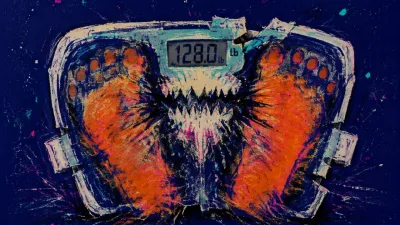
When Self-Tracking Became Self-Judgment: Separating Fact from Story

When Self-Tracking Became Self-Judgment: Separating Fact from Story

Topic:Personal Growth Tarot Reading

Struggle:Productivity Shame Bind

Context:Wellness Optimization Trap

Habit-Stack Overload: Letting One Journal Sentence Count Alone

Habit-Stack Overload: Letting One Journal Sentence Count Alone

Topic:Lifestyle Tarot Reading

Struggle:Social Accountability Tension

Context:Wellness Optimization Trap

Wellness Perfectionism: Keeping Structure Without Losing Aliveness

Wellness Perfectionism: Keeping Structure Without Losing Aliveness

Topic:Introspection Tarot Reading

Struggle:Willpower Dependence Trap

Context:Wellness Optimization Trap

When One Missed Day Becomes a Verdict: Returning Without Starting Over

When One Missed Day Becomes a Verdict: Returning Without Starting Over

Topic:Lifestyle Tarot Reading

Struggle:Capacity Misalignment

Context:Routine Collapse

Habit Tracker Guilt After One Miss—and Returning Without Redesign

Habit Tracker Guilt After One Miss—and Returning Without Redesign

Topic:Introspection Tarot Reading

Struggle:Grade-Identity Fusion

Context:Wellness Optimization Trap
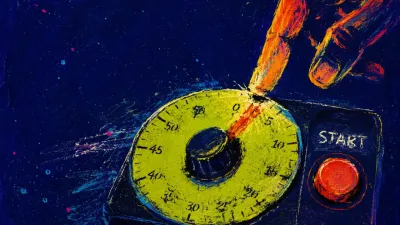
The

The "0 Days" Screen—And the Re-entry Rep After a Study Streak Reset

Topic:Study Tarot Reading

Struggle:Permission Paralysis

Context:Study Aesthetic Trap

The Vitamin Aisle Felt Like a Courtroom, Then the Five-Minute Timer

The Vitamin Aisle Felt Like a Courtroom, Then the Five-Minute Timer

Topic:Personal Growth Tarot Reading

Struggle:Inner Compass Overload

Context:Wellness Optimization Trap

Self-Checkout Number Shock—And How to Stop the Control Rebound

Self-Checkout Number Shock—And How to Stop the Control Rebound

Topic:Personal Growth Tarot Reading

Struggle:Control Lock

Context:Routine Reset Trial

The Zipper Stalled in the Fitting Room—and I Didn’t Cancel Plans

The Zipper Stalled in the Fitting Room—and I Didn’t Cancel Plans

Topic:Personal Growth Tarot Reading

Struggle:Belonging-Authenticity Split

Context:Algorithmic Comparison Loop

When Apple Watch Rings Feel Like Grades: Rebuilding a Calibrated Week

When Apple Watch Rings Feel Like Grades: Rebuilding a Calibrated Week

Topic:Personal Growth Tarot Reading

Struggle:Metric-Compass Fusion

Context:Routine Reset Trial

Psychological Contexts Related to Quantified Self Burnout