Explore the social pressure around changing your drinking habits, with related tarot cards and tarot reading insights from sessions.
Sober Curious Transition
What is this situation?
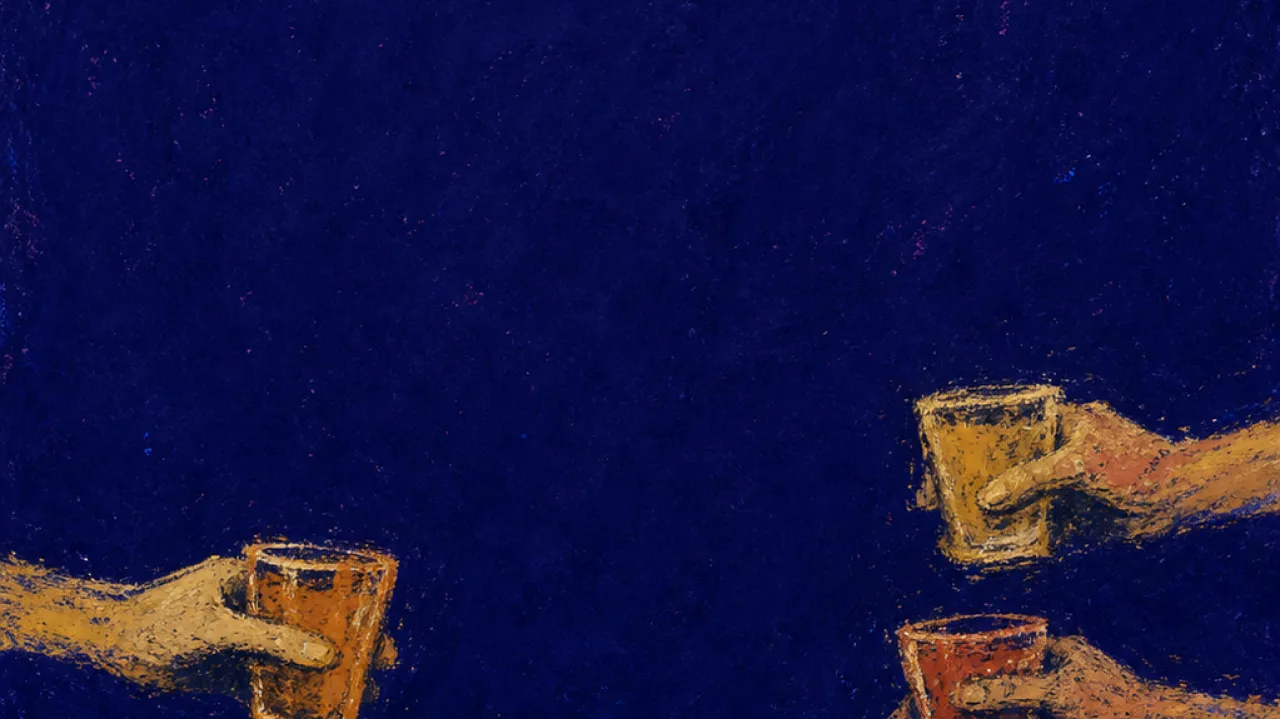
Sober Curious Transition — you enter a season where the usual social script starts to feel louder than the drink itself. It might begin with a group chat planning “just drinks,” a date suggesting cocktails before you’ve even met, a friend topping up your glass without asking, or a work happy hour where opting for soda water suddenly becomes a conversation. At first, you try to keep it casual: you say you’re taking a break, cutting back, seeing how you feel, not making it a big deal. But the room often makes it a big deal for you. Someone jokes that you’re “being good,” someone asks if something happened, someone acts awkward because your choice makes their own glass more visible, and suddenly a simple no becomes a social event. You notice how many plans are built around rounds, how many celebrations come with pressure to match everyone’s pace, how quickly people read your drink as a statement about them. The outside world keeps handing you cues: relax this way, bond this way, be easygoing this way, don’t change the rhythm. Over time, the transition is not only about what you do or don’t drink; it is about standing in rooms where the old ritual is still moving around you, holding your line without turning the whole night into a debate, much like the figure in the Four of Cups, arms folded while another cup is offered from somewhere else and no automatic reach follows.
Why it's not you?
The pressure is not coming from a flaw in your choice; it comes from a social setup that treats drinking as the default language for connection. When plans, jokes, dating norms, and workplace bonding all point toward the same glass, saying no or not tonight can become heavier than it should be. That weight belongs to the environment around the ritual, not to you.
Sober Curious Transition in Tarot Cards
In a Sober Curious Transition, the pressure often shows up in ordinary places: the group chat, the bar tab, the birthday dinner, the work happy hour, the date who assumes drinks are part of the plan. The tight smile, the lifted shoulders, and the pause before answering are not random; they come from an environmental, structural dynamic built around shared drinking as proof of ease, belonging, or fun. The Tarot Cards below reflect that social pressure, the offered cup, the exit from old routines, and the careful rebuilding of choice.
The central authority, mirrored followers, and crossed keys depict a complete system for deciding which practices count as proper and recognisable. Reversed, that system cannot easily validate a social identity that declines the established drinking ritual without adopting another fixed label. The obstructed route exposes a cognitive task beneath the public transition: inherited rules about fun, adulthood, confidence, and sociability may no longer organise experience accurately. You can name those rules as cultural conventions rather than objective requirements, even while external settings continue to reward them.
Two cups remain connected by a deliberate stream, while the figure stands between land and water and a path extends into the distance. The composition presents change as integration: the old equation of drinking with relaxation and belonging can be examined while new evidence accumulates through actual social experiences. The upright structure makes cognitive revision possible without demanding purity or a fixed label. You can recognise which parts of the ritual genuinely supported connection, which merely reduced friction through conformity, and which alternatives now carry those functions more accurately.
Loose chains connect two figures to the same pedestal, while the symbols attached to their bodies show how a repeated appetite can become embedded in a larger arrangement. The scene externalises the belief that relaxation, confidence, and belonging must all pass through alcohol before they become socially available. The upright system offers immediate rewards, which explains its durability without turning the pattern into a personal defect. You can examine who gains comfort when everyone drinks, which social costs appear when someone does not, and how the rule keeps reproducing itself through ordinary invitations and jokes.
Two people face each other with a cup in each hand beneath an entwined staff and winged lion, making mutual exchange the organising image. Reversed, that symmetry is obstructed when a date or partner assumes cocktails are the required container for chemistry and treats your different preference as a disruption. The blocked path is not romance itself but reciprocity around how the encounter is structured. You can see whether both people’s comfort and pacing are included, or whether one person expects connection to occur only through the familiar drinking script.
Three companions hold their cups at the centre of the friendship scene, making the shared toast the visible mechanism of togetherness. Reversed, the ritual starts to crowd out reciprocity: a friend may push another round, refill without asking, or read your different choice as criticism of theirs. The inverted circle shows friendship access becoming less secure when you no longer reproduce its familiar performance. You can see whether the relationship contains other forms of attention and shared experience, or whether closeness has been overconcentrated in drinking together.
Three familiar cups sit between the figure and the social world while another is offered without being requested. The arrangement resembles a friendship pattern in which the same bars, rounds, and automatic refills keep returning because they have become shorthand for closeness. The upright refusal is quiet rather than combative, preserving the possibility of connection on revised terms. You can observe which friends adapt the plan, respect an unembellished no, or remain engaged after the drinking ritual stops doing the relational work for them.
A cloaked figure turns from eight carefully arranged cups and walks toward uneven mountains under a darkened moon. The cups are not depicted as worthless; they represent a familiar social structure that has been substantial, available, and still insufficient as a long-term direction. The upright path is physically open even though its destination is not fully mapped. You can move away from alcohol-centred belonging as the organising principle of your social life without needing to dismiss every friendship, venue, or memory formed within it.
Six wands rise toward one person who is already using both hands to hold their position. The imbalance reflects a friendship gathering where jokes, refills, and questions arrive from several people, turning one boundary into the night’s shared topic. The upright figure retains their ground without having to defeat or convince the group. You can observe whether friends reduce the pressure after a clear response or keep making you responsible for restoring their comfort with the old ritual.
No cards available for this filter.
Sober Curious Transition in Tarot Card Reading Insights
A Sober Curious Transition can make familiar social spaces feel suddenly harder to read, especially when other people keep treating drinking as the default. Other people have brought this kind of shift into readings when they needed a clearer look at pressure, choice, and belonging. Tarot Reading Insights from sessions around this transition.