Is the Cliff Already Visible?

A clear look at academic risk blind spots, related tarot cards, and reading insights from similar study pressures.

Academic Risk Blind Spot

What is this situation?

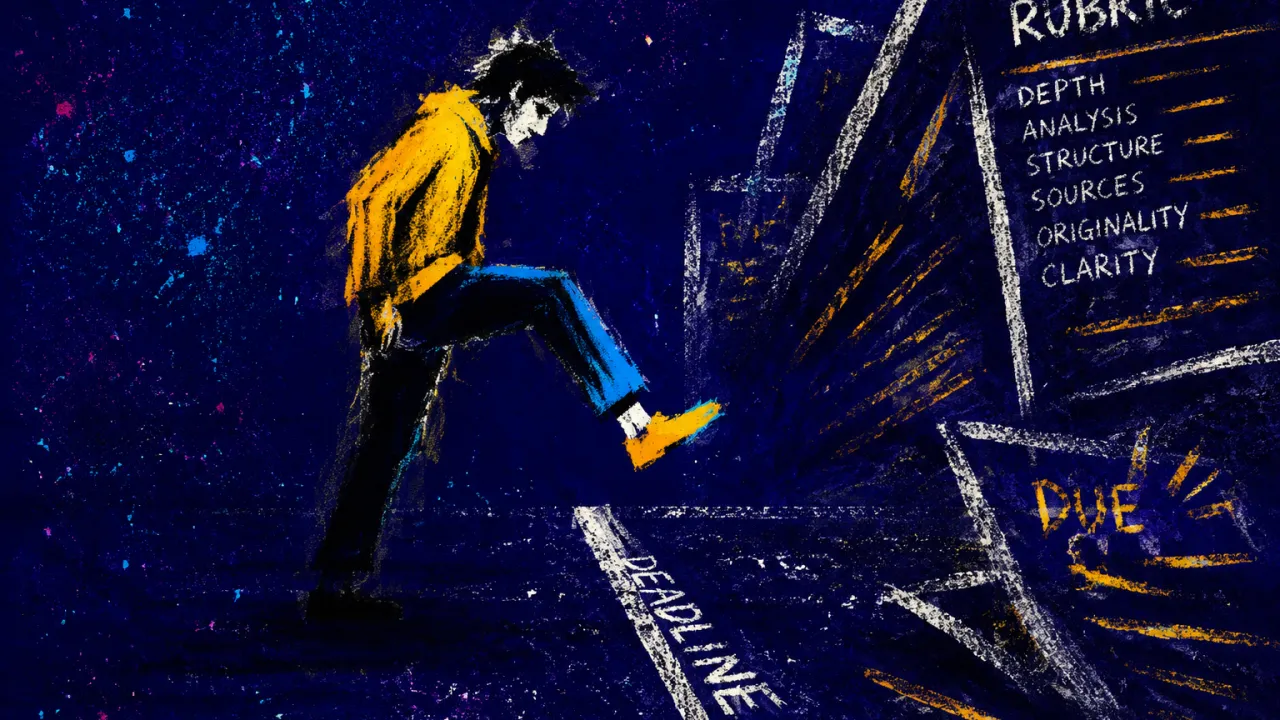
Academic Risk Blind Spot — you step into the semester, course, exam cycle, or thesis plan with the schedule technically in front of you: the syllabus dates, grading rubric, attendance rules, prerequisite warnings, reading list, office-hour notes, and assessment portal are all there, but the shape of the risk does not land at first. In week one, the calendar still looks spacious, the lecturer’s warnings sound general, the group chat is calm, and the first few tasks seem manageable enough to fold into your usual pace. Then the external machinery starts tightening: two deadlines sit in the same week, an exam covers material you have only skimmed, a supervisor expects a draft before you have tested the scope, a lab or seminar rule quietly affects your grade, or a missing foundation from a previous class starts showing up inside every new topic. The people around you may not be dramatic about it; tutors keep referring back to the rubric, classmates compare plans that sound more advanced than yours, automated reminders arrive from the LMS, and the portal counts down without adjusting to how much work is actually left. You keep moving because nothing has visibly collapsed yet, but your stomach drops when a reminder lands, your shoulders tighten when you open the course page, and the plan that looked fine from a distance starts revealing gaps at the exact places where the institution will measure you. The cost is not that you failed to care; it is that the academic environment placed hard constraints in plain sight while daily momentum made them easy to underweight, much like the figure in The Fool, bright body moving forward while the cliff sits plainly under the next step.

Why it's not you?

The issue is not that you are careless or incapable; the issue is that academic systems often make risk look tidy until it becomes enforceable. Deadlines, grading rules, prerequisite gaps, attendance policies, and workload clusters are not personal flaws. They are external constraints, and they can create pressure even when you have been working in good faith.

Academic Risk Blind Spot in Tarot Cards

Academic Risk Blind Spot is the situation where visible academic limits are present on the page, but the semester keeps moving as if they are flexible. The stomach-drop moment when the LMS reminder hits is not random; it points to an environmental, structural dynamic where deadlines, rubrics, prerequisites, and workload spikes set the terms before motivation gets a vote. These Tarot Cards reflect the outline of that dynamic: the cliff under the next step, the polished plan without verification, the shortcut that leaves two blades behind.

The Fool Reversed
The cliff is not hidden in The Fool; it is plainly under the next step. The tension comes from the body’s bright forward movement while the environmental constraint remains unprocessed. In study life, this becomes the deadline cluster, exam scope, prerequisite gap, grading rule, attendance policy, or workload spike that is visible on paper but not being treated as structurally real. The risk is not ignorance; it is a mismatch between external limits and the student’s current pace of attention. The card gives the blind spot a physical edge. It shows where academic confidence needs to be audited against the terrain, because some consequences are not dramatic until the moment the ground stops being there.
The Magician Reversed
The confident frontal gaze and perfect toolkit create an image of readiness before any result has been tested. The scene is visually ordered, but nothing in the frame shows a submitted draft, a marked paper, a practice score, or an external check. Academically, this becomes the danger zone where preparation feels real because it is visible, while the actual risk remains hidden inside the rubric, exam format, supervisor expectations, or feedback standard. You are being shown the blind spot between looking ready and being calibrated to the task that will judge the work.
The Sun Reversed
The horse keeps moving forward without reins, and the open direction is brightly lit but not marked by concrete checkpoints. The scene can look so successful that the lack of steering tools becomes easy to overlook. For study, this is the academic stage where early confidence, easy material, good feedback, or a strong start hides the need for revision audits and deadline checks. You may be moving, but the card highlights the risk of mistaking brightness for verification and momentum for mastery.
Seven of Cups Reversed
The laurel wreath looks like victory until the small skull beneath it becomes visible. Around it, the other cups also present their rewards in mist, showing the appeal of an option before its full cost has been inspected. That is the academic shape of a Risk Blind Spot. A prestigious supervisor, overloaded semester, ambitious thesis, elite program, or impressive course title can look like the winning cup while concealing the workload, assessment exposure, or support gap attached to it. The Seven of Cups brings the hidden cost into view. It asks the academic choice to be evaluated not only by how it looks from the outside, but by what it demands from your time, resources, feedback access, and capacity to produce real work.
Seven of Swords Upright
The figure is agile enough to move with the swords, but the body is still exposed: one foot lifted, one foot stretched back, and the eyes turned toward what has been left behind. The movement works only because the risk has been temporarily outrun, not because it has been fully resolved. In academic work, this points to the plan that seems smart while it is happening: skipping a foundational reading, leaning on one source, submitting before checking requirements, relying on a classmate's interpretation, or choosing the fast method before testing whether it will hold. The Seven of Swords makes the blind spot concrete through the two abandoned blades. The part of the task you do not carry forward may become the exact part the course, exam, or advisor later asks you to account for.
Two of Wands Reversed
From the battlement, the land, sea, and mountains appear organized into a view that can fit inside the globe. The figure's posture projects command, but the terrain has not yet tested the plan, and the uneven wands make the structure less balanced than it first appears. Academically, this points to a risk blind spot around workload, difficulty, timing, supervision, or scope. A revision schedule, exam plan, thesis proposal, or course load may look manageable from above because the messy parts have been compressed into a neat overview. The reversed Two of Wands makes that distance measurable. You are not being warned away from ambition; the card shows where the plan needs contact with real constraints before confidence hardens into avoidable academic exposure.

Academic Risk Blind Spot in Tarot Card Reading Insights

Academic Risk Blind Spot also appears in readings when students bring in deadline clusters, unclear grading standards, ambitious course loads, or plans that looked manageable from above. The focus shifts from the cards themselves to what comes up when this academic pressure enters a reading. Tarot Reading Insights for this kind of study situation are gathered below.

Psychological contexts related to Academic Risk Blind Spot